Holiday apartments in Latium

Peace of Mind, Even in Unexpected Situations
Discover our cancellation cost cover
- 5
- 22
- 11
- 8
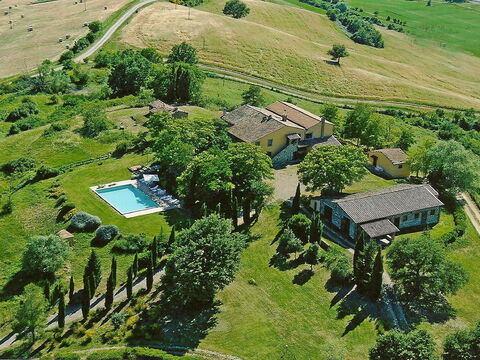
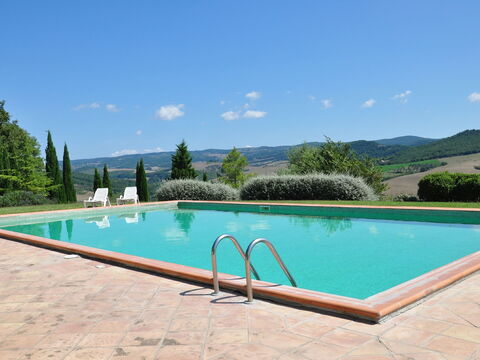
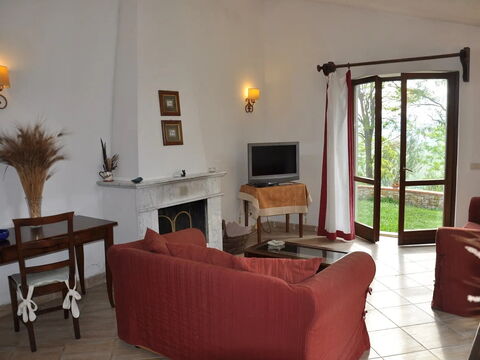
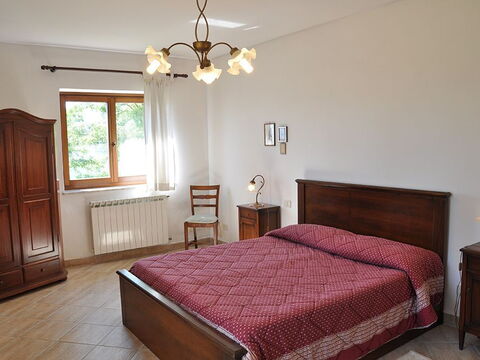
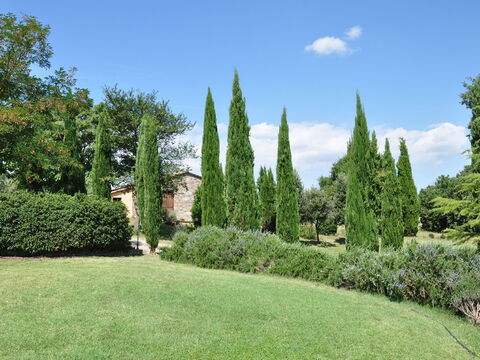
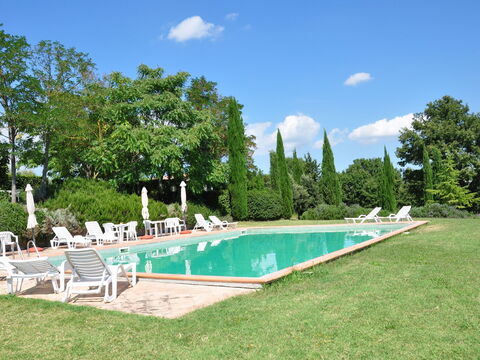
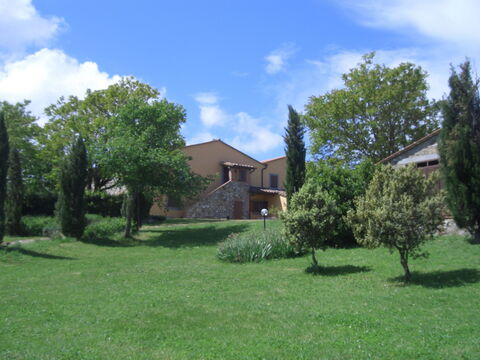
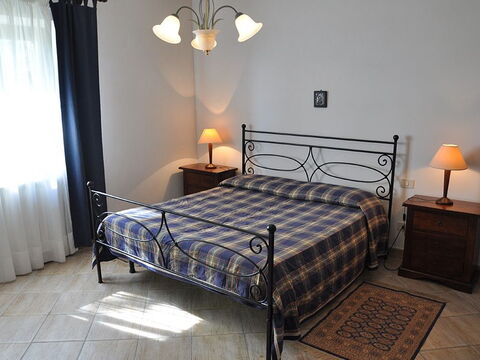
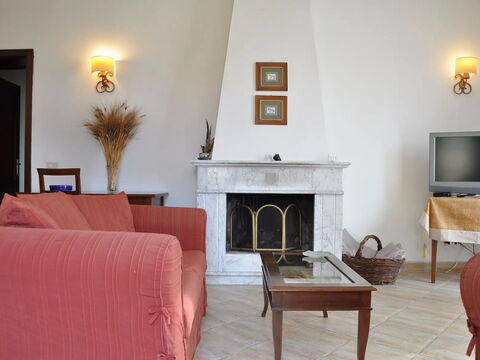
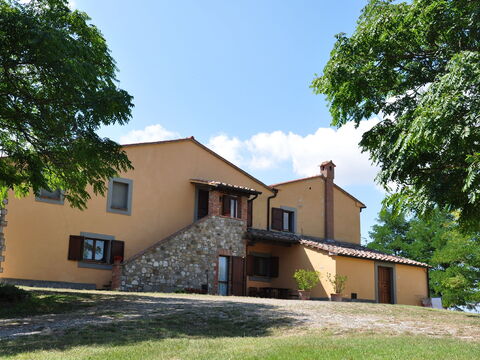
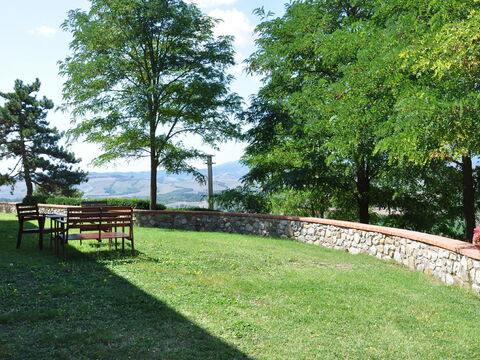
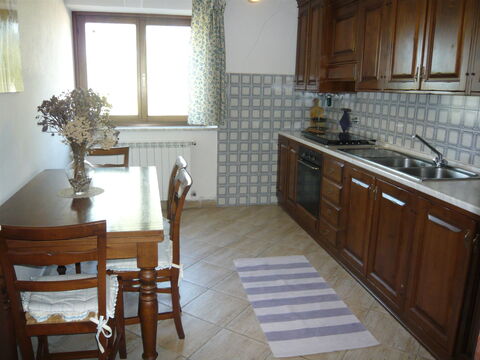
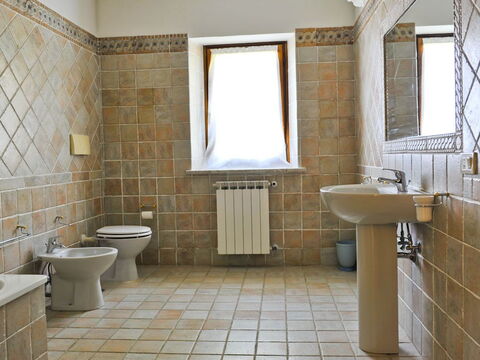
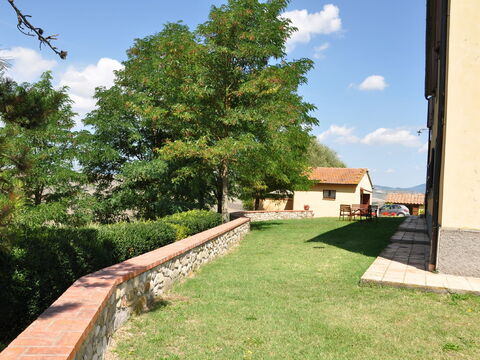
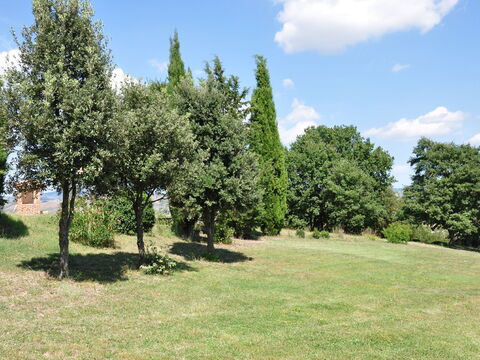
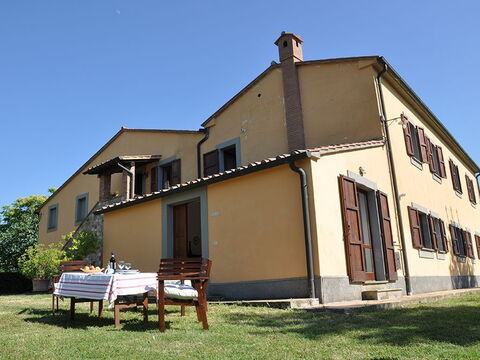
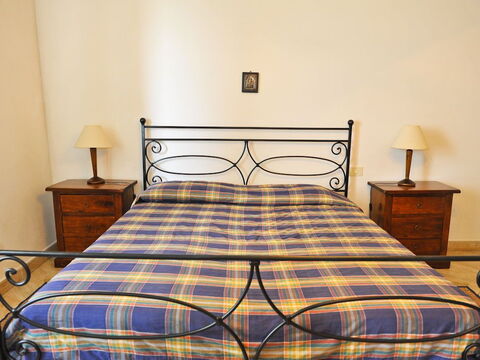
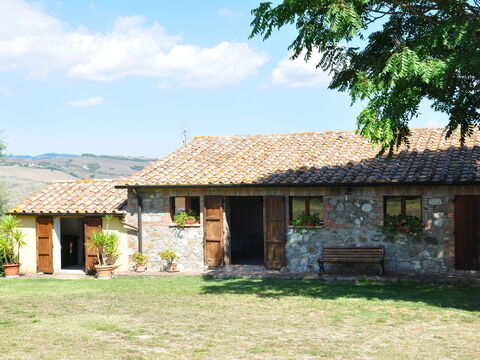
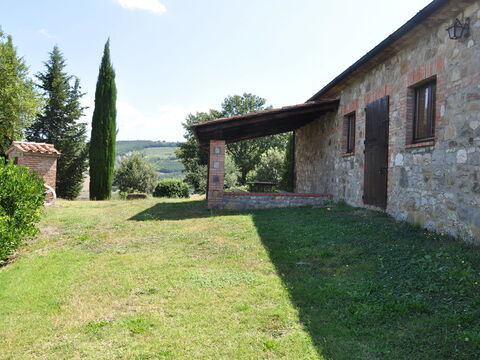
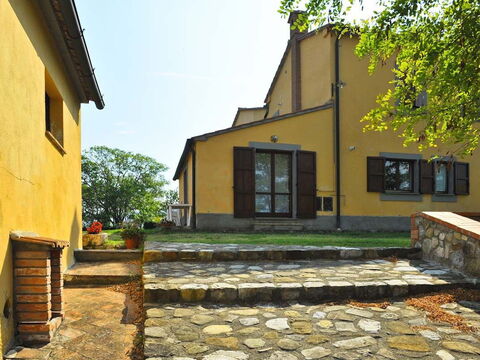
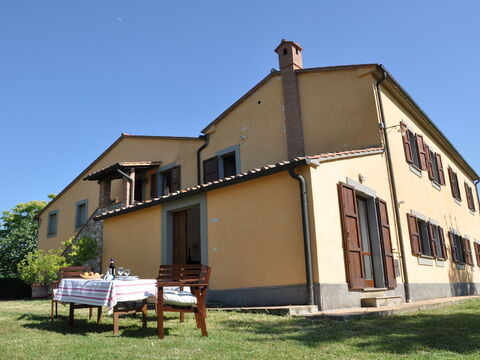
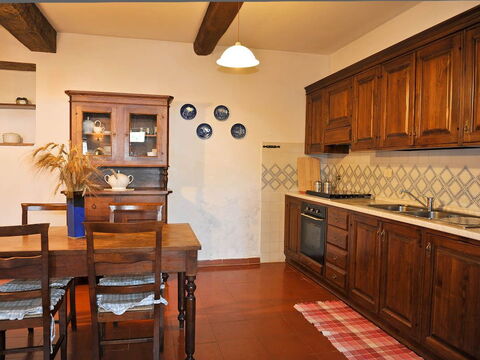
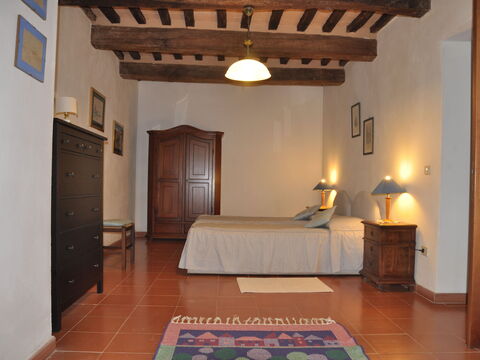
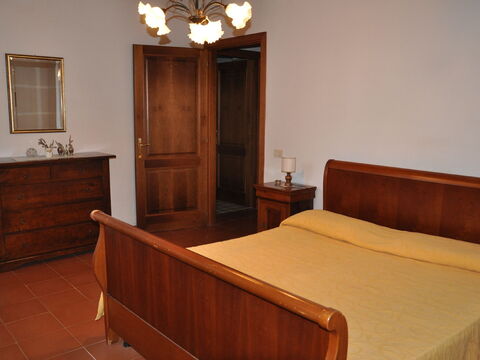
- Charming Tuscan countryside cottage
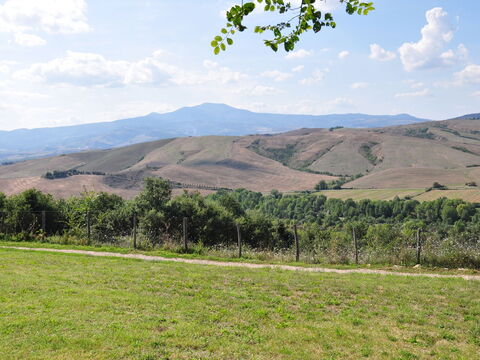
- Scenic and elevated location
- 17 km from San Casciano dei Bagni (renowned for its thermal baths).
What are the highlights of Latium?
Latium uniquely combines rich history, diverse landscapes, and a Mediterranean way of life. The region stretches from ancient cities and volcanic lakes to long coastal areas along the Tyrrhenian Sea. Between historic sites, gently rolling hills, natural parks, and traditional towns, Latium reveals a destination that has attracted visitors for centuries.
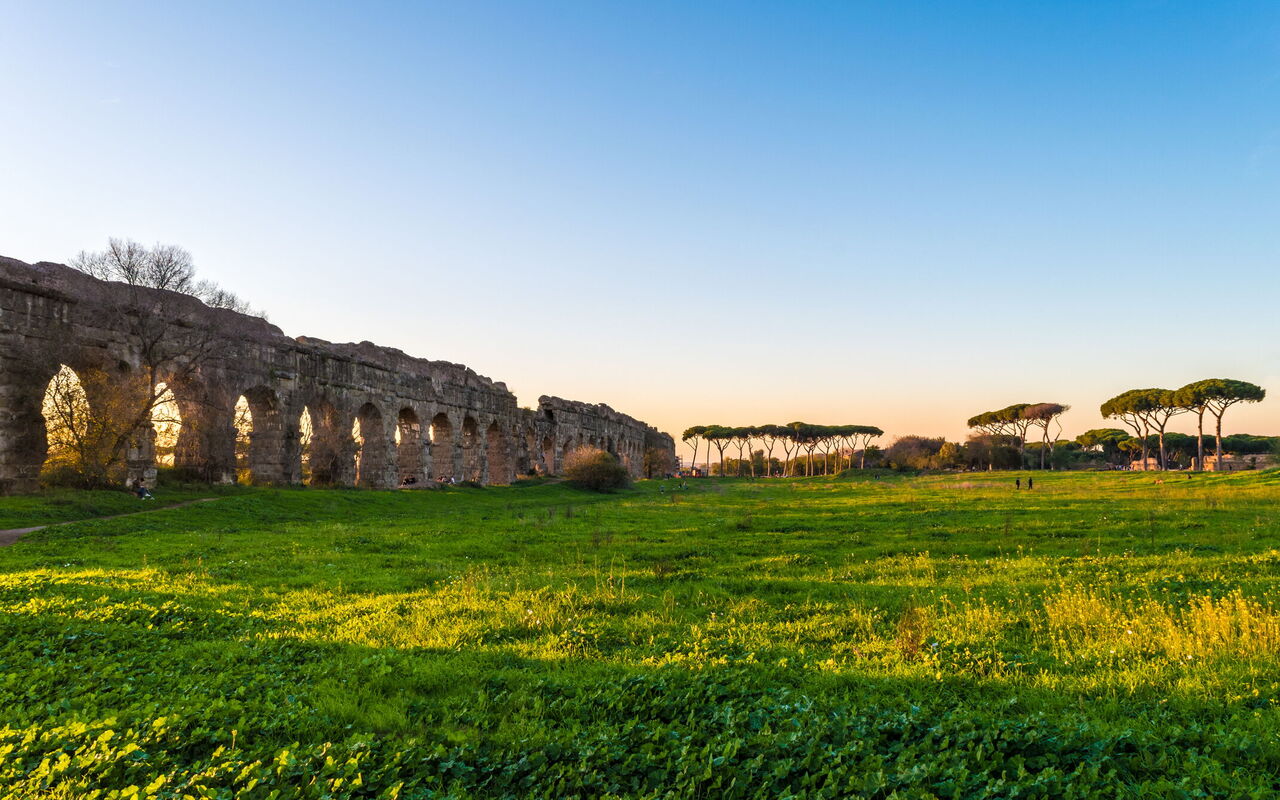
The character of Latium is shaped by a remarkable variety of landscapes, from the Campagna Romana surrounding Rome to the lake regions of the Alban Hills and the Tuscia, all the way to the coastlines of southern Latium. In addition, Etruscan heritage, Roman ruins, medieval towns, and important pilgrimage sites give the region an exceptional cultural depth.
Among the most striking highlights are the historical grandeur of Rome, the Etruscan necropolises of Cerveteri and Tarquinia, the villas of Tivoli, the medieval town of Viterbo, the landscapes of the Monti Simbruini, as well as the beaches of Sperlonga, Gaeta, Sabaudia, and San Felice Circeo. Latium is therefore a region where culture, nature, gastronomy, and relaxation come together in a uniquely diverse way.
From the Etruscans to Rome and the Papal States: The History of Latium
The history of Latium dates back to ancient times and is still visible today in its cityscapes, ruins, and archaeological sites. Even before the rise of Rome, the northern part of the region in particular was shaped by the influence of the Etruscans. This legacy is especially evident in the necropolises of Cerveteri and Tarquinia, which are among the most important Etruscan sites in Italy.
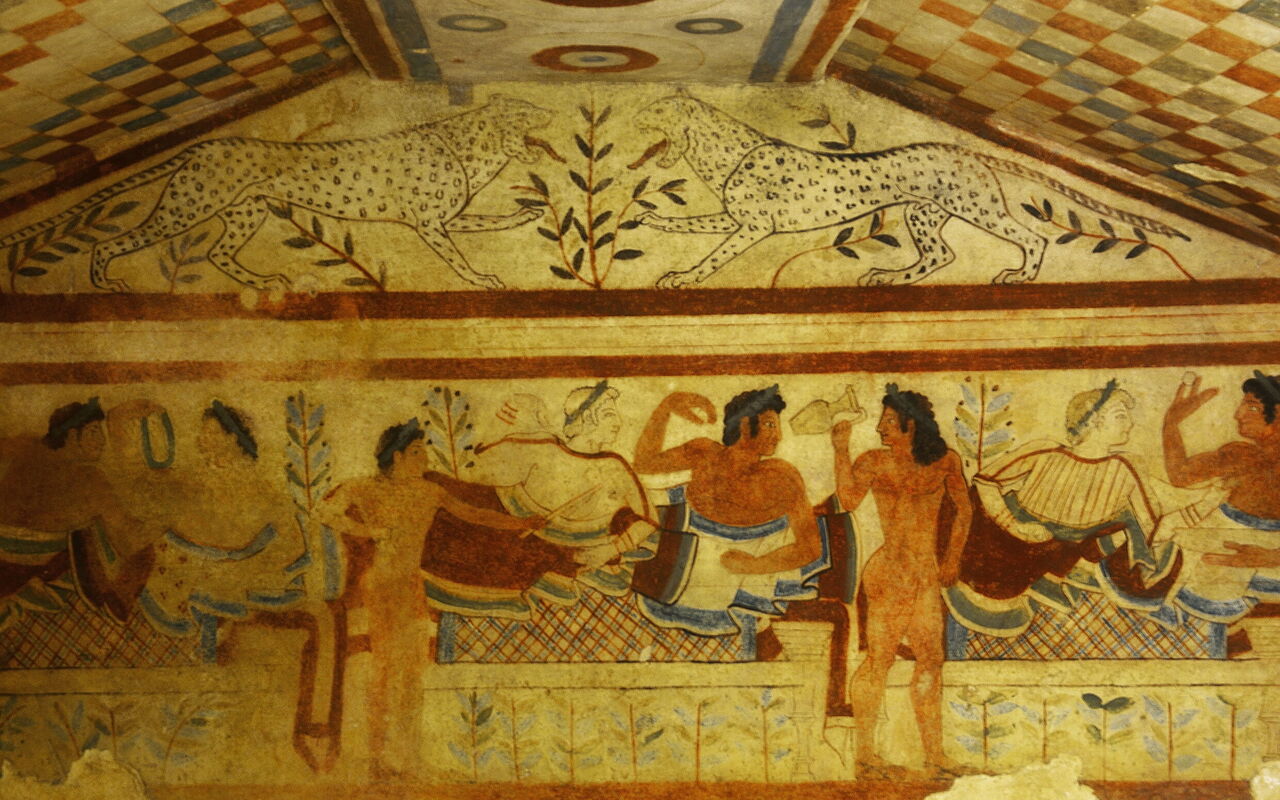
With the rise of Rome, Latium became the political and cultural center of a world power. What began as a city on the Tiber grew into the heart of the Roman Republic and later the Roman Empire. Roads, aqueducts, baths, forums, amphitheaters, temples, and villa complexes left a lasting mark on the region. This era can still be experienced far beyond the capital, for example in Ostia Antica, the ancient port of Rome, or at the monumental Villa Adriana in Tivoli.
After antiquity, Latium gained immense importance as the center of Christianity and later of the Papal States. Rome became the focal point of Western Christianity, while cities such as Viterbo at times played a significant role as a papal residence. During the Middle Ages and the Renaissance, monasteries, palaces, churches, gardens, and villas were built, shaping the cultural identity of the region to this day.
This remarkable historical continuity makes Latium a region where multiple eras can be experienced side by side: Etruscan tombs, Roman ruins, early Christian basilicas, medieval districts, and Renaissance villas come together to form a rich and layered cultural heritage.
The Cities of Latium
The cities of Latium reflect the cultural and geographical diversity of the region. Alongside the capital Rome, you will find medieval centers, historic spa towns, cities shaped by Etruscan heritage, and vibrant coastal destinations. Each of these places has its own character and offers a different perspective on Latium.
- Rome – A historic, cultural, and spiritual center
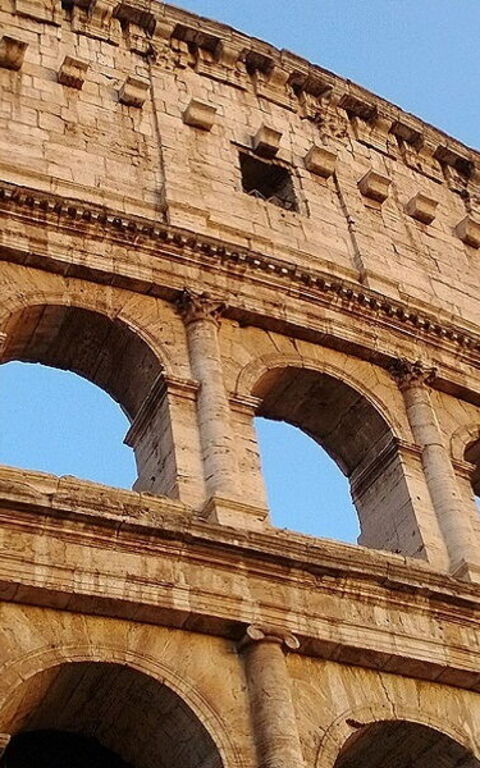
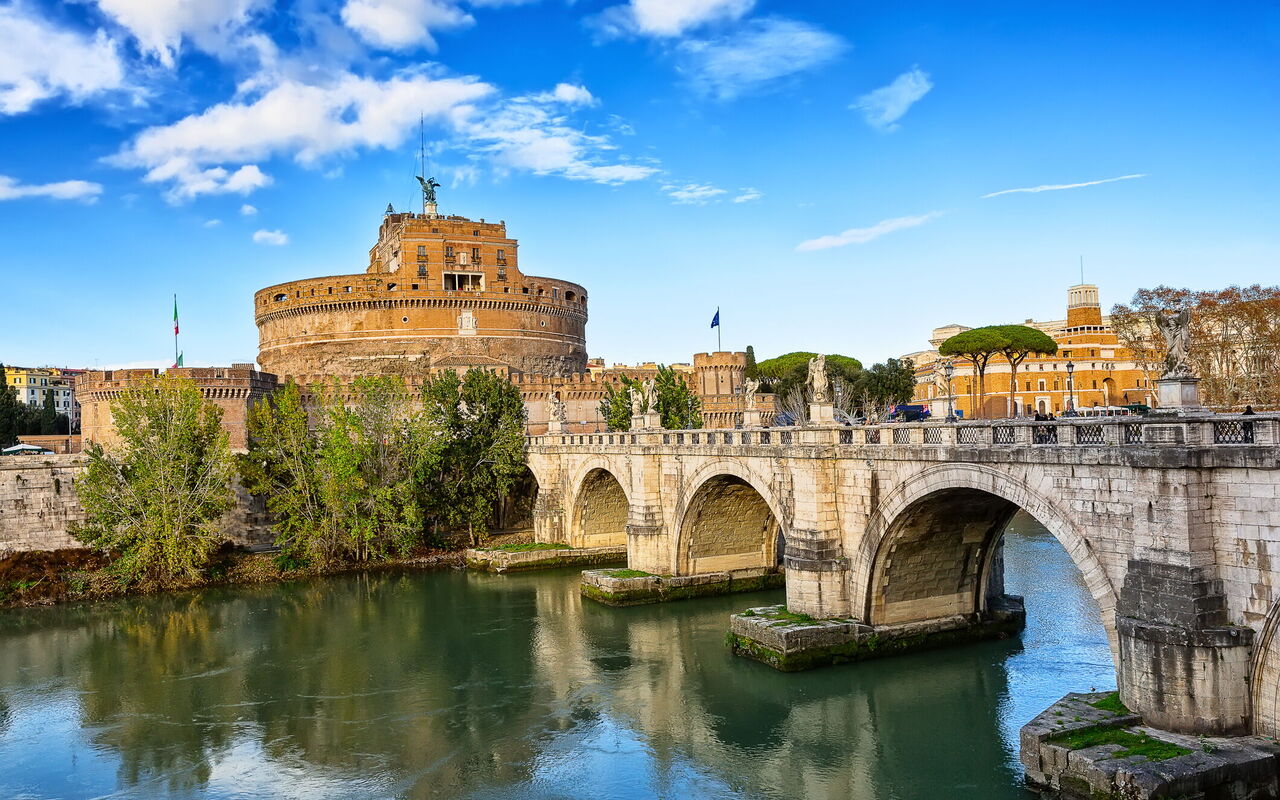
Rome is far more than Italy’s capital. It is one of the world’s most important cultural cities and brings together different eras in a way few places can. Its historic center, with layers from antiquity, the Middle Ages, the Renaissance, and the Baroque period, is a UNESCO World Heritage Site. Landmarks such as the Colosseum, Roman Forum, Pantheon, and Castel Sant’Angelo reflect the power of ancient Rome, while squares, fountains, and churches define the cityscape of later centuries.
At the same time, Rome has been a spiritual center of Christianity since late antiquity. Its proximity to the Vatican, the major basilicas, and numerous religious sites adds a distinct cultural and spiritual dimension. Beyond its world-famous landmarks, however, Rome is also shaped by its vibrant neighborhoods, everyday urban life, markets, cafés, trattorias, and an atmosphere in which history is not preserved as something distant, but remains part of daily life.
From a cultural perspective, Rome offers an exceptional richness: museums, exhibitions, opera, sacred music, contemporary art, and archaeological parks make the city a destination that goes far beyond traditional sightseeing. Anyone visiting Latium experiences in Rome not just a city, but a true historical universe.
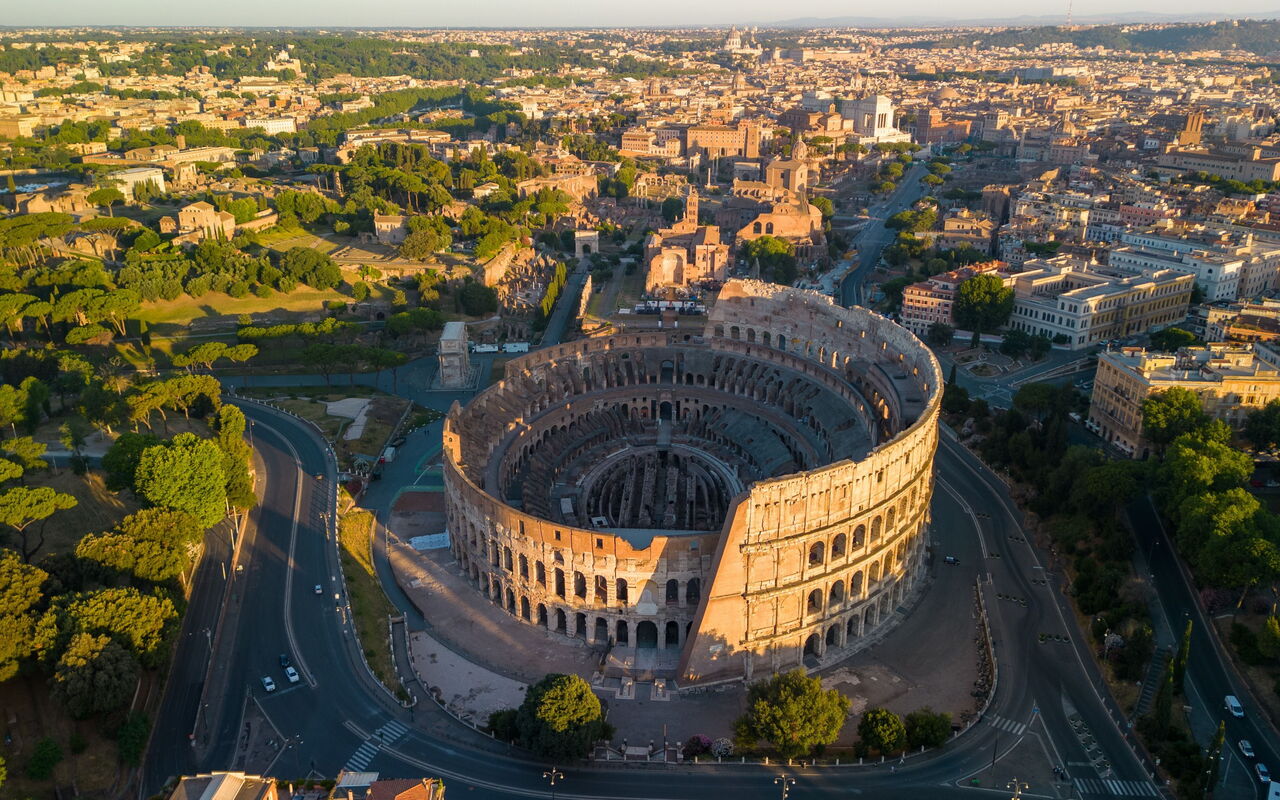
Rome
- Viterbo – The City of the Popes
Viterbo, located in northern Latium, is one of the most remarkable medieval towns in central Italy. In the 13th century, it served as the residence of several popes and remains closely connected to that period. The San Pellegrino district, the Papal Palace, historic squares, churches, and thermal baths give Viterbo its distinctive character. At the same time, the town is an ideal base for exploring the Tuscia region, with its lakes, Etruscan sites, and small villages.
- Tivoli – Villas, gardens, and ancient grandeur
Tivoli, located east of Rome, is one of the most culturally significant destinations in the region. It is especially known for Villa Adriana, the imperial residence of Emperor Hadrian, and Villa d’Este, famous for its gardens, fountains, and water features. Both are UNESCO World Heritage Sites. Tivoli brings together ancient history, Renaissance culture, and a green, slightly elevated setting with wide views over the surrounding landscape.
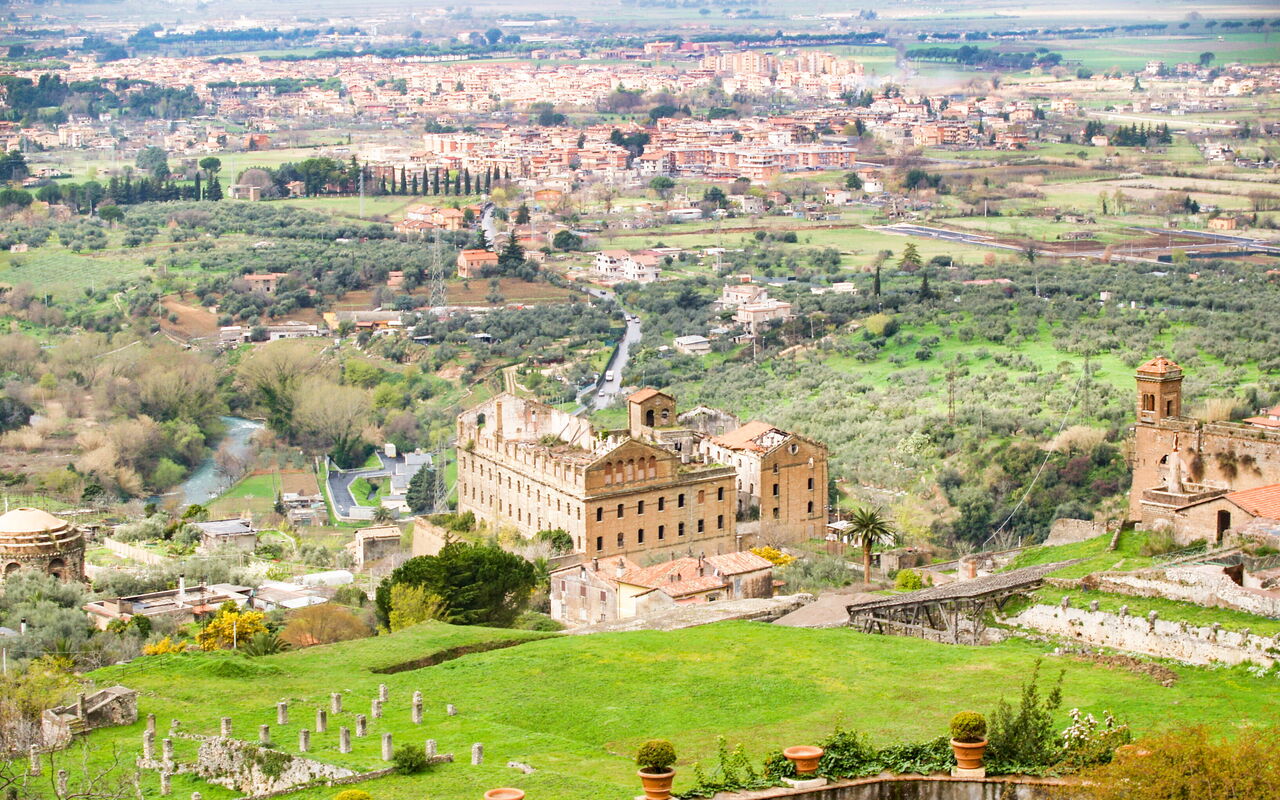
Tivoli
- Rieti – Between mountains, valleys, and spirituality
Rieti, located inland in Latium, is defined by a quieter, more authentic atmosphere. The town is considered a gateway to the mountain landscapes of the Apennines and is closely connected to Franciscan paths and monasteries. Those looking to explore a more nature-oriented and lesser-known side of Latium will find a particularly genuine part of the region here.
- Gaeta and Sperlonga – Coastal towns with history
In southern Latium, Gaeta and Sperlonga combine historic architecture with a strong maritime character. Sperlonga stands out for its whitewashed old town overlooking the sea, while Gaeta offers a lively harbor, beaches, and historic fortifications. Both towns show that Latium also offers culturally rich destinations along the coast.
Landscapes and Natural Diversity in Latium
Latium offers a remarkable variety of landscapes. Beyond its world-famous cultural sites, lakes, coastlines, rolling hills, forested areas, and mountainous terrain shape the region’s character. In many places, the landscape feels less curated than in other parts of central Italy, appearing more natural, open, and authentic.
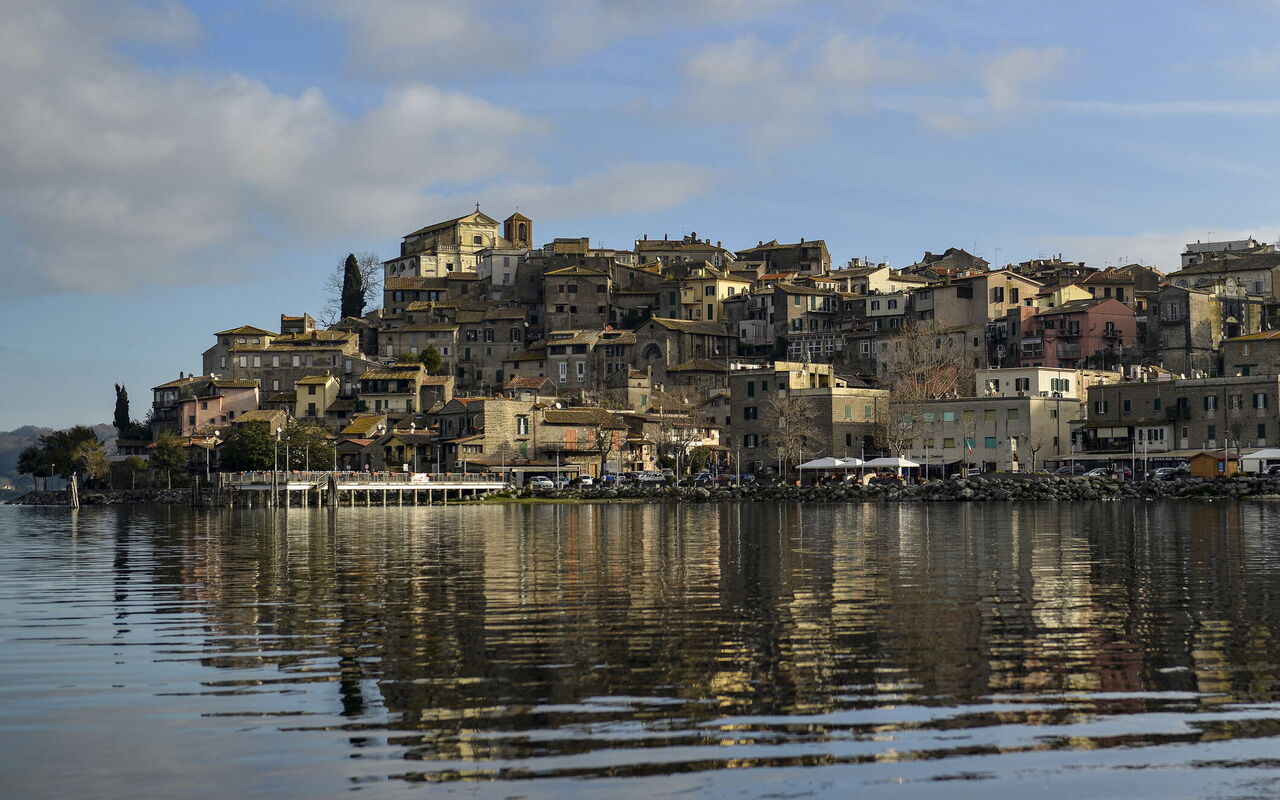
A defining feature of Latium is its volcanic lakes. Among the most well-known are Lake Bolsena in the Tuscia region and Lake Bracciano northwest of Rome. The lakes of the Castelli Romani, including Lake Albano and Lake Nemi, are also characteristic of the region’s landscape. The combination of open water, wooded slopes, villages, and vineyard-covered hills gives these areas a distinctive sense of elegance.
Latium is also home to important protected areas. The Parco Nazionale del Circeo along the coast brings together dunes, forests, wetlands, and Mediterranean vegetation. Inland, the Monti Simbruini form the largest protected area in the region, with extensive beech forests, karst plateaus, clear springs, and peaks reaching nearly 2,000 meters. This highlights that Latium is not only shaped by cultural landscapes, but also by natural environments with a strong sense of tranquility and open space.
Between the Campagna Romana, the hills of the Tuscia, the mountain ranges in the east, and the Tyrrhenian coastline, a varied mosaic unfolds that makes Latium particularly compelling. Here, nature and history do not exist separately, but are closely intertwined.
The Beaches and Coastline of Latium
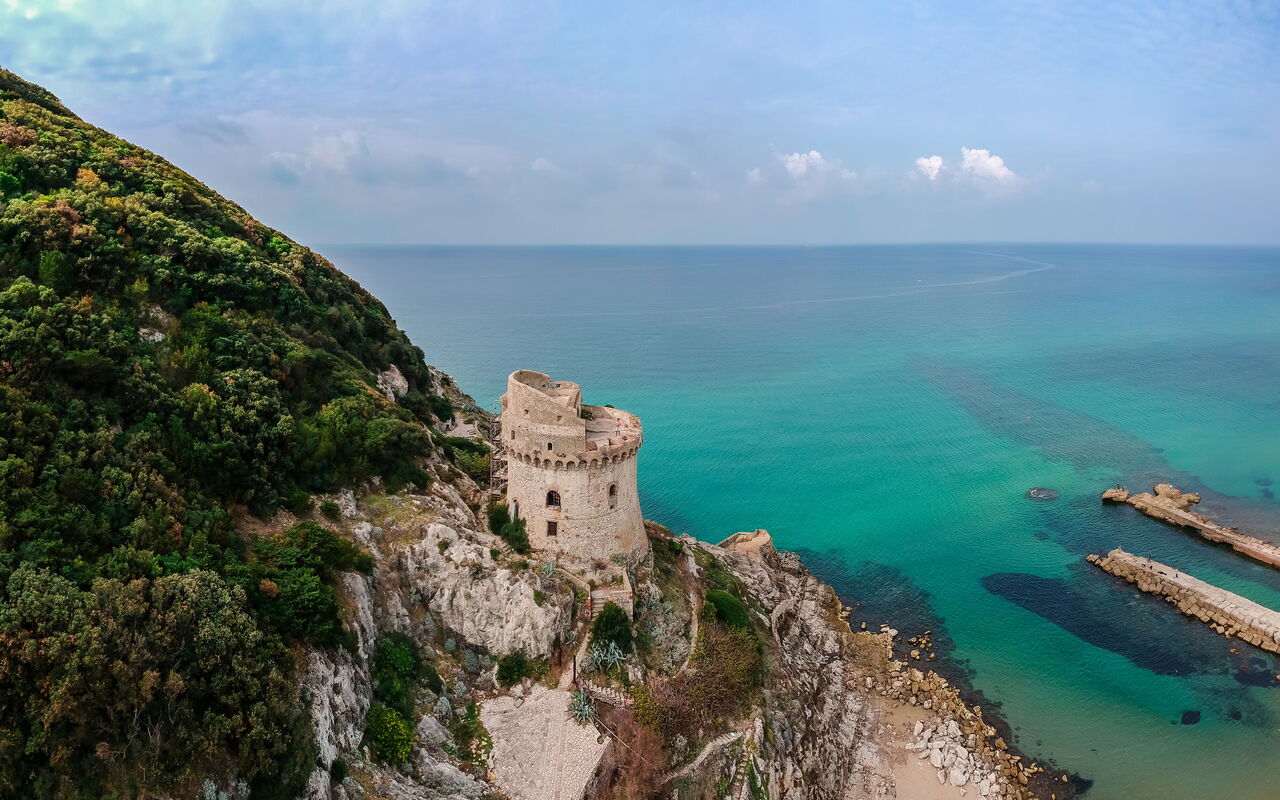
The coastline of Latium stretches for more than 300 kilometers and offers a wide range of landscapes. Long sandy beaches, dune systems, rocky sections, bays, and coastal towns alternate along the shore. The Tyrrhenian Sea is therefore an essential part of the region and makes Latium especially appealing for a beach vacation.
- Sabaudia – Dunes, open landscapes, and natural surroundings
Sabaudia is one of the most well-known seaside destinations in Latium. Its long sandy beaches are set in a particularly scenic environment between the sea, dunes, and the landscapes of Circeo National Park. It is an ideal destination for those who want to combine a beach vacation with nature.
- San Felice Circeo – Coastline along the promontory
San Felice Circeo combines beaches, Mediterranean vegetation, and the distinctive promontory of Monte Circeo. The area is ideal not only for swimming, but also for excursions, boat trips, and nature experiences in one of the most scenic coastal areas of Latium.
- Sperlonga – A bright coastal town with elegant charm
Sperlonga is one of the most beautiful coastal towns in the region. Its whitewashed village above the sea, light sandy beaches, and clear waters create a particularly refined atmosphere. At the same time, Sperlonga also has an important historical background, including the Villa of Tiberius.
- Gaeta – Between sandy beaches and rocky coastline
Gaeta offers a varied coastal landscape with wide beaches, small bays, and striking rock formations. It is also home to a historic old town with a harbor and fortified character. The combination of sea, history, and Mediterranean atmosphere makes Gaeta a particularly diverse destination.
- Ostia – Rome’s seaside
Ostia is the closest coastal destination to the capital and allows visitors to combine time at the beach with a visit to Rome and Ostia Antica. For those who want to experience both culture and the sea within a short distance, it is a convenient and appealing option.
Culinary Traditions of Latium
The cuisine of Latium is closely connected to the region’s everyday culture and is one of the most well-known regional cuisines in Italy. It is defined by clear flavors, high-quality ingredients, and traditional recipes that are still preserved in trattorias, family kitchens, and rural osterias.
Classic dishes include Carbonara, Cacio e Pepe, and Amatriciana, which have become famous far beyond Italy. Other traditional specialties include Saltimbocca alla romana, Abbacchio, Trippa alla romana, and Porchetta di Ariccia. Many of these dishes originate from simple Roman and rural cooking, where a few ingredients are transformed into highly distinctive flavors.
Cheese and wine also play an important role. Pecorino Romano DOP is one of the region’s most traditional products and is central to many classic Roman dishes. In terms of wine, the areas around Frascati and Cesanese are particularly well known. The volcanic soils of Latium provide favorable conditions for winemaking in several parts of the region.
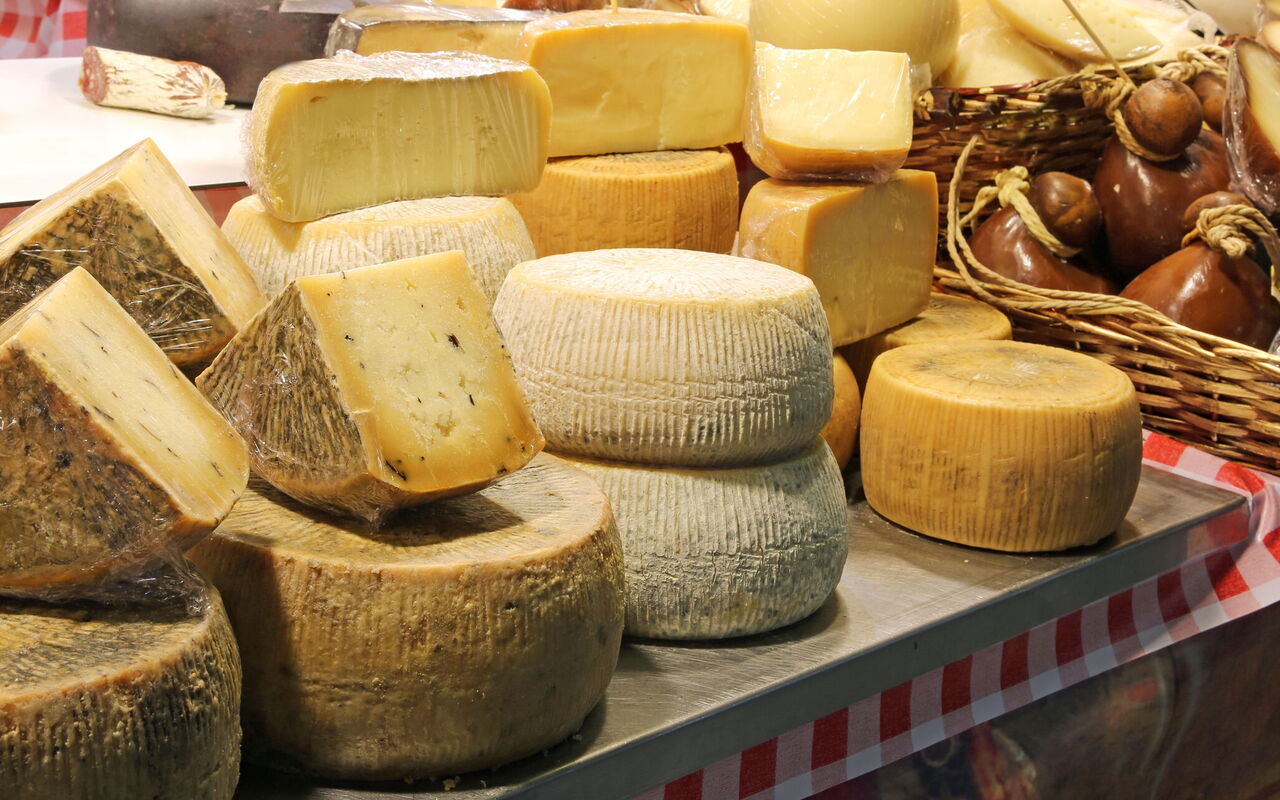
Overall, the cuisine of Latium stands for authenticity, recognizability, and a strong connection to regional identity. It is precisely this distinctive combination of simplicity and character that makes it so appealing.
Sports, Nature, and Active Leisure in Latium
Latium offers numerous opportunities for an active vacation. The coastal areas are ideal for swimming, sailing, snorkeling, diving, stand-up paddleboarding, and boat trips, while the lake landscapes and natural parks provide excellent conditions for hiking, cycling, and relaxed days outdoors.
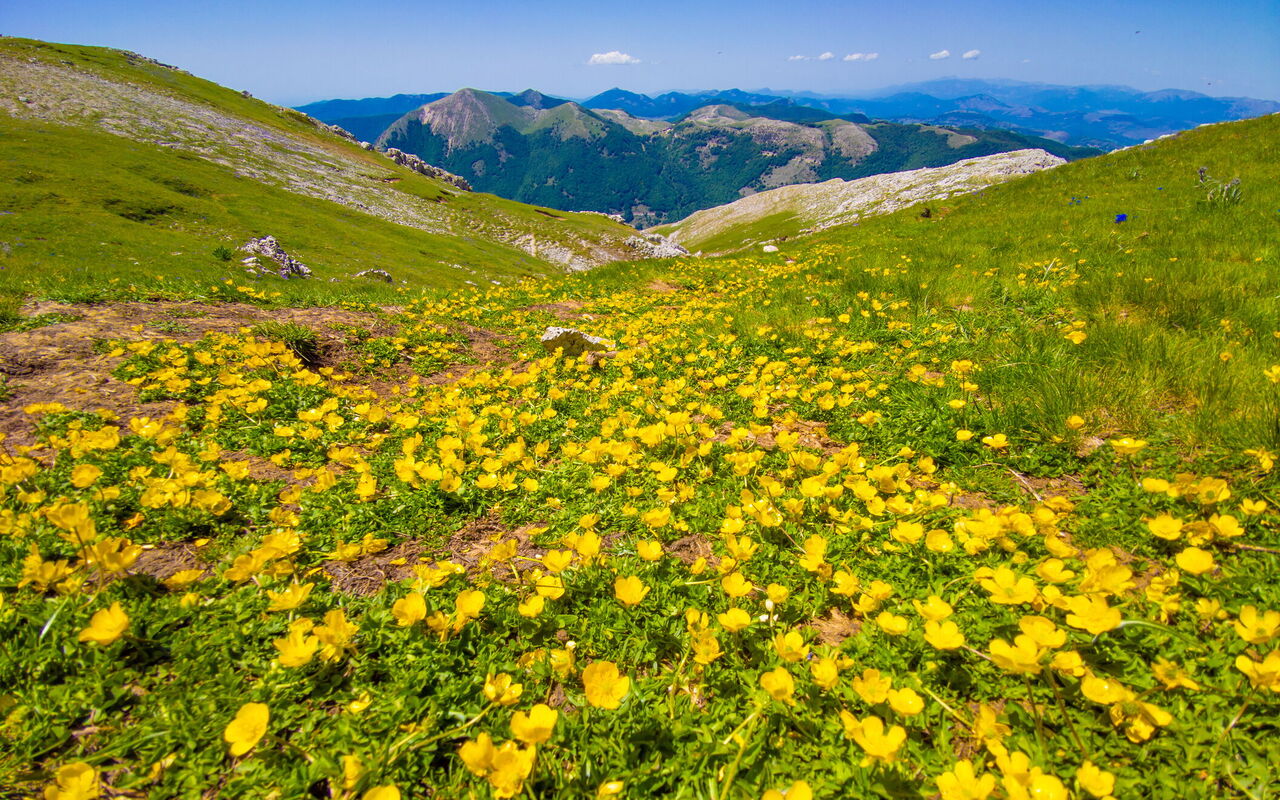
Hiking is especially popular in the Monti Simbruini, in the mountain landscapes around Rieti, or along the trails of the Cammino di Benedetto. The Castelli Romani also offer excellent opportunities for outdoor activities; for example, kayaking, stand-up paddleboarding, and other water sports are possible on Lake Albano.
Those looking to combine relaxation with activity will also find thermal spas and wellness destinations in Latium, particularly in the area around Viterbo. This makes it possible to experience the region not only through its cultural highlights, but also through nature, outdoor activities, and moments of relaxation.
FAQ – Vacation Rentals in Latium
Climate and best times to visit Latium
The climate in Latium
Latium has a predominantly Mediterranean climate, especially along the coast and in the lower-lying areas around Rome. Summers are generally hot and sunny, while winters are comparatively mild and somewhat wetter. Depending on where you are in the region, however, there can be noticeable differences: along the coast, the influence of the sea often creates more balanced temperatures, while inland and in the hillier and mountain areas, winters can be significantly cooler.
Spring
Spring is an especially pleasant time to visit Latium. Temperatures gradually rise and often range between 14°C and 22°C (57°F and 72°F). The landscape looks fresh and green, and conditions are ideal for sightseeing, trips to archaeological sites, hiking, or days by the lakes. Rome and the region’s smaller historic towns are also especially enjoyable to explore at this time of year.
Summer
The summer months from June to August are warm to hot in Latium, with temperatures often ranging between 26°C and 32°C (79°F and 90°F) and occasionally rising above that during hotter periods. In Rome and inland areas, midsummer can feel very hot, while the coast can be somewhat more comfortable thanks to light sea breezes. This is an ideal time for a beach vacation on the Tyrrhenian Sea, a stay in a villa with a pool, and relaxed evenings outdoors.
Fall
Fall usually brings milder temperatures and is one of the most beautiful seasons for a trip to Latium. Temperatures often range between 15°C and 24°C (59°F and 75°F), and early fall in particular is often still very sunny and pleasant. These months are perfect for cultural visits, excursions to the Tuscia, the volcanic lakes, or the wine regions around the Castelli Romani. Fall is also an especially appealing season from a culinary point of view.
Winter
Winters are fairly mild across much of Latium, especially in Rome and along the coast. Temperatures often range between 5°C and 13°C (41°F and 55°F), while higher elevations can be colder. Rain is more common in winter than in summer, but the climate remains relatively moderate overall. This season is well suited to city trips, museum visits, and cultural stays, especially for those who would like to experience Latium in a quieter atmosphere.

Quality Guaranteed
Founder of Posarelli Villas, hand-picking all the vacation rentals in Italy we offer on our website.
Cancellation Costs Cover
Included in the rental price! Our Commitment to a Worry-Free Experience.
We have introduced a cancellation penalty reimbursement mechanism, designed to provide our guests with an extra layer of security, allowing them to book with confidence.

Special Deals
Looking for a memorable holiday experience without breaking the bank? With our range of advantageous deals and discount codes, you can enjoy incredible savings while creating unforgettable memories.
See All the OffersTravel Experiences
Discover all our Experiences & Services! Guided Tours, In Villa Experiences, Chef at Home, Wine Tastings, Weddings, Transfers, Vespa Tour, Bike, Yoga, Truffle Hunting, Ferrari Tours, etc. Many other experiences and services!
All Our ExperiencesCar Rental
To make your vacation even more comfortable, PosarelliVillas gives you the option to rent the car of your choice for your travels with just a few clicks.