Summer holidays are a much-awaited time: the kids count down the days until the end of school, the older ones jump through hoops to grab a week's holiday.
Sun, sea, saltiness and maybe a good cocktail in hand - for many a dream, for the most hyperactive a nightmare.
If lying on a sunbed for a week is unthinkable for you too and looks more like Chinese torture than a dream, this is the article for you.
Today we offer you some good alternatives to the lounger.
1. SNORKELING

Snorkelling is a discipline in which you swim on the surface of the water, with your face to the bottom. This way, while breathing through a snorkel, you can admire everything underwater: fish, crustaceans, turtles, molluscs and, of course, marine flora.
Unlike diving with oxygen scuba tanks, snorkelling does not require a licence and is practicable for everyone: even the youngest children will love this activity.
To snorkel safely, you will need a mask, snorkel, fins, wetsuit and buoy.
2. KAYAK
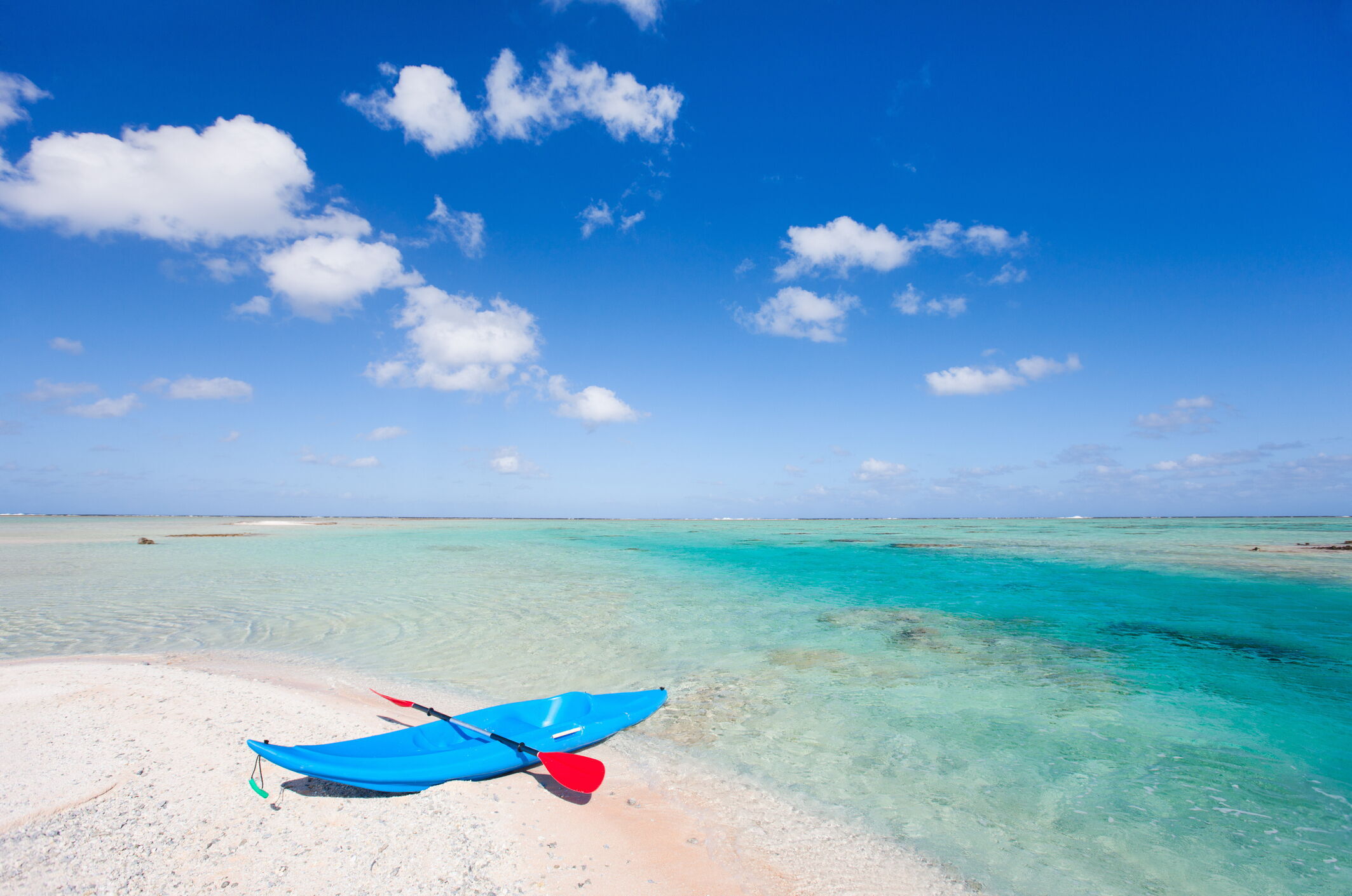
The term Kayak comes from the name of an Eskimo boat, used as a means of transport or for hunting and fishing in the Arctic Sea. Today, after various modifications, the Kayak is a boat used for recreational purposes by the various tourists who flock to beaches around the world. You can rent a single or double kayak, and on your departure you will be provided with life jackets and a double paddle.
With a little effort and a touch of coordination you will be able to reach unexplored bays and picturesque caves.
Our advice? Bring a water bottle and a waterproof phone - you won't need anything else for a fantastic adventure.
3. SUP
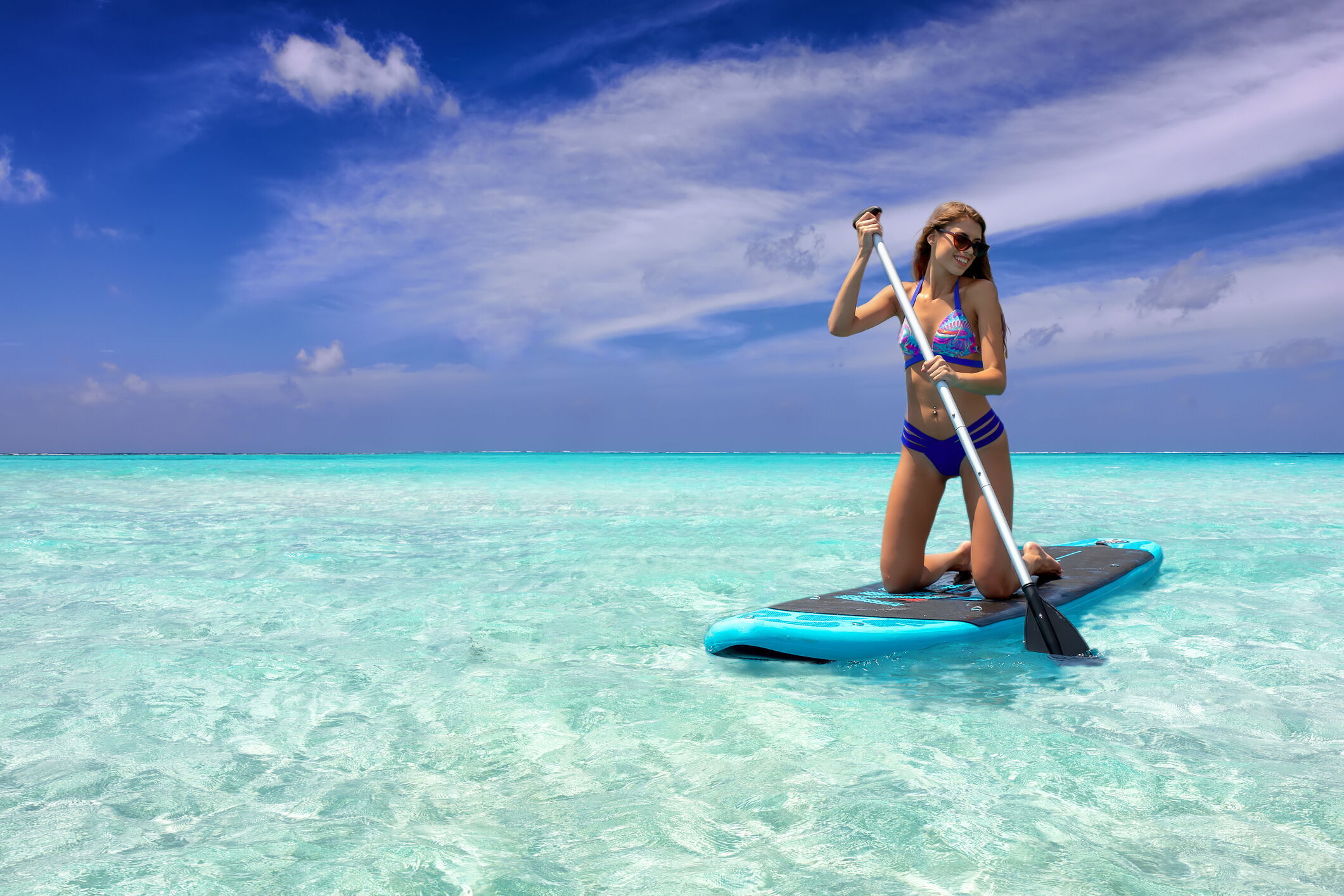
If you're a good balancing act, the sup is a great alternative to the kayak. Sup, which stands for Stand Up Paddle, is an aquatic discipline that combines surfing and canoeing. You glide through the water paddling while standing on a rigid or inflatable board. It is practised using a board that is wider and more stable than a surfboard, and a paddle with a long shaft to be used while standing. Boards can be inflatable or rigid. Rigid boards are more responsive and perform better.
The SUP paddle has only one blade, has a handle at the top to grip it, and often has a telescopic shaft to be adapted to the height of the surfer. As in surfing, you use a leash, or lanyard, to tie around your ankle so you don't lose your board if you fall off when there is a current in the water.
Haven't we convinced you yet? We still have a few tricks up our sleeve, follow us for the continuation of the article.
© Rebecca Taizzani