Archive for "Culture"
Planning a trip to Italy? Browse and read our useful and informative articles about the endless range of attractions and experiences in this lovely country.
Travel through the beauties of Italy with us. Visit our blog!
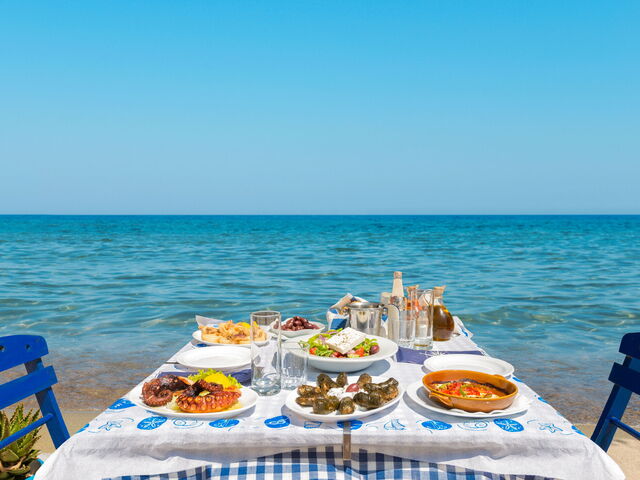
According to TasteAtlas, Greek cuisine ranks second among the best cuisines in the world, surpassed only by Italian cuisine. This recognition captures the true culinary spirit of the country: Greek gastronomy stands out for an apparent simplicity that is in fact based on high-quality ingredients and a strong focus on seasonality. Food culture in Greece goes far beyond simple nourishment. It represents sociability, tradition, and a deep connection to the local region. Fresh products, regional specialties, and time-honored recipes come together in an authentic culinary experience that invites visitors to immerse themselves in the Mediterranean lifestyle and turns every meal into a special moment.
For those planning an unforgettable vacation, there is another noteworthy highlight: the island of Crete has been recognized by TasteAtlas as one of the world’s leading gastronomic travel destinations. This recognition is not driven by passing trends, but by a deeply rooted and authentic food culture that has shaped everyday life on the island for generations. Visitors discover a cuisine full of character and rich flavors. Fresh, local ingredients take center stage in every meal: high-quality olive oil, sun-ripened olives, traditional cheeses, and carefully selected wines form the foundation of many specialties. Each dish becomes a flavorful journey through Crete’s landscapes, history, and way of life.
A Thousand-Year Mosaic: History and Influences of Greek Cuisine
Greek cuisine is one of the oldest in Europe and has developed over the centuries into a rich mosaic of flavors and traditions. Shaped by the mild Mediterranean climate, the unique geography of the islands, historic trade routes across the Mediterranean, a culinary culture emerged that has preserved its authenticity to this day. As early as antiquity, the famous “triad” of grains, olive oil, and wine formed the foundation of the diet, complemented by legumes, freshly caught fish, seasonal vegetables, aromatic wild herbs, and high-quality dairy products. In Greece, however, food has never been merely about sustenance. Meals have always been an expression of community, tradition, and cultural identity. This spirit is still visible today in lively tavernas, long family meals, and the warm hospitality visitors experience throughout the country. Every dish tells a story, blending flavor with living tradition.
Over the centuries, Greek cuisine has absorbed numerous influences while maintaining its distinctive identity. Spices and dried fruits from the Middle East and the Persian world enriched local flavors, while the Roman and Byzantine heritage refined baking and preservation techniques and helped shape a cheese-making tradition that remains important today. During the Ottoman era, specialties such as meze and syrup-based desserts became part of the culinary landscape. Meze refers to a variety of small dishes served as appetizers, ranging from marinated olives to stuffed grape leaves. They represent a shared dining experience where enjoying food together is central. Sweets made with flatbread and aromatic syrup tell stories of cultural exchange over the centuries. Even the well-known Tzatziki – a refreshing blend of yogurt, cucumber, and garlic – reflects these historical connections, as its name derives from the Turkish word “cacık.”
The Greek islands in particular absorbed Venetian and Italian influences over the centuries, developing their own culinary nuances and terminology. Pastitsio, for example, is now a staple of Greek cuisine, yet its roots lie in Mediterranean cooking traditions where layers of pasta, savory minced meat, and creamy béchamel sauce are combined into a harmonious dish.
The result is a cuisine with a clear identity: olive oil plays a leading role, local ingredients take center stage, aromatic herbs add depth to every dish, and sociability lies at the heart of the dining experience. Every bite reflects centuries-old traditions, the meeting of land and sea, and an approach to food that engages all the senses.
Greek Ingredients: The Foundation of a Timeless Cuisine
The true strength of Greek cuisine lies less in elaborate preparation and more in the quality of its ingredients. When olive oil is authentic, tomatoes are ripe and harvested in season, and cheese is produced using traditional methods, even simple dishes offer balanced and distinctive flavors.
Olive oil forms the foundation of this culinary tradition. It is not merely a seasoning, but a central element of daily nutrition, closely linked to agriculture and the landscape. On Crete in particular, it plays a key role in regional cooking. Olives themselves are equally important, especially the well-known Kalamata olives. With their firm texture and intense flavor, they exemplify the quality and authenticity of many Greek products.
When it comes to cheese, Greece also offers a wide and long-standing tradition. Feta is the most famous variety and has been aged in brine for centuries. Today it is a cornerstone of Greek cooking, used not only in the classic Greek salad but also in savory pies, baked dishes, and a variety of fillings. Alongside Feta, other cheeses play an important role, including Kasseri, Kefalotyri, and Manouri. Each of these specialties has its own flavor profile and typical culinary uses, reflecting the regional diversity and artisanal heritage of Greek cheesemaking.
Graviera, one of Greece’s most important hard cheeses, deserves special mention. On Crete, Graviera Kritis is associated with high quality. It is mainly produced from sheep’s milk, sometimes blended with goat’s milk, and is known for its aromatic, slightly nutty flavor that works well both on its own and in cooked dishes. Also well known is Graviera from Naxos, appreciated for its milder, more buttery profile. This variety is made from cow’s milk and differs clearly from the Cretan versions.
Two other ingredients with strong regional identity are also central to modern Greek cuisine. Greek yogurt gains its thick and creamy texture through a special straining process. It is versatile and appears in both savory dishes and desserts, often paired with honey and nuts. Equally well known is the pistachio from Aegina (Fystiki Aeginas), a product closely tied to its place of origin. Its intense aroma and long cultivation tradition make it a valued specialty.
These ingredients highlight how deeply Greek cuisine is rooted in regional products, traditional production methods, and a food culture where enjoyment and togetherness are closely connected.
The Great Classics: Greek Flavors Between Taverns and Everyday Life
Greek cuisine is internationally known for several iconic dishes distinguished by clear flavors and straightforward, time-tested preparation. Gyros and Souvlaki are among the best-known specialties and represent an approachable, everyday food culture enjoyed both at street stands and in traditional taverns. Gyros usually consists of pork or chicken cooked on a vertical rotisserie, sliced thin, and served in soft pita bread. Typical accompaniments include tomatoes, onions, and Tzatziki, a yogurt and cucumber sauce with garlic. Souvlaki, on the other hand, refers to marinated meat skewers that are grilled and often served with bread, vegetables, or salad. Both dishes are integral to daily Greek cuisine and show how enjoyment, sociability, and simple ingredients come together.
Moussaka is one of the most well-known baked dishes in Greek cuisine. It typically features layers of eggplant, seasoned minced meat, and a golden-brown béchamel sauce. In many households, it is traditionally prepared for shared meals and is considered a classic family dish. The combination of ingredients creates a balanced interplay of textures and flavors: the eggplant absorbs the seasoning of the meat and tomato sauce, while the béchamel adds a creamy structure that harmoniously brings the layers together.
The Greek salad, also known as Horiatiki, perfectly represents the core principles of Greek cuisine: few ingredients, clear flavors, and careful selection of high-quality products. Ripe tomatoes, fresh cucumbers, red onions, Kalamata olives, and Feta come together in a balanced combination of freshness, acidity, and savoriness. The quality of each component is essential to the final result. In its simplicity, this salad reflects the importance of seasonal ingredients and regional products and is a staple of everyday food culture in Greece, especially during the warmer months.
Many other traditional dishes also shape Greek cuisine. Spanakopita is a savory pie made with phyllo dough and filled with fresh spinach and Feta. The thin, crisp layers of pastry and the aromatic filling highlight the craftsmanship behind many classic recipes. Gemista, vegetables such as tomatoes or peppers stuffed with rice, herbs, and spices, reflect the close connection to seasonal agriculture. Equally typical are Horta, a variety of wild greens that are boiled and seasoned with olive oil and lemon. These simple preparations show how strongly everyday Greek cooking is influenced by regional plants, fresh ingredients, and straightforward flavors.
What Can You Eat on Crete, One of the Leading Culinary Destinations?
Crete’s cuisine holds a special place within Greece. It is characterized by simple preparations, high-quality local ingredients, and a strong connection to the island’s agricultural traditions. A balanced combination of vegetables, legumes, grains, herbs, cheese, and olive oil is typical, complemented by fish along the coasts and meat dishes inland.
A central element is extra virgin olive oil, used generously and giving many dishes their distinctive depth. Even simple meals based on vegetables or legumes gain a rounded, full flavor from it. Wild greens, grouped under the name Horta, are also typical. They are usually boiled and served with olive oil and lemon, representing the island’s close ties to nature. This cuisine is further enriched by regional cheeses such as Graviera and Myzithra, used both fresh and aged.
The culinary diversity is also reflected geographically: along the coasts, fish dishes dominate, while in the mountainous interior, legumes, stews, and grilled meats are more common. These differences mirror the island’s varied landscapes and make its regional cuisine particularly diverse.
Another key aspect is the strong presence of food culture in daily life. Local markets, small bakeries, artisanal producers, and family-run taverns shape the culinary scene. Fresh, seasonal products are central, and meals are traditionally enjoyed in a shared, relaxed atmosphere. On Crete, food is not just about nourishment, but an integral part of social and cultural life.
Low-Cost Dining on Crete: Enjoy Authentic Cuisine on a Budget
Those who want to experience authentic Cretan cuisine do not need to plan a large budget. With a few simple tips, it is possible to eat well and enjoy local flavors at affordable prices.
Choose small eateries and beach bars: Away from traditional restaurants, simple spots, kiosks, and beach bars often offer sandwiches, salads, and warm snacks at moderate prices. Service is usually quick and informal, especially during the day.
Follow local recommendations: Advice from residents often leads to family-run taverns with fair prices and traditional cooking, away from heavily tourist-oriented areas.
Visit local markets: In cities like Chania and other towns across the island, you can find fresh, seasonal products at reasonable prices. Markets are also a great way to discover typical ingredients and local specialties.
Choose traditional Cretan dishes: Traditional meals are often based on simple regional ingredients and are moderately priced. One example is Dakos, a salad made with tomatoes, olive oil, herbs, and dried bread, considered a light and authentic option.
Ask about daily specials: Many taverns offer daily dishes prepared fresh and offering good value. These meals are often based on seasonal ingredients. < br>
In this context, PosarelliVillas offers a selection of vacation homes on Crete that provide an ideal starting point for exploring the island’s sea, culture, and nature, as well as its diverse cuisine. A comfortable yet authentic accommodation allows you to discover the island independently and explore lesser-known places. Away from the main towns, roads lead to traditional inland villages, secluded beaches, and small taverns where regional dishes are prepared according to long-standing recipes. In this way, a trip to Crete becomes an opportunity to experience local lifestyles and culinary traditions firsthand.
If you would like to discover Greece, and Crete in particular, we invite you to find your ideal vacation home by simply clicking the button below:
VACATION HOMES IN CRETE
Read More
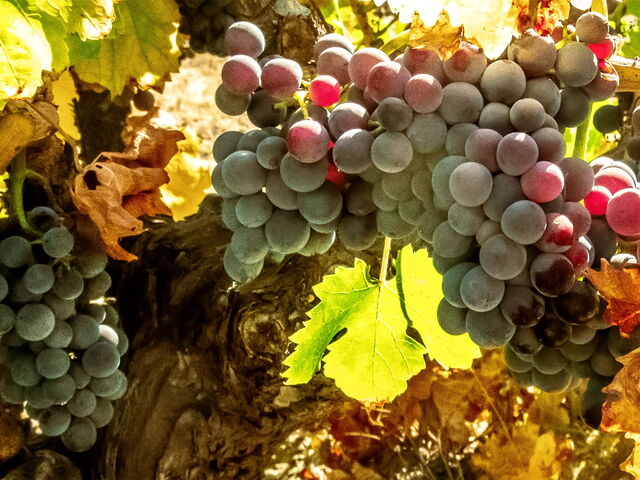
In Tuscany, the grape harvest is not merely gathering grapes but a memorable ritual —a land pulsing with life under the heat of the day and the hush of the evening breeze. In September, when summer gives way to autumn, the vineyards bloom into a communal scene where labor, flavors, and beauty converge in a centuries-old narrative.
In this article, you will find information on these topics:
Yesterday’s Grape Harvest
The Grape Harvest Today
Territory and Taste
The Grape Harvest as a Visitor
Autumn Holidays in Tuscany
From Then to Today: The Grape Harvest and the Enduring Legacy of Ancient Traditions
Traditional grape harvest
Yesterday’s Grape Harvest: A Glimpse into the Ancient Beauty of Tuscany
For farmers, the grape harvest marked the year's most anticipated moment: a juncture to reflect on the season—its labor, weather-related risks, and lingering uncertainty—yet crowned by a satisfying sense of accomplishment. Severe weather, from brutal winters to scorching summers or sudden hail, could imperil the harvest as a whole.
Work in the vineyard unfolded through a sequence of tasks: tending the vines, tidying the spaces between the rows, monitoring diseases, and managing weeds. At harvest, wooden tubs, baskets, and vats rode on ox-drawn carts, and at dawn entire families joined in the effort.
In the vineyard, the bunches were cut with scissors or sharp blades, gathered in baskets, and unloaded into vats, then trodden barefoot in tubs. The grape harvest was a shared labor of love, where lunch itself became a ritual as women and families brought food to sustain the day’s work, reinforcing a tradition of conviviality. This is the grape harvest of yesteryear: deep roots, participatory labor, and a memory that continues to inspire visitors to Tuscany seeking authentic wine tourism.
Modern Grape Harvest
The Grape Harvest Today: A Balanced Blend of Tradition and Technology
Harvesting methods have shifted toward mechanisation, ensuring steady quality, rapid picking, and the option to work at night, thereby lowering costs. Pressing is now predominantly mechanical, and technology is playing a larger role in the winery. With precision and safety at the forefront, these innovations optimise time and resources without compromising quality.
Today, winegrowers know that the balance between tradition and innovation is the key to a wine that authentically expresses the characteristics of the area while remaining efficient and responsible. Crushing and pressing can be mechanised, enabling delicate aroma extraction without compromising the wine’s integrity; filtration preserves clarity and organoleptic purity. Harvesters capable of suctioning grapes or shaking branches allow rapid, uniform picking, especially in large vineyards or where weather challenges persist. Technology does not create barriers between the land and those who visit to experience it; instead it safeguards quality from the very start, reducing time and waste without betraying the soul of the countryside.
Tuscan Vineyards
Territory and Taste: The Vital Role of Terroir in Wine Production
The Tuscan climate defines the wine’s character from its roots: sea breezes sweeping the hills modulate summer temperatures, while mild winters and sunny summers nurture slow and controlled ripening.
The vineyards are strategically positioned on sunlit slopes facing east and south, allowing for gradual maturation and balanced acidity. Moderate altitude provides the ideal balance between color, structure, and freshness, while distance from the sea mitigates winds and helps preserve delicate aromas.
The hilly topography, with its micro-zones, yields climatic variations that are valuable for quality: sunlight, filtered by the canopy, shapes complex aromatic profiles, and day–night temperature swings refine tannins and structure. The variety of Tuscan grapes is the key to understanding each vineyard: Sangiovese, heart of Chianti wines, expresses elegance and longevity, while whites such as Trebbiano and Vernaccia offer minerality and liveliness; Vermentino and other native varieties add freshness and savor.
Each vineyard reflects a unique geography, from Chianti to the hills of the Maremma, with different exposures that create distinctive taste profiles tied to the soil. The composition of the soil, whether clayey or sandy, influences the wine’s structure and, in synergy with climate, exposure and variety, helps produce long-lived, aromatic wines.
In Tuscany, viticulture and landscape coexist to tell a story of beauty and terroir, whose deep knowledge, refined over time, allows winemakers to adapt to climate change and offer visitors a panorama of wines that speak of geography, culture, and conviviality—enduring through the years.
Experience the Grape Harvest as a Visitor
Tuscany offers unique opportunities for those who want to immerse themselves in this season and witness the magic of the grape harvest first-hand. Imagine strolling between vine rows bathed in autumnal reds and golds, taking part in a harvest guided by experts who share techniques and trade secrets, and pausing for a meal in a cozy wine cellar where the story of that wine—from grape to glass—is told.
Your visit can unfold into a full-fledged holiday: stay in a rural farmhouse to live the experience from within, observe cellar work, join sensory-led tastings, and rediscover the harmony between land, people, and table. For more information on how to participate in a grape harvest in Tuscany, visit: www.movimentoturismovino.it.
A Villa in Tuscany
Why Choose a Holiday Home in Tuscany in Autumn
If you’re considering booking a house in Tuscany for this autumn, get ready for an authentic, immersive experience: not just observing, but savouring the grape harvest from a close, visitor’s perspective. Here’s why it’s worth it:
Authentic atmosphere: September and October bathe the landscape in soft light, with the scent of must and ripening vineyards as they approach final maturity.
Connection with tradition: Witness real harvest moments and enjoy convivial, local-food dinners, making the holiday a deeply experiential journey.
Rich wine tourism: Guided winery tours, meetings with producers, vertical tastings, and food-and-wine pairing courses offer deep, hands-on engagement with Tuscan wines.
Comfort and lifestyle: A countryside home lets you experience the Tuscan autumn at a relaxed pace, with scenic views, privacy, and seasonal cuisine.
If you’re looking for a house to rent during the harvest period, explore our selection of villas in wine-growing areas in Tuscany:VILLAS IN WINE REGIONS
Read More

If you are tired of renting the usual stunning but impersonal holiday villa, if you are looking for a distinctive solution that evokes the tradition of the place and encloses centuries of history within its walls, this article is for you.For your next holiday in Apulia book a Trullo.
A Trullo is a type of conical dry-stone construction traditional to central-southern Apulia.Trulli can be composed of a simple room (unitary module), or by the combination of several rooms (modules), which are usually added by twinning around the central room.The modular construction unit of the trullo has a circular plan, on the perimeter of which the very thick dry-stone masonry is set.The great thickness of the masonry, combined with the very small number and size of the openings, ensures a very high thermal inertia, which guarantees a good conservation of heat inside during the winter and the coldest days, just as it mitigates the peaks in the outside temperature during the summer.The Trullo was originally a typical peasant building in which those who worked the fields could find rest. They were simple, bare rooms.The trulli we are proposing today, however, are slightly different, traditional yes but without sacrificing comfort: from the trullo with a private swimming pool, to the one with a Jacuzzi.
Discover our selection of holiday trulli.
TRULLO SANTO STEFANO Trullo Santo Stefano is a beautiful and traditional property with a beautifully restored trullo, near the village of San Michele Salentino. The trullo is nicely furnished in the style of the Puglia region and will guarantee a peaceful environment.
The outdoor area is green and lush: you will find shrubs and plants typical of the Mediterranean vegetation.Here you will be able to enjoy complete privacy and the surroundings outside the property consist of one hectare of olive trees!
TRULLO OAK Trullo Oak is a stunning holiday home in Puglia in the countryside near the town of Martina Franca.The interior is sober and well-maintained, with minimal furnishings that emphasise the magnificent vaulted ceiling with exposed stones.Outside, the Trullo has a large covered veranda next to the pool and various relaxation areas with stone seats.
From Trullo Oak it is easy to reach the main towns in the area such as Martina Franca, Ostuni and Locorotondo, as well as beautiful beaches on the Ionian and Adriatic coasts.© Rebecca Taizzani
Read More
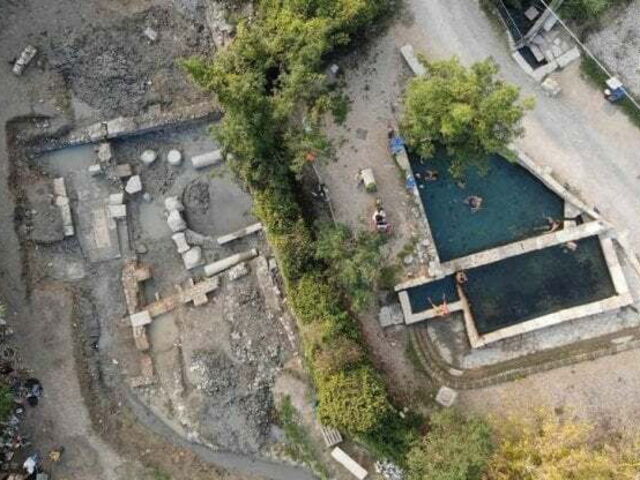
San Casciano dei Bagni is a small jewel of the Senese countryside: castles, villages such as Celle sul Rigo and Palazzone, gastronomic tradition (pici are born right here), gullies, no less than forty-two thermal springs at a temperature of 40 degrees . But all this did not seem to be enough for the beautiful Tuscan village. On 8 November, one of the most important discoveries after the Riace Bronzes was made among the stones of Bagno Grande: the discovery of 24 statuettes and thousands of coins. Gods, matrons, children and emperors are just some of the subjects of the statuettes that have been sleeping peacefully for 2300 years in the boiling water of the sacred baths of San Casciano dei bagni.
WHERE?
Photo Credit to Ministero della Cultura The statues were found in the Vasca Sacra or Santuario Ritrovato of the Bagno Grande at San Casciano dei Bagni. The sanctuary, conceived in the early imperial period, consists of a porch, a basin, a spring on different levels and a central arch. The site has been a point of archaeological interest for several years (it is mentioned in studies dating back to 1800). The archaeological excavations that led to the recent discovery began in the summer of 2020 and have seen several campaigns.
Photo Credit to Ministero della CulturaWHAT ? During the 6th excavation campaign, 24 toreutic masterpieces dating between the 2nd and 1st centuries BC and five thousand gold, silver and bronze coins were found from the bottom of the pool. The statues were made from life or according to the canons of the so-called mensura honorata, i.e. three Roman feet high (the equivalent of about one metre), and depict the deities worshipped in the sacred place together with the ancient dedicators. The statues, dedicated to the divinity of the spring and in perfect condition, are not only a treasure of inestimable value, but also a testimony (thanks to the engravings in Latin and Etruscan) to the coexistence of the Etruscan and Roman civilisations at the time: a coexistence that outside the sanctuary was known as conflict. The findings are therefore a testimony to a unique multicultural and multilingual context of peace, surrounded by political instability and war. The statues were presumably placed on the outer rim of the large sacred pool and anchored on the elegant travertine blocks. On several occasions later, the statues were detached from the edge of the pool and deposited at the bottom. It can therefore be deduced that this was not a dumping of sacred material into the hot water, but a ritual deposition, mediated with the deity. The votive acts continued until the 4th century AD with the deposition of almost six thousand coins (in silver, bronze and gold). Only at the beginning of the 5th century AD was the sanctuary dismantled and closed.
Photo Credit to Ministero della CulturaWHO? The excavation was co-ordinated by Prof. Jacopo Tabolli of the University for Foreigners of Siena and directed in the field by Dr. Emanuele Mariotti on behalf of the Municipality of San Casciano dei Bagni; the protection was directed by Dr. Ada Salvi of the Superintendence of Siena Grosseto and Arezzo. The excavation campaign was entirely financed by the Municipality of San Casciano dei Bagni and was supported by contributions from international companies and foundations (Ergon, Heureka Ambiente, Vaseppi Trust, Friends of Florence Foundation, Max Ulfane). Conservation and restoration are conducted by Dr. Wilma Basilissi of the Central Institute for Restoration in collaboration with Dr. Pozzi of the Soprintendenza Archeologia, Belle Arti e Paesaggio for the provinces of Siena, Grosseto and Arezzo. The Nucleo Carabinieri Tutela del Patrimonio Culturale (Carabinieri Department for the Protection of the Cultural Heritage) in Florence also assisted the scientific direction of the excavation in the security operations of the excavation site and the finds.
Photo credit to Ministero della Cultura WHY ? We told you about this surprising discovery because a museum will soon be opened where the archaeological finds can be viewed, an unmissable opportunity .The good news? We have several villas just a few kilometres from San Casciano dei Bagni where you can relax after a day of discovery and culture. If you want to stay almost in the centre of San Casciano, we recommend our Villa Gualchiere and Villa Danilo, which are only two kilometres away. If, on the other hand, a greater distance is not a problem for you (we are talking about 4 km) we recommend Villa Lucarella.
© Rebecca Taizzani
Read More

On the slopes of Montalbano stands a small village called Vinci. Into its narrow streets was born a man (whom to call a man is diminutive) who revolutionised the figurative arts, the history of thought and science.He was the illegitimate son of a notary, and soon took an interest in art: at the age of 17, he was already enrolled in the Florentine Company of Painters. He was a pupil of the great Verrocchio but the influence of the Pollaiolo school was evident in his work.In the meantime, he juggled as a musician at the court of Lorenzo Il Magnifico, illustrated his ideas for architectural works to Ludovico il Moro and worked as a painter and scenographer for the Sforza family.The multifaceted genius was called Leonardo and we are proud to introduce you to his hometown.
THE CITY
Vinci is an Italian municipality of 14 576 inhabitants in the metropolitan city of Florence in Tuscany. It is situated on the Montalbano, a hilly massif rich in vineyards and olive groves and terraces supported by characteristic dry-stone walls.
The oldest part of Vinci has an almond-shaped plan, unusual in this part of Tuscany. Seen from above, it suggests a two-masted vessel (where the two masts would be the tower of the Rocca dei Conti Guidi and the bell tower of the church of Santa Croce). The historic centre of Leonardo's village is also known, for this reason, as 'Castel della Nave'. The village in its small size offers unmissable attractions and events to all its visitors.
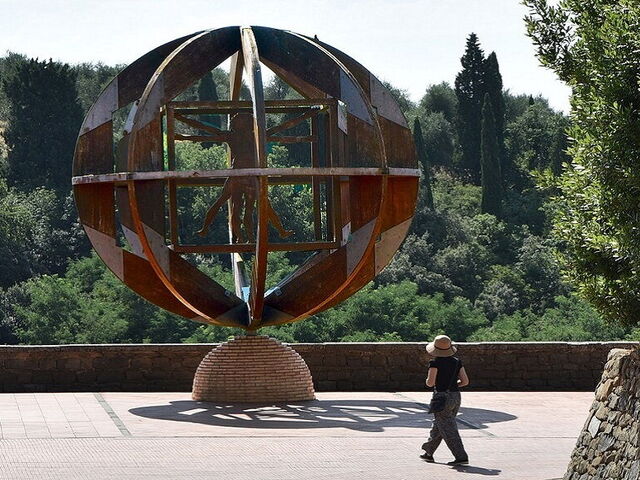
A visit to the 'City of Leonardo' starts from Piazza dei Guidi and the terrace with the large wooden sculpture of the Vitruvian Man, one of his best-known designs.
Now let's see what else you can do in a day in Vinci!
THE ATTRACTIONS Biblioteca Leonardiana: The creation of the Biblioteca Leonardiana dates back to the early 20th century and is closely linked to the figure of Gustavo Uzielli, one of the greatest Leonardo da Vinci scholars of the second half of the 19th century. His efforts, and those of the Vinci administration, to establish a Leonardo Library in Leonardo's hometown came to fruition in 1928, partly as a result of the Municipality of Vinci's acquisition of the Leonardo collection from Gustavo Uzielli's private library. In recent decades, the Biblioteca Leonardiana has increasingly become not only a documentary centre, but also a bibliographical information centre for Leonardo studies through the Bibliografia Internazionale Leonardiana (BIL), which systematically updates the bibliographical repertory of works by and on Leonardo da Vinci and includes thematic bibliographies, some of which are dedicated to protagonists of Leonardo studies. Today, the Library holds around 22,000 works by and about Leonardo and it is possible to view numerous facsimile reproductions of all his manuscripts and drawings and all his printed works starting with the first edition of the Treatise on Painting in 1651. The building is open to the public daily for consultation and loan. The Library can also be visited by appointment for schools and groups who can thus discover Leonardo's manuscript works reproduced as if from life.
Museo Leonardiano di Vinci: The idea of dedicating a museum to Leonardo was born in 1919 in honour of the fourth centenary of his death. At that time, the Conti Guidi Castle was donated to the municipality of Vinci and restoration work began. In 1953, the museum was ready to open, but it still shared space with the Biblioteca Leonardiana. From 1986 to 2010, a series of renovations and extensions were carried out: today the museum extends into the Uzielli building, the Conti Guidi Castle and the Villa il Ferrale. Each space houses different works, grouped by theme:
1. In Palazzina Uzielli, the video installation 'Leonardo's Mechanics' introduces the visitor to the main theme to which the collection is dedicated: Leonardo the Technologist and Engineer. The tour continues with sections devoted to construction machinery, textile technology, mechanical watches and anatomical studies.2. In the Castle, the former home of the Guidi family, are machines and models documenting Leonardo's interests in war, architecture, mechanics and flight3. The Villa il Ferrale houses the Leonardo and Painting section, bringing together in one place reproductions of all Leonardo's paintings and some of his most significant drawings.
Leonardo's Birthplace: Also called the House of Anchiano, it can be reached either by car or by bus. The Birthplace is also connected to the village by the Strada Verde (Green Road), an ancient footpath of about 3 km that can be travelled on foot. The House houses part of the exhibition route that invites visitors to discover the places and scenarios that first inspired Leonardo's work.If you don't want to miss any of Vinci's attractions, stay in our Casa Lionardo: just 150 metres from Leonardo's birthplace mentioned above, this villa with private pool is a unique location. Did you know that during the periods when it is not rented it is the venue for cultural events celebrating the Genius Leonardo?
© Rebecca Taizzani
Read More
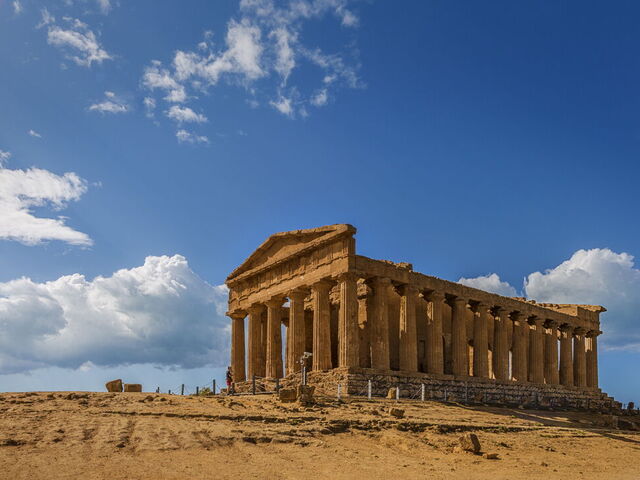
Here amid the stark nature and crystal-clear waters of Sicily, the Italian island famous for its rich cultural and historical heritage, there is a place that takes visitors’ breath away. It is the magnificent Valley of the Temples in Agrigento, an open-air archeology museum that was designated a UNESCO World Heritage Site in 1998. The 1300-hectare archeological area is a souvenir of the ancient hilltop city of Akragas, the center of the future Agrigento. The city flourished in the 5th century BC and was a Greek colony, as can be seen by the style of its art and architecture.
The Valley of the Temples includes some of the most important examples of classical Greek art and culture and the ruins tell us history from thousands of years ago. The city of Akragas went through many vicissitudes and was constantly in foreigners’ sights because of its important strategic location on the Mediterranean sea. It was conquered by the Carthaginians in 410 BC, who razed it to the ground; then by the Romans a few centuries later, who gave new splendor to the city, naming it Agrigentum.
Together let’s discover the most important sights to visit at the Valley of the Temples.
The archeological area of the Valley of the Temples has a total of 8 temples, some of which are very well preserved.
1. Temple of the Dioscuri
Also called the Temple of Castor and Pollux. The temple actually lies in the Sanctuary of the Chthonic Deities and was therefore probably erected in honor of the gods of the Earth (Demeter, Persephone, Dionysus) and not Castor and Pollux.
2. Temple of Zeus
Once one of the largest temples in the world, comparable to the famous Parthenon in Athens. It was as big as a soccer field and could hold up to about 42,000 people. Now only the base of this magnificent temple remains, but there is a reconstruction model in the Agrigento Museum of Archeology that gives an idea of how its architecture would have been.
3. Temple of Heracles
Or Temple of Hercules, the the main cult in ancient Akragas. This is one of the oldest temples of the valley, and was destroyed by an earthquake. Today we can see only eight of the original columns.
4. Temple of Concordia
It is the best-preserved temple and the symbol of the Valley of the Temples, built in 480 BC to honor Zeus. One of a kind, it remained intact because it was converted to a Christian church in the 6th century AD. Special to the temple were the telamons: stone giants representing Atlas, almost eight meters tall that held up to the temple roof, figuratively the sky. At the valley there is a copy of a telamon, while the only original, the Telamon of Olympian Zeus, along with the remains of three others, are housed at the Agrigento Museum of Archeology.
5. Temple of Juno
Or of Hera Lacinia, where weddings were celebrated. Architecturally similar to the Temple of Concordia, the base and columns have remained intact. The temple was about 20 meters tall and surrounded by 34 columns. It was constructed in about 450 BC and was destroyed by the Carthaginians when they took control of the city.
The other three, less famous temples not to be overlooked are:
6. The Temple of Vulcan
7. The Temple of Demeter
8. The Temple of Asclepius (God of Medicine) which accommodated sick people.
There are various other areas in the Valley of the Temples to look out for as you move among the temples:
- Necropolis: stretches along the road to Temple of the Concordia, and its characteristic catacombs are still well-preserved.
- The Agora areas, which span many terraces and were the center of public life, where you can glimpse the Bouleuterion (the “Town Hall”) and the Oratory of Phalaris.
- The Kolymbetra Garden, lush with plants and citrus trees, managed by the FAI, the National Trust of Italy.
True history and archeology lovers won’t want to miss out on the Museum of Archeology, which houses excellently-preserved amphoras, mosaics and statues found in the Valley of the Temples and surrounding areas. You can also visit the Valley of the Temples at night, an unforgettable experience! Especially in the summer, it can also be a more comfortable time to visit. The best time to arrive is about 6:30 pm, so you can enjoy the splendid sunset over the temples.
Now is the time to book your trip to Agrigento’s Valley of the Temples! This important archeological site can be reached from our splendid holiday villas in Sicily, such as Villa Agorà, Villa Camemi and Villa Dimora Pura
Read More
October 22, 2020
Leonardino Route: in the Footsteps of Leonardo da Vinci
Did you know that in the heart of Tuscany there is a wonderful nature trail that retraces the footsteps of Leonardo da Vinci?
Passing from Vinci, Anchiano and Montevettolini, which are the places where the artist spent his life, the Leonardino path was inspired by a drawing made by Leonardo in 1473, which depicted a view from the oratory of Santa Maria della Neve in Montevettolini.
There are two paths: one is called "the high path" and passes through the Montalbano ridge for a total of 17 kms, while the "low path" crosses the marshy area of the Padule and continues for a total length of 19 km. Passing through some of the most beautiful places in the Tuscan countryside, these paths allow you to discover hidden beauties and landscapes which are often ignored by popular itineraries. Ideal for people of all ages, they can be covered by foot in 5-6 hours or by mountain bike in 2-3 hours.
Would you like to know more? Discover more about the Leonardino road and start organizing your tour following the footsteps of the Tuscan genius!
The first route passes through some places of great historical value. It starts from Anchiano, where Leonardo's birthplace is located: he was born here on April 15, 1452 and the house remained in the possession of his until 1624. The road then continues towards Sant'Amato, it crosses the "Path of the Ancient Mills" and the remains of a wall of the Barco Reale, which is the name of a construction commissioned by the Medici Family to protect the game of Montalbano. Then, you arrive at Costareccia, the place where one of the family properties was located, and continue towards Orbignano. In this small village there is the Church of Santa Maria al Pruno, which preserves a wooden statue of the Madonna which was found abandoned in the midst of brambles after a theft, according to a legend. The route continues towards Lamporecchio, where you can visit the Pieve di Santo Stefano and see the marvelous terracotta altarpiece from 1524, made by Giovanni Della Robbia. Later, the route passes through Larciano, a village dominated by the tower of a fortress, as well as through the medieval village of Cecina, finally reaching Montevettolini. In this locality, the Medici built a villa in 1597 that dominates the whole valley!
The second route best enhances the natural beauties of the place and starts from Anchiano to continue towards the Church of Santa Lucia, which is considered Leonardo's place of baptism. From here, it continue towards the Torre di Sant’Alluccio, where the saint created a hospice for pilgrims during the Middle Ages and where you can also enjoy a splendid view of Valdarno and the plain of Pistoia. On the ridge road, there is also the Abbey of San Baronto, which was an important stopping place for Medieval pilgrims. You will also come across the remains of the Barco Reale, a wonderful hunting bandit commissioned by the Medici between the 16th and 17th centuries, where the game was raised and kept. The wall was interspersed with gates and today it is still possible to see one of the floodgates used for the flow of water. It is a splendid place that should not be missed! Other places you must see are the church of Santa Maria Assunta in Faltognano and the 17th century Cappella del Barco, which are located near this path. Finally, you reach Montevettolini , where you can fall in love with the beauty of the Medici Villa.
Are you ready for your itinerary retracing the steps of Leonardo da Vinci? Book now one of our properties near Vinci, such as Nicola, Il Sole di Vino and Villa Nora, and get ready to discover the beautiful places of Leonardo's life!
Read More
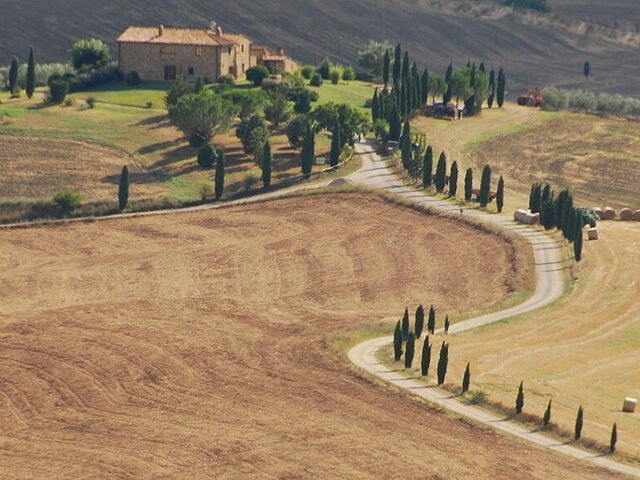
There are many reasons to visit Val d’Orcia: its landscapes, its history and its food specialties make tourists dream during their holiday in Tuscany. Maybe not everyone knows that this is also a perfect destination for cinema addicts! If you want to visit some locations of the most famous Hollywood films, an itinerary of cinema locations in Tuscany is what is right for you.
Many films have been shot in this region and each of them has underlined the beauty of the Tuscan countryside and villages.
Read more to discover which masterpieces have been filmed in Val d'Orcia and start planning your amazing tour!
Surely, one of the most successful films set in Val d'Orcia is Ridley Scott's "The Gladiator". The movie has been released 18 years ago, but it continues to enjoy an incredible success around the world, thanks to its excellent actors and the splendid
landscapes. The first scene shot in Val d'Orcia is the initial one, where two tragic deaths occur in the Gladiator's house. Do you remember the famous image of the hand stroking the wheat? Yes, it s taken from this part of the film! The second scene filmed here is the unforgettable finale, where the protagonist crosses a ripe wheat field to reunite with his family.
These two places can be easily found and visited by those who want to retrace the footsteps of the gladiator! The house is located in San Quirico d’Orcia: along the SP146 road that leads to Pienza, you will find on the left the gate of the Manzuoli farm. That's the entrance for the famous house! Instead, the landscape of the final scene is found in Pienza, at the end of a dirt road that descends from Pieve di Corsignano.
Another Oscar-winning film, "The English Patient" , was shot between Montepulciano and Pienza. The
protagonist, seriously injured, is treated in an abandoned convent near Pienza and stays in
Monastery of Sant’Anna in Camprena, which is currently a farmhouse. Most of the shooting
were carried out between Piazza Pio II in Pienza and the streets of Cosona, a fortified complex from the 1400s.
Many scenes from the film "Under the Tuscan Sun" were also shot between Montepulciano and Pienza, although the main location is the village of Cortona, located 30 km from Arezzo. In this movie, the landscape is both the protagonist and the magnificent scenery of the whole story!
Who hasn't seen a movie of the Twilight saga? Did you know that some scenes of "New Moon" were shot in Val d'Orcia? In the film, Edward Cullen decides to go visit the Volturi family in Volterra to end his life, as he believes that Bella is dead. However, "New Moon" was shot in Montepulciano and its Piazza Grande, because this location was more appreciated by the director.
Finally, we cannot forget to mention the great Tuscan director Franco Zeffirelli, who set his films "Romeo and Juliet" and "Brother sun sister moon" here. Walking along the main road of Pienza, you will plunge into the scenes of these famous films, imagining Juliet dancing in the courtyard of Palazzo Piccolomini and Mercuzio crossing Piazza del Duomo with Romeo. Instead, going to the Abbey of Sant’Antimo you will get immersed in one of the enchanting scenes of the film about Saint Francis
Are you ready to organize your itinerary to discover the locations of the best Hollywood movies? Book one of our properties in Val d'Orcia, like Villa San Michele and Casale Santa Francesca!
© Alice Pilastri
Read More
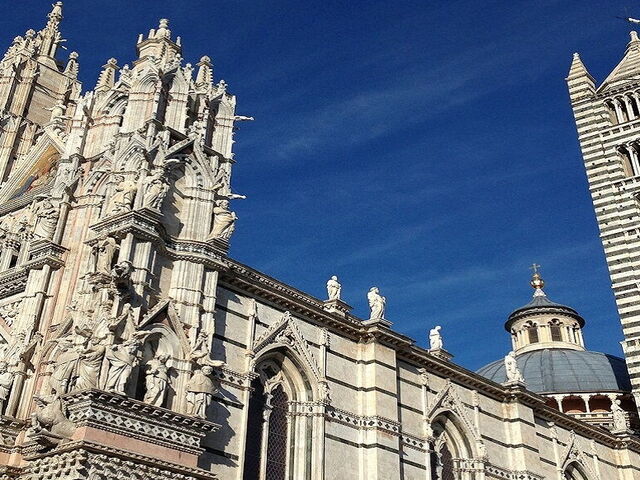
The Cathedral of Siena is definitely a must-see tourist attraction in town! The beauty of its exterio and the grandeur of this architectural work leave visitors speechless. Made entirely of white marble, with some decorations in red and green, the Cathedral dates back to the 13th century and is a perfect example of Italian Gothic style.
However, its beauty does not end outside: upon entering the Cathedral, visitors are surrounded by a series of infinite masterpieces, created by the greatest Italian artists. The part that certainly surprises the most is the magnificent floor in marble, a unique work in Italian art for its richness! From 17 August 2020 to 7 October 2020, the floor is uncovered and open to the public, who can visit it taking part to the unmissable guided tour organized by the Opera del Duomo of Siena.
Want to know more? Read on and find out how to book your visit!
The floor is not always open: this only happens in some months, while in the other periods it is possible to see only a part of it. In total, the floor has 56 squares, created between the fourteenth and nineteenth centuries by the greatest Italian artists. This immense iconographic program has seen the participation of Sienese artists, such as Sassetta or Domenico Beccafumi, but also of the Umbrian painter Pinturicchio.
In the fifteenth century, Giorgio Vasari defined the floor as "the most beautiful ... great and magnificent (pavement) that had ever been made" and, in fact, it is not difficult to understand why. Using the technique of marble intarsio and graffiti , the artists represented a symbolic journey based on the value of wisdom and on the celebration of the city. The mosaics cover the naves, the transept and the choir, plunging the visitor into a timeless story.
if you would like to book a visit to the floor of the Siena Cathedral, you must contact Opera del Duomo on +39 0577 286300 or write an email to opasiena@operalaboratori.com. The visit hours are from 10:30 to 18:00 from Monday to Saturday, while on Sundays the visits start at 9:30. Tickets can cost € 20 (for a visit to the roofs of the Duomo, the Duomo with uncovered floors, the Piccolomini Library, the Opera Museum with a view from the Facciatone, the Crypt and the Baptistery) , € 15 (for a visit to the Duomo with uncovered floor, the Piccolomini Library, the Opera Museum with a view from the Facciatone, the Crypt and the Baptistery) or € 8 (for a visit to the Duomo with an uncovered floor and the Piccolomini Library) .
Are you ready for your visit to the Cathedral of Siena? Organize a stay in Siena now and discover its most beautiful monuments! We sugget booking one of our splendid properties in the city, like Podere Orietta or Villa Capannino, to have an unforgettable holiday in Tuscany!
© Alice Pilastri
Read More
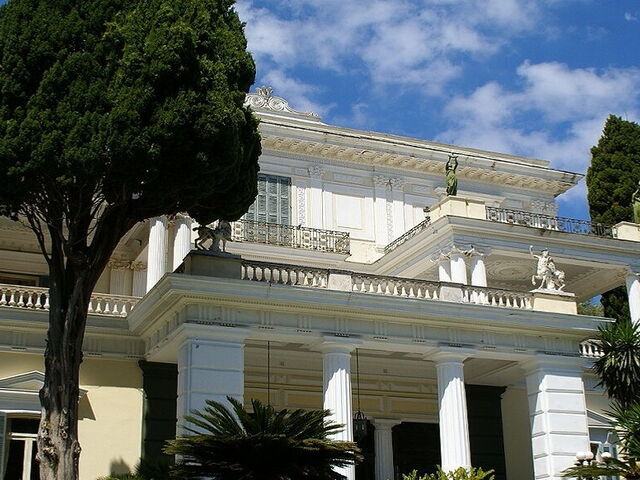
After visiting the historic center of Corfu, admiring its Venetian-style buildings and lovely alleys, all you need to do is leaving everything behind to take a road in the middle of nature. Once you get to the top of a green hill, an imposing white building surrounded by classical statues and columns will stand out before you.
On the gate you will be able to spot a golden lettering: "Achilleion".
Discover more about this unique attraction in Corfu and plan your fantastic visit!
Actually, this is not a palace like the others. Here, the Empress Elizabeth of Austria, better known as Sissi, spent her holidays and took a wonderful refuge to escape the strict rules of the Viennese court. In Corfu, she had found the ideal place to relax taking a break from the stressful Austrian life and she decided to purchase a villa with a wonderful view of the Gulf of Corfu. The villa was then demolished to make way for an imposing Pompeian-style building built by the Italian architect called Raffaele Caritto.
There had to be statues, columns and frescoes in order to recreate the atmosphere of Ancient Greece, which was so loved by the empress. The decoration of the palace was entirely conceived by Sissi herself, who decided to embellish the gardens with lawns, avenues and fountains. To guarantee her privacy, the property covered an area of 80 hectares and also had a secret access from the sea. It was completed in 1891 and named "Achilleion" in honor of the Homeric hero Achilles. In fact, the garden presents a statue made by Gustav Herter depicting Achilles dying in the act of removing the arrow from his heel. However, one of the most characteristic elements is the peristyle of the Muses, which is an Ionic-style portico decorated with the statues of the nine Muses and the three Graces.
In 1898, Sissi was killed and the palace passed into the hands of her daughter. She soon sold it to Kaiser William II, a great lover of ancient Greece. He replaced the dying Achilles statue with another one showing the hero in a victorious pose, which better suited to the German expansionist spirit of the time.
Over the years, the building has had many vicissitudes: during the First World War, it was a military hospital, while during the Second War it became a Nazi headquarter. Between the sixties and seventies it was a casino: did you know that some scenes of the James Bond film "Just for your eyes" were filmed here?
Since the 1980s, the Achilleion has became a wonderful museum to visit in Corfu. Visitors can enter the palace, walk in its gardens and admire the luxury rooms that still present the furniture chosen by Sissi and William II. The Achilleion is a splendid building where the Royal Austrian Family has left some valuable personal objects and a visit is always incredibly interesting. Also, the beautiful garden with its portico and marble statues is a perfect place to take photos!
Book your holiday in Corfu and plan a visit to the Achilleion Palace! Check out our selection of villas on the island, like Villa Jewel, Beach Villa Blue or one of the other properties in Corfu!
© Alice Pilastri
Read More