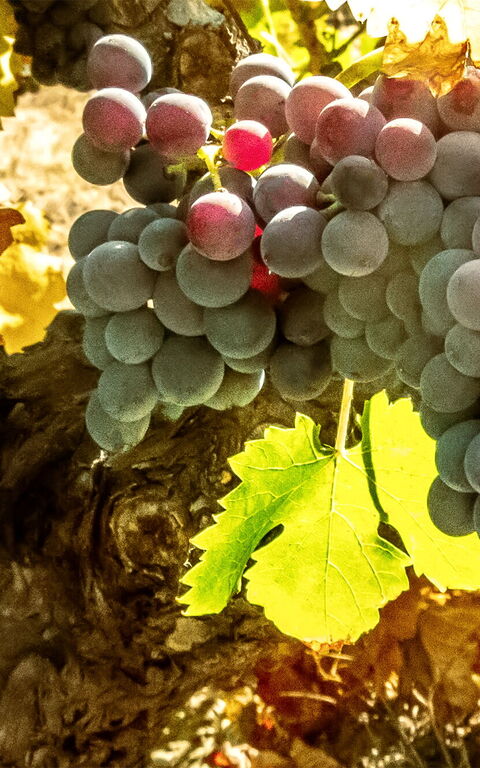
In Tuscany, the grape harvest is not merely gathering grapes but a memorable ritual —a land pulsing with life under the heat of the day and the hush of the evening breeze. In September, when summer gives way to autumn, the vineyards bloom into a communal scene where labor, flavors, and beauty converge in a centuries-old narrative.
In this article, you will find information on these topics:
- Yesterday’s Grape Harvest
- The Grape Harvest Today
- Territory and Taste
- The Grape Harvest as a Visitor
- Autumn Holidays in Tuscany
From Then to Today: The Grape Harvest and the Enduring Legacy of Ancient Traditions
Yesterday’s Grape Harvest: A Glimpse into the Ancient Beauty of Tuscany
For farmers, the grape harvest marked the year's most anticipated moment: a juncture to reflect on the season—its labor, weather-related risks, and lingering uncertainty—yet crowned by a satisfying sense of accomplishment. Severe weather, from brutal winters to scorching summers or sudden hail, could imperil the harvest as a whole.
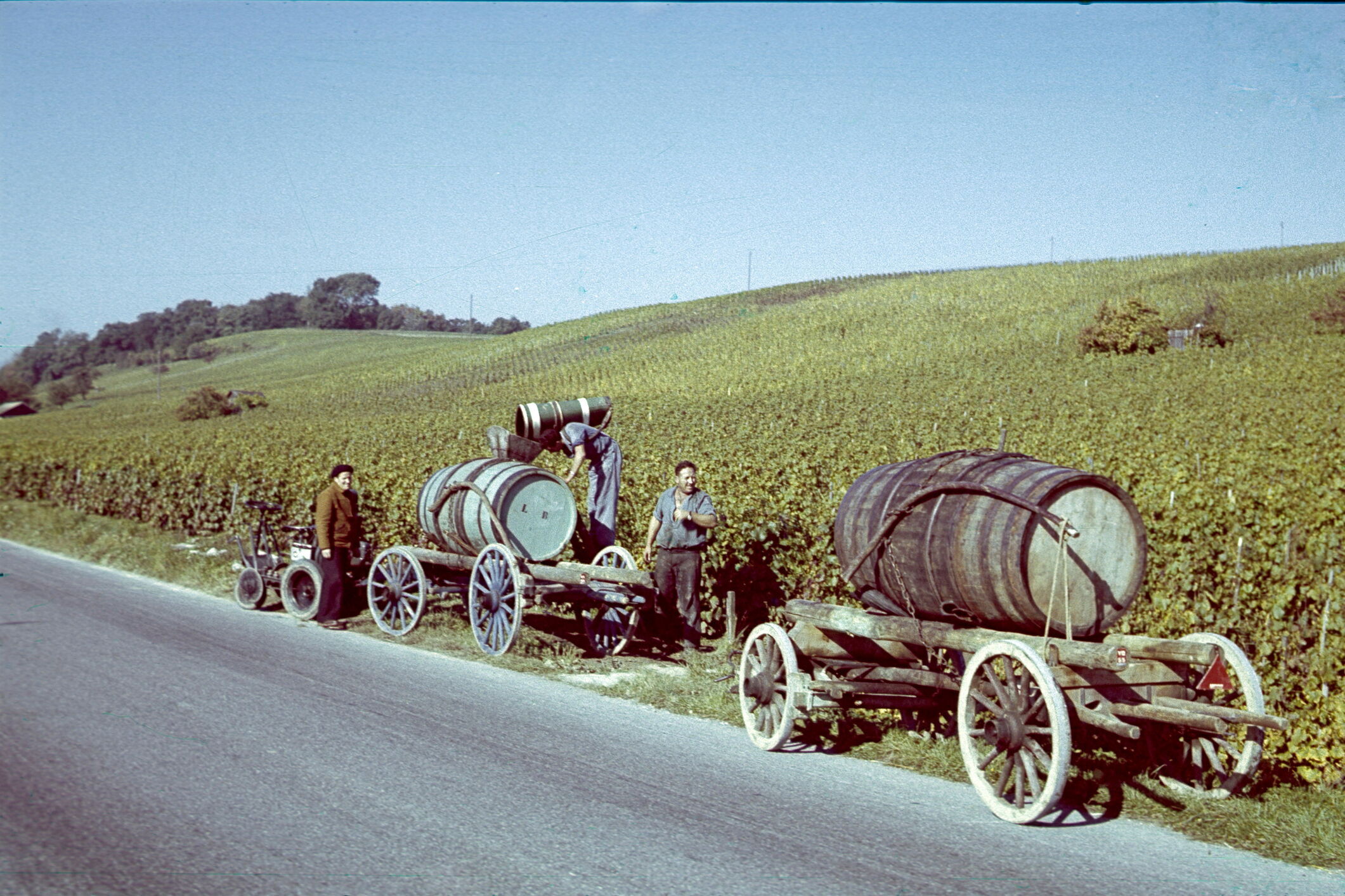
Work in the vineyard unfolded through a sequence of tasks: tending the vines, tidying the spaces between the rows, monitoring diseases, and managing weeds. At harvest, wooden tubs, baskets, and vats rode on ox-drawn carts, and at dawn entire families joined in the effort.
In the vineyard, the bunches were cut with scissors or sharp blades, gathered in baskets, and unloaded into vats, then trodden barefoot in tubs. The grape harvest was a shared labor of love, where lunch itself became a ritual as women and families brought food to sustain the day’s work, reinforcing a tradition of conviviality. This is the grape harvest of yesteryear: deep roots, participatory labor, and a memory that continues to inspire visitors to Tuscany seeking authentic wine tourism.
The Grape Harvest Today: A Balanced Blend of Tradition and Technology
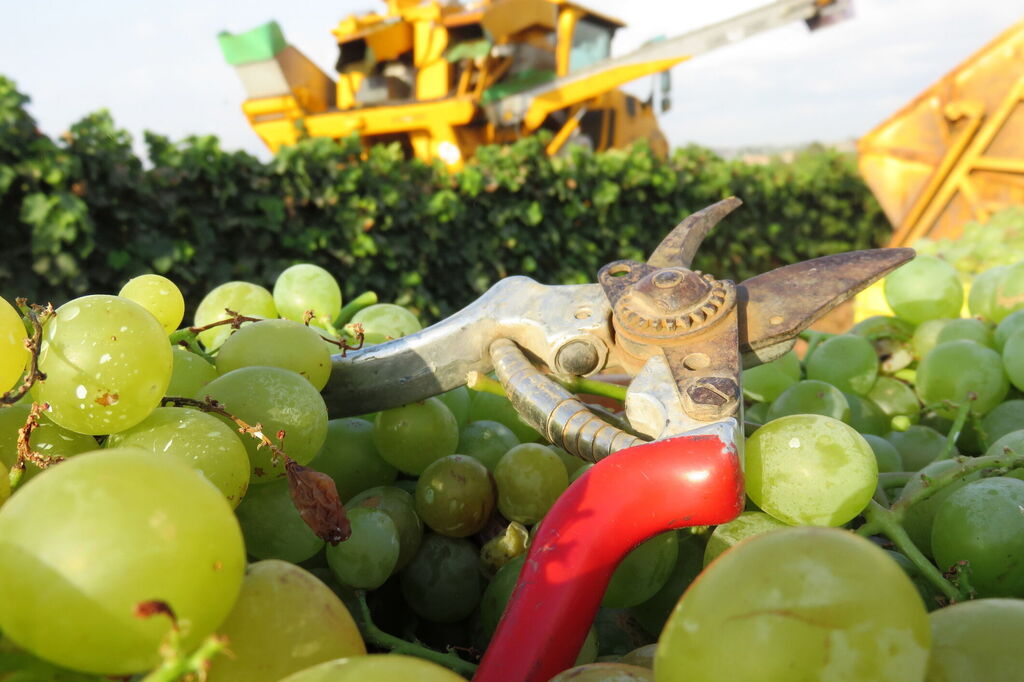
Harvesting methods have shifted toward mechanisation, ensuring steady quality, rapid picking, and the option to work at night, thereby lowering costs. Pressing is now predominantly mechanical, and technology is playing a larger role in the winery. With precision and safety at the forefront, these innovations optimise time and resources without compromising quality.
Today, winegrowers know that the balance between tradition and innovation is the key to a wine that authentically expresses the characteristics of the area while remaining efficient and responsible. Crushing and pressing can be mechanised, enabling delicate aroma extraction without compromising the wine’s integrity; filtration preserves clarity and organoleptic purity. Harvesters capable of suctioning grapes or shaking branches allow rapid, uniform picking, especially in large vineyards or where weather challenges persist. Technology does not create barriers between the land and those who visit to experience it; instead it safeguards quality from the very start, reducing time and waste without betraying the soul of the countryside.
Territory and Taste: The Vital Role of Terroir in Wine Production
The Tuscan climate defines the wine’s character from its roots: sea breezes sweeping the hills modulate summer temperatures, while mild winters and sunny summers nurture slow and controlled ripening.
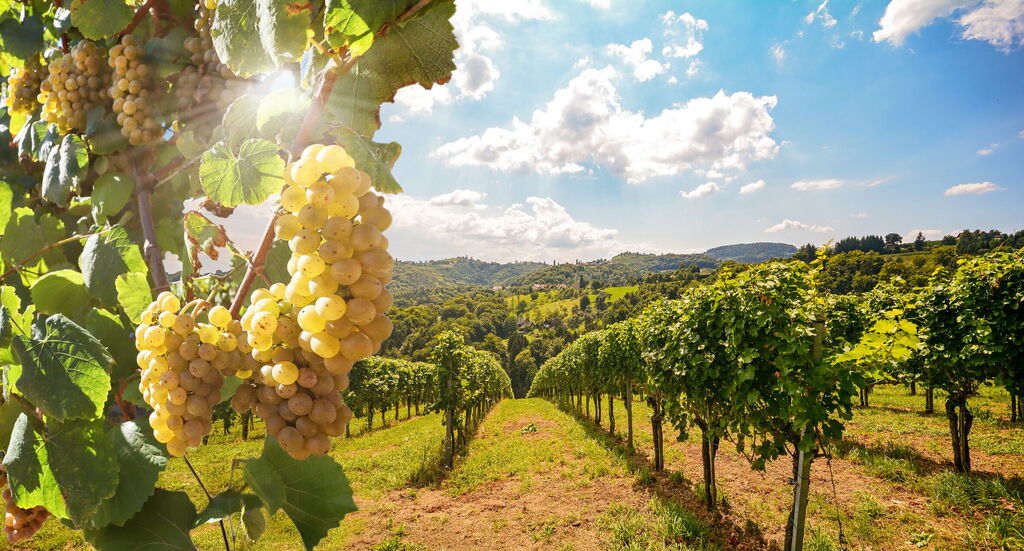
The vineyards are strategically positioned on sunlit slopes facing east and south, allowing for gradual maturation and balanced acidity. Moderate altitude provides the ideal balance between color, structure, and freshness, while distance from the sea mitigates winds and helps preserve delicate aromas.
The hilly topography, with its micro-zones, yields climatic variations that are valuable for quality: sunlight, filtered by the canopy, shapes complex aromatic profiles, and day–night temperature swings refine tannins and structure. The variety of Tuscan grapes is the key to understanding each vineyard: Sangiovese, heart of Chianti wines, expresses elegance and longevity, while whites such as Trebbiano and Vernaccia offer minerality and liveliness; Vermentino and other native varieties add freshness and savor.
Each vineyard reflects a unique geography, from Chianti to the hills of the Maremma, with different exposures that create distinctive taste profiles tied to the soil. The composition of the soil, whether clayey or sandy, influences the wine’s structure and, in synergy with climate, exposure and variety, helps produce long-lived, aromatic wines.
In Tuscany, viticulture and landscape coexist to tell a story of beauty and terroir, whose deep knowledge, refined over time, allows winemakers to adapt to climate change and offer visitors a panorama of wines that speak of geography, culture, and conviviality—enduring through the years.
Experience the Grape Harvest as a Visitor
Tuscany offers unique opportunities for those who want to immerse themselves in this season and witness the magic of the grape harvest first-hand. Imagine strolling between vine rows bathed in autumnal reds and golds, taking part in a harvest guided by experts who share techniques and trade secrets, and pausing for a meal in a cozy wine cellar where the story of that wine—from grape to glass—is told.
Your visit can unfold into a full-fledged holiday: stay in a rural farmhouse to live the experience from within, observe cellar work, join sensory-led tastings, and rediscover the harmony between land, people, and table.
For more information on how to participate in a grape harvest in Tuscany, visit: www.movimentoturismovino.it.
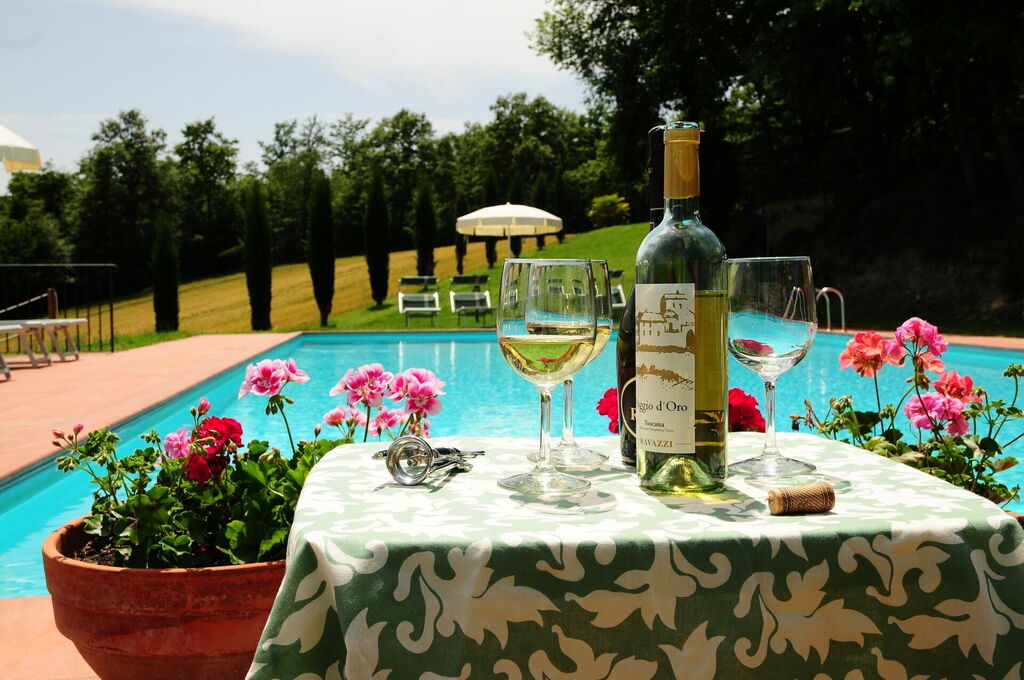
Why Choose a Holiday Home in Tuscany in Autumn
If you’re considering booking a house in Tuscany for this autumn, get ready for an authentic, immersive experience: not just observing, but savouring the grape harvest from a close, visitor’s perspective. Here’s why it’s worth it:
Authentic atmosphere: September and October bathe the landscape in soft light, with the scent of must and ripening vineyards as they approach final maturity.
Connection with tradition: Witness real harvest moments and enjoy convivial, local-food dinners, making the holiday a deeply experiential journey.
Rich wine tourism: Guided winery tours, meetings with producers, vertical tastings, and food-and-wine pairing courses offer deep, hands-on engagement with Tuscan wines.
Comfort and lifestyle: A countryside home lets you experience the Tuscan autumn at a relaxed pace, with scenic views, privacy, and seasonal cuisine.
If you’re looking for a house to rent during the harvest period, explore our selection of villas in wine-growing areas in Tuscany:
VILLAS IN WINE REGIONS