Florence isn’t just a destination; it’s an invitation to pause, listen, and linger. According to Travel + Leisure in an article published on July 8, 2025, Florence stands as Europe’s top travel pick, beloved by readers who seek beauty and experiences beyond a standard itinerary. For Travel + Leisure subscribers and readers alike, Florence tops the list of favourite European cities. ( 15 Favorite cities in Europe).
The city has long captivated travelers, writers, and poets, offering an inexhaustible source of inspiration and beauty. As Henry James wrote, “Florence is the most beautiful city in the world, a place of infinite inspiration.” It was true for Mark Twain, D. H. Lawrence, Charles Dickens, and many others, who lauded its art, history, and unique charm.
What makes Florence a top travel choice in Europe, and what do travelers love about it?
Florence has long drawn travelers—both past and present—because it embodies a distilled essence of beauty and history spanning centuries, as if the Renaissance were a continuous study in culture. It’s not merely a sight to behold but a destination to feel with every step, where every street invites curiosity and discovery. In the Romantic era, the city’s dense collection of masterpieces, its stone-lined streets, and the sites where art and conversation intertwined drew admirers. The cultural atmosphere—alive in cafés, theatres, and literary salons—paired with a palpable sense of rebirth and memory, rendered Florence a living history workshop. To many, Florence remains an inexhaustible muse, capable of turning any visit into a journey into the soul of Western civilization.
Florence’s masterpieces are still everywhere today: visible on streets, squares, and palaces, and echoed in the courtyards, alleys, and the air that feels steeped in thousand-year memories. Walking the historic center is like strolling through an open-air museum, where every corner tells a story and every photo captures a fragment of perfection. But the city is more than art: Tuscan cuisine, bustling markets, world-renowned shops, secret gardens, and a richly varied cultural calendar all contribute to a destination that satisfies diverse tastes and offers both sensory and intellectual delights at every turn. Summing up Florence’s wonders is a challenge; this must-see list by theme aims to guide while recognizing that any snapshot remains partial and that Florence offers endless paths of discovery.
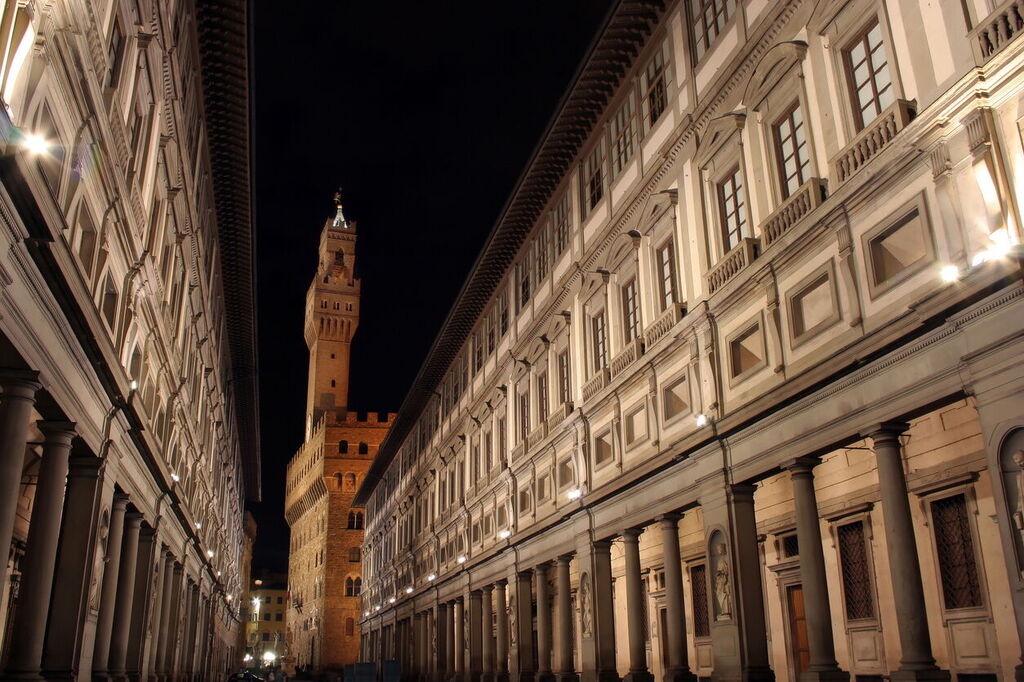
Museums: The Uffizi Gallery
Florence’s art treasures are everywhere, and none stand out more than the Uffizi Gallery. Inaugurated in 1581 and designed by Giorgio Vasari for Cosimo I de’ Medici, the Uffizi is among the world’s most important artistic institutions and helped establish Florence as the Renaissance’s capital of painting. The collection spans masterpieces by Botticelli, Leonardo, Michelangelo, Titian, Raphael, Caravaggio, and Rubens, offering a deep dive into history, religion, and human beauty. For the best experience, book your tickets online to skip the queues and choose morning or late afternoon visits. Plan about 1.5–2 hours for a focused tour, or more if you want to explore in depth. The route begins with iconic works like The Birth of Venus and The Primavera, then moves to less crowded pieces that offer a thoughtful interpretation of the Renaissance.
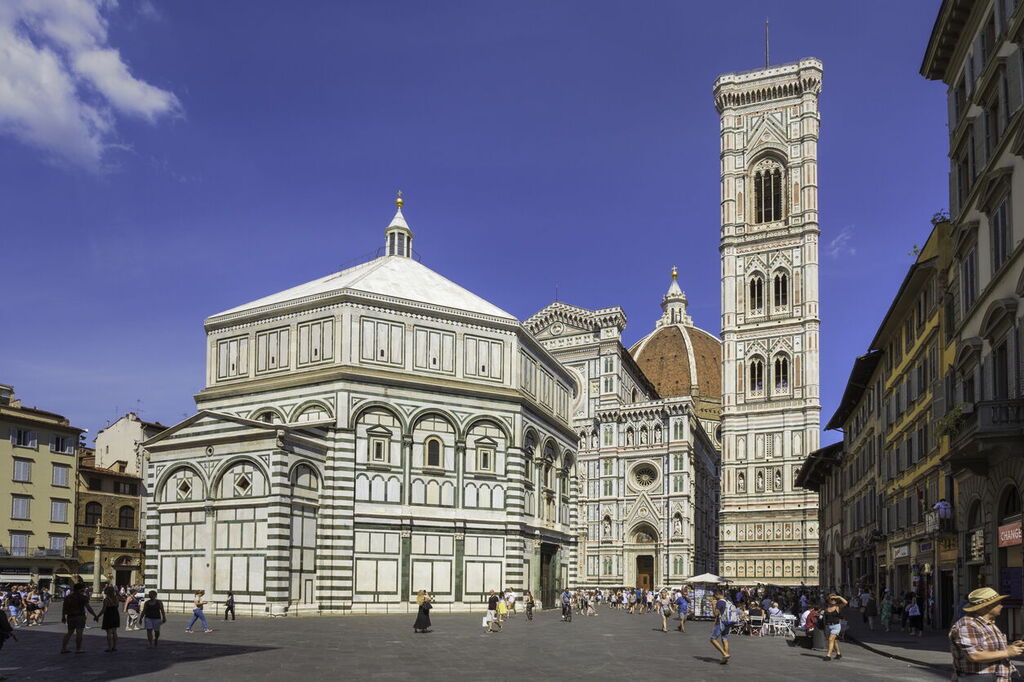
Monuments: The Duomo, Giotto's Bell Tower and the Baptistery
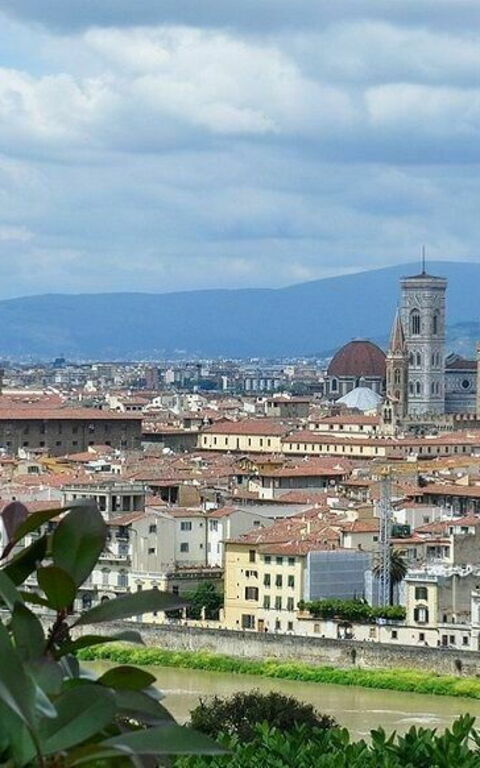
Florence’s Cathedral complex is a must-see for any visitor, especially in a single-day itinerary. The Cathedral of Santa Maria del Fiore, crowned by Brunelleschi’s iconic dome, rises above the city alongside Giotto’s Bell Tower and the Baptistery of San Giovanni (The Dome of Florence). This ensemble, the symbol of the Renaissance, dominates Florence’s skyline, and climbing the dome offers a breathtaking view of the historic center. Next to it, Giotto’s Bell Tower dazzles with marble decorations and sweeping city vistas, while the Baptistery captivates with brilliant mosaics and the legendary Porta del Paradiso. Together, they form a seamless itinerary that showcases Florence’s extraordinary art, engineering, and timeless beauty.
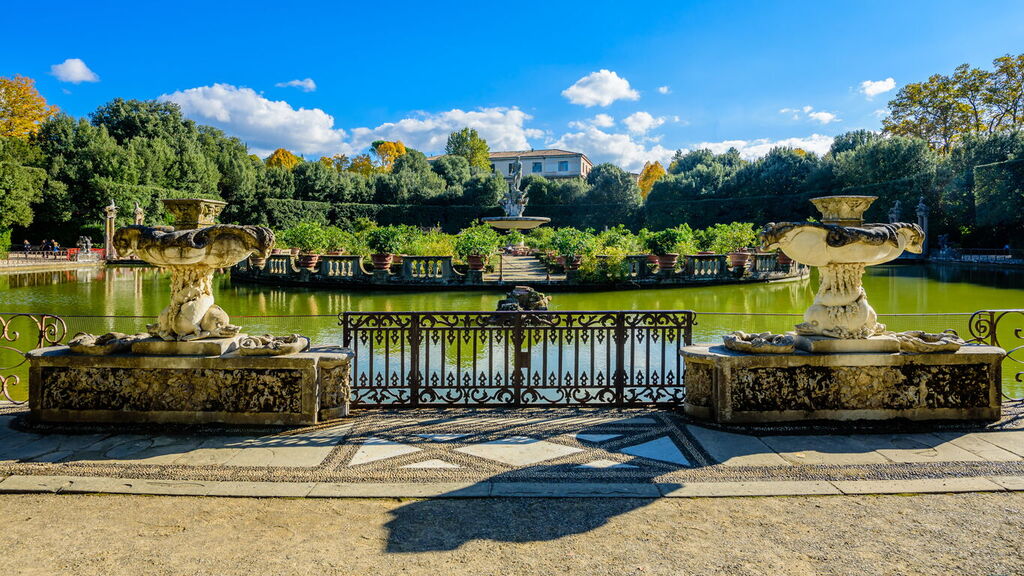
Parks: The Boboli Gardens
Florence’s historic streets invite leisurely discovery, while you’re enjoying an ice cream (Gelateria Grom). Along the way you’ll encounter iconic monuments such as the Ponte Vecchio, Palazzo Pitti, the Church of Santa Maria Novella, the Church of Santa Croce, and Palazzo Vecchio. Even admiring them from the outside offers a unique, unforgettable experience. For those who prefer outdoor time, the Boboli Gardens behind the Pitti Palace provide a Renaissance-era park setting with panoramic terraces, statues, fountains, grottoes, and sweeping views of the city. Its avenues, fountains, and hidden corners offer a green, atmospheric retreat ideal for contemplative walks and dramatic city vistas.
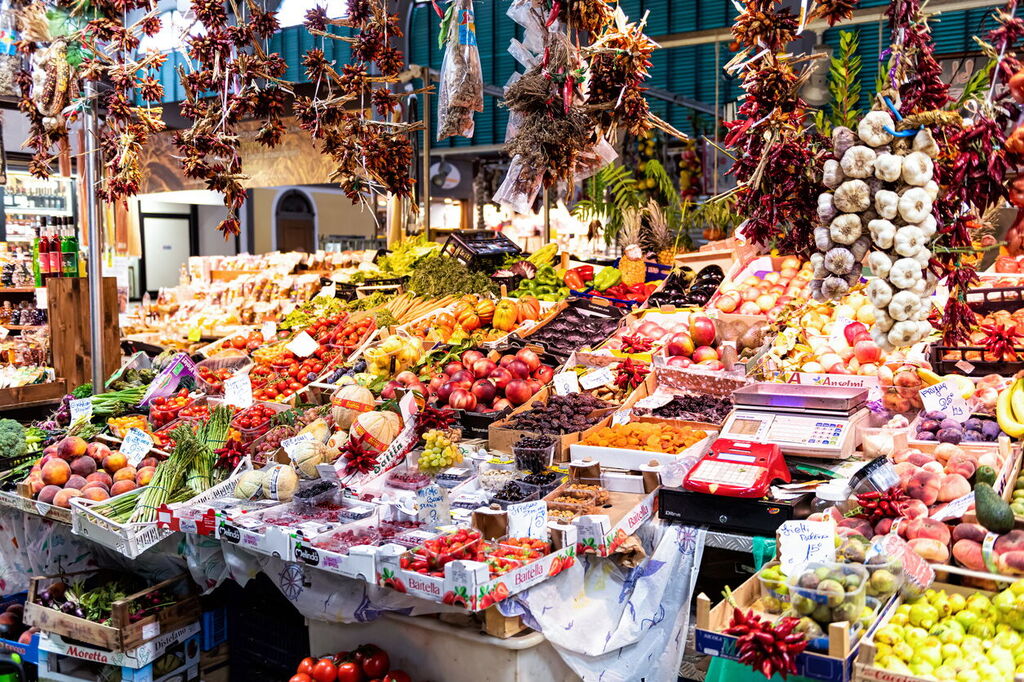
Cuisine: The San Lorenzo Market
San Lorenzo Market (www.mercatocentrale.it) is one of Florence’s liveliest centers in the heart of the city, located between the SMN railway station and the historic market district. Founded in the 19th century as a food market, today it brings together stalls, shops selling Tuscan specialties, and small workshops where you can feel the air of local tradition. Fruit and vegetable stalls burst with seasonal produce and color, but the true draw is the culinary bounty: cheeses, cured meats, extra-virgin olive oil, truffles, porcini mushrooms, and a wide array of regional specialties such as new olive oil, cantucci biscuits, and local desserts. Nearby shops and taverns offer traditional dishes and authentic tastings, making this area an ideal stop to savor local cuisine in a lively, authentic setting.
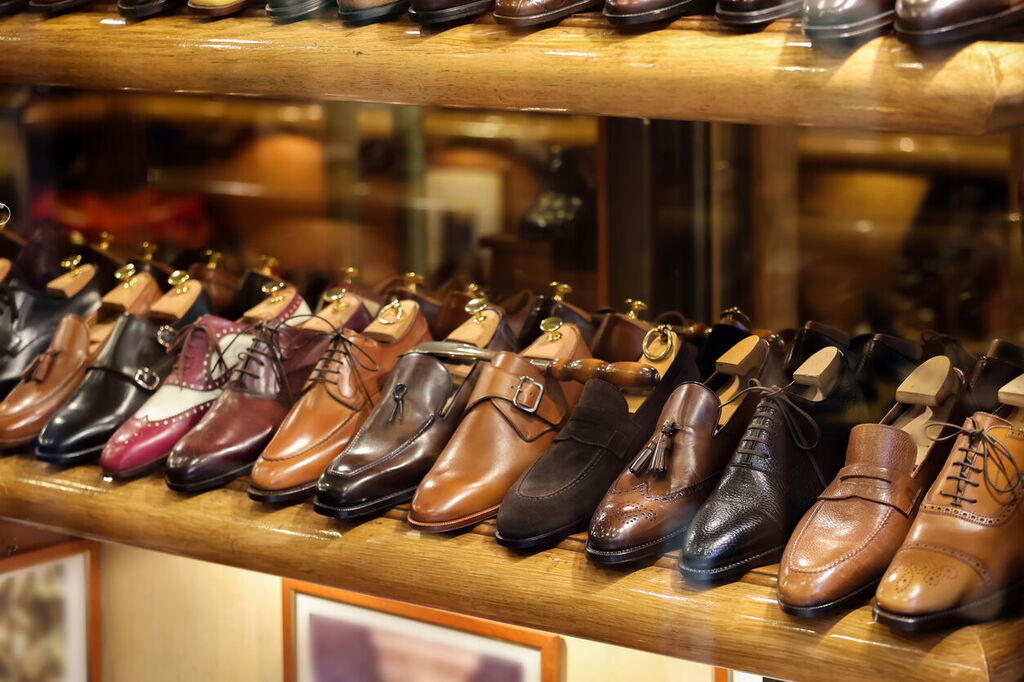
Fashion and Shopping: Via de’ Tornabuoni e Oltrarno
Florence fashion is a journey through high-end craftsmanship, textile history, and brands that have shaped the city’s style. Visitors can enjoy luxury boutiques as well as authentic experiences focused on leather, suede, and niche prêt-à-porter. Strolling along Via de' Tornabuoni and the surrounding streets, amid international boutiques and historic ateliers, you’ll feel Florentine elegance and discover the city’s keywords: luxury, craftsmanship, and timeless style. In the Oltrarno district, you’ll find numerous artisan workshops—leather studios, leather goods, jewelry, and bespoke clothing. Visitors can tour ateliers, watch the manufacturing process, and even order unique pieces.
Culture: The Pergola Theatre
Florence’s Teatro della Pergola ( www.teatrodellatoscana.it) is a must-visit cultural landmark in the heart of the city. One of Italy’s oldest and most captivating theatres, it was founded in 1655 at the request of the Medici family. It began as an open-air theatre and over the centuries was transformed and restored, arriving at its current configuration in the 19th century: a grand interior hall, a solid stage, and a stalls area welcoming audiences of all ages. The theatre’s international lineage—hosting artists and companies from across Europe—has helped cement Florence as a cultural hub not only of the Renaissance but also of the contemporary world.