Archive for "Travel Tips"
Planning a trip to Italy? Browse and read our useful and informative articles about the endless range of attractions and experiences in this lovely country.
Travel through the beauties of Italy with us. Visit our blog!
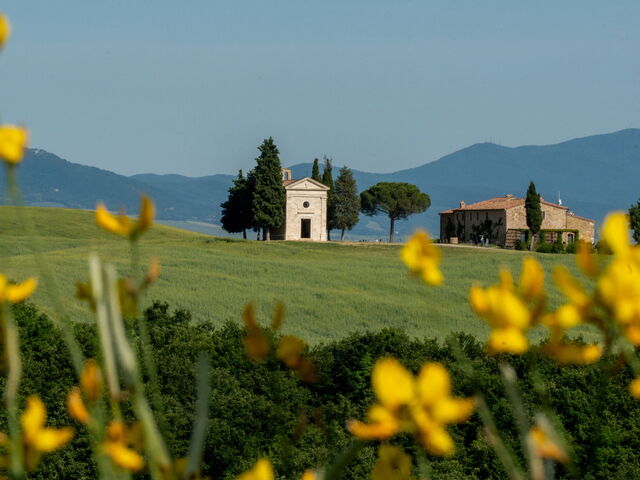
Easter marks the beginning of spring in Tuscany, but without the intensity of summer. It is one of the most pleasant times to discover the region, when villages fill with flowers, Holy Week processions wind through stone streets, and families gather around simple seasonal meals. The hills glow with fresh green, artichokes and young pecorino cheese appear in the markets, and the cities seem to slow down while preserving centuries-old rituals. Between March and April, the weather becomes part of the experience: clear days with mild temperatures around 18–22°C alternate with cool mornings and occasional passing showers. The countryside is at its most beautiful, with vineyards just beginning to sprout and fields glowing with intense green.
Easter traditions in cities of art
In Tuscany’s historic cities, Easter takes on a distinctive character: religious celebrations unfold among remarkable architecture, squares become natural gathering places, and traditions that date back centuries continue to shape everyday life. Visiting cities such as Florence, Siena, or Lucca during the Easter period offers the opportunity to observe a living cultural heritage expressed through gestures, rituals, and local customs.
Florence: The most famous moment is the Scoppio del Carro (Explosion of the cart), a tradition that takes place on Easter morning in Piazza del Duomo. A 17th-century pyrotechnic cart is ignited by a mechanical “colombina” (dove) that travels from the altar of the Cathedral, triggering a fireworks display considered a good omen for the year. The event is deeply rooted in the city’s medieval history.
Siena: Easter has a more intimate atmosphere here. Celebrations in the Cathedral, one of the finest examples of Italian Gothic architecture, are experienced with quiet participation and devotion. The city, less crowded than in the summer months, allows visitors to follow the religious rites and stroll through Piazza del Campo at a relaxed pace.
Lucca: enclosed by Renaissance walls, it offers a harmonious setting for Holy Week. Churches in the historic center host celebrations and concerts of sacred music, while processions move through the ancient streets. The atmosphere remains sober and naturally integrated into the rhythm of the city.
Landscapes and trails during Easter
While the cities celebrate Easter through rituals and architecture, the Tuscan countryside expresses it through light and open space. Between March and April, temperatures are mild, colors grow more vibrant, and the trails are still quiet. It is an ideal moment to spend time outdoors and observe the landscape as it gradually returns to life.
Maremma Natural Park: in the Maremma Natural Park, among Mediterranean scrub and coastal watchtowers, trails lead to the abbey of San Rabano, medieval ruins set among the hills of the Uccellina range. Walks with sea views, gentle paths, and local wildlife create a varied experience far from the busiest tourist routes.
Crete Senesi: south of Siena, the Crete Senesi unfold in rolling hills and white gravel roads that turn green in spring. It is an ideal landscape for scenic walks, cycling routes, and quiet stops near isolated churches and rows of cypress trees, with wide horizons and very few settlements.
Casentino: in the Foreste Casentinesi National Park, visitors can explore vast forests, ancient abbeys, and historic hermitages. Here, Easter can become a journey through nature and spirituality in a quieter and more contemplative setting.
Beaches and coastal villages at Easter
The Tuscan coast reveals a different character at Easter compared with the summer months. The beaches are wide and quiet, beach establishments begin to reopen, and the sea reflects a clear spring light. It is the perfect time to walk along the shore, stop at a restaurant overlooking the sea, and enjoy the landscape of pine forests and cliffs without the summer crowds.
Viareggio: with its Art Nouveau seafront and the Passeggiata Margherita promenade, it offers a pleasant setting for walks and time spent outdoors. The Apuan Alps in the background and the first mild temperatures create a harmonious balance between sea and city.
Castiglioncello: known for its cliffs and small coves, it combines natural beauty with a cultural history linked to 19th-century painting. It is an ideal destination for those seeking open sea views and a more intimate atmosphere than larger seaside resorts.
Punta Ala: located on the Maremma coast, it offers sandy beaches, pine forests, and a well-organized marina. The atmosphere is peaceful, perfect for a relaxing spring break by the sea.
For more information on the beaches of Tuscany, read our article: The 5 most beautiful beaches in Tuscany.
Traditional Easter desserts and specialties
In Tuscany, Easter is also celebrated at the table. It is a celebration of traditional Easter baking, the aromas of anise and citrus, and recipes passed down through generations and still prepared today in historic bakeries and artisan pastry shops. Alongside savory dishes, desserts best express the region’s Easter traditions.
Grosseto: in the Maremma area, the star of the table is the schiacciata di Pasqua, a tall and soft cake flavored with anise and citrus zest, the result of a long rising process. In Grosseto, it can still be found in bakeries in the historic center, often served with vin santo or a local sweet wine.
Arezzo: here the Easter ciambella is common, more compact and fragrant, sometimes decorated with sugar sprinkles. The pastry shops between Piazza Grande and the surrounding medieval streets offer artisanal versions that fit naturally into a day spent exploring the city.
Pisa: in addition to sweet schiacciata, artisanal colombe prepared with local ingredients such as Tuscan honey or candied oranges can also be found. The cafés along the Lungarni offer a pleasant break surrounded by architecture and tradition.
If you want to discover other typical desserts served at Easter in Italy, read our article 6 Typical Desserts to Try at Easter.
Villages celebrating Easter
With the arrival of spring, village squares come back to life. During Easter, many Tuscan villages host seasonal markets, local fairs, and events dedicated to regional products. These are not large festivals but simple occasions to meet local producers, artisans, and families. Walking among the stalls offers a direct glimpse of everyday life in Tuscany.
Colle di Val d'Elsa: in the upper historic center, among medieval alleys and views over the Val d'Elsa, spring markets dedicated to crafts and local specialties appear. Fresh pecorino cheese, honey, and Easter desserts can be found in a welcoming setting far from the crowds.
Greve in Chianti: the triangular square comes alive on weekends with food stalls and tastings. Between Chianti Classico, cured meats, and extra virgin olive oil, a visit takes on the rhythm of an informal outdoor food-and-wine tour.
Vinci: in Leonardo’s birthplace, the markets have a more rural character. Seasonal farm products, homemade desserts, and small handicrafts are set within a hilly landscape that invites visitors to pause and enjoy a slower moment between culture and countryside.
Alternatives to outdoor activities
Spring rain in Tuscany does not interrupt a trip; it simply changes its pace. The stones of historic centers reflect the light, the squares grow quieter, and indoor spaces become more inviting. If the sky is overcast between March and April, it becomes an opportunity to discover another dimension of the region.
The cities of art offer many alternatives: the Siena Cathedral complex, the rooms of Palazzo Pitti in Florence, and the churches and towers of San Gimignano with their frescoes. With fewer visitors than in summer, these places can often be explored in a calmer and more focused atmosphere.
The rain also invites visitors to pause and take a break. In the cellars of Chianti or Montepulciano, guided tastings are organized, accompanied by stories about the land and the traditions of wine production. Historic villas open their doors, while cooking schools offer courses dedicated to fresh pasta or traditional Easter desserts.
Easter in Tuscany can also be a time to slow down: between the end of winter and the beginning of the warmer season, spas offer a place to relax and regain balance. Warm outdoor pools in April create a pleasant contrast with the cool air and the landscape that is gradually turning green again. If you would like to learn more about spas in Tuscany, read our article on Free Natural Spas in Tuscany.
Even under cloudy skies, Tuscany remains captivating. The light changes, the pace changes, but the experience remains the same.
Choosing the right vacation home for Easter in Tuscany
Planning Easter in Tuscany also means choosing the vacation home that best suits your travel style. Whether you prefer a villa in Maremma, a house in Chianti, a stay near a city of art such as Florence or Siena, or a property along the Tuscan coast, the region offers many options for a spring weekend or a longer holiday. Posarelli Villas offers a curated selection of villas for rent in Tuscany, including vacation homes with private pools, historic residences, and charming houses surrounded by vineyards and olive groves.
Staying in a vacation home at Easter allows you to organize your Easter lunch in your own fully equipped kitchen, relax in the garden or by the pool, and return to a private space after excursions, wine tastings, or cultural visits. With a well-located vacation rental, it is easy to take part in Easter events and traditions in the villages, explore the hills of Chianti, enjoy a walk by the sea, or discover local spring markets. Easter in Tuscany becomes an authentic experience to be enjoyed with freedom, comfort, and the natural rhythm of the season.
Read More
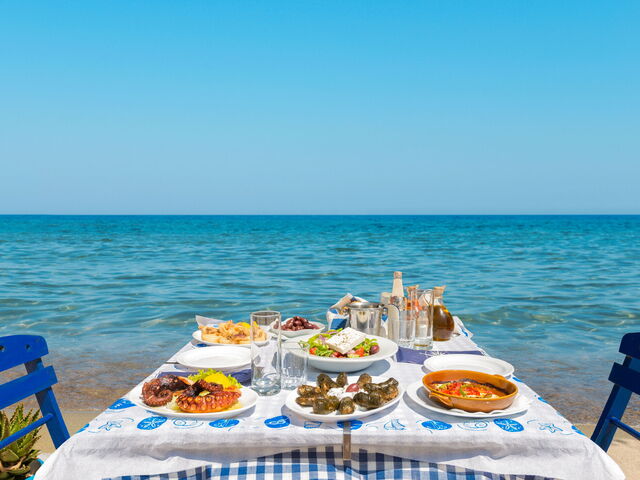
According to TasteAtlas, Greek cuisine ranks second among the best cuisines in the world, surpassed only by Italian cuisine. This recognition captures the true culinary spirit of the country: Greek gastronomy stands out for an apparent simplicity that is in fact based on high-quality ingredients and a strong focus on seasonality. Food culture in Greece goes far beyond simple nourishment. It represents sociability, tradition, and a deep connection to the local region. Fresh products, regional specialties, and time-honored recipes come together in an authentic culinary experience that invites visitors to immerse themselves in the Mediterranean lifestyle and turns every meal into a special moment.
For those planning an unforgettable vacation, there is another noteworthy highlight: the island of Crete has been recognized by TasteAtlas as one of the world’s leading gastronomic travel destinations. This recognition is not driven by passing trends, but by a deeply rooted and authentic food culture that has shaped everyday life on the island for generations. Visitors discover a cuisine full of character and rich flavors. Fresh, local ingredients take center stage in every meal: high-quality olive oil, sun-ripened olives, traditional cheeses, and carefully selected wines form the foundation of many specialties. Each dish becomes a flavorful journey through Crete’s landscapes, history, and way of life.
A Thousand-Year Mosaic: History and Influences of Greek Cuisine
Greek cuisine is one of the oldest in Europe and has developed over the centuries into a rich mosaic of flavors and traditions. Shaped by the mild Mediterranean climate, the unique geography of the islands, historic trade routes across the Mediterranean, a culinary culture emerged that has preserved its authenticity to this day. As early as antiquity, the famous “triad” of grains, olive oil, and wine formed the foundation of the diet, complemented by legumes, freshly caught fish, seasonal vegetables, aromatic wild herbs, and high-quality dairy products. In Greece, however, food has never been merely about sustenance. Meals have always been an expression of community, tradition, and cultural identity. This spirit is still visible today in lively tavernas, long family meals, and the warm hospitality visitors experience throughout the country. Every dish tells a story, blending flavor with living tradition.
Over the centuries, Greek cuisine has absorbed numerous influences while maintaining its distinctive identity. Spices and dried fruits from the Middle East and the Persian world enriched local flavors, while the Roman and Byzantine heritage refined baking and preservation techniques and helped shape a cheese-making tradition that remains important today. During the Ottoman era, specialties such as meze and syrup-based desserts became part of the culinary landscape. Meze refers to a variety of small dishes served as appetizers, ranging from marinated olives to stuffed grape leaves. They represent a shared dining experience where enjoying food together is central. Sweets made with flatbread and aromatic syrup tell stories of cultural exchange over the centuries. Even the well-known Tzatziki – a refreshing blend of yogurt, cucumber, and garlic – reflects these historical connections, as its name derives from the Turkish word “cacık.”
The Greek islands in particular absorbed Venetian and Italian influences over the centuries, developing their own culinary nuances and terminology. Pastitsio, for example, is now a staple of Greek cuisine, yet its roots lie in Mediterranean cooking traditions where layers of pasta, savory minced meat, and creamy béchamel sauce are combined into a harmonious dish.
The result is a cuisine with a clear identity: olive oil plays a leading role, local ingredients take center stage, aromatic herbs add depth to every dish, and sociability lies at the heart of the dining experience. Every bite reflects centuries-old traditions, the meeting of land and sea, and an approach to food that engages all the senses.
Greek Ingredients: The Foundation of a Timeless Cuisine
The true strength of Greek cuisine lies less in elaborate preparation and more in the quality of its ingredients. When olive oil is authentic, tomatoes are ripe and harvested in season, and cheese is produced using traditional methods, even simple dishes offer balanced and distinctive flavors.
Olive oil forms the foundation of this culinary tradition. It is not merely a seasoning, but a central element of daily nutrition, closely linked to agriculture and the landscape. On Crete in particular, it plays a key role in regional cooking. Olives themselves are equally important, especially the well-known Kalamata olives. With their firm texture and intense flavor, they exemplify the quality and authenticity of many Greek products.
When it comes to cheese, Greece also offers a wide and long-standing tradition. Feta is the most famous variety and has been aged in brine for centuries. Today it is a cornerstone of Greek cooking, used not only in the classic Greek salad but also in savory pies, baked dishes, and a variety of fillings. Alongside Feta, other cheeses play an important role, including Kasseri, Kefalotyri, and Manouri. Each of these specialties has its own flavor profile and typical culinary uses, reflecting the regional diversity and artisanal heritage of Greek cheesemaking.
Graviera, one of Greece’s most important hard cheeses, deserves special mention. On Crete, Graviera Kritis is associated with high quality. It is mainly produced from sheep’s milk, sometimes blended with goat’s milk, and is known for its aromatic, slightly nutty flavor that works well both on its own and in cooked dishes. Also well known is Graviera from Naxos, appreciated for its milder, more buttery profile. This variety is made from cow’s milk and differs clearly from the Cretan versions.
Two other ingredients with strong regional identity are also central to modern Greek cuisine. Greek yogurt gains its thick and creamy texture through a special straining process. It is versatile and appears in both savory dishes and desserts, often paired with honey and nuts. Equally well known is the pistachio from Aegina (Fystiki Aeginas), a product closely tied to its place of origin. Its intense aroma and long cultivation tradition make it a valued specialty.
These ingredients highlight how deeply Greek cuisine is rooted in regional products, traditional production methods, and a food culture where enjoyment and togetherness are closely connected.
The Great Classics: Greek Flavors Between Taverns and Everyday Life
Greek cuisine is internationally known for several iconic dishes distinguished by clear flavors and straightforward, time-tested preparation. Gyros and Souvlaki are among the best-known specialties and represent an approachable, everyday food culture enjoyed both at street stands and in traditional taverns. Gyros usually consists of pork or chicken cooked on a vertical rotisserie, sliced thin, and served in soft pita bread. Typical accompaniments include tomatoes, onions, and Tzatziki, a yogurt and cucumber sauce with garlic. Souvlaki, on the other hand, refers to marinated meat skewers that are grilled and often served with bread, vegetables, or salad. Both dishes are integral to daily Greek cuisine and show how enjoyment, sociability, and simple ingredients come together.
Moussaka is one of the most well-known baked dishes in Greek cuisine. It typically features layers of eggplant, seasoned minced meat, and a golden-brown béchamel sauce. In many households, it is traditionally prepared for shared meals and is considered a classic family dish. The combination of ingredients creates a balanced interplay of textures and flavors: the eggplant absorbs the seasoning of the meat and tomato sauce, while the béchamel adds a creamy structure that harmoniously brings the layers together.
The Greek salad, also known as Horiatiki, perfectly represents the core principles of Greek cuisine: few ingredients, clear flavors, and careful selection of high-quality products. Ripe tomatoes, fresh cucumbers, red onions, Kalamata olives, and Feta come together in a balanced combination of freshness, acidity, and savoriness. The quality of each component is essential to the final result. In its simplicity, this salad reflects the importance of seasonal ingredients and regional products and is a staple of everyday food culture in Greece, especially during the warmer months.
Many other traditional dishes also shape Greek cuisine. Spanakopita is a savory pie made with phyllo dough and filled with fresh spinach and Feta. The thin, crisp layers of pastry and the aromatic filling highlight the craftsmanship behind many classic recipes. Gemista, vegetables such as tomatoes or peppers stuffed with rice, herbs, and spices, reflect the close connection to seasonal agriculture. Equally typical are Horta, a variety of wild greens that are boiled and seasoned with olive oil and lemon. These simple preparations show how strongly everyday Greek cooking is influenced by regional plants, fresh ingredients, and straightforward flavors.
What Can You Eat on Crete, One of the Leading Culinary Destinations?
Crete’s cuisine holds a special place within Greece. It is characterized by simple preparations, high-quality local ingredients, and a strong connection to the island’s agricultural traditions. A balanced combination of vegetables, legumes, grains, herbs, cheese, and olive oil is typical, complemented by fish along the coasts and meat dishes inland.
A central element is extra virgin olive oil, used generously and giving many dishes their distinctive depth. Even simple meals based on vegetables or legumes gain a rounded, full flavor from it. Wild greens, grouped under the name Horta, are also typical. They are usually boiled and served with olive oil and lemon, representing the island’s close ties to nature. This cuisine is further enriched by regional cheeses such as Graviera and Myzithra, used both fresh and aged.
The culinary diversity is also reflected geographically: along the coasts, fish dishes dominate, while in the mountainous interior, legumes, stews, and grilled meats are more common. These differences mirror the island’s varied landscapes and make its regional cuisine particularly diverse.
Another key aspect is the strong presence of food culture in daily life. Local markets, small bakeries, artisanal producers, and family-run taverns shape the culinary scene. Fresh, seasonal products are central, and meals are traditionally enjoyed in a shared, relaxed atmosphere. On Crete, food is not just about nourishment, but an integral part of social and cultural life.
Low-Cost Dining on Crete: Enjoy Authentic Cuisine on a Budget
Those who want to experience authentic Cretan cuisine do not need to plan a large budget. With a few simple tips, it is possible to eat well and enjoy local flavors at affordable prices.
Choose small eateries and beach bars: Away from traditional restaurants, simple spots, kiosks, and beach bars often offer sandwiches, salads, and warm snacks at moderate prices. Service is usually quick and informal, especially during the day.
Follow local recommendations: Advice from residents often leads to family-run taverns with fair prices and traditional cooking, away from heavily tourist-oriented areas.
Visit local markets: In cities like Chania and other towns across the island, you can find fresh, seasonal products at reasonable prices. Markets are also a great way to discover typical ingredients and local specialties.
Choose traditional Cretan dishes: Traditional meals are often based on simple regional ingredients and are moderately priced. One example is Dakos, a salad made with tomatoes, olive oil, herbs, and dried bread, considered a light and authentic option.
Ask about daily specials: Many taverns offer daily dishes prepared fresh and offering good value. These meals are often based on seasonal ingredients. < br>
In this context, PosarelliVillas offers a selection of vacation homes on Crete that provide an ideal starting point for exploring the island’s sea, culture, and nature, as well as its diverse cuisine. A comfortable yet authentic accommodation allows you to discover the island independently and explore lesser-known places. Away from the main towns, roads lead to traditional inland villages, secluded beaches, and small taverns where regional dishes are prepared according to long-standing recipes. In this way, a trip to Crete becomes an opportunity to experience local lifestyles and culinary traditions firsthand.
If you would like to discover Greece, and Crete in particular, we invite you to find your ideal vacation home by simply clicking the button below:
VACATION HOMES IN CRETE
Read More