Archive for "Travel Guide to Italy"
Planning a trip to Italy? Browse and read our useful and informative articles about the endless range of attractions and experiences in this lovely country.
Travel through the beauties of Italy with us. Visit our blog!
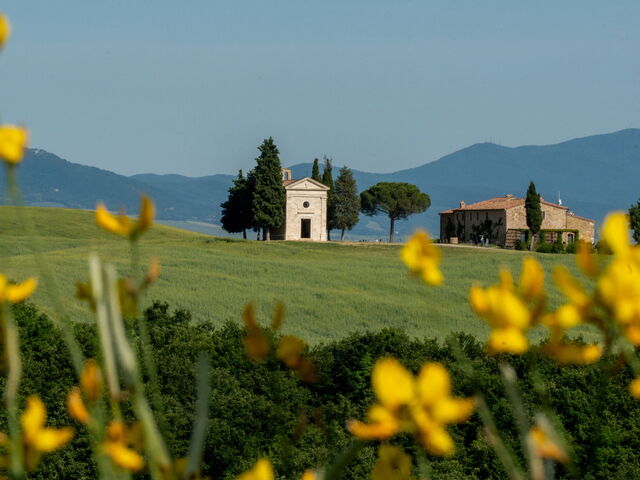
Easter marks the beginning of spring in Tuscany, but without the intensity of summer. It is one of the most pleasant times to discover the region, when villages fill with flowers, Holy Week processions wind through stone streets, and families gather around simple seasonal meals. The hills glow with fresh green, artichokes and young pecorino cheese appear in the markets, and the cities seem to slow down while preserving centuries-old rituals. Between March and April, the weather becomes part of the experience: clear days with mild temperatures around 18–22°C alternate with cool mornings and occasional passing showers. The countryside is at its most beautiful, with vineyards just beginning to sprout and fields glowing with intense green.
Easter traditions in cities of art
In Tuscany’s historic cities, Easter takes on a distinctive character: religious celebrations unfold among remarkable architecture, squares become natural gathering places, and traditions that date back centuries continue to shape everyday life. Visiting cities such as Florence, Siena, or Lucca during the Easter period offers the opportunity to observe a living cultural heritage expressed through gestures, rituals, and local customs.
Florence: The most famous moment is the Scoppio del Carro (Explosion of the cart), a tradition that takes place on Easter morning in Piazza del Duomo. A 17th-century pyrotechnic cart is ignited by a mechanical “colombina” (dove) that travels from the altar of the Cathedral, triggering a fireworks display considered a good omen for the year. The event is deeply rooted in the city’s medieval history.
Siena: Easter has a more intimate atmosphere here. Celebrations in the Cathedral, one of the finest examples of Italian Gothic architecture, are experienced with quiet participation and devotion. The city, less crowded than in the summer months, allows visitors to follow the religious rites and stroll through Piazza del Campo at a relaxed pace.
Lucca: enclosed by Renaissance walls, it offers a harmonious setting for Holy Week. Churches in the historic center host celebrations and concerts of sacred music, while processions move through the ancient streets. The atmosphere remains sober and naturally integrated into the rhythm of the city.
Landscapes and trails during Easter
While the cities celebrate Easter through rituals and architecture, the Tuscan countryside expresses it through light and open space. Between March and April, temperatures are mild, colors grow more vibrant, and the trails are still quiet. It is an ideal moment to spend time outdoors and observe the landscape as it gradually returns to life.
Maremma Natural Park: in the Maremma Natural Park, among Mediterranean scrub and coastal watchtowers, trails lead to the abbey of San Rabano, medieval ruins set among the hills of the Uccellina range. Walks with sea views, gentle paths, and local wildlife create a varied experience far from the busiest tourist routes.
Crete Senesi: south of Siena, the Crete Senesi unfold in rolling hills and white gravel roads that turn green in spring. It is an ideal landscape for scenic walks, cycling routes, and quiet stops near isolated churches and rows of cypress trees, with wide horizons and very few settlements.
Casentino: in the Foreste Casentinesi National Park, visitors can explore vast forests, ancient abbeys, and historic hermitages. Here, Easter can become a journey through nature and spirituality in a quieter and more contemplative setting.
Beaches and coastal villages at Easter
The Tuscan coast reveals a different character at Easter compared with the summer months. The beaches are wide and quiet, beach establishments begin to reopen, and the sea reflects a clear spring light. It is the perfect time to walk along the shore, stop at a restaurant overlooking the sea, and enjoy the landscape of pine forests and cliffs without the summer crowds.
Viareggio: with its Art Nouveau seafront and the Passeggiata Margherita promenade, it offers a pleasant setting for walks and time spent outdoors. The Apuan Alps in the background and the first mild temperatures create a harmonious balance between sea and city.
Castiglioncello: known for its cliffs and small coves, it combines natural beauty with a cultural history linked to 19th-century painting. It is an ideal destination for those seeking open sea views and a more intimate atmosphere than larger seaside resorts.
Punta Ala: located on the Maremma coast, it offers sandy beaches, pine forests, and a well-organized marina. The atmosphere is peaceful, perfect for a relaxing spring break by the sea.
For more information on the beaches of Tuscany, read our article: The 5 most beautiful beaches in Tuscany.
Traditional Easter desserts and specialties
In Tuscany, Easter is also celebrated at the table. It is a celebration of traditional Easter baking, the aromas of anise and citrus, and recipes passed down through generations and still prepared today in historic bakeries and artisan pastry shops. Alongside savory dishes, desserts best express the region’s Easter traditions.
Grosseto: in the Maremma area, the star of the table is the schiacciata di Pasqua, a tall and soft cake flavored with anise and citrus zest, the result of a long rising process. In Grosseto, it can still be found in bakeries in the historic center, often served with vin santo or a local sweet wine.
Arezzo: here the Easter ciambella is common, more compact and fragrant, sometimes decorated with sugar sprinkles. The pastry shops between Piazza Grande and the surrounding medieval streets offer artisanal versions that fit naturally into a day spent exploring the city.
Pisa: in addition to sweet schiacciata, artisanal colombe prepared with local ingredients such as Tuscan honey or candied oranges can also be found. The cafés along the Lungarni offer a pleasant break surrounded by architecture and tradition.
If you want to discover other typical desserts served at Easter in Italy, read our article 6 Typical Desserts to Try at Easter.
Villages celebrating Easter
With the arrival of spring, village squares come back to life. During Easter, many Tuscan villages host seasonal markets, local fairs, and events dedicated to regional products. These are not large festivals but simple occasions to meet local producers, artisans, and families. Walking among the stalls offers a direct glimpse of everyday life in Tuscany.
Colle di Val d'Elsa: in the upper historic center, among medieval alleys and views over the Val d'Elsa, spring markets dedicated to crafts and local specialties appear. Fresh pecorino cheese, honey, and Easter desserts can be found in a welcoming setting far from the crowds.
Greve in Chianti: the triangular square comes alive on weekends with food stalls and tastings. Between Chianti Classico, cured meats, and extra virgin olive oil, a visit takes on the rhythm of an informal outdoor food-and-wine tour.
Vinci: in Leonardo’s birthplace, the markets have a more rural character. Seasonal farm products, homemade desserts, and small handicrafts are set within a hilly landscape that invites visitors to pause and enjoy a slower moment between culture and countryside.
Alternatives to outdoor activities
Spring rain in Tuscany does not interrupt a trip; it simply changes its pace. The stones of historic centers reflect the light, the squares grow quieter, and indoor spaces become more inviting. If the sky is overcast between March and April, it becomes an opportunity to discover another dimension of the region.
The cities of art offer many alternatives: the Siena Cathedral complex, the rooms of Palazzo Pitti in Florence, and the churches and towers of San Gimignano with their frescoes. With fewer visitors than in summer, these places can often be explored in a calmer and more focused atmosphere.
The rain also invites visitors to pause and take a break. In the cellars of Chianti or Montepulciano, guided tastings are organized, accompanied by stories about the land and the traditions of wine production. Historic villas open their doors, while cooking schools offer courses dedicated to fresh pasta or traditional Easter desserts.
Easter in Tuscany can also be a time to slow down: between the end of winter and the beginning of the warmer season, spas offer a place to relax and regain balance. Warm outdoor pools in April create a pleasant contrast with the cool air and the landscape that is gradually turning green again. If you would like to learn more about spas in Tuscany, read our article on Free Natural Spas in Tuscany.
Even under cloudy skies, Tuscany remains captivating. The light changes, the pace changes, but the experience remains the same.
Choosing the right vacation home for Easter in Tuscany
Planning Easter in Tuscany also means choosing the vacation home that best suits your travel style. Whether you prefer a villa in Maremma, a house in Chianti, a stay near a city of art such as Florence or Siena, or a property along the Tuscan coast, the region offers many options for a spring weekend or a longer holiday. Posarelli Villas offers a curated selection of villas for rent in Tuscany, including vacation homes with private pools, historic residences, and charming houses surrounded by vineyards and olive groves.
Staying in a vacation home at Easter allows you to organize your Easter lunch in your own fully equipped kitchen, relax in the garden or by the pool, and return to a private space after excursions, wine tastings, or cultural visits. With a well-located vacation rental, it is easy to take part in Easter events and traditions in the villages, explore the hills of Chianti, enjoy a walk by the sea, or discover local spring markets. Easter in Tuscany becomes an authentic experience to be enjoyed with freedom, comfort, and the natural rhythm of the season.
Read More
August 20, 2025
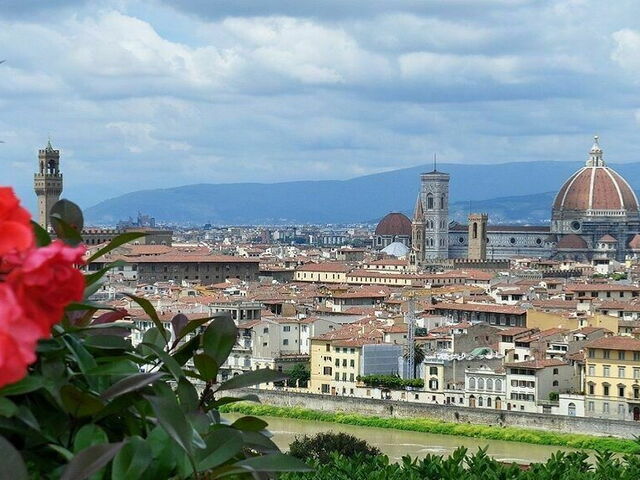
Florence, Europe'S Number One Destination: Discover Why It Is the Ultimate Travel Choice
Florence isn’t just a destination; it’s an invitation to pause, listen, and linger. According to Travel + Leisure in an article published on July 8, 2025, Florence stands as Europe’s top travel pick, beloved by readers who seek beauty and experiences beyond a standard itinerary. For Travel + Leisure subscribers and readers alike, Florence tops the list of favourite European cities. ( 15 Favorite cities in Europe).
The city has long captivated travelers, writers, and poets, offering an inexhaustible source of inspiration and beauty. As Henry James wrote, “Florence is the most beautiful city in the world, a place of infinite inspiration.” It was true for Mark Twain, D. H. Lawrence, Charles Dickens, and many others, who lauded its art, history, and unique charm.
What makes Florence a top travel choice in Europe, and what do travelers love about it?
Florence has long drawn travelers—both past and present—because it embodies a distilled essence of beauty and history spanning centuries, as if the Renaissance were a continuous study in culture. It’s not merely a sight to behold but a destination to feel with every step, where every street invites curiosity and discovery. In the Romantic era, the city’s dense collection of masterpieces, its stone-lined streets, and the sites where art and conversation intertwined drew admirers. The cultural atmosphere—alive in cafés, theatres, and literary salons—paired with a palpable sense of rebirth and memory, rendered Florence a living history workshop. To many, Florence remains an inexhaustible muse, capable of turning any visit into a journey into the soul of Western civilization.
Florence’s masterpieces are still everywhere today: visible on streets, squares, and palaces, and echoed in the courtyards, alleys, and the air that feels steeped in thousand-year memories. Walking the historic center is like strolling through an open-air museum, where every corner tells a story and every photo captures a fragment of perfection. But the city is more than art: Tuscan cuisine, bustling markets, world-renowned shops, secret gardens, and a richly varied cultural calendar all contribute to a destination that satisfies diverse tastes and offers both sensory and intellectual delights at every turn. Summing up Florence’s wonders is a challenge; this must-see list by theme aims to guide while recognizing that any snapshot remains partial and that Florence offers endless paths of discovery.
The Uffizi Gallery
Museums: The Uffizi Gallery
Florence’s art treasures are everywhere, and none stand out more than the Uffizi Gallery. Inaugurated in 1581 and designed by Giorgio Vasari for Cosimo I de’ Medici, the Uffizi is among the world’s most important artistic institutions and helped establish Florence as the Renaissance’s capital of painting. The collection spans masterpieces by Botticelli, Leonardo, Michelangelo, Titian, Raphael, Caravaggio, and Rubens, offering a deep dive into history, religion, and human beauty. For the best experience, book your tickets online to skip the queues and choose morning or late afternoon visits. Plan about 1.5–2 hours for a focused tour, or more if you want to explore in depth. The route begins with iconic works like The Birth of Venus and The Primavera, then moves to less crowded pieces that offer a thoughtful interpretation of the Renaissance.
The Duomo, Giotto's Bell Tower and the Baptistery
Monuments: The Duomo, Giotto's Bell Tower and the Baptistery
Florence’s Cathedral complex is a must-see for any visitor, especially in a single-day itinerary. The Cathedral of Santa Maria del Fiore, crowned by Brunelleschi’s iconic dome, rises above the city alongside Giotto’s Bell Tower and the Baptistery of San Giovanni (The Dome of Florence). This ensemble, the symbol of the Renaissance, dominates Florence’s skyline, and climbing the dome offers a breathtaking view of the historic center. Next to it, Giotto’s Bell Tower dazzles with marble decorations and sweeping city vistas, while the Baptistery captivates with brilliant mosaics and the legendary Porta del Paradiso. Together, they form a seamless itinerary that showcases Florence’s extraordinary art, engineering, and timeless beauty.
The Boboli Gardens
Parks: The Boboli Gardens
Florence’s historic streets invite leisurely discovery, while you’re enjoying an ice cream (Gelateria Grom). Along the way you’ll encounter iconic monuments such as the Ponte Vecchio, Palazzo Pitti, the Church of Santa Maria Novella, the Church of Santa Croce, and Palazzo Vecchio. Even admiring them from the outside offers a unique, unforgettable experience. For those who prefer outdoor time, the Boboli Gardens behind the Pitti Palace provide a Renaissance-era park setting with panoramic terraces, statues, fountains, grottoes, and sweeping views of the city. Its avenues, fountains, and hidden corners offer a green, atmospheric retreat ideal for contemplative walks and dramatic city vistas.
The San Lorenzo Market
Cuisine: The San Lorenzo Market
San Lorenzo Market (www.mercatocentrale.it) is one of Florence’s liveliest centers in the heart of the city, located between the SMN railway station and the historic market district. Founded in the 19th century as a food market, today it brings together stalls, shops selling Tuscan specialties, and small workshops where you can feel the air of local tradition. Fruit and vegetable stalls burst with seasonal produce and color, but the true draw is the culinary bounty: cheeses, cured meats, extra-virgin olive oil, truffles, porcini mushrooms, and a wide array of regional specialties such as new olive oil, cantucci biscuits, and local desserts. Nearby shops and taverns offer traditional dishes and authentic tastings, making this area an ideal stop to savor local cuisine in a lively, authentic setting.
Florentine Craftsmanship
Fashion and Shopping: Via de’ Tornabuoni e Oltrarno
Florence fashion is a journey through high-end craftsmanship, textile history, and brands that have shaped the city’s style. Visitors can enjoy luxury boutiques as well as authentic experiences focused on leather, suede, and niche prêt-à-porter. Strolling along Via de' Tornabuoni and the surrounding streets, amid international boutiques and historic ateliers, you’ll feel Florentine elegance and discover the city’s keywords: luxury, craftsmanship, and timeless style. In the Oltrarno district, you’ll find numerous artisan workshops—leather studios, leather goods, jewelry, and bespoke clothing. Visitors can tour ateliers, watch the manufacturing process, and even order unique pieces.
Culture: The Pergola Theatre
Florence’s Teatro della Pergola ( www.teatrodellatoscana.it) is a must-visit cultural landmark in the heart of the city. One of Italy’s oldest and most captivating theatres, it was founded in 1655 at the request of the Medici family. It began as an open-air theatre and over the centuries was transformed and restored, arriving at its current configuration in the 19th century: a grand interior hall, a solid stage, and a stalls area welcoming audiences of all ages. The theatre’s international lineage—hosting artists and companies from across Europe—has helped cement Florence as a cultural hub not only of the Renaissance but also of the contemporary world.
Discover our villas near Florence
Read More
Tuscany is a true gem of Italy, renowned for its rolling hills, exquisite wines, and Renaissance art. With a rich history dating back to Etruscan times, this region flourished under noble families like the Medici. Its historic architecture, from medieval castles to elegant villas, reflects centuries of tradition, while the picturesque landscapes of vineyards and coastal pine forests enchant visitors.
However, we want to guide you toward Tuscany's hidden treasures: the lesser-known places that often don't appear on tourist maps.
In this article, we'll share unique experiences and valuable tips on authentic sites and charming villages worth exploring away from the typical tourist paths. Prepare to uncover breathtaking views and historic spots that will make your holiday truly unforgettable!
Fosdinovo: A Hidden Treasure of Lunigiana, Where History Meets Nature
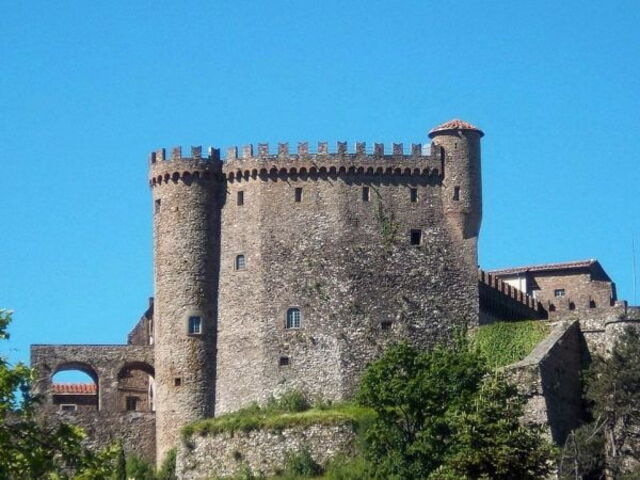
Castello di Fosdinuovo
A hidden village in the province of Massa Carrara that we highly recommend is Fosdinovo. This charming medieval village, located in the Lunigiana hills, boasts a rich history and captivating landscapes.
Fosdinovo flourished between the 14th and 18th centuries under the Malaspina family, who left a significant mark on the region's architecture and culture. Nestled in the Apuan Alps, the village offers breathtaking views and unspoiled nature.
Fosdinovo also serves as an excellent starting point for excursions in the Apuan Alps Natural Park, where you can explore trails leading to spectacular locations.
To plan your visit to the impressive Malaspina Castle, please visit https://castellodifosdinovo.it .
Exploring the Grotte del Vento (Wind Caves): A Journey into the Heart of the Apuan Alps
Le Grotte del Vento
Located near Fabbriche di Vergemoli in the province of Lucca, the Grotte del Vento (Wind Caves) are one of the remarkable natural wonders of the Apuan Alps. With their stunning karst formations, these caves provide visitors with a unique experience among stalactites and stalagmites, creating a captivating underground world.
Formed millions of years ago, the caves are now easily accessible via well-marked trails suitable for all ages. Inside, the atmosphere is enhanced by intriguing light effects and the soothing sound of flowing water, making this visit an unforgettable adventure.
To discover other must-see locations in the Apuan Alps Regional Park, we recommend https://www.parks.it/parco.alpi.apuane/par.php .
Piteglio: History and Adventure in the Tuscan Hills
Il Ponte Sospeso di Piteglio
Piteglio is a charming medieval village nestled in the hills of the Tuscan-Emilian Apennines, renowned for its rich history and authentic atmosphere. The village features narrow cobbled streets and historic buildings, including Piteglio Castle, the Church of San Bartolomeo, and the distinctive Castruccio Bridge, which can be reached after an easy walk.
One of the most exciting attractions in Piteglio is its suspension bridge, which stretches about 90 meters and is among the longest in Italy. A walk across this bridge offers breathtaking views of the gorge below and the surrounding landscape, providing the perfect opportunity for unforgettable photos.
If you would like to discover other places in the surrounding area or visit the city of Pistoia, you can find lots of useful information on https://www.visitpistoia.eu/ .San Miniato: Discovering an Ancient Soul among Hills and History
La Rocca di Federico
A lesser-known historical site in the province of Pisa is San Miniato, a charming village perched on a hill that offers stunning views of the surrounding landscape. San Miniato boasts a rich history that dates back to Etruscan times and is renowned for its significant artistic heritage.
Additionally, San Miniato serves as an important stop along the Via Francigena, the ancient pilgrimage route that connected Canterbury to Rome. Historically, it was a key resting place for pilgrims seeking shelter and hospitality, and today, many pilgrims and hikers still pass through this picturesque village (https://www.viefrancigene.org/it/resource/statictrack/tappa-30-da-san-miniato-gambassi-terme/ ).
In addition, the village is famous for its exceptional white truffles, drawing visitors from across Italy during the harvest season.
The Etruscan Tombs of Comeana: A Journey into the Past
Tomba Etrusca di Comeana
Nestled in the beautiful Tuscan countryside, the site of the Etruscan Tombs of Comeana is an extraordinary place for those eager to explore ancient history in a captivating setting. Located near the village of Carmignano, only about 25 km from Florence, these tombs date back to the 7th century BC and provide valuable insights into Etruscan civilization, which played a crucial role in the development of Italian culture and society.
Carved into the rock, the tombs feature intricate decorations and frescoes that narrate the stories of the deceased and the beliefs of this mysterious and fascinating people. Surrounded by lush nature, the site offers a serene atmosphere, making it an ideal place for anyone looking to immerse themselves in history in an environment that feels timeless. For more information about the entire archaeological area, visit https://www.parcoarcheologicocarmignano.it/.
Discover the magic of San Galgano Abbey
L'Abbazia di San Galgano
Located in an enchanting valley in the town of Chiusdino, in the province of Siena, the Church of San Galgano is an imposing Cistercian abbey from the 12th century. What was once a beautifully decorated church is now a fascinating ruin, renowned for its striking open roof and Gothic architecture. The site is dedicated to San Galgano, a knight who, according to legend, abandoned his worldly life to devote himself to faith and spirituality. To purchase tickets, please visit: https://www.fondazionesangalgano.it/home/biglietti.html.
The Church of San Galgano is also well-known for the nearby Hermitage of Montesiepi, built in the same century. Here, the sword of San Galgano is embedded in the rock, symbolizing his transformation from a life of warfare to one of religious devotion. This sculpture, enveloped in a mystical atmosphere, attracts numerous visitors and serves as an important pilgrimage destination.
Roselle: A Journey into Antiquity Amidst History and Nature
L'Area Archeologica di Roselle
Located just a few kilometers from Grosseto, the ancient site of Roselle offers a fascinating glimpse into Etruscan and Roman history. Founded by the Etruscans in the 6th century BC, Roselle became a significant commercial center due to its strategic location along the Via Aurelia, which connected Rome with northern Italy. The site is renowned for its impressive city walls, some of which are well-preserved, as well as for the remains of temples, residential buildings, and public structures that narrate the daily lives of its ancient inhabitants. For more information and opening hours, please visit the website: https://www.museidimaremma.it/museo/area-archeologica-di-roselle/.
Read More
October 12, 2024
Montalcino: Brunello Wine, History and Art
Montalcino: A Journey Through History and Wine
Montalcino is a picturesque medieval town located on a hilltop in the heart of Tuscany. The town is known for its rich history, scenic landscape, and – not least – its world-renowned wine, Brunello di Montalcino. Visiting Montalcino is like traveling back in time while experiencing some of Italy's best wines and culinary delights.
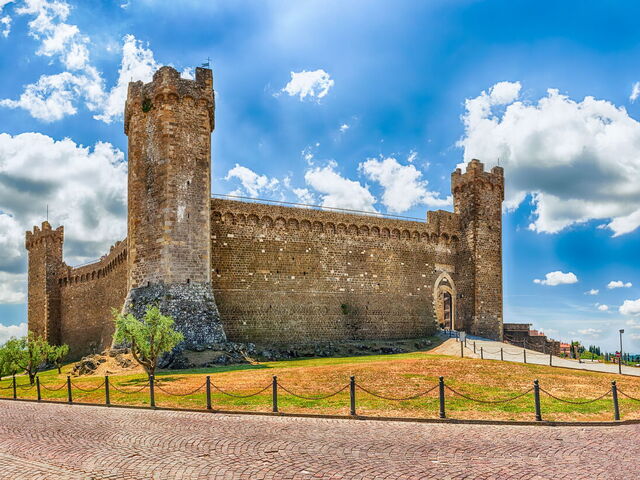
Montalcino traces its roots back to Etruscan times, but it was during the Middle Ages that the town truly flourished as an important fortified city in the region. In the 14th century, Montalcino was often at the center of conflicts between Siena and Florence, both vying for control of the strategically important town. Today, visitors can still see the well-preserved city walls and the fortress "La Fortezza," built in 1361, a testament to Montalcino's war-torn past. From the fortress, you can enjoy stunning views of the rolling hills of Val d'Orcia, a UNESCO World Heritage site.
Brunello di Montalcino – A World-Class Wine
No mention of Montalcino is complete without talking about Brunello di Montalcino, one of Italy's most prestigious wines. This powerful red wine is made exclusively from Sangiovese grapes, locally known as "Brunello." The wine production here is subject to strict regulations, and the wine must be aged for at least five years, with at least two of those years in oak barrels, before it can be sold. This gives Brunello its complex, full-bodied flavor with aromas of dark fruits, spices, and earthy tones.
Montalcino is surrounded by many renowned wineries offering visitors the opportunity to explore the vineyards and participate in wine tastings. Here are some of the most famous:
Biondi-Santi: This is the winery considered to be the birthplace of Brunello di Montalcino. Biondi-Santi has a long history and has been crucial in the development of the now world-famous Brunello wine.
Banfi: Castello Banfi is not only a winery but also a stunning castle. It is one of the largest producers in the region, known for its innovative approach to winemaking and a wide range of wines, including Brunello.
Casanova di Neri: One of the most prestigious wineries in Montalcino, Casanova di Neri has received many international accolades for its wines. Their Brunello has been recognized as one of the world's best wines by renowned wine critics.
Poggio Antico: Located at one of the highest points in Montalcino, this winery is known for its elegant Brunello. The estate offers guided tours that provide insights into both winemaking and the area's history.
A typical wine tasting in Montalcino often includes both Brunello di Montalcino and Rosso di Montalcino, a younger and lighter wine perfect for immediate enjoyment. Many wineries also offer guided tours, where you can learn about the entire production process, from grape harvesting to bottling.
Sights in Montalcino
In addition to the wine experiences, Montalcino also boasts many cultural and historical sights worth exploring. Here are some highlights:
La Fortezza: The old fortress, built in 1361, is an impressive sight and a must for history enthusiasts. From the top of the fortress walls, you can enjoy a breathtaking view of the surrounding landscape.
Piazza del Popolo: The town's central square, surrounded by medieval buildings, is a great place to experience Montalcino's charming atmosphere. Here you'll also find the Palazzo dei Priori, a historic town hall with a slender clock tower.
Sant'Antimo Abbey: Just outside the town lies this magnificent Romanesque abbey, dating back to the 8th century. It is said that Charlemagne founded the abbey, and it is known for its simple yet impressive architecture and the Gregorian chants often performed here.
Museo Civico e Diocesano: For art lovers, this museum is a must. It houses an impressive collection of religious art, including works from the Sienese school, which dominated the region during the Middle Ages.
Whether you're a history enthusiast, wine lover, or simply want to experience the beauty of Val d'Orcia in Tuscany, Montalcino has something to offer. The town's unique blend of culture, nature, and exceptional wine makes it an unforgettable destination.
Take your time exploring the cobblestone streets, enjoy a glass of Brunello at a local winery, and let yourself be charmed by the authentic Tuscan atmosphere that Montalcino has to offer.
Read More
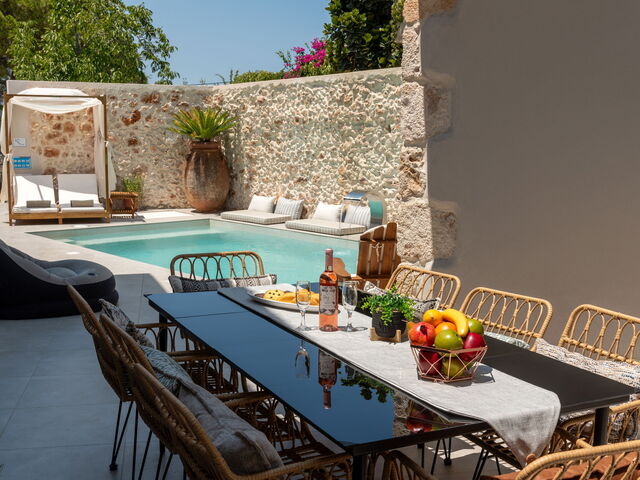
When planning a luxury getaway, travellers often find themselves caught between two enticing options: the exclusive charm of a luxury villa rental and the familiar comforts of a high-end hotel. Each choice has its unique advantages, and the decision often boils down to personal preferences, the type of experience you seek, and the specific needs of your travel group. Let’s dive deeper into the benefits of luxury villa rentals compared to hotel stays, helping you make an informed choice for your next holiday.
1. Privacy and Exclusivity: The Ultimate Luxury
Torre di Serre
One of the most significant benefits of opting for a luxury villa rental is the unparalleled privacy it offers. Villas provide an exclusive space entirely for you and your group, away from the crowds commonly found in hotels. You can relax by your private pool, enjoy al fresco dining in your garden, and bask in the tranquillity of your surroundings without any interruptions from other guests.
This level of privacy is particularly appealing for those celebrating special occasions, such as honeymoons, anniversaries, or family reunions, where intimate moments are best enjoyed in a secluded setting. In contrast, even the most luxurious hotels often have shared spaces, where guests must compete for poolside loungers or dine in busy restaurants.
2. Personalised Service Tailored to Your Needs
Montegufoni Castle
Luxury villa rentals often come with dedicated staff, including private chefs, butlers, and housekeepers, who cater exclusively to your needs. This bespoke service ensures that every aspect of your stay is tailored to your preferences, from meal times and menus to special requests. You can wake up to breakfast prepared just the way you like it, enjoy a tailored cocktail at sunset, or have a private yoga session arranged on your terrace.
In a hotel, while you may have access to excellent service, you often have to share the staff’s attention with many other guests. Hotels may offer concierge services and room service, but the experience is not as intimate or personalised as having a dedicated team focused solely on you.
3. Space and Comfort: A Home Away from Home
Villa Demetra
Space is a luxury that villas offer in abundance. Unlike hotel rooms, which can often feel cramped, a villa provides a home away from home with multiple bedrooms, spacious living areas, expansive outdoor spaces, and often luxurious extras like cinema rooms, gyms, and spa facilities. For families, groups of friends, or multi-generational travellers, this extra space allows everyone to enjoy their holiday together without feeling on top of each other.
Moreover, villas give you the flexibility to set your own pace. You can cook your own meals in a fully equipped kitchen, let the children play freely in secure surroundings, or simply lounge in various parts of the property. This is in stark contrast to a hotel setting, where guests must adhere to set meal times and navigate shared spaces.
4. Cost-Effectiveness for Groups
Villa Le Buche
While luxury villas can seem more expensive at first glance, they often provide better value for money, especially for larger groups. The cost of renting a villa can be divided among the group, making it more economical than booking multiple hotel rooms. Additionally, with a villa, you can save on dining out as you have the option to cook your own meals or hire a private chef, which can be more cost-effective than dining in a hotel’s premium restaurants.
Luxury hotels typically charge per room, and additional costs can quickly accumulate with extras such as meals, drinks, and activities.
5. Immersive Local Experiences
Villa Paul
Staying in a villa often allows for a more authentic connection to the local culture and environment. Villas are frequently located in residential areas or beautiful countryside settings, offering a sense of living like a local, far from the tourist hubs. This provides a unique opportunity to explore lesser-known areas, interact with local communities, and immerse yourself in the destination’s culture in a way that hotels, often located in busy tourist centres, cannot offer.
Additionally, villa staff often have deep local knowledge and can provide personalised recommendations, from hidden beaches to the best local markets, enhancing your travel experience in ways that hotel concierge services may not be able to match.
6. Flexibility and Freedom to Customise Your Experience
Villa Silentium Evilia
Luxury villas offer a level of flexibility that hotels simply cannot match. Want to enjoy breakfast by the pool at noon or host a private dinner party under the stars? Villas allow you to set your own schedule and customise your experience according to your desires. There are no strict dress codes, or restaurant reservations to worry about; the entire space is yours to enjoy as you please.
Hotels, while offering structured service, come with their own set of rules and restrictions. Meal times, spa appointments, and pool hours are usually fixed, which can sometimes feel restrictive for those looking to unwind and go with the flow during their holiday.
7. Enhanced Safety and Hygiene
Villa Katrine
In a post-pandemic world, safety and hygiene have become top priorities for travellers. Villas provide a safe and controlled environment, reducing the risk of exposure to other guests. With your own private space, pool, and amenities, you can enjoy a stress-free holiday knowing that hygiene standards are maintained to your specifications.
In hotels, despite stringent cleaning protocols, shared spaces such as lobbies, lifts, restaurants, and pools increase the likelihood of contact with other guests. For those prioritising health and safety, villas offer a more controlled and secure setting.
Conclusion: The Perfect Choice for a Luxurious Getaway
Choosing between a luxury villa rental and a hotel stay ultimately depends on your travel preferences, group size, and the kind of experience you wish to have. For those seeking privacy, bespoke services, ample space, and a truly personalised holiday, a luxury villa rental often proves to be the superior choice. Hotels, with their excellent amenities and familiar comfort, remain a fantastic option for those who enjoy structured services and central locations.
Whichever you choose, both options promise a luxurious escape from the everyday. Understanding the unique benefits of each can help ensure that your next holiday is perfectly tailored to your desires, offering the ultimate in relaxation and enjoyment.
Read More

If you have already read some of the articles on the Posarelli Villas blog you will be familiar with our Guide to Italy. This small manual is designed for our clients (and not only). Arriving on holiday prepared will allow you to avoid making beginner "mistakes" that could compromise your wonderful stay.
Today we want to give you some concrete tips on how best to spend your days in Italy.
1. SEPARATE WASTE COLLECTION When in Rome, do as the Romans do. As you know, separate waste collection is the sorting and separation of materials for subsequent recycling. Each municipality gives precise indications on how to dispose of waste correctly, but there are general rules applicable throughout Italy.
Let's find out together:- Pay attention to the wording on the bin, you will usually find indications for glass, plastic, paper and organic waste
- Rinse dirty bottles and containers: for pizza boxes you can't, but products such as glass jars of spreadable creams, washing-up liquid or tuna cans you can.
- Separate different materials: it happens that the cardboard of pasta packaging has an easily removable plastic band, in this and other cases you have to separate the materials and place them in the relevant containers. Some municipalities have even launched an app that shows you the correct destination of waste: just scan the barcode with your smartphone camera.
- Each municipality has its own set day for waste collection, you will certainly find this information in your rental house or on the municipality's website.
2. GROCERY SHOPPINGIn addition to trying out all the restaurants you can imagine, you will need a few basic necessities and a few ingredients to prepare a meal on the spot.
In addition to pasta and some ready-made sauces (tomato puree and pesto are our favourites) we recommend you also pick up some vegetables, but beware: use gloves!
In most Italian supermarkets you can find fruit and vegetables in bulk, you will find little columns with bags and gloves. Pay attention to this detail, it is bad manners to touch food with bare hands.
In some chains you will have to weigh the products yourself on scales: each fruit/vegetable is assigned a number. A label will then be printed and attached to the bag.
In supermarkets you will also find butcher's, baker's and fishmonger's departments: fresh produce is delicious, but don't forget to take the number if you want to be served!
3. PUBLIC TRANSPORTIf you don't want to rent a car or scooter to explore Italy, here are some things to know before using public transport:
- Before taking a bus make sure you have a ticket: once on board you will only be able to buy a ticket with exact cash and at a premium. Do not forget to validate your ticket, otherwise you will be liable to a fine.
- For paper regional train tickets, it is necessary to validate them: at every station you will find ticket machines where you can insert your ticket. If you are late and cannot buy your ticket, you can purchase it on the train: look for the ticket inspector immediately, otherwise it will be difficult to avoid a penalty.Were our suggestions helpful? Let us know.
© Rebecca Taizzani
Read More

Booking a villa with us is easy, but will juggling Italian culture be as intuitive?Habits, customs, superstitions, sayings; all this at once can be difficult to assimilate and the risk is to be overwhelmed.Here then, as good Italians, we step in to pave the way for you and mentally prepare you for the thousand facets of our beautiful country (a little healthy patriotism never hurts).As promised in the previous article, we are creating a Guide to Italy from which you can take inspiration so as not to make mistakes that could compromise your holiday.Are you ready for a round-up of tips and secrets? At the end of the page you will also find a gift for you.So let's get started, today we will focus on food and drink in Italy.
1. A CAPPUCCINO A DAY KEEPS THE DOCTOR AWAYBreakfast is the most important meal of the day and the right time to indulge in a cappuccino: note that it is the only time Italians indulge in this type of drink.
To be a perfect local, we recommend pairing your cappuccino with a croissant or 'breakfast pastry': pastries usually made of puff pastry filled to your liking: from cream to apple jam.
Extra tip: don't order a 'latte' unless you want a straight glass of milk, in Italy it is not a well-known drink and it confuses most baristas (don't scare them, they are an endangered species).
2. MID-MORNING BREAKIt's summer, it's hot and you are wandering around the narrow streets of a city of art, you miss your iced coffee and enter the first bar to order it: don't do it.
The iced coffee is not very well known in Italy (except in rare cases), our advice is to order a 'crema di caffè'. The crema di caffè is somewhere between heaven and a winning lottery ticket. Made with espresso coffee, cream and icing sugar, it will give you the right boost to continue your business.
3. WHAT ABOUT LUNCH?Finding a restaurant on the spur of the moment is not easy, our advice is to always have a look at TripAdvisor, but when you can't, here are the rules to keep in your head.
1. Look at the menus on display and have a look at the prices
2. Look at the opening times, typical restaurants open around 12.30 for lunch and around 7/7.30 for dinner. In Italy you eat late ( compared to England or Spain).
3. If you find dishes like Alfredo chicken pasta, pepperoni pizza on the menu: get out, fast. You are in Italy, try grandma's fettuccine, pizza with a high, thick crust, a good rare steak.
4. Busy does not always equal better, if a restaurant looks like the dining room of grandma's house it will probably be authentic and delicious! (nothing to take away from the very good modern cuisine restaurants, but I will tell you about those in another article).
We hope you find these tips useful and look forward to seeing you in one of our Villas! EXTRA TIPS: If you want to feel like a real Italian, use these words to complain: they are few, simple but impressive. " MAMMA MIA, MADONNA MIA, MA DAVVERO "
If you implement our tips let us know! Do you have anything else to add?© Rebecca Taizzani
Read More
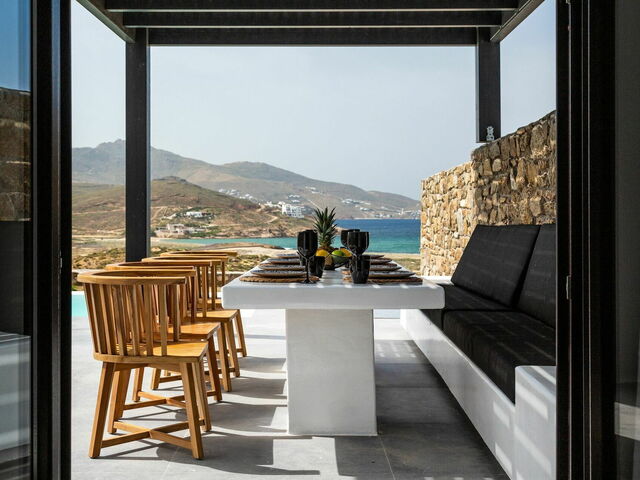
As you well know, every country has its own customs, its own habits and its own rhythms.
Travelling is wonderful because it allows us to open our minds, to fill ourselves with ideas, to acquire a critical sense, to accept others for who they are .
In short, told like this, it may seem all well and good, but sometimes in the midst of our travels we find ourselves a little disoriented.
How many of you have ordered a cappuccino at lunch and been looked down upon? How many of you have ordered a latte thinking you were getting some kind of macchiato coffee? Or how many have shown up for dinner at 6pm to find that the chef hadn't even arrived yet?
These are routine scenes (sooner or later we will tell you about all our gaffes), so to spare you a few nasty surprises and a bit of embarrassment, we have decided to put together a guide to Italy.
In this section you will not find tips on what to visit or where to go for an aperitif (this one here) or even which beach is the best (I would take a look here if I were you).
This guide can be intended as a Bon Ton manual to Italy.
Our idea is to create a compendium with notions that will enable you to have an unforgettable holiday: after all, it would be a shame to ruin your stay in a magnificent villa with a private pool for trifles.
In the following articles we will try to cover all the relevant topics: from safety at the airport and the use of public transport to the aperitif or dinner.
Are you curious?
Run and read the next article and let us know what you think.
© Rebecca Taizzani
Read More