Holiday apartments in Tuscany

Peace of Mind, Even in Unexpected Situations
Discover our cancellation cost cover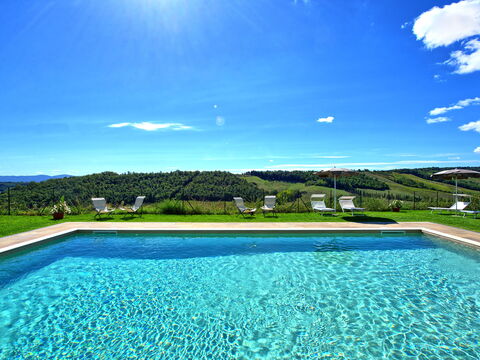
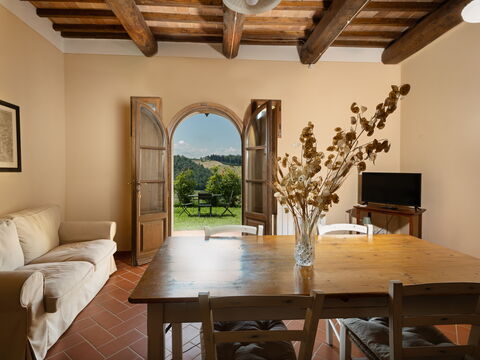
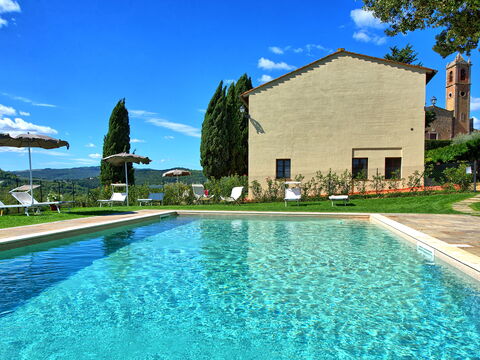
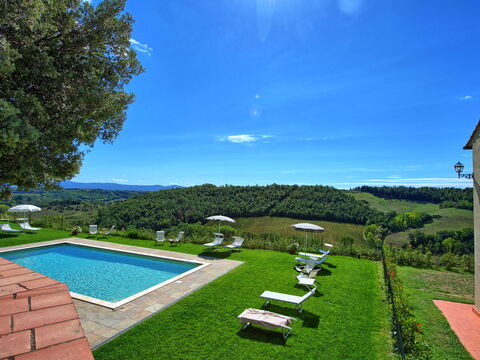
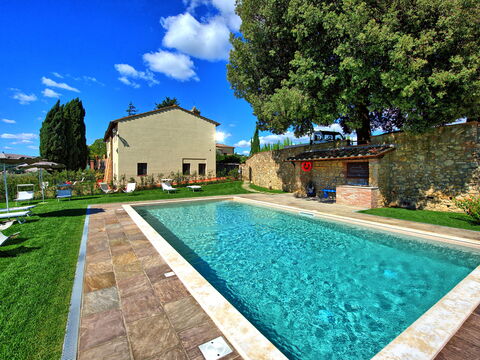
- 7
- 23
- 12
- 11
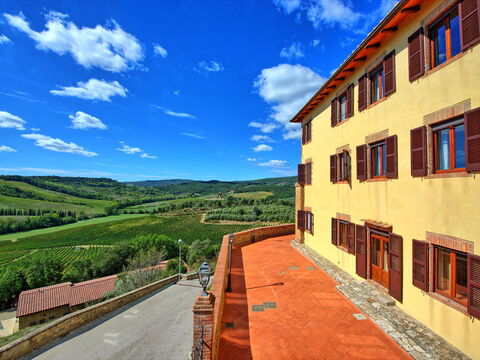
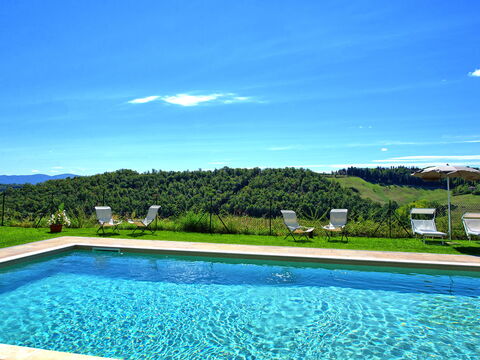
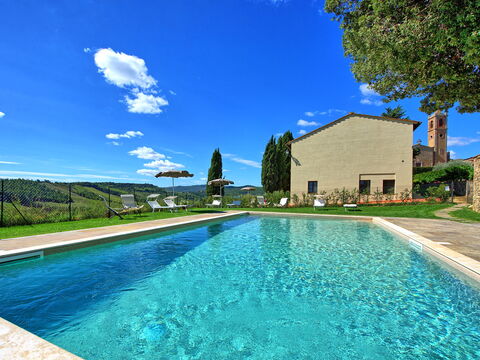
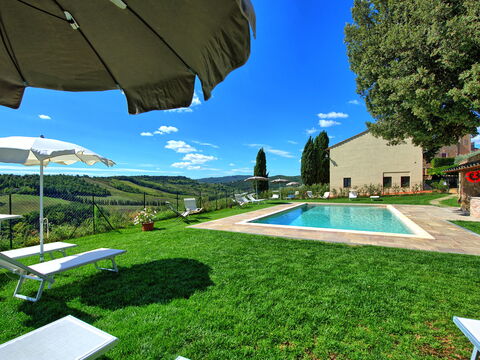
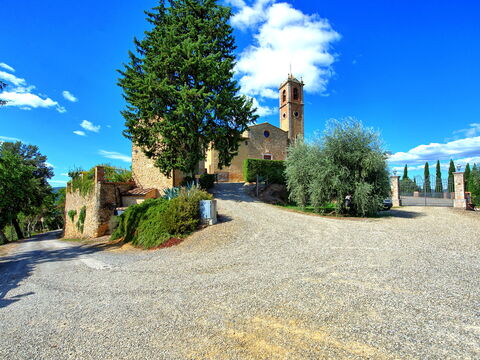
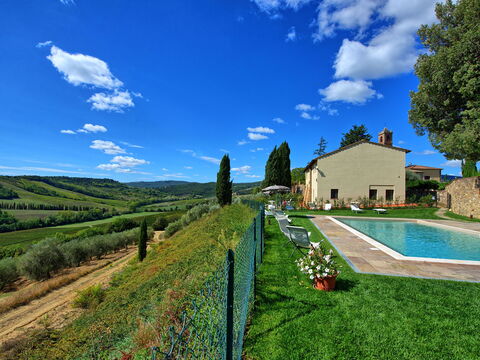
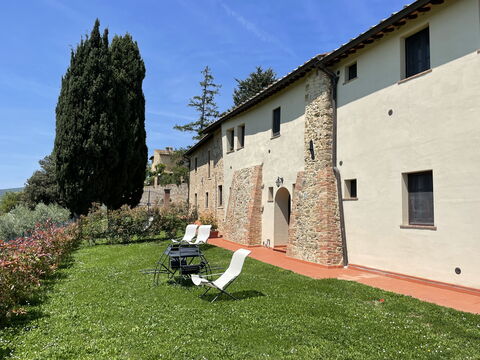
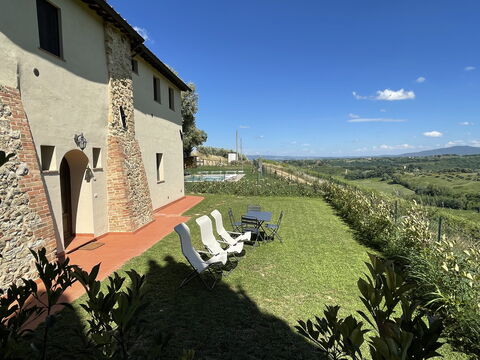
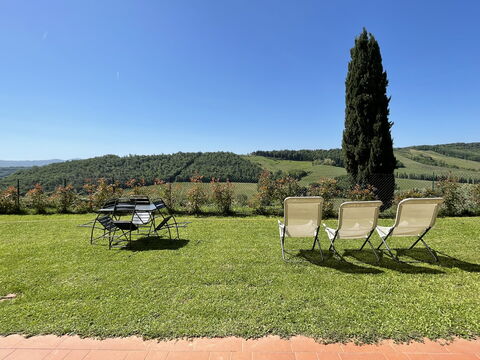
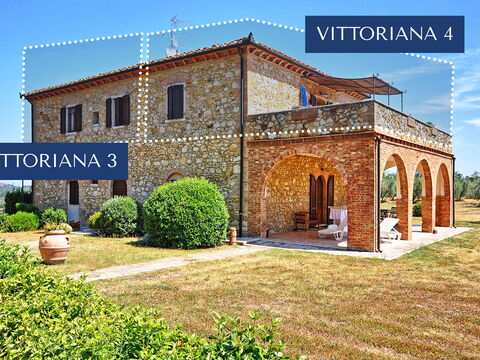
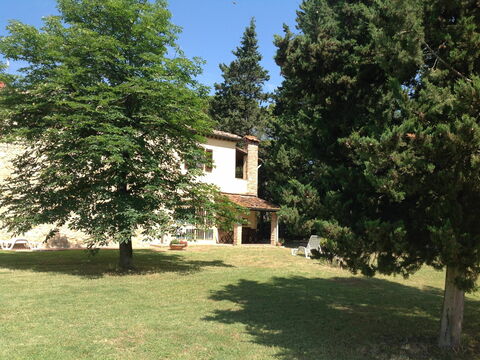
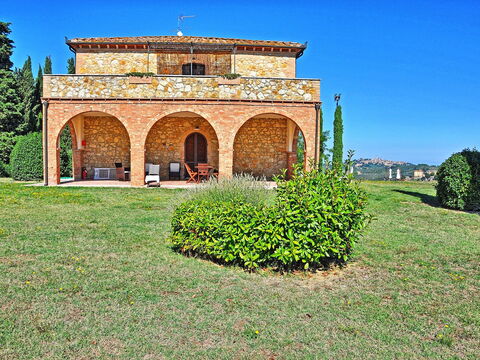
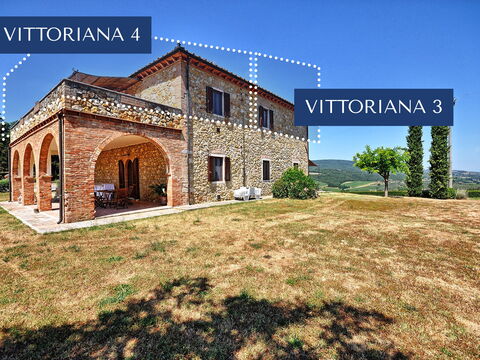
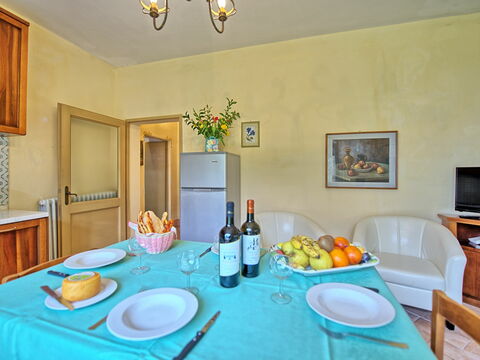
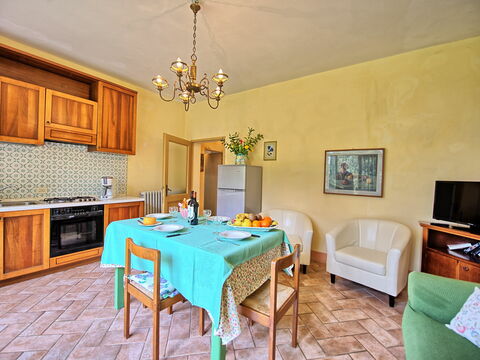
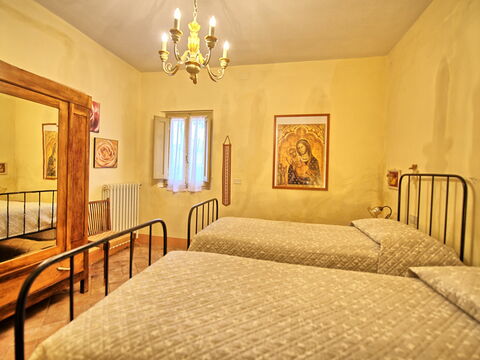
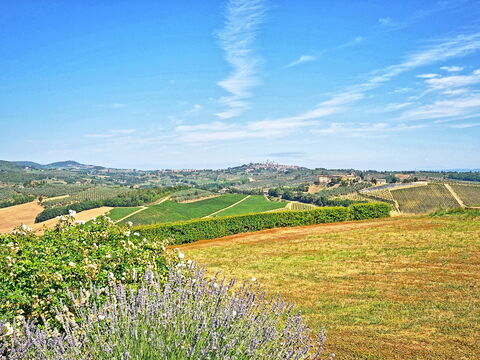
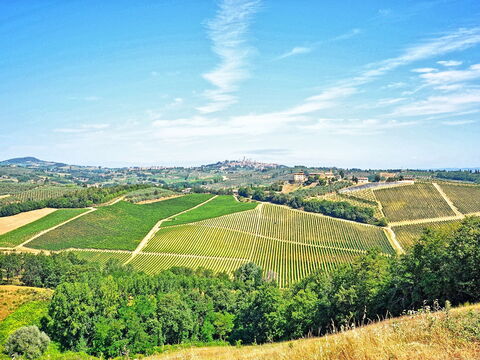
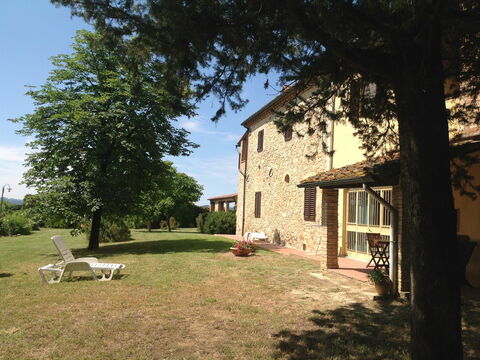
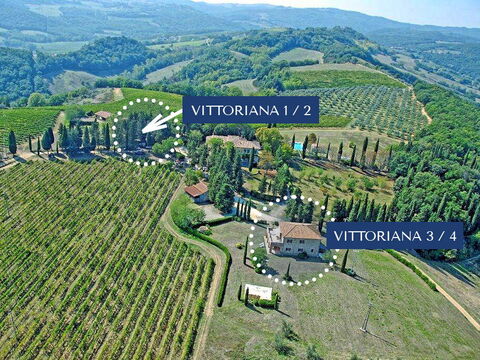
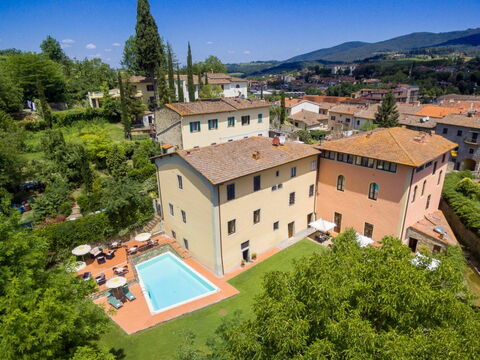
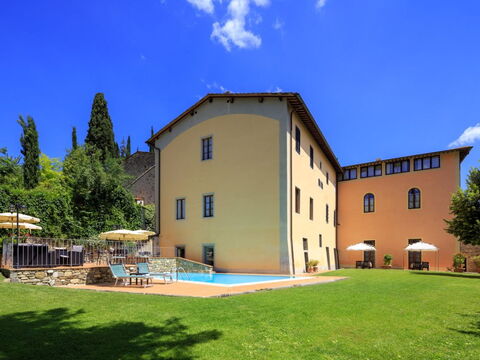
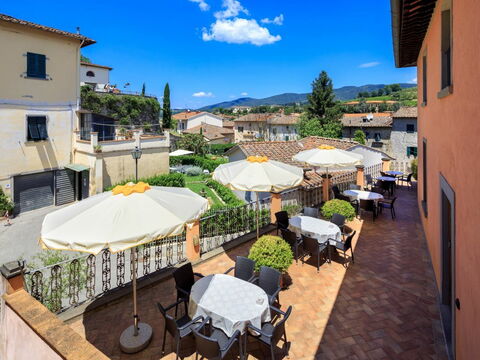
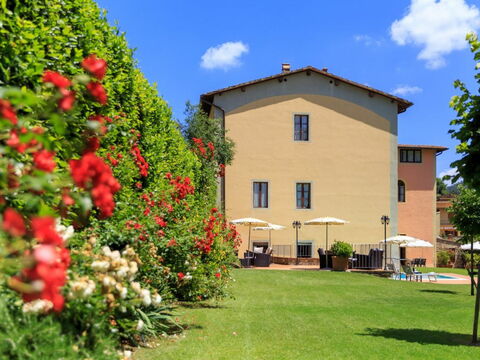
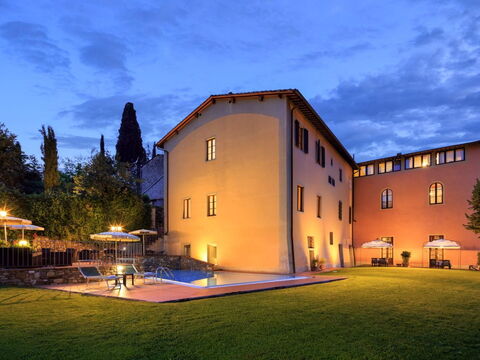
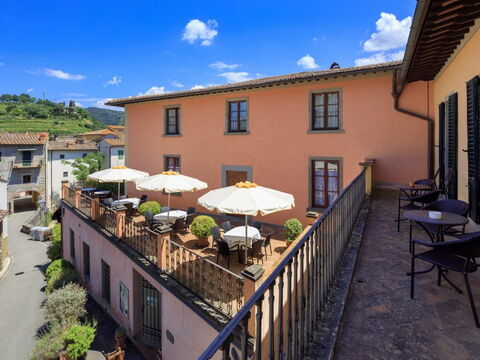
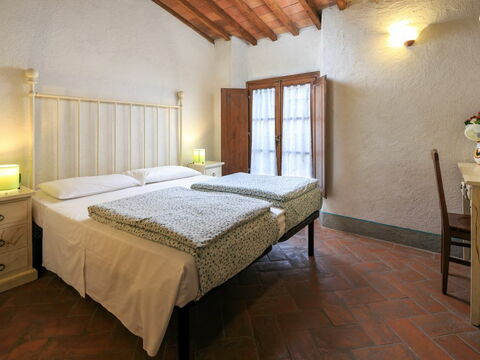
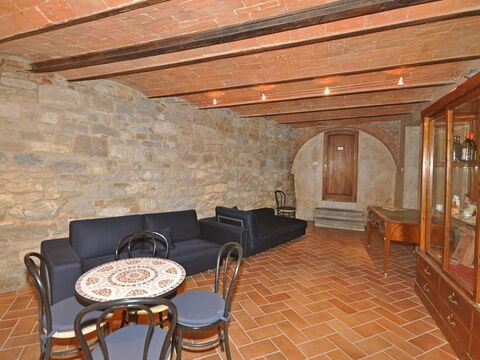
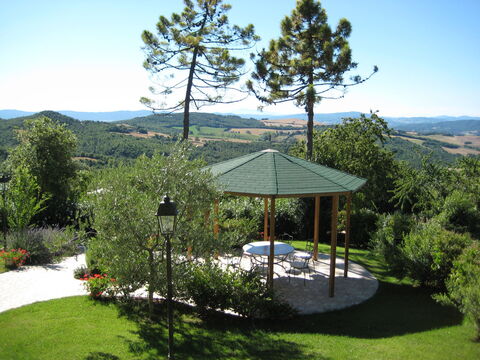
- Large property on top of a hill
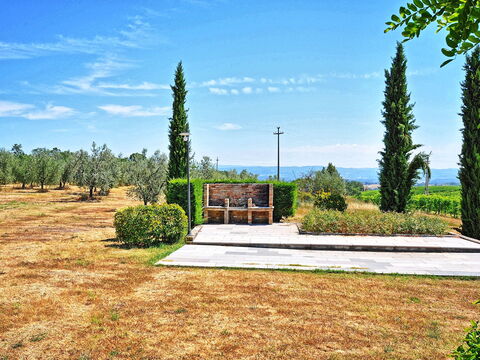
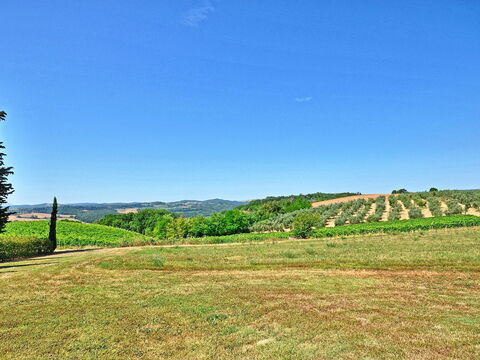
- Enchanting panoramic view of the countryside
- Just 4 km from San Gimignano
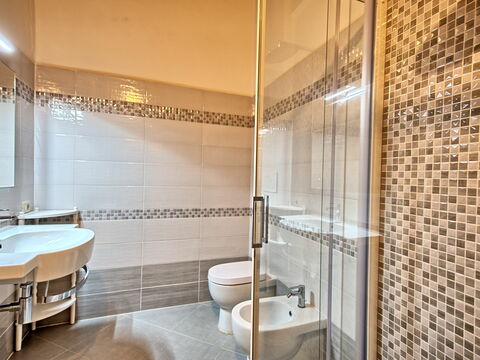
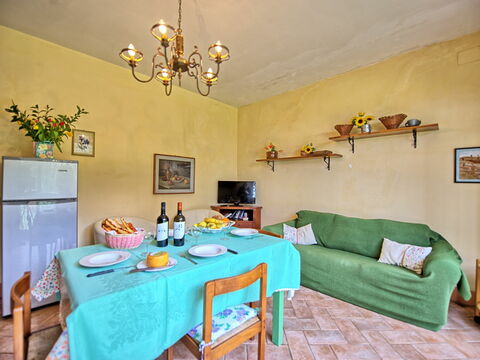
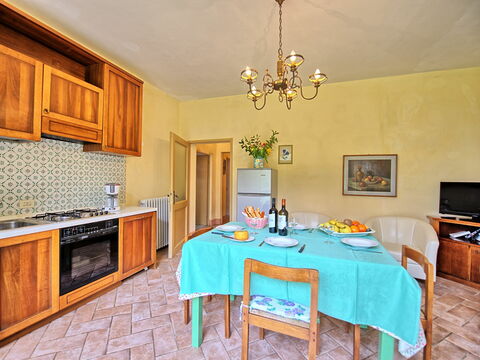
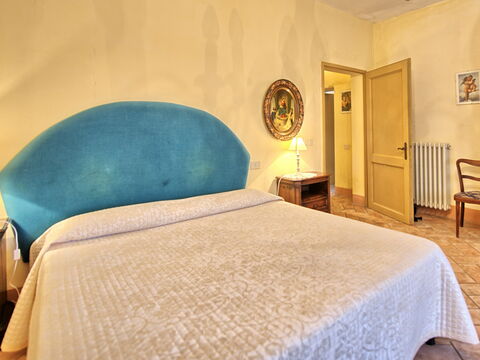
- 4
- 14
- 7
- 6
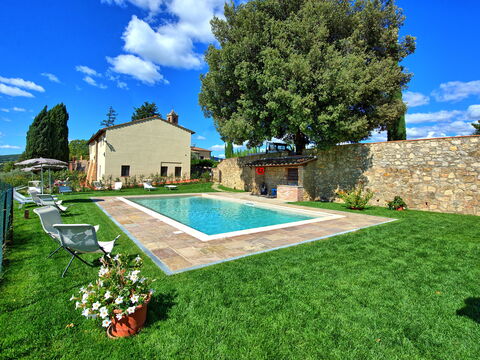
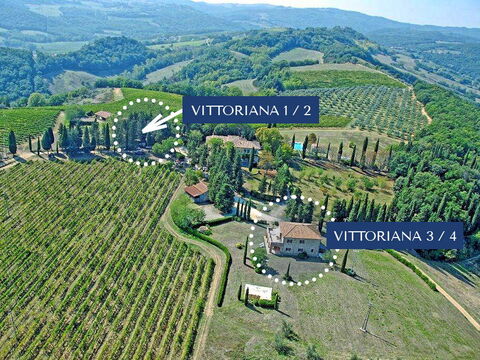
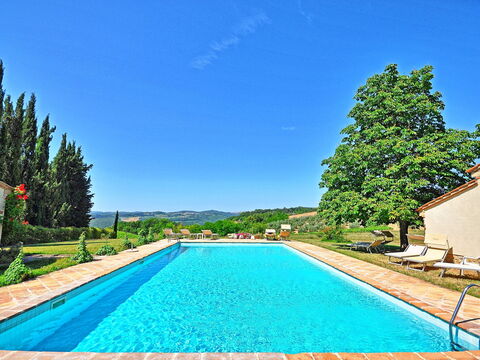
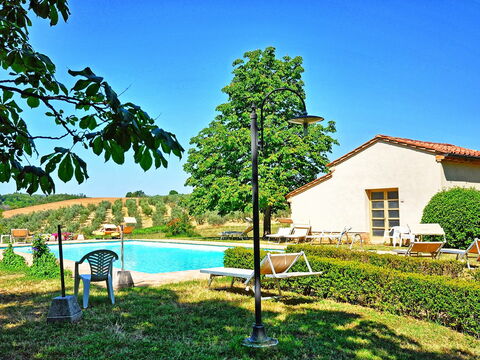
- Large property in a hilly area
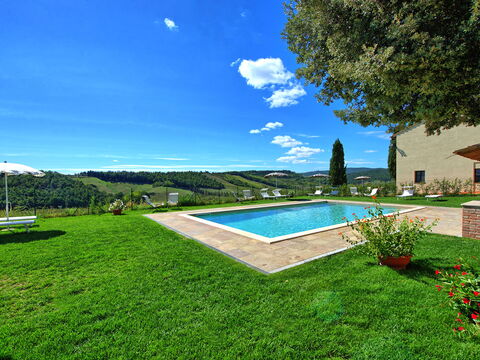
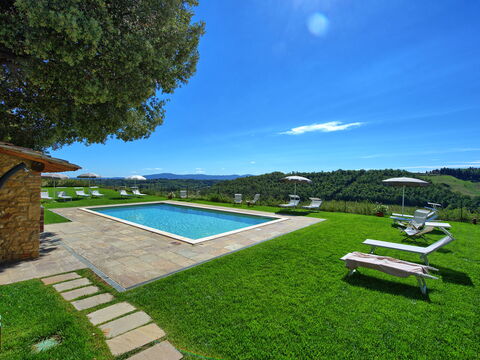
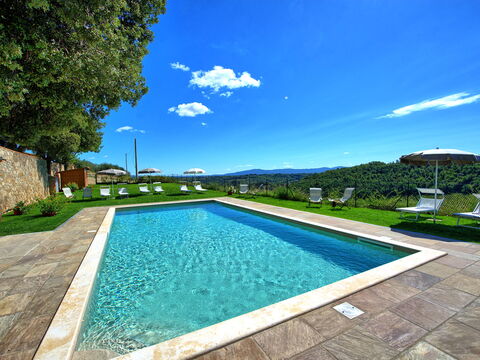
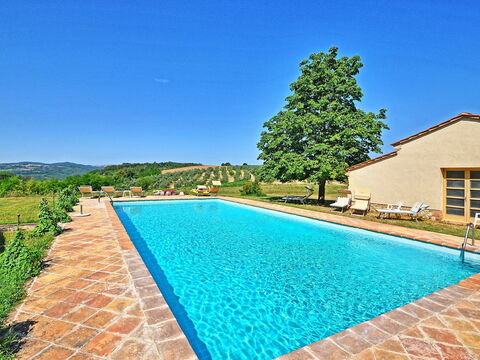
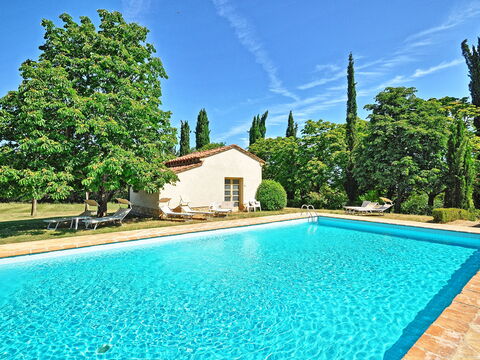
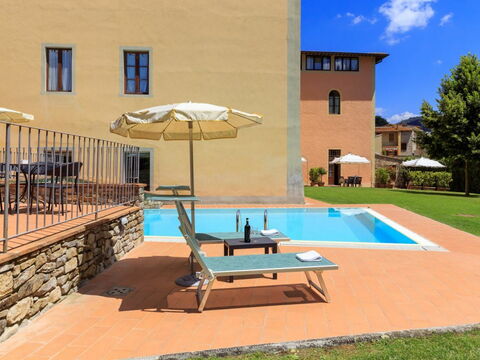
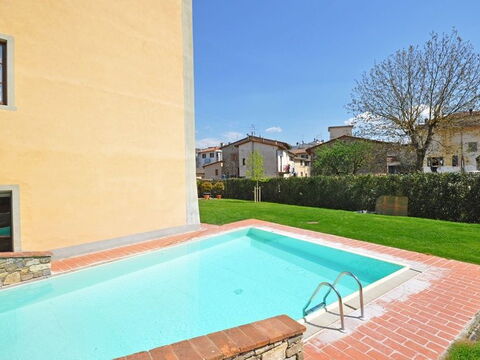
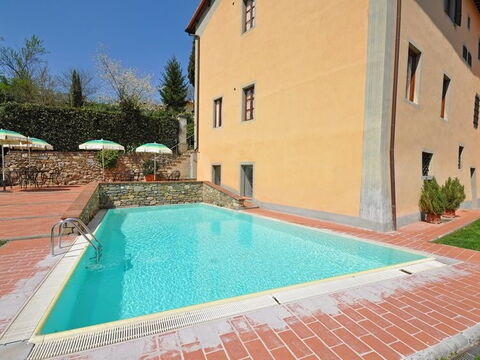
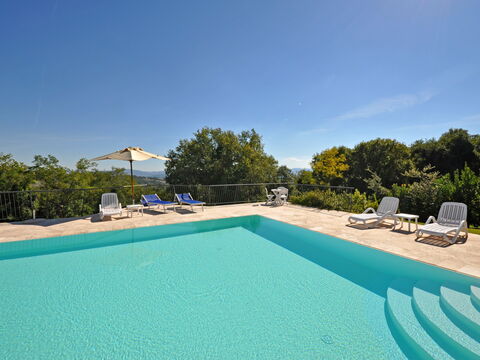
- Swimming pool overlooking San Gimignano
- Possibility to visit the cellar
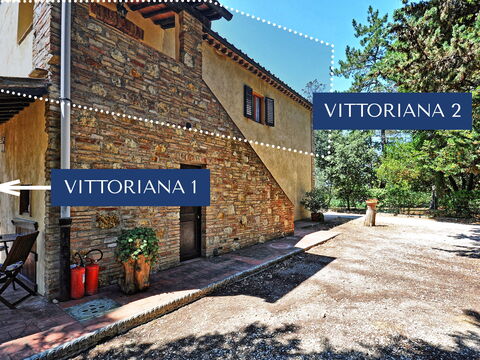
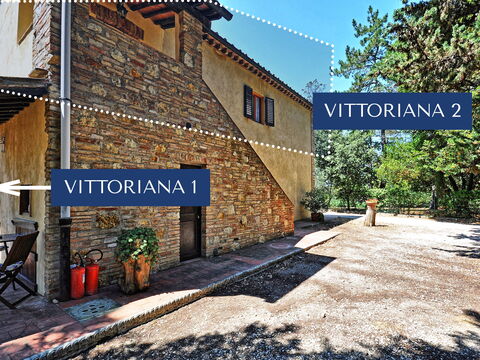
Vittoriana 1
per night
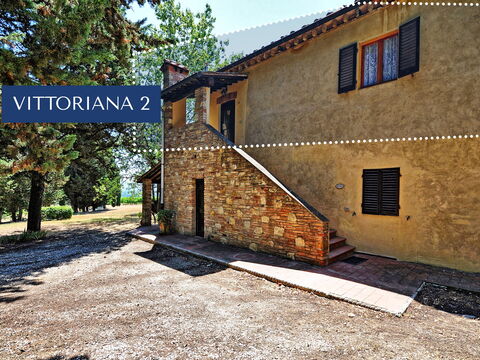
Vittoriana 2
per night
Vittoriana 3
per night
Vittoriana 4
per night
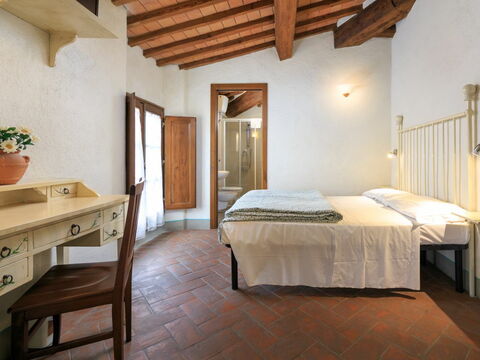
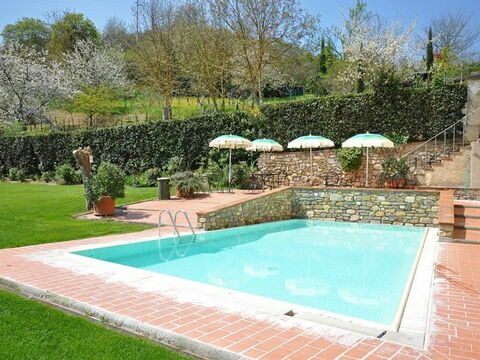
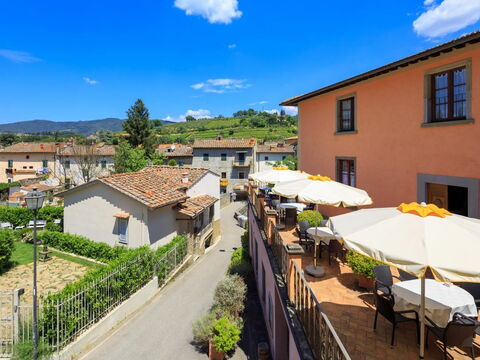
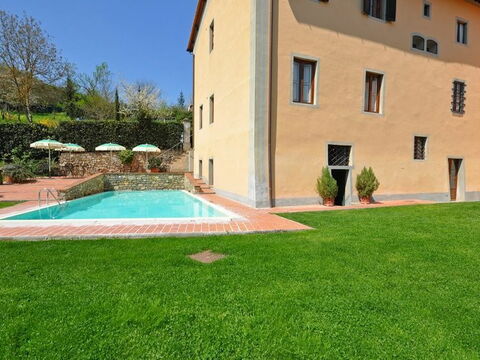
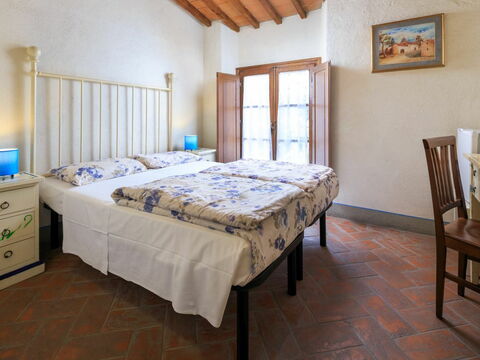
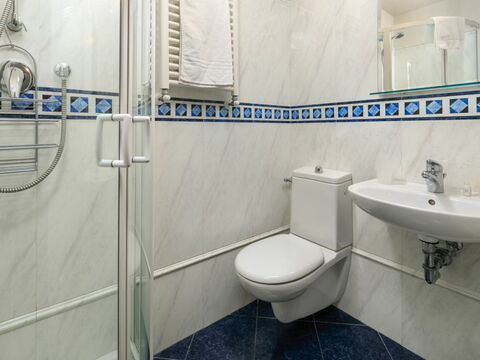
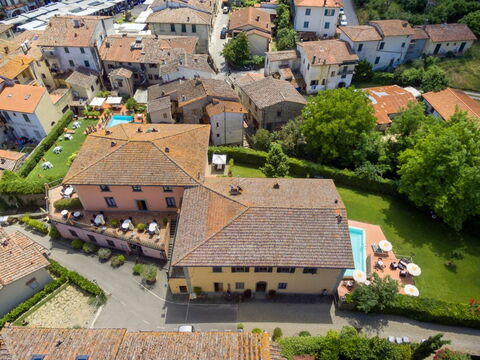
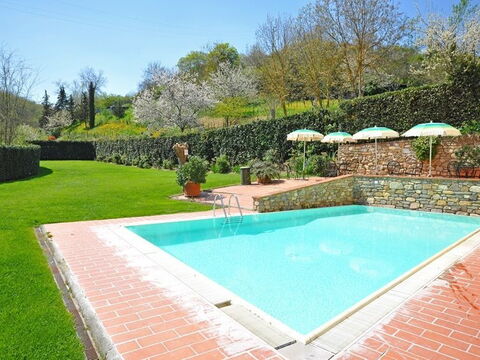
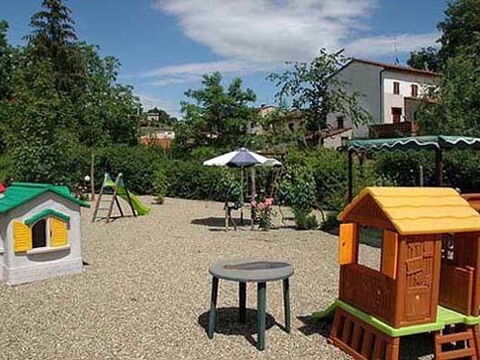
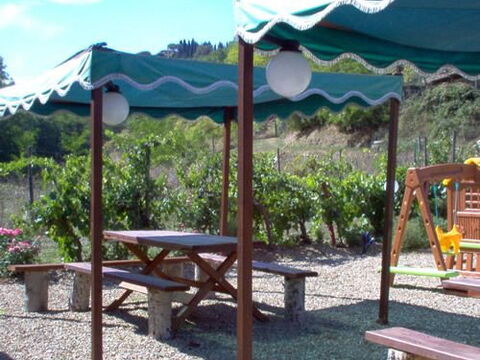
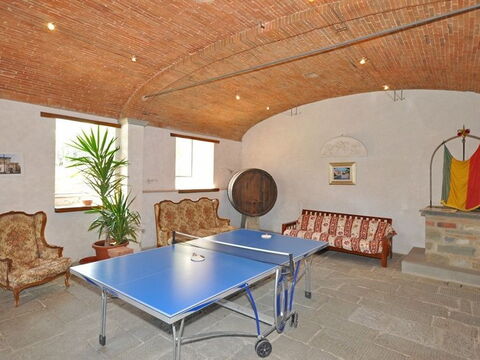
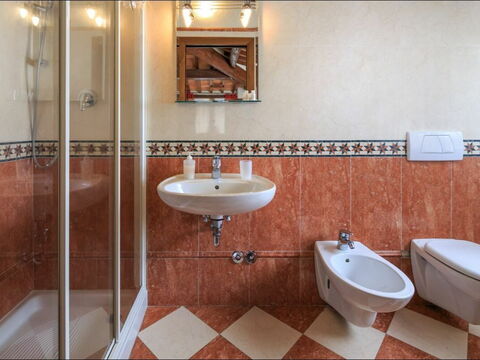
- 12
- 48
- 24
- 20
- Property in the center of Greve in Chianti
- Perfect for Chianti Classico winetour
- Table tennis and pool table
Mercantino
per night
Panorama
per night
Frantoio
per night
Molino
per night
Iris
per night
Steccaia
per night
Borro
per night
Giaggiolo
per night
Gramola
per night
Buratto
per night
Fiocchetto
per night
Caratello
per night
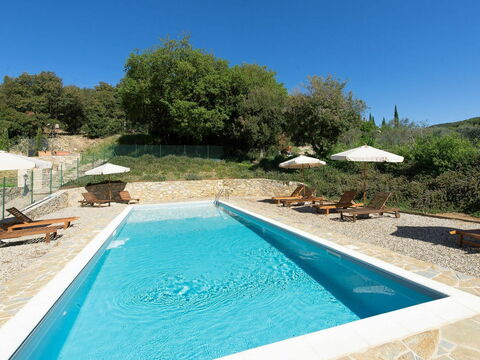
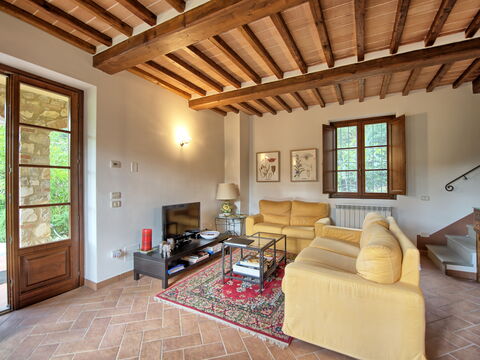
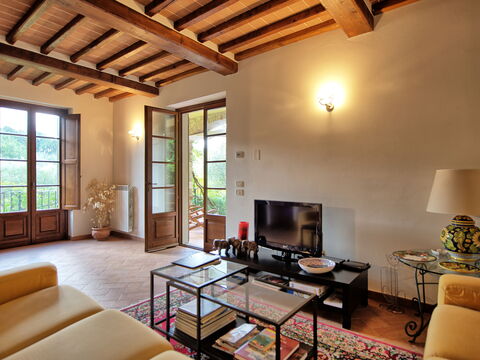
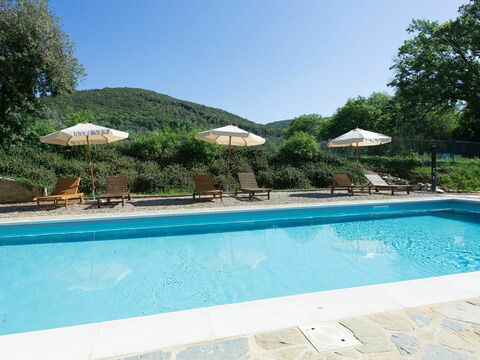
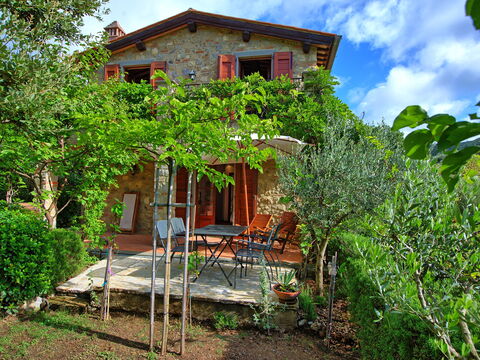
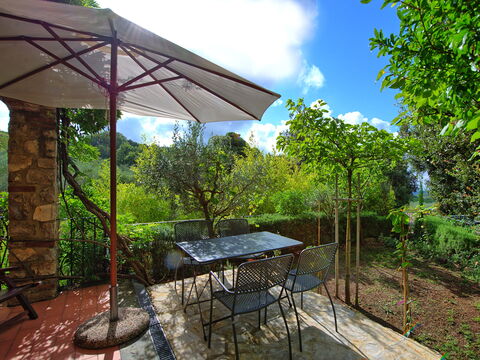
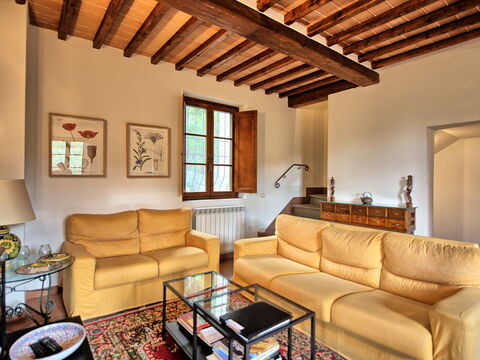
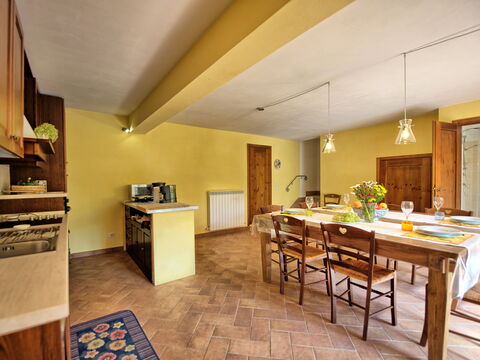
- 4
- 2
- 3
- 130 m2
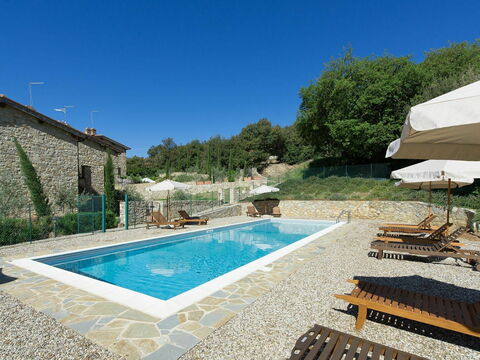
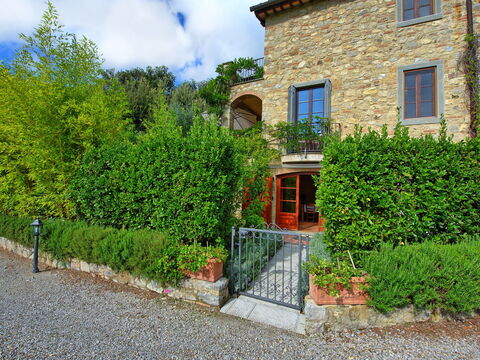
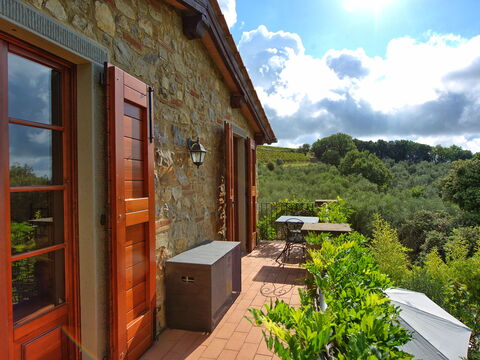
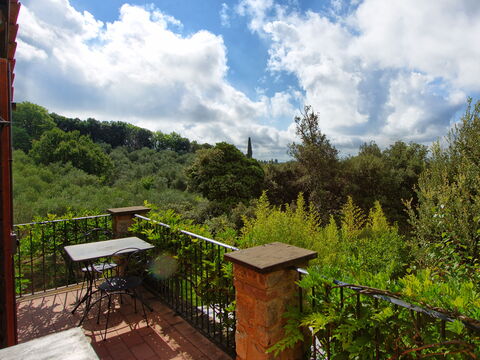
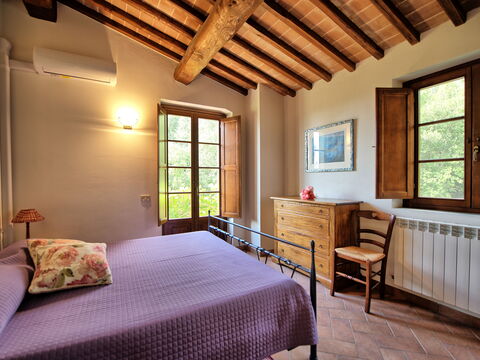
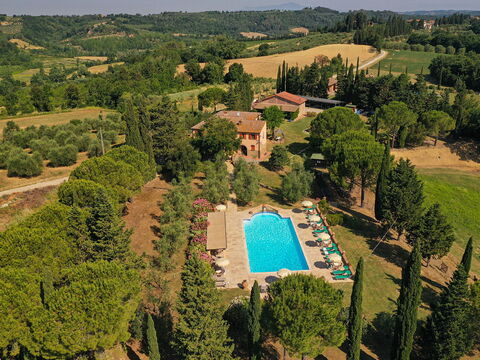
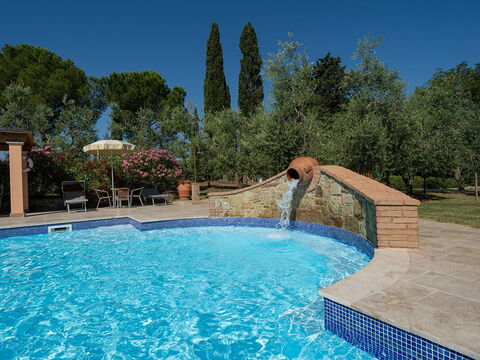
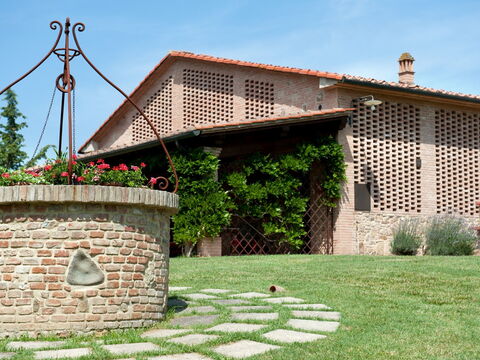
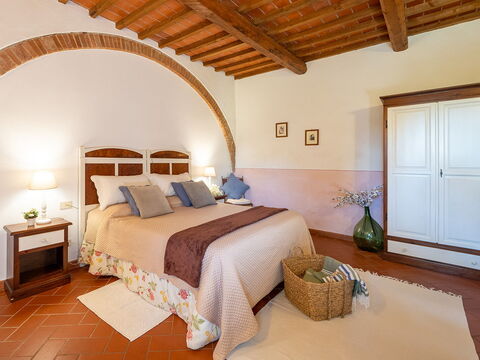
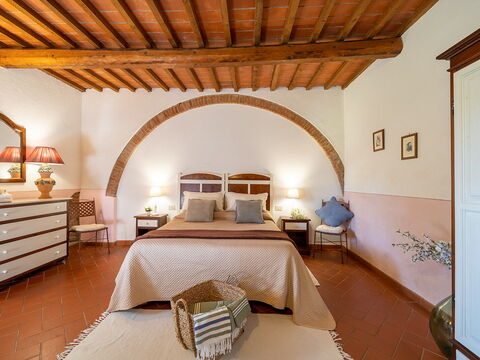
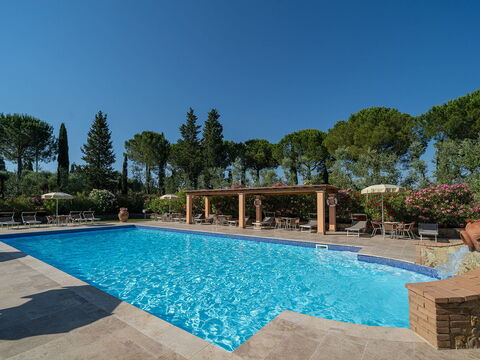
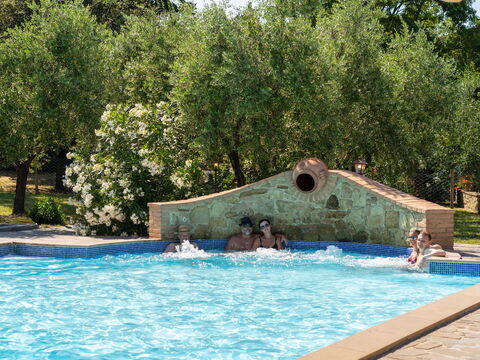
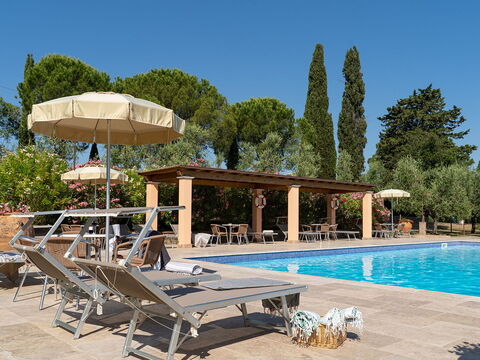
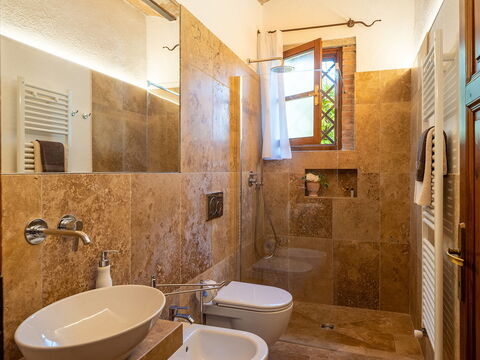
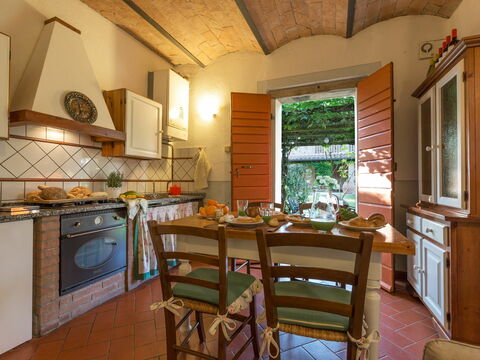
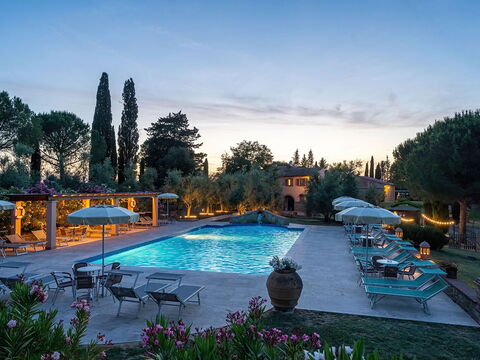
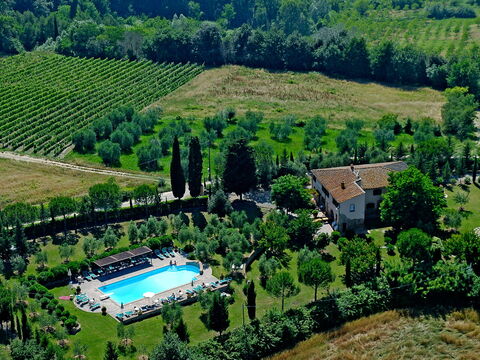
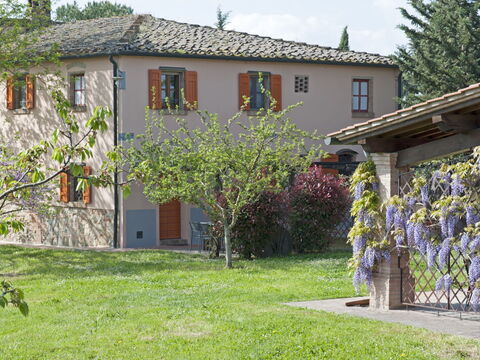
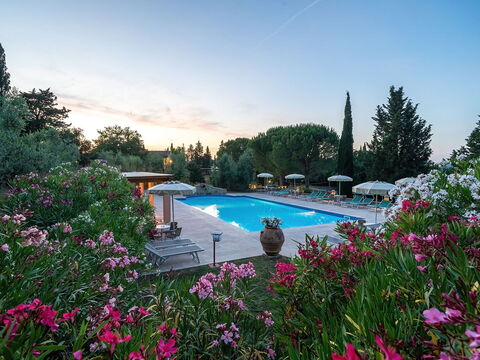
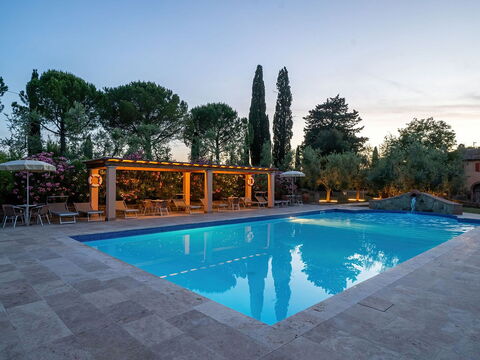
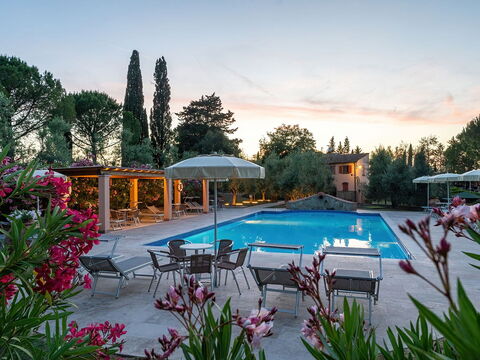
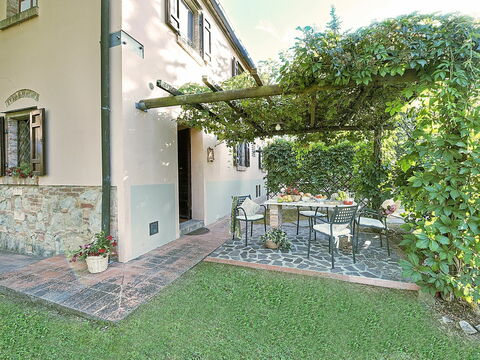
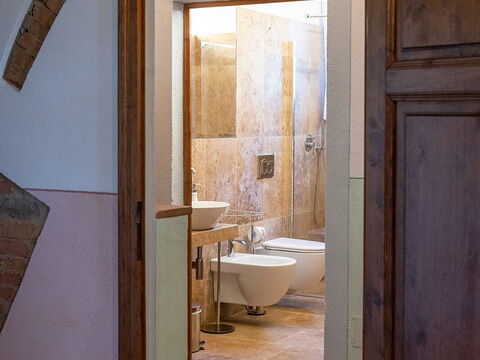
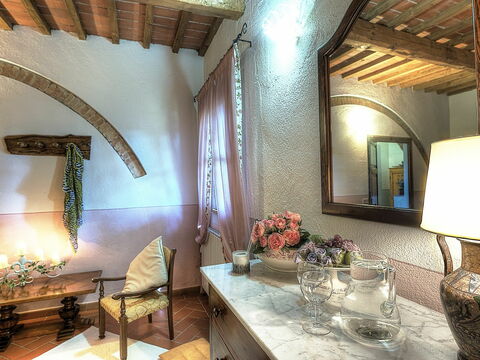
- Charming house in the Chianti Classico hills
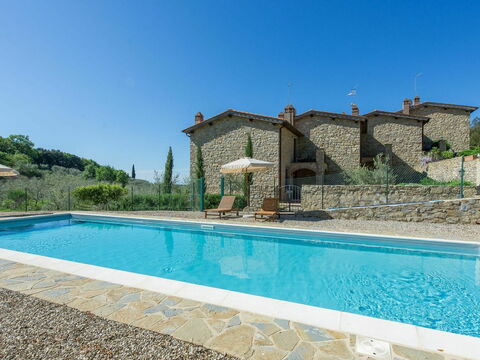
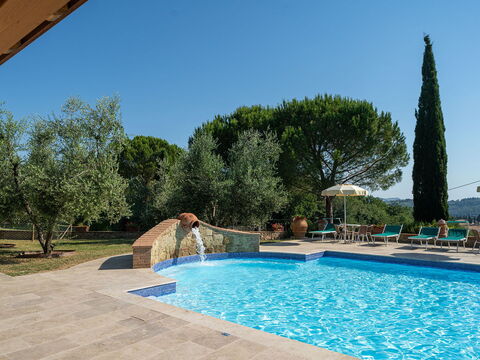
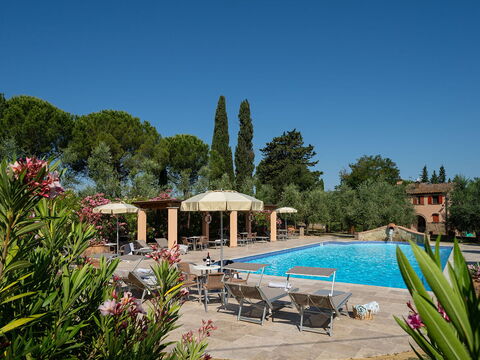
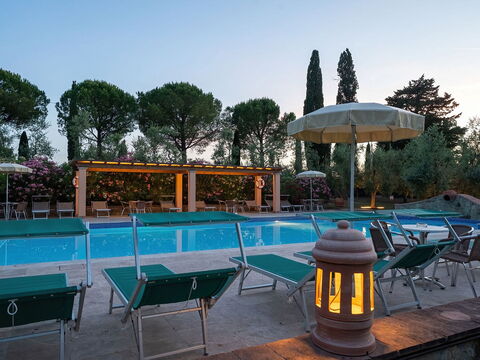
- Terrace with shared pool
- Excellent location for wine lovers
- 8
- 42
- 14
- 10
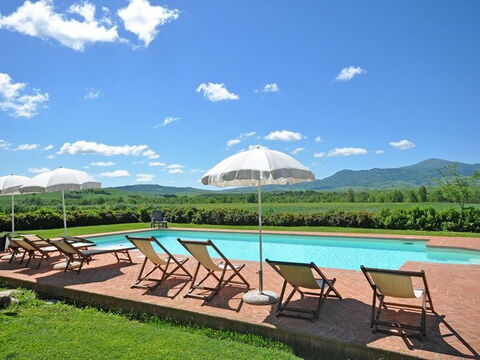
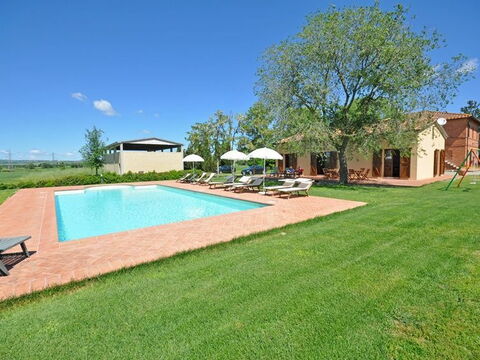
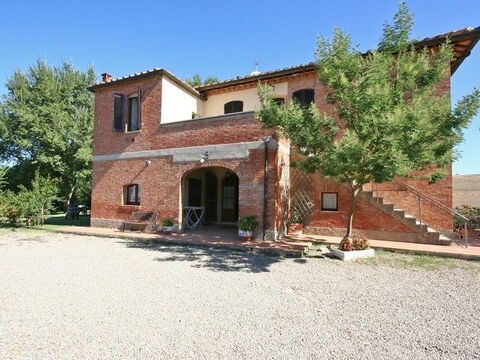
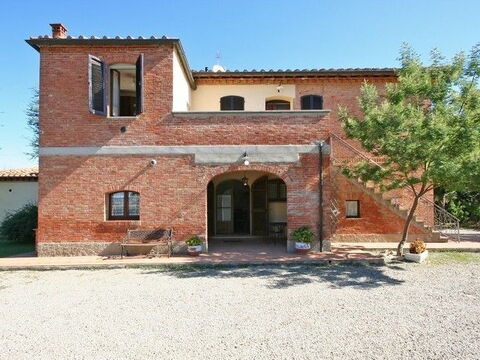
- Property in the Tuscan countryside
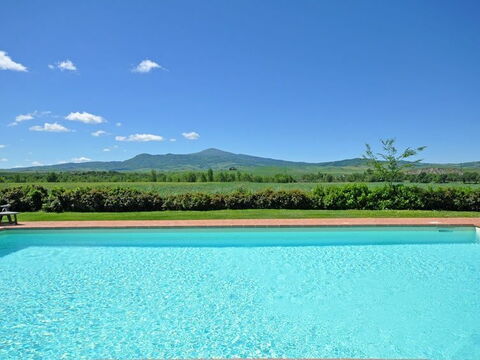
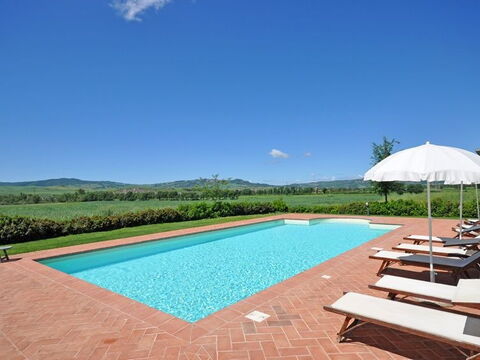
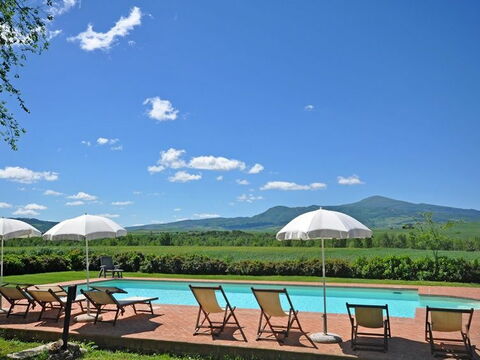
- Swimming pool with whirlpool corner
- Ping-pong and bowling green
Montelopio 1
per night
Montelopio 2
per night
Montelopio 3
per night
Montelopio 4
per night
Montelopio 5
per night
Montelopio 6
per night
Montelopio 7
per night
Montelopio 8
per night
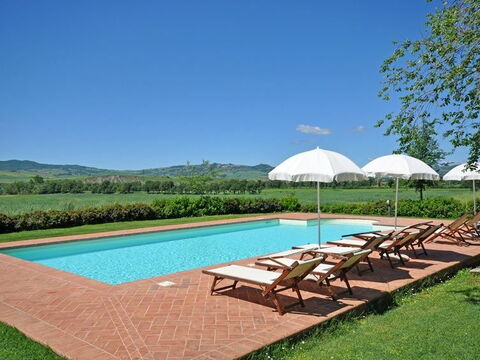
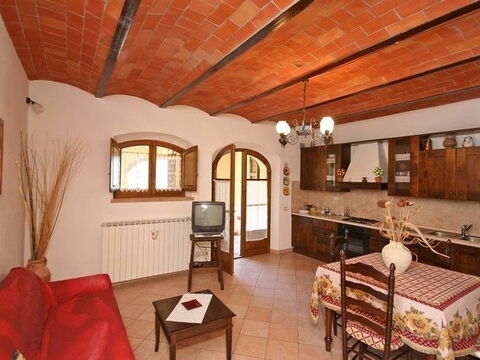
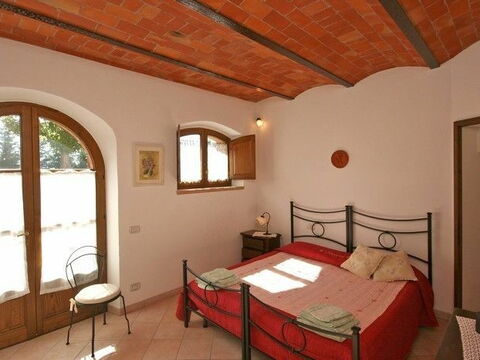
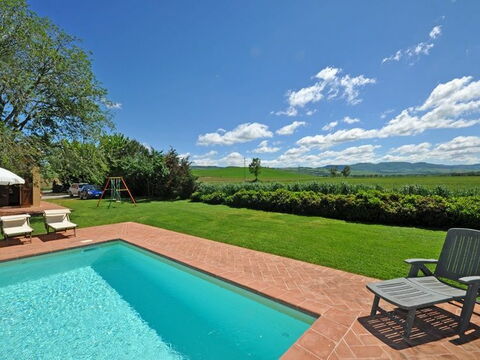
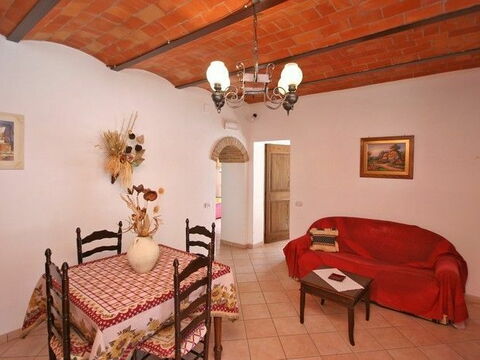
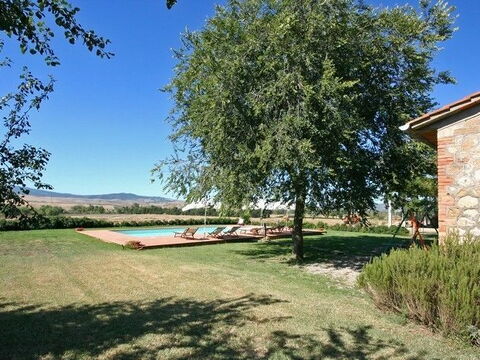
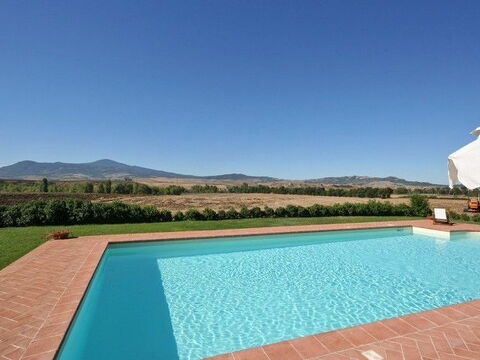
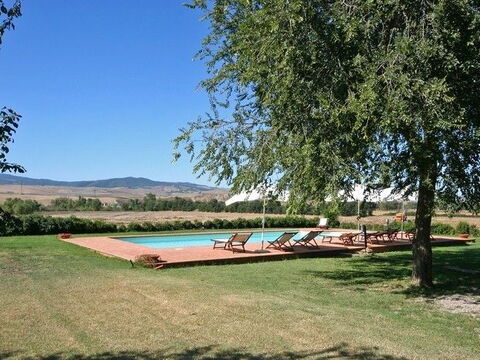
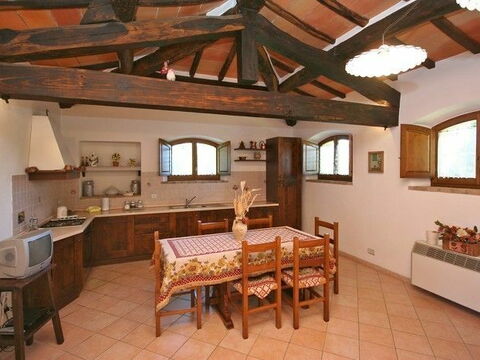
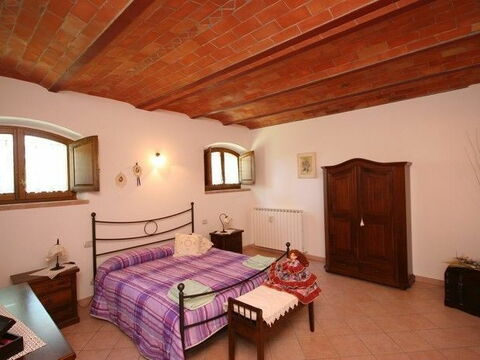
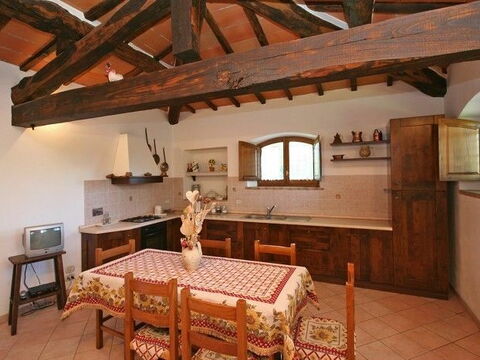
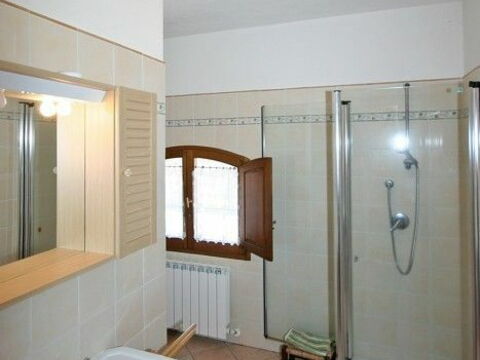
- 3
- 15
- 7
- 7
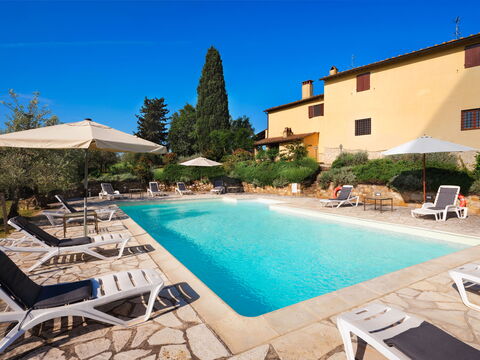
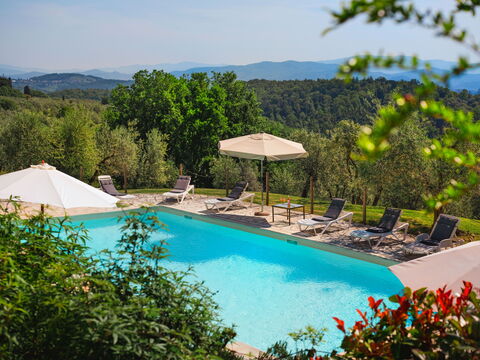
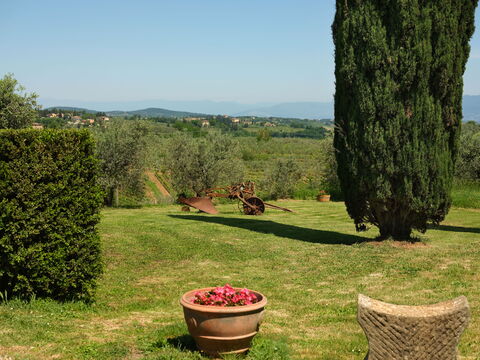
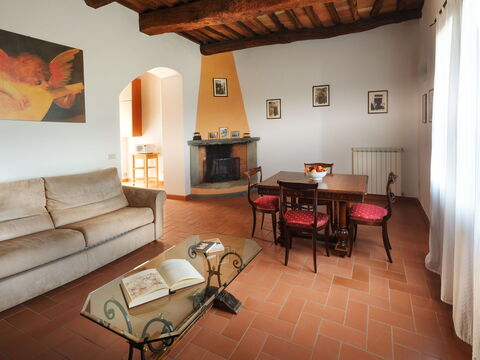
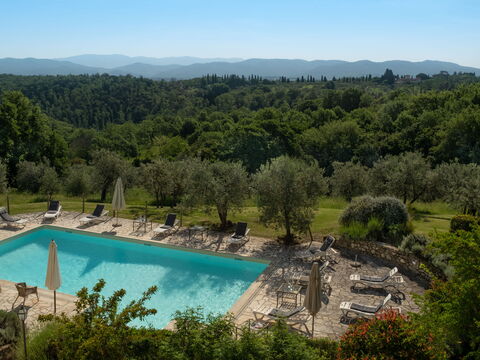
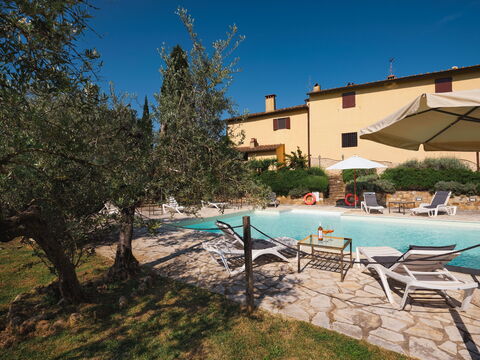
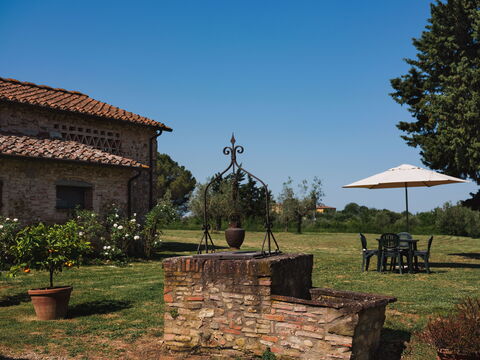
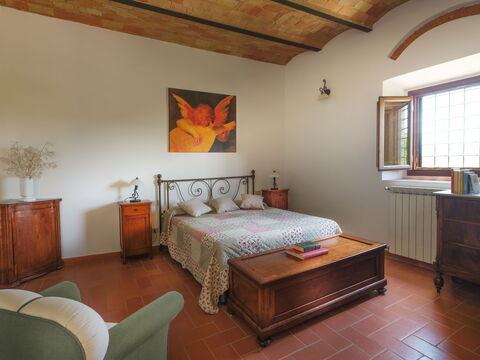
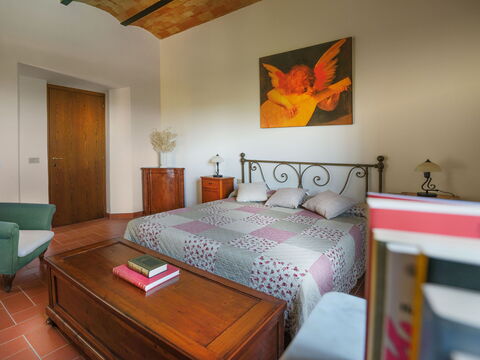
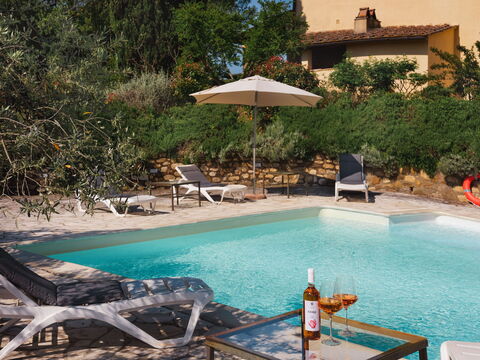
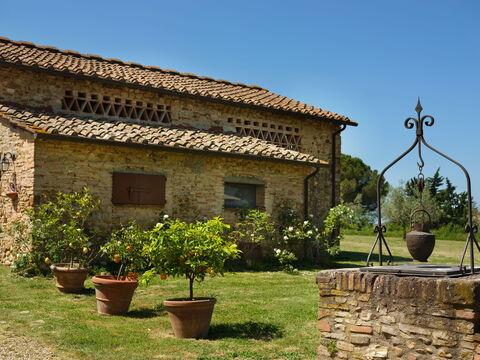
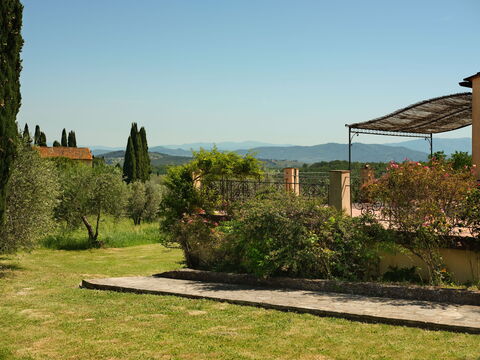
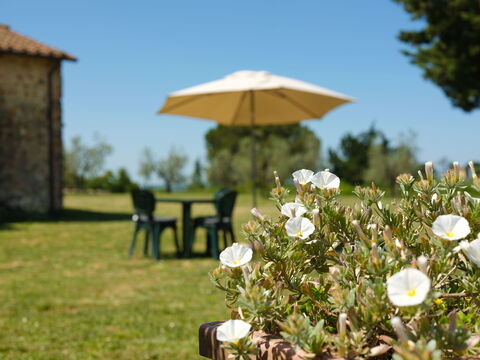
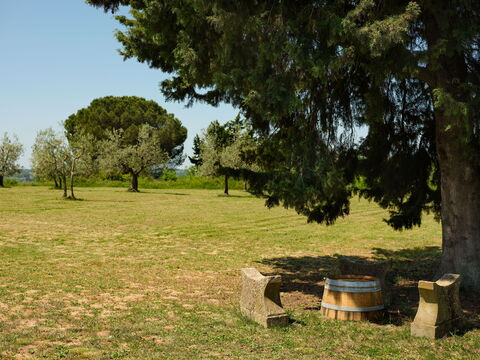
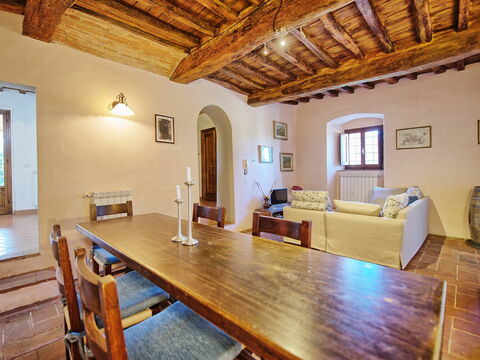
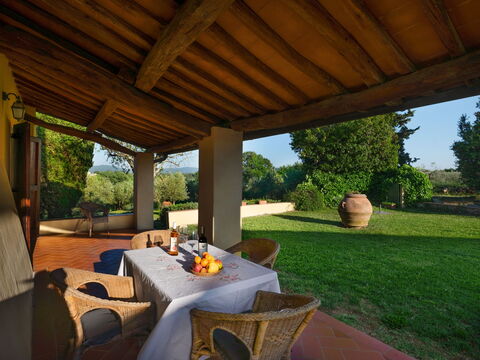
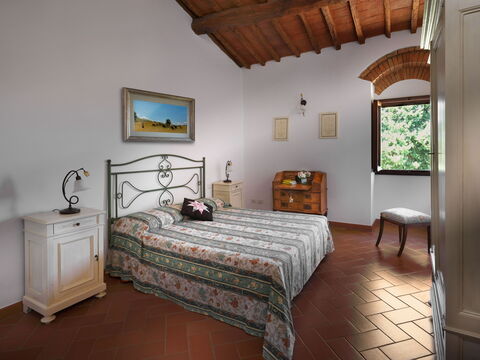
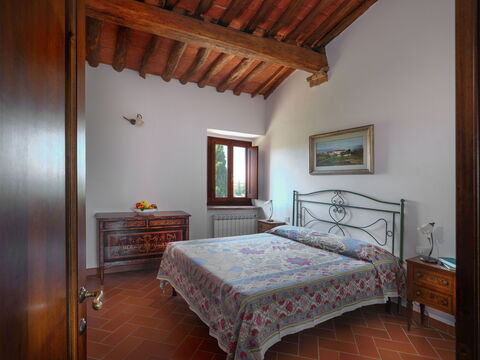
- Typical Tuscan rural property
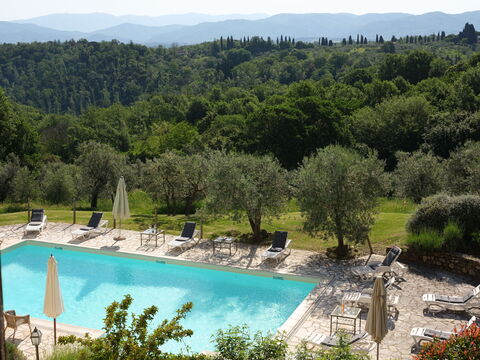
- Beautiful swimming pool with panoramic view
- 5 km far from Bagni Vignone (spa)
- 2
- 10
- 4
- 4
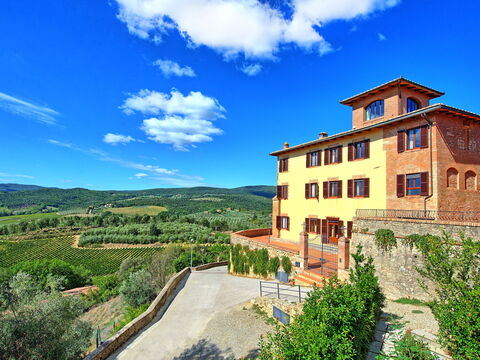
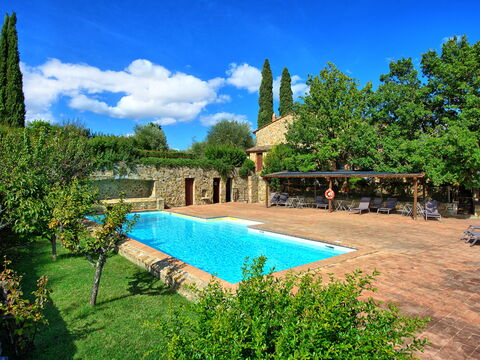
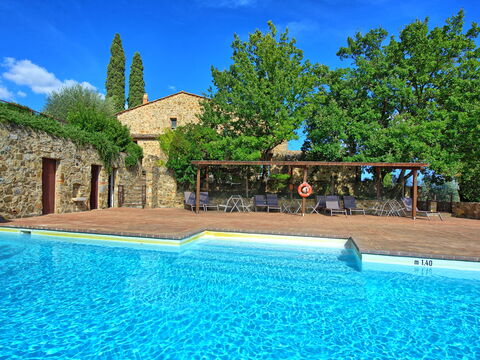
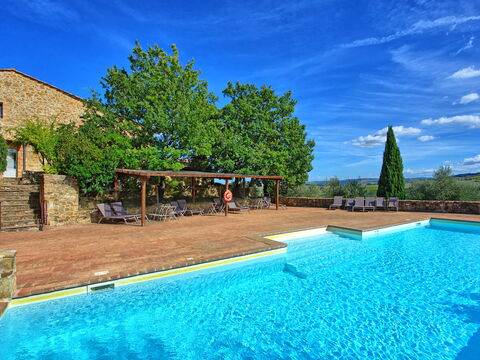
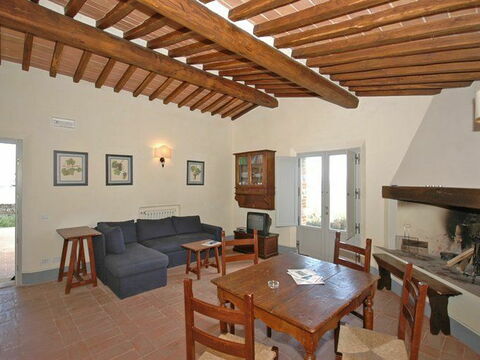
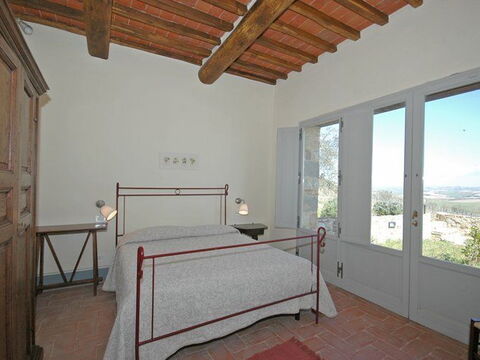
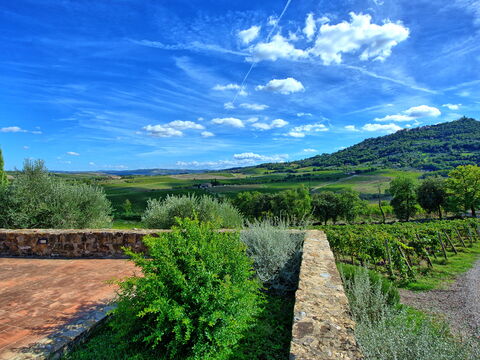
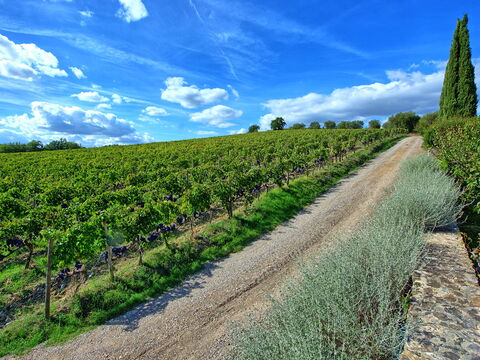
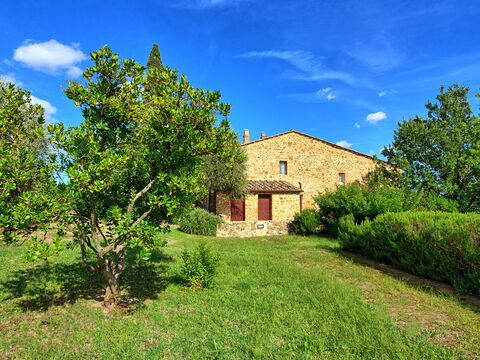
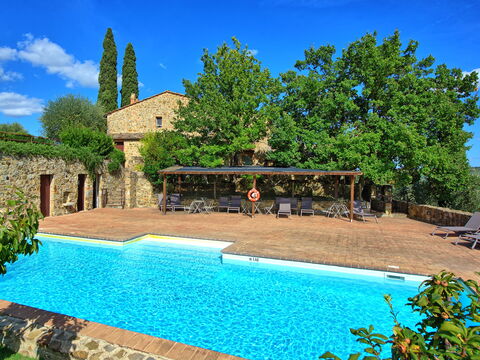
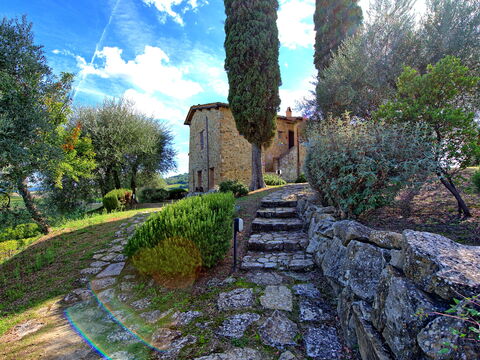
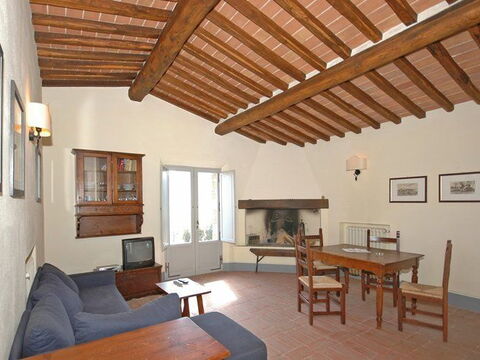
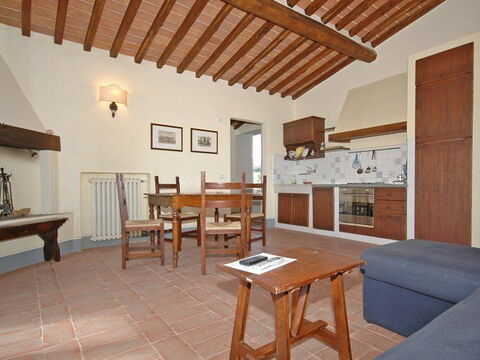
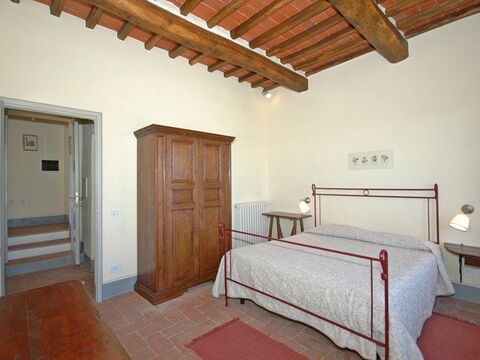
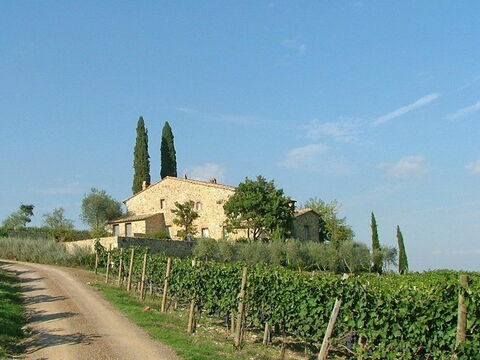
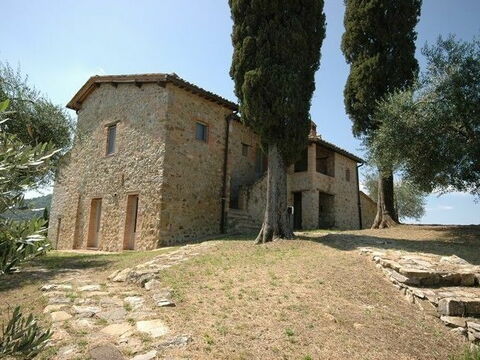
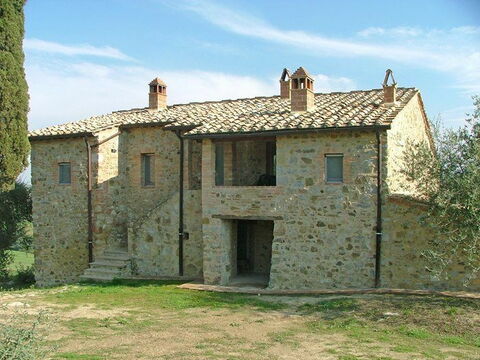
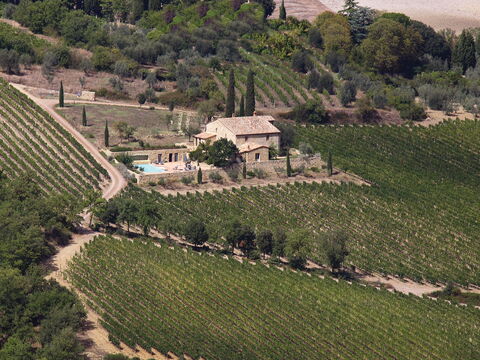
- A stunning property nestled in the heart of Chianti Classico
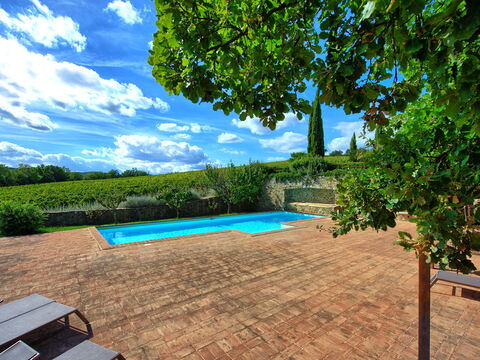
- Swimming pool with panoramic view
- Bus stop within walking distance
Pozzo dei Desideri 1
per night
Pozzo dei Desideri 2
per night
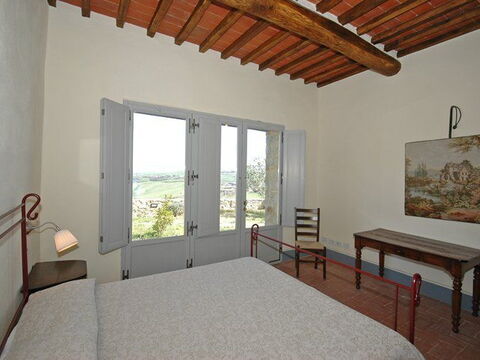
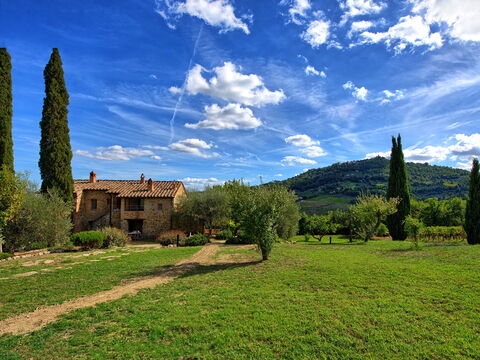
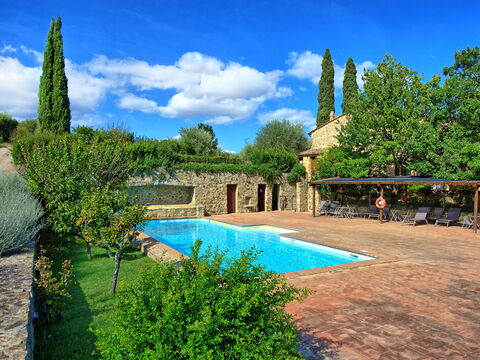
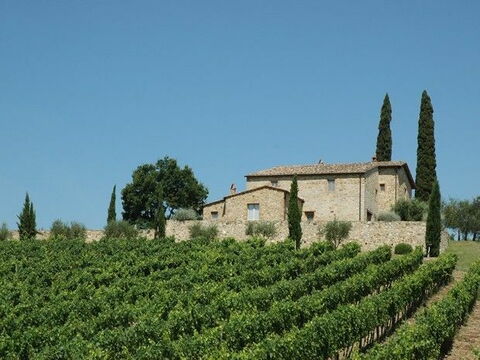
- 3
- 14
- 8
- 7
- Traditional Tuscan country house
- Beautiful swimming pool with panoramic view
- Hilly position among the vineyards
Brunello 1
per night
Brunello 2
per night
Brunello 3
per night
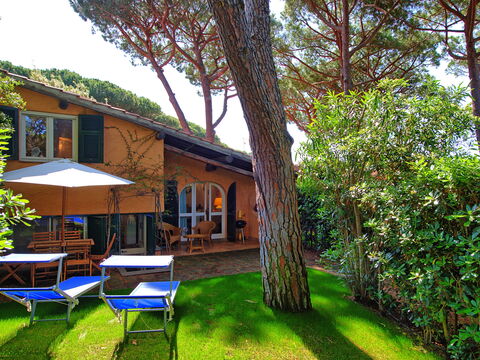
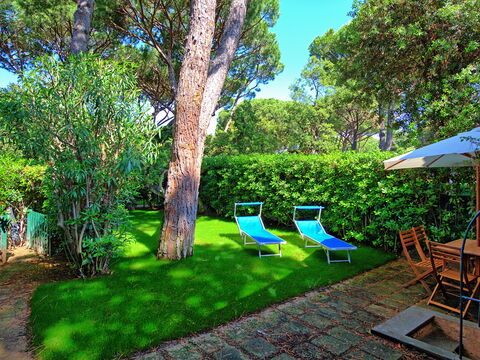
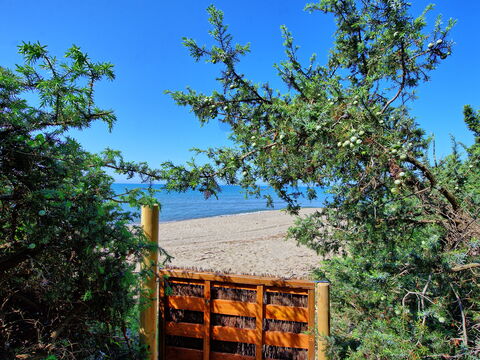
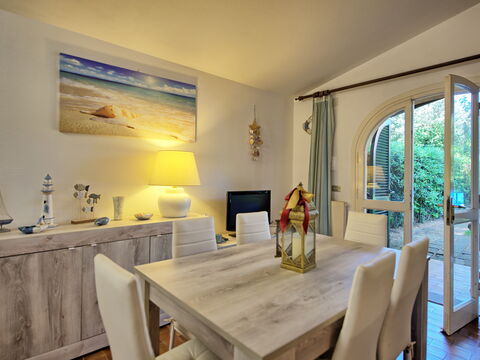
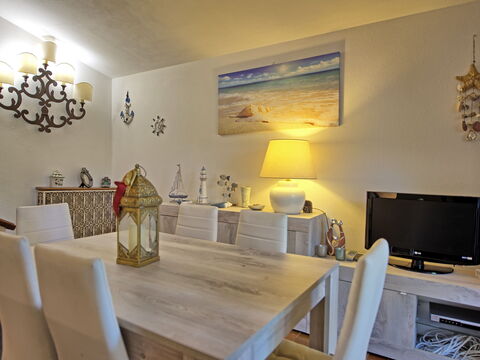
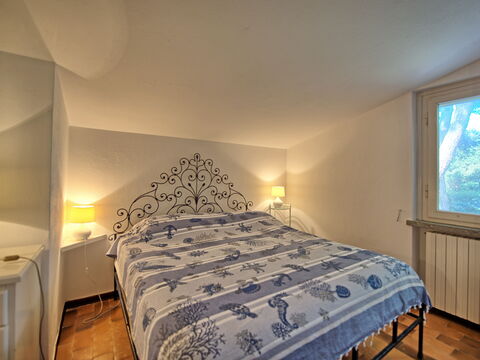
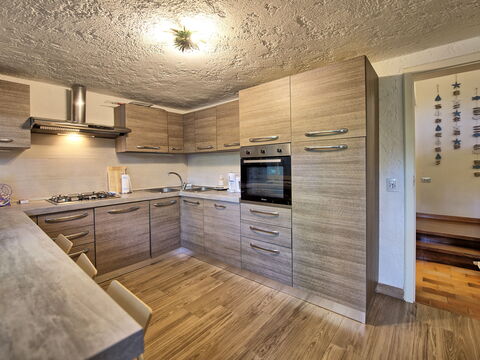
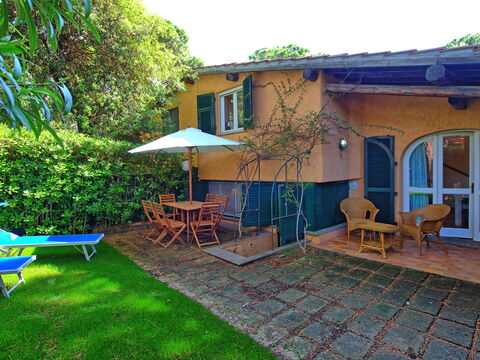
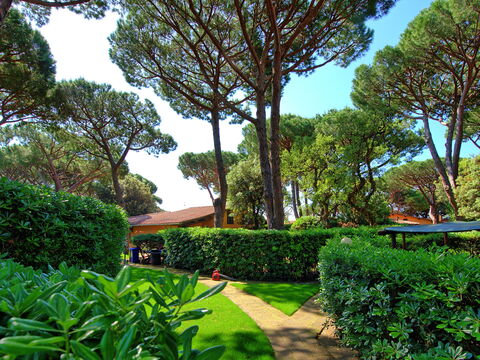
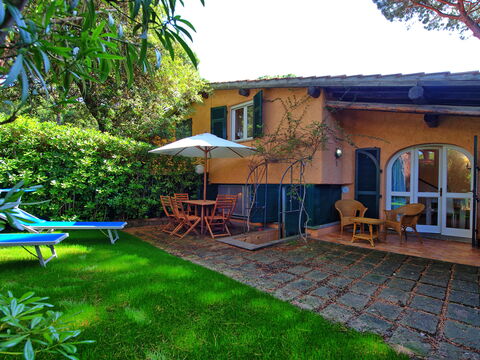
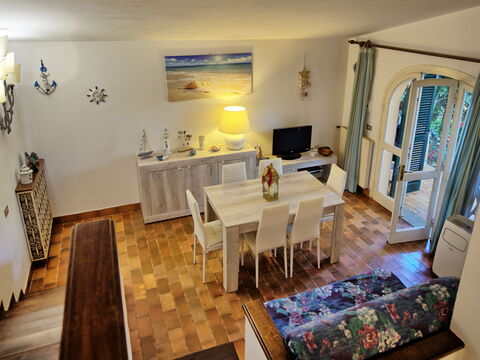
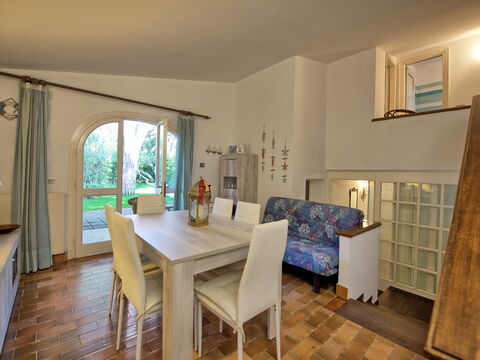
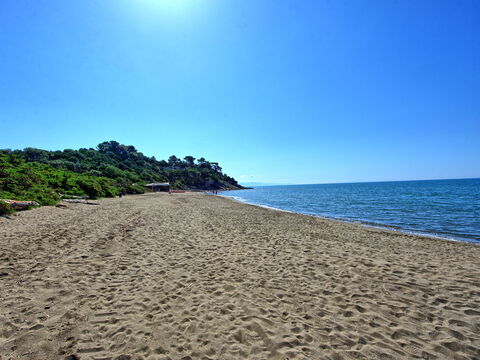
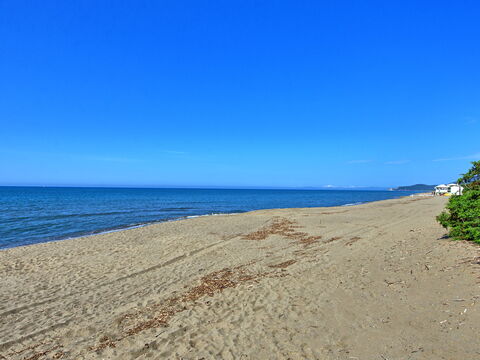
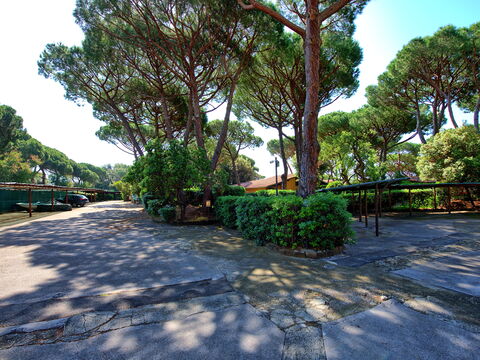
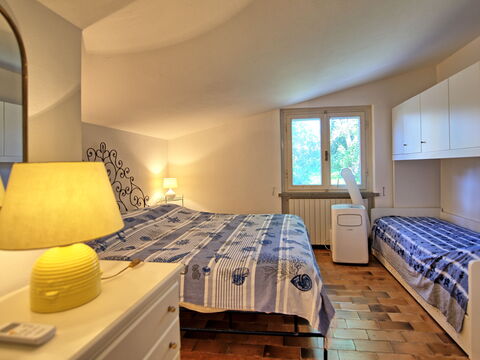
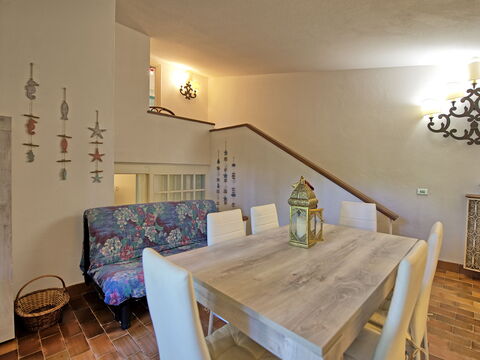
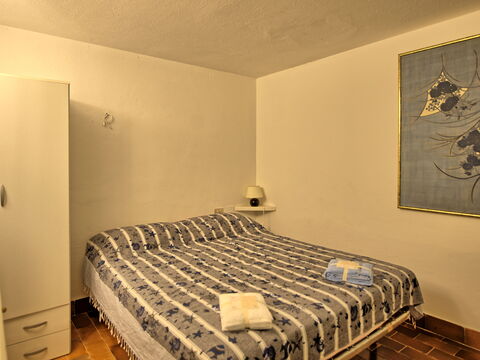
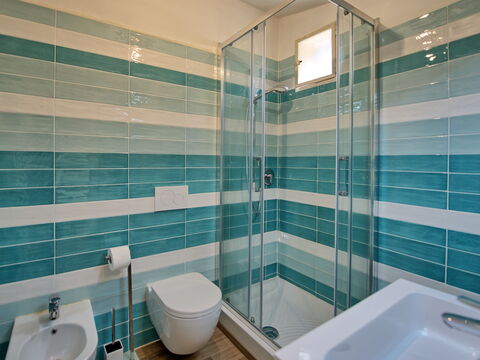
- 5
- 1
- 1
- 60 m2
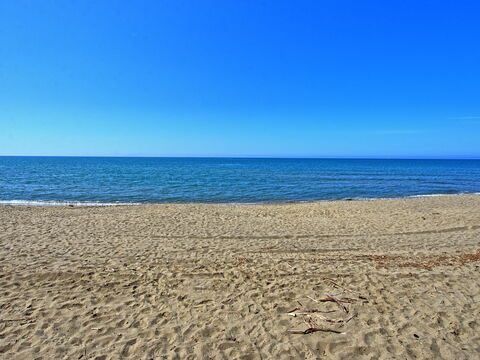
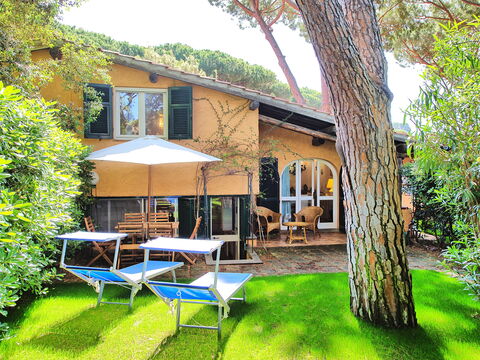
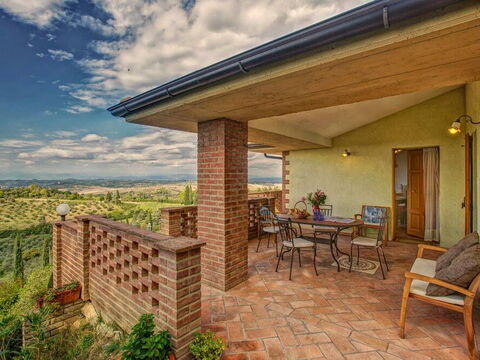
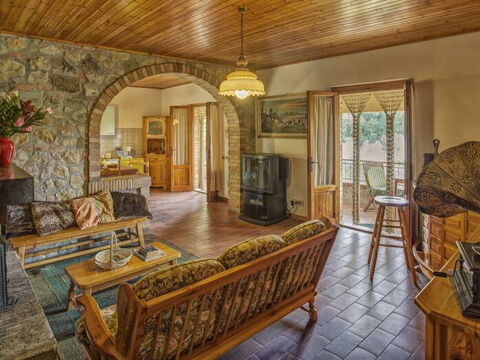
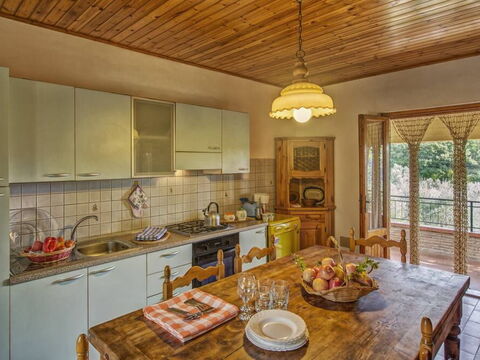
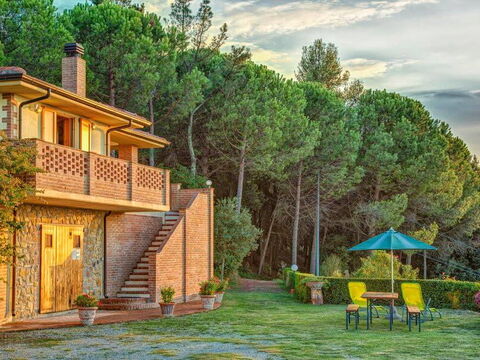
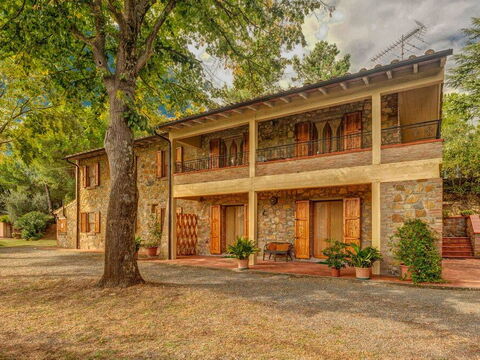
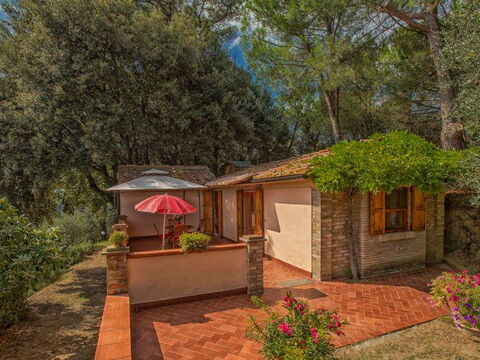
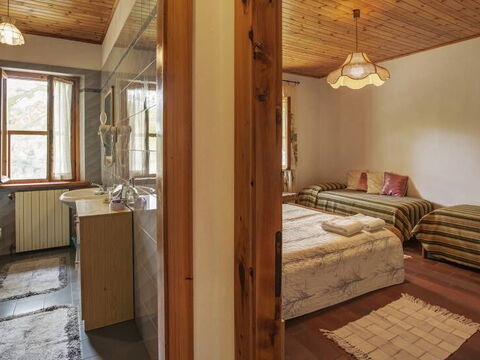
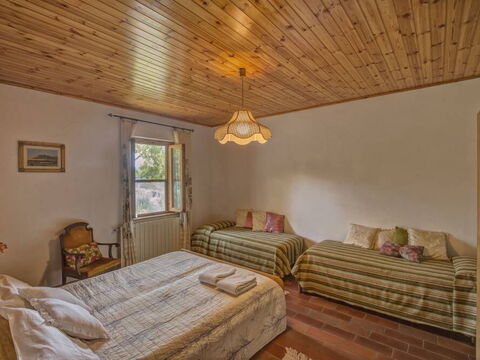
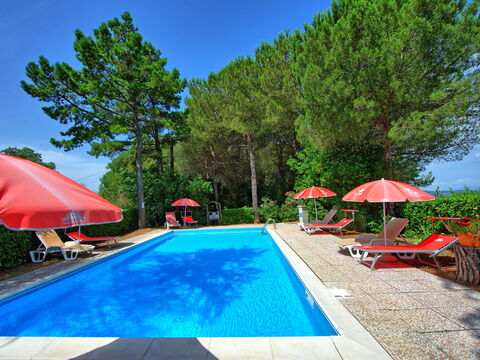
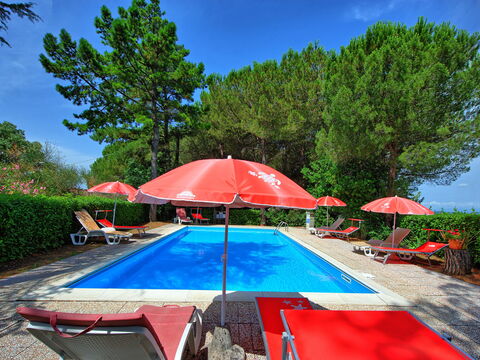
- Beautiful villa with direct access to the beach
- Including beach umbrella and sun loungers from the nearby beach club
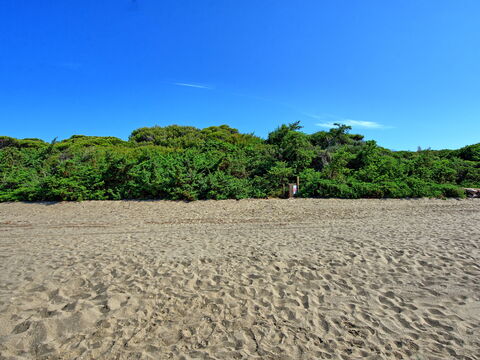
- House surrounded by pine forest
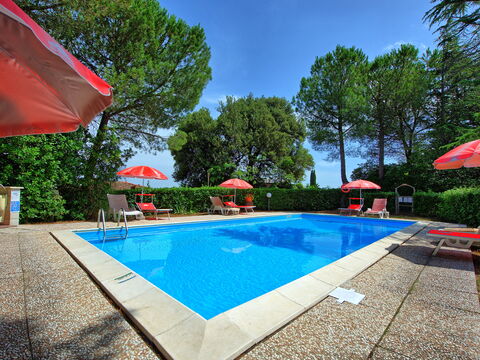
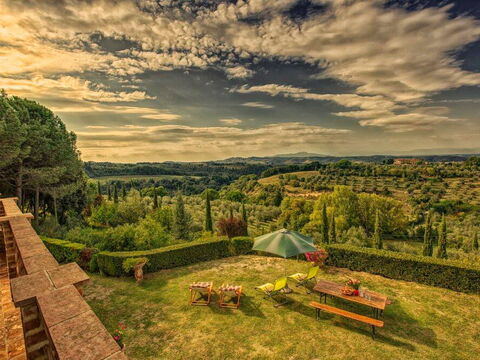
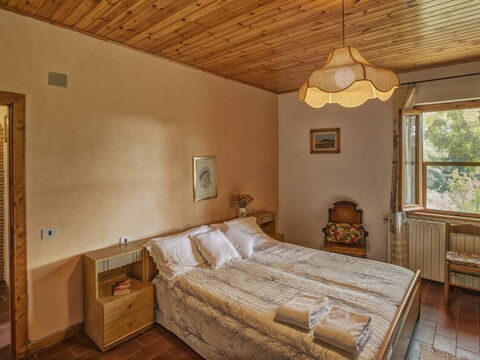
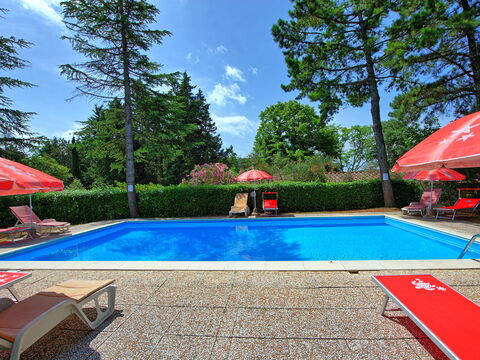
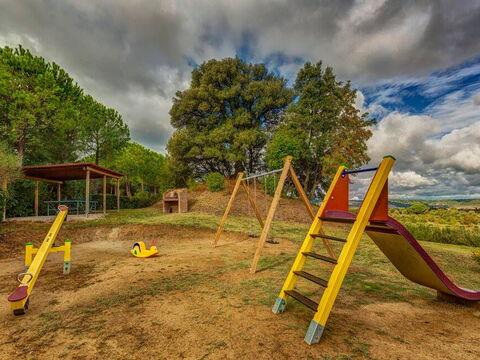
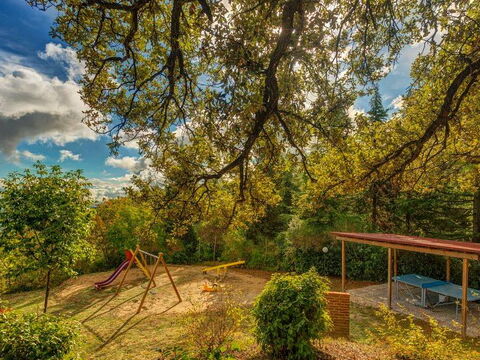
- 5
- 19
- 7
- 5
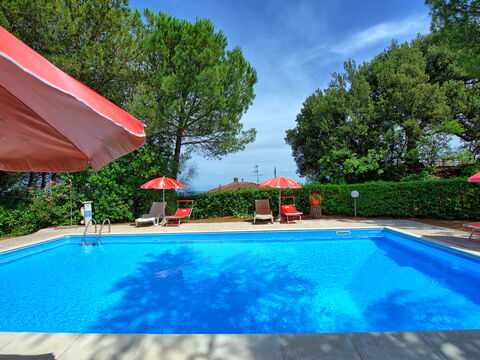
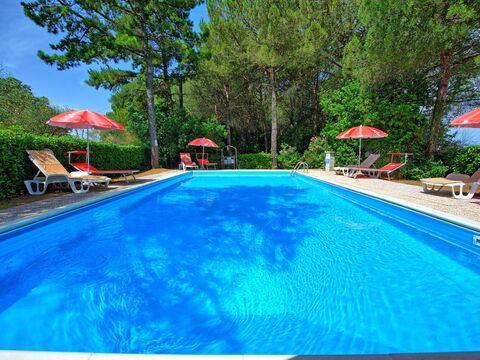
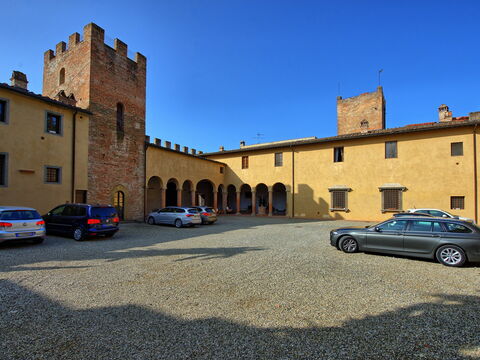
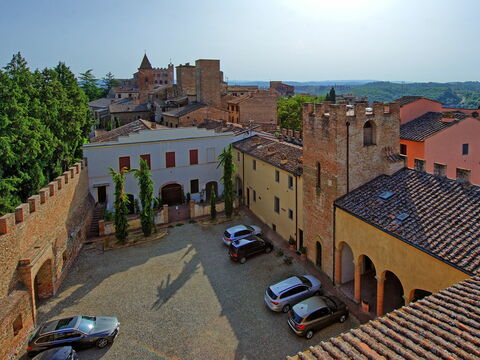
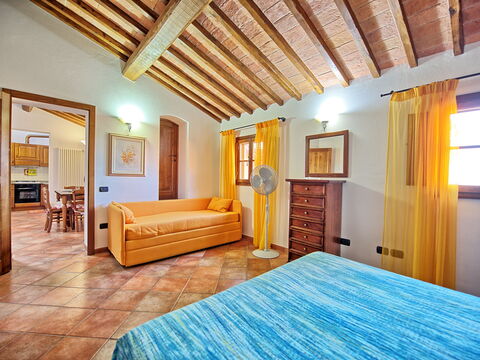
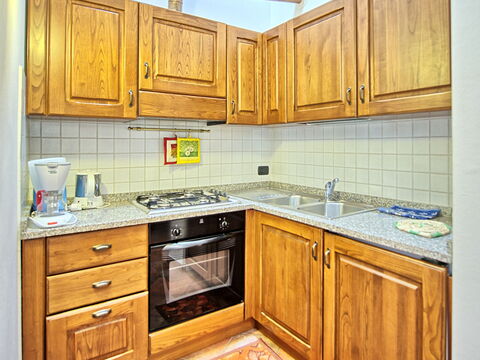
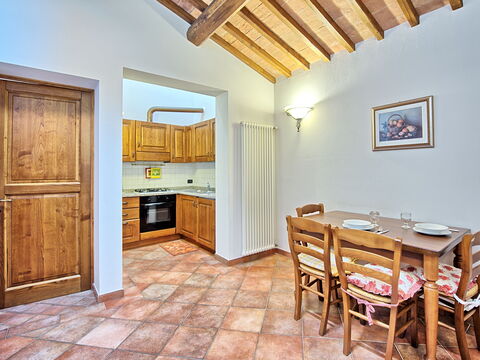
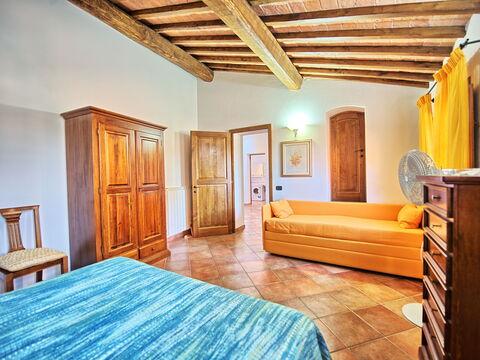
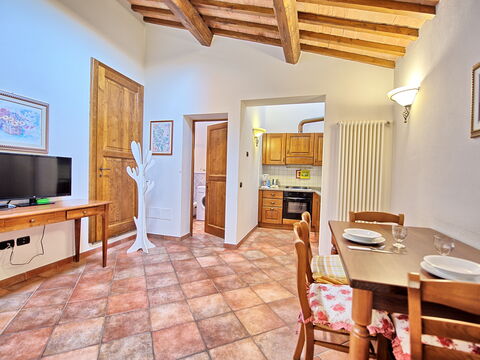
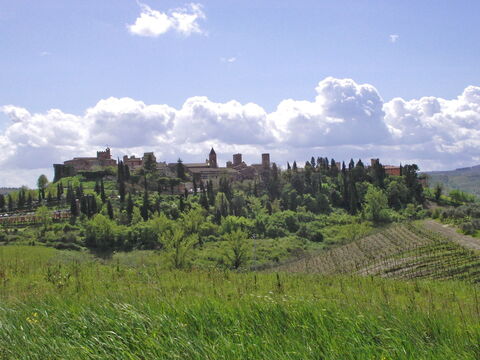
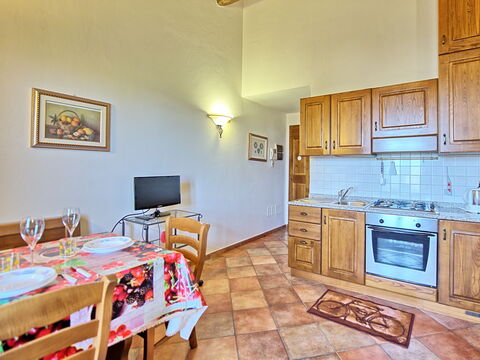
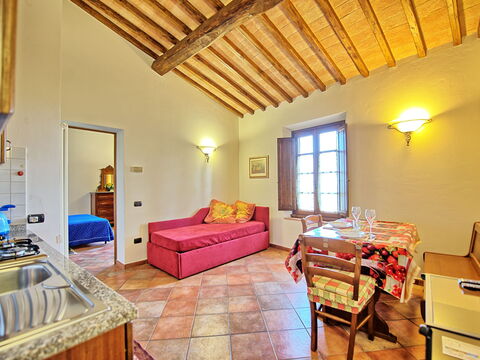
- Complex of 5 apartments with swimming pool
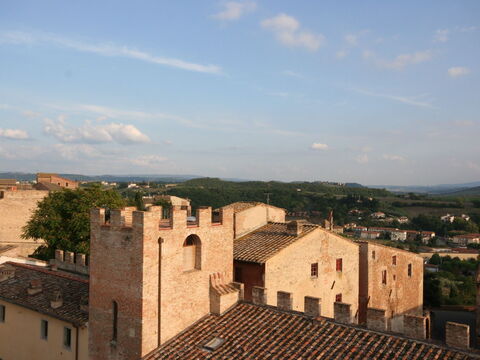
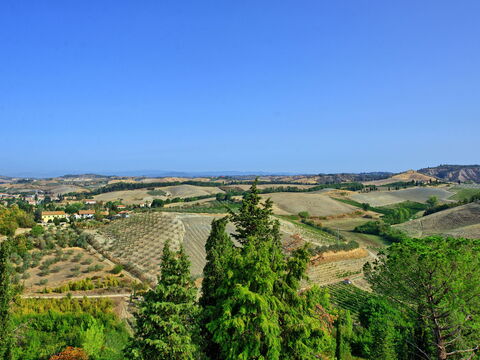
- View of the Tuscan hills
- Large park
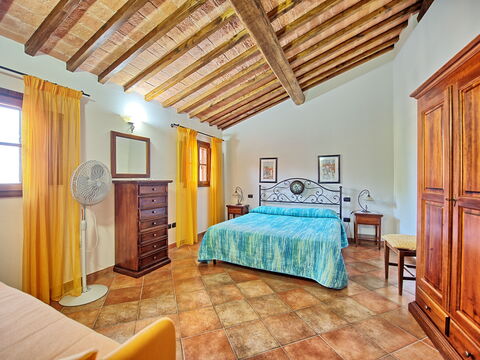
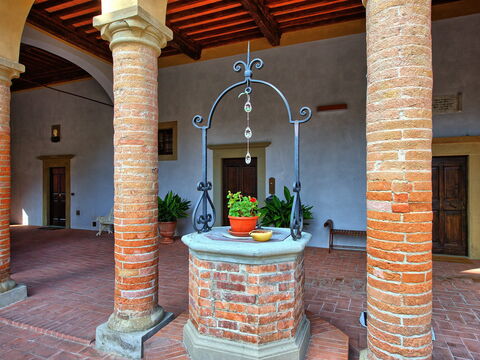
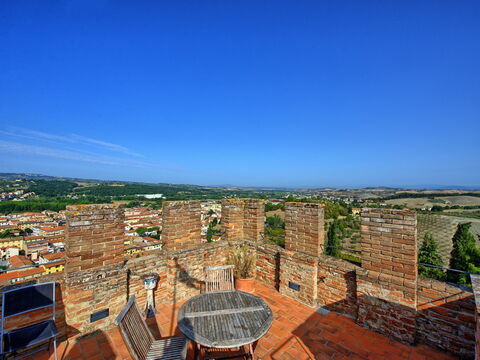
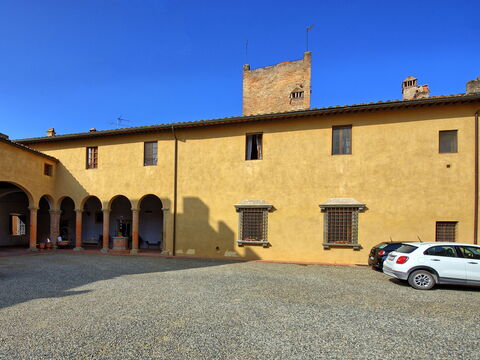
- 3
- 10
- 3
- 3
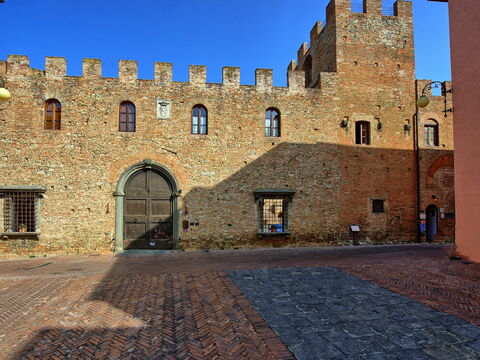
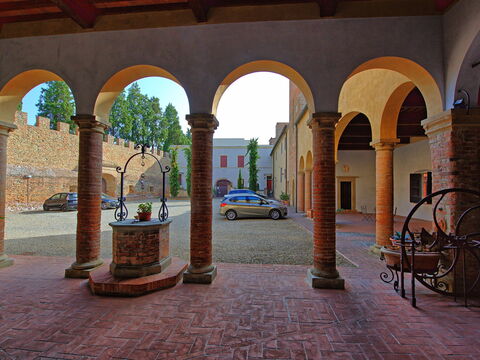
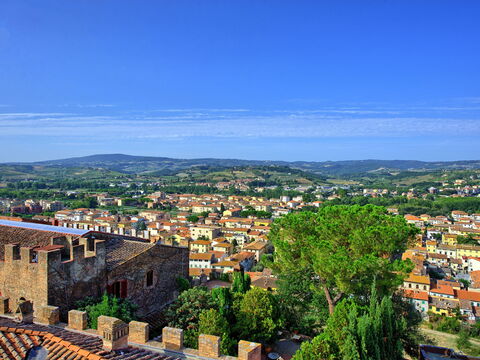
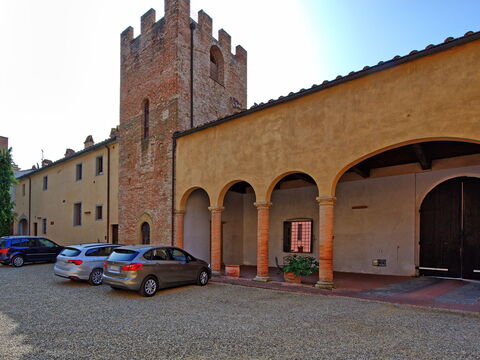
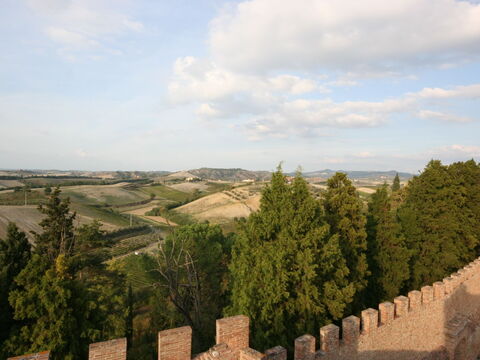
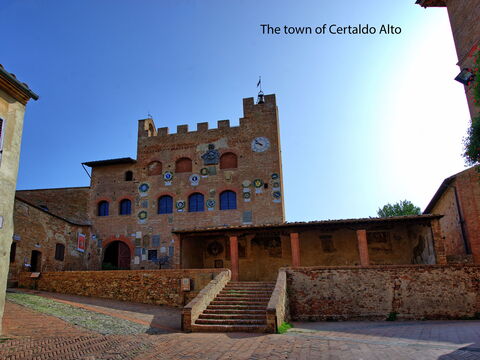
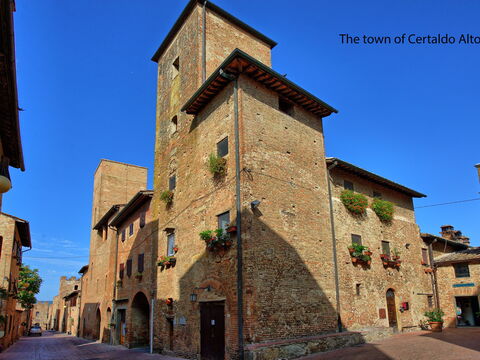
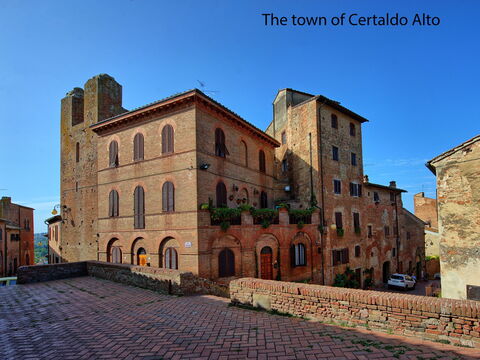
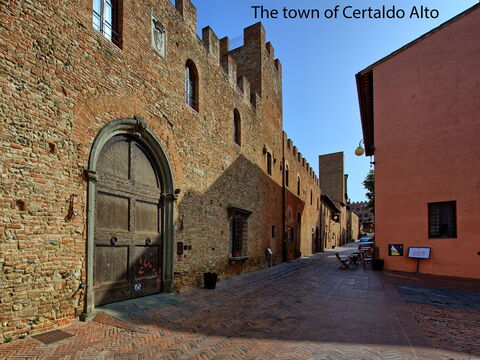
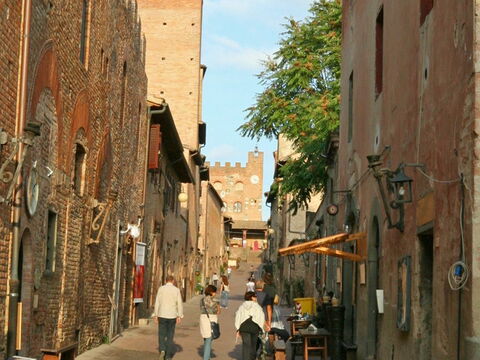
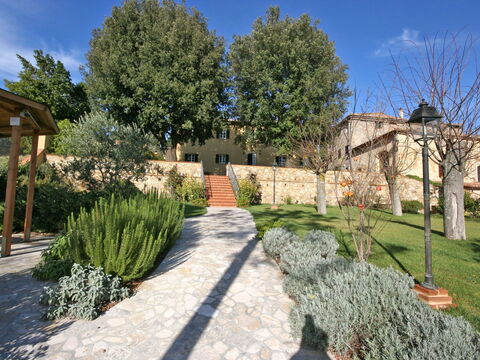
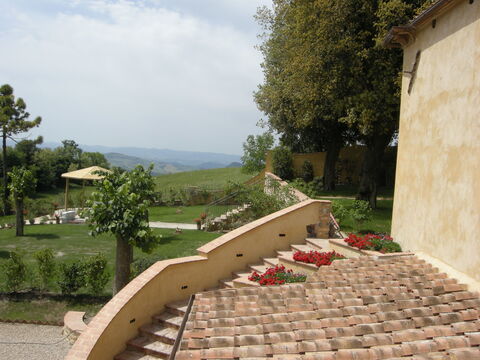
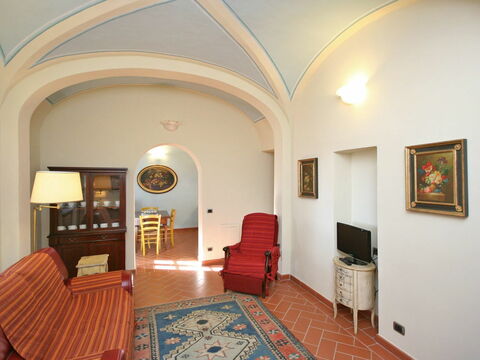
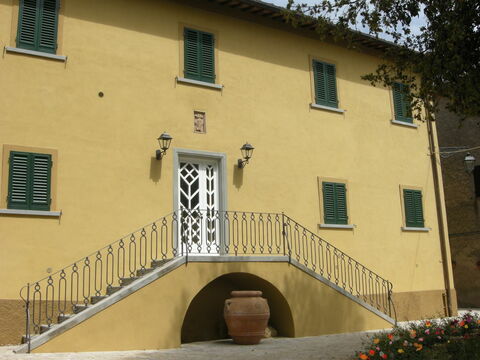
- Historic building in a small medieval village
- Free access to the tower with panoramic view
- Basic services within walking distance
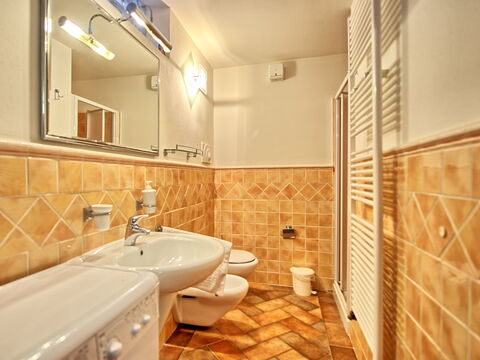
Certaldo 1
per night
Certaldo 2
per night
Certaldo 3
per night
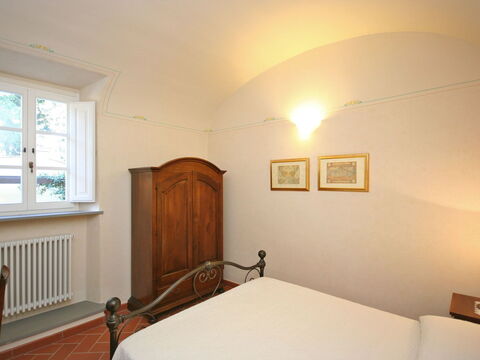
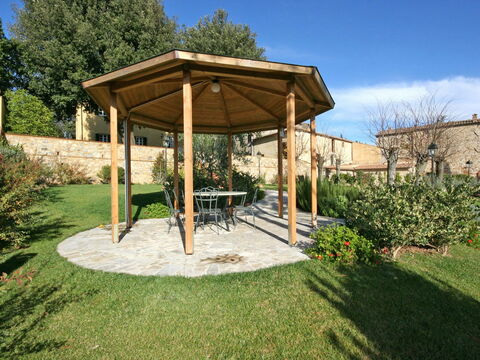
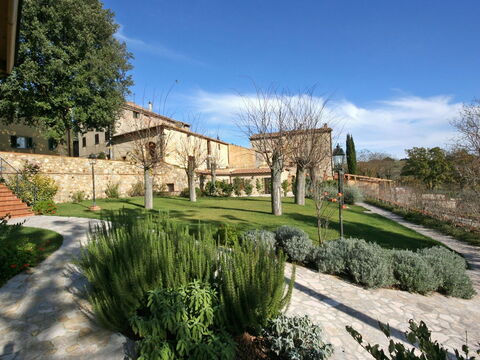
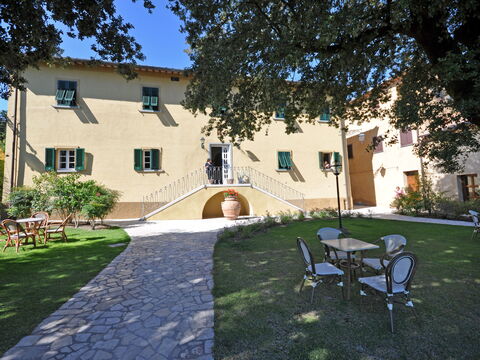
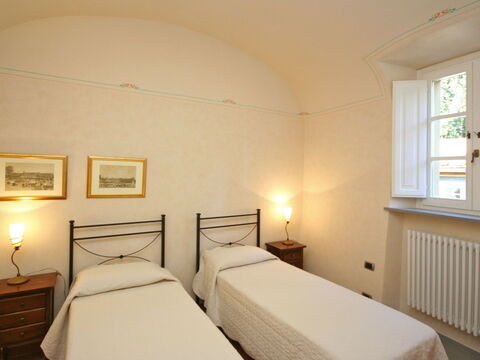
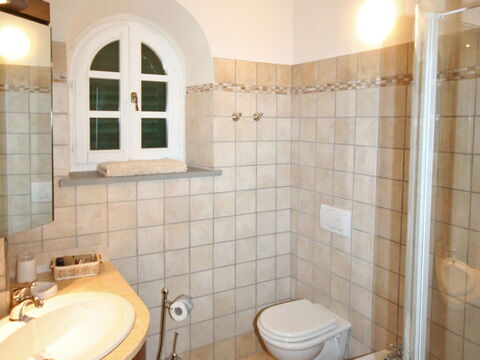
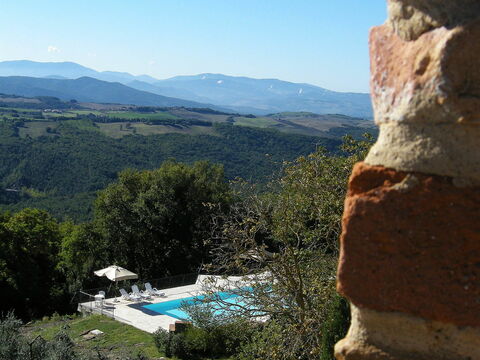
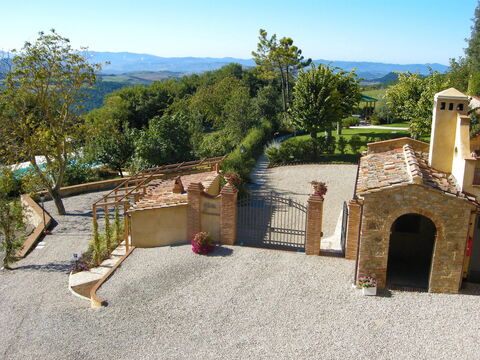
- 6
- 18
- 9
- 7
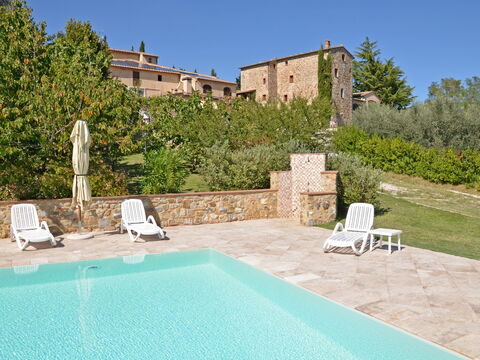
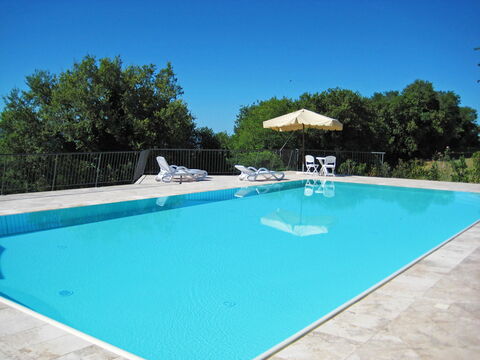
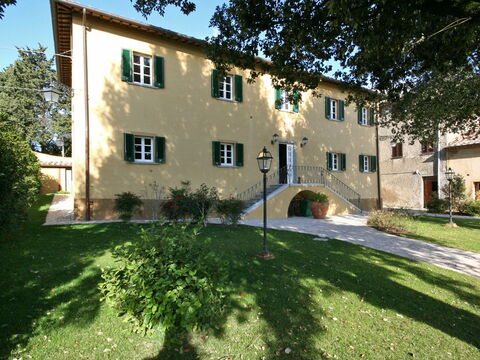
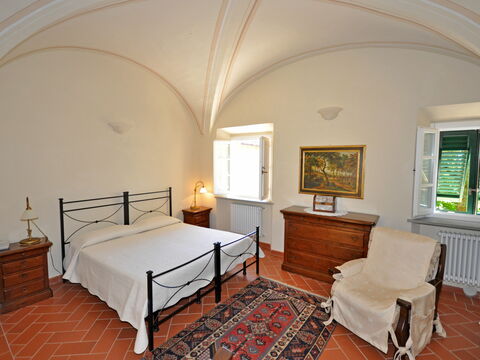
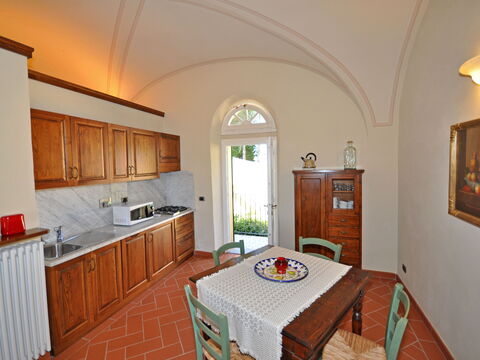
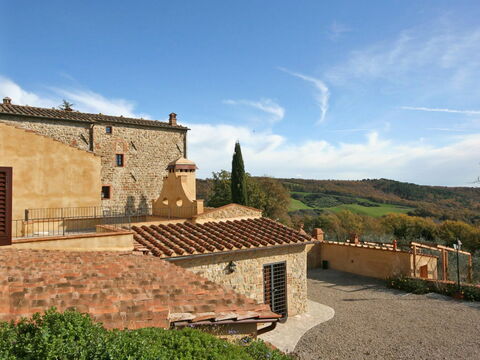
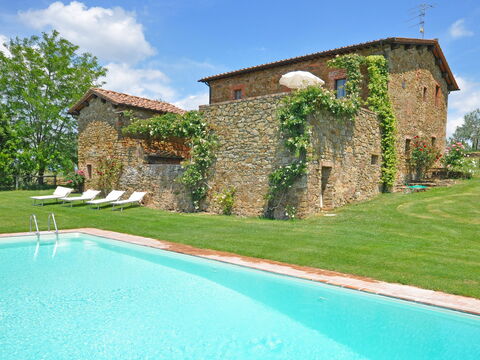
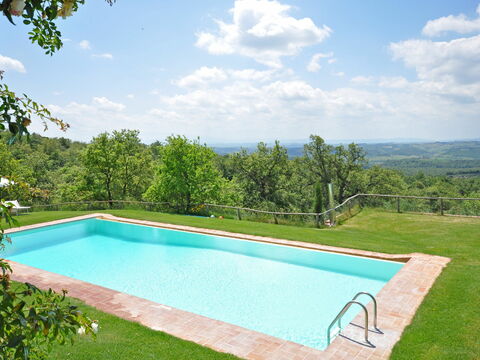
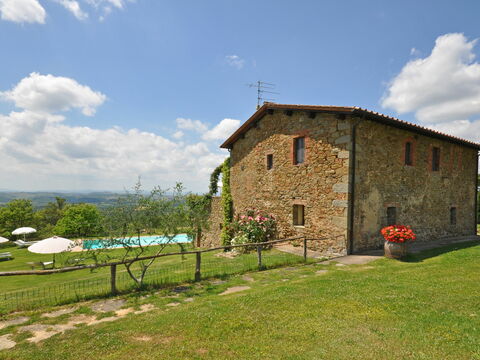
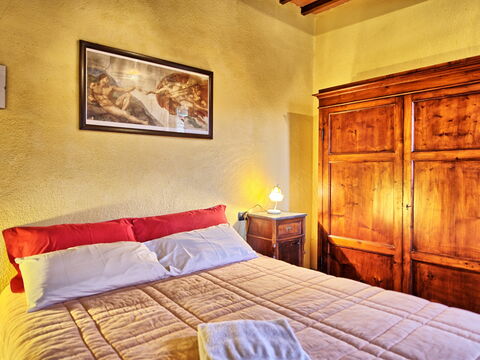
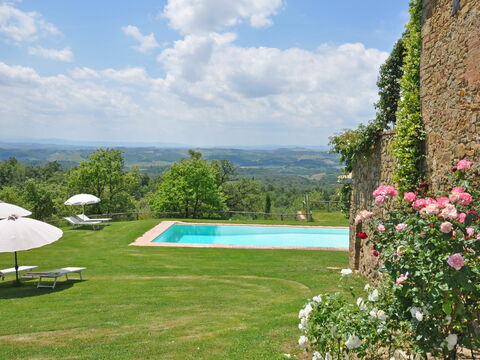
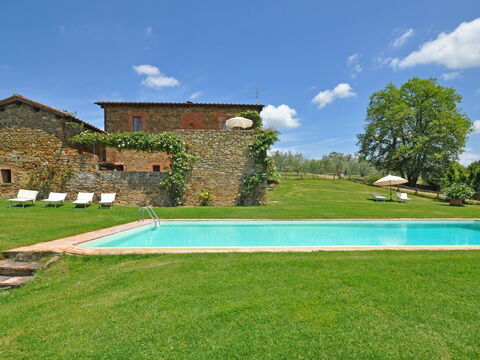
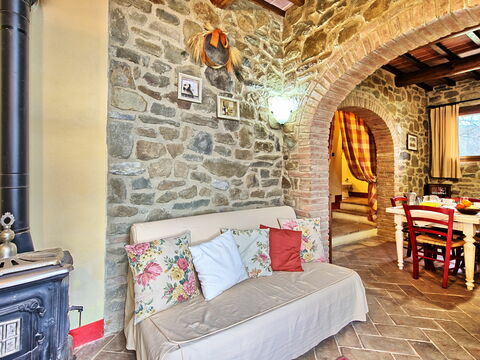
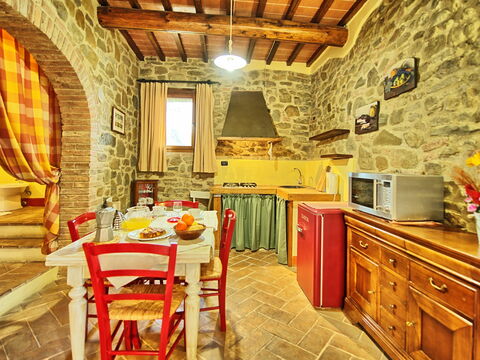
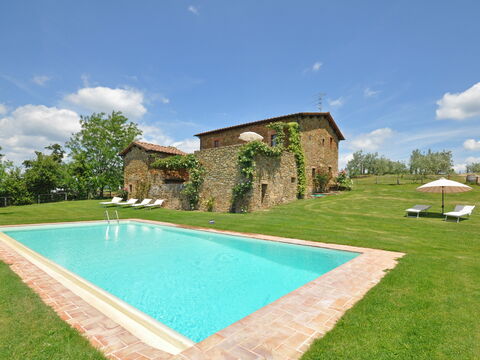
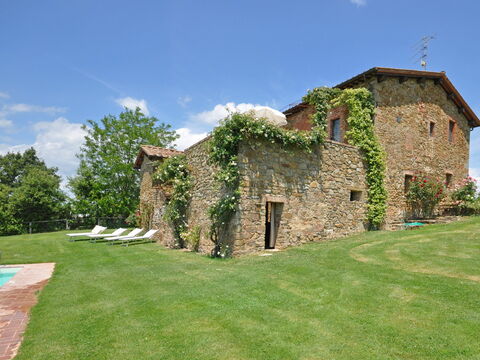
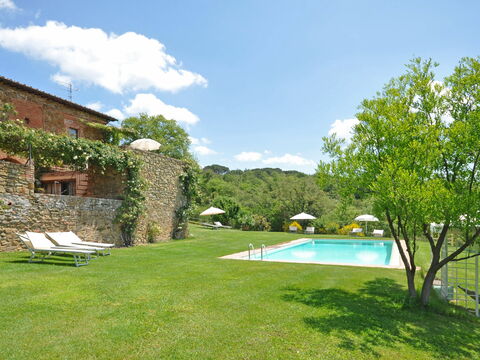
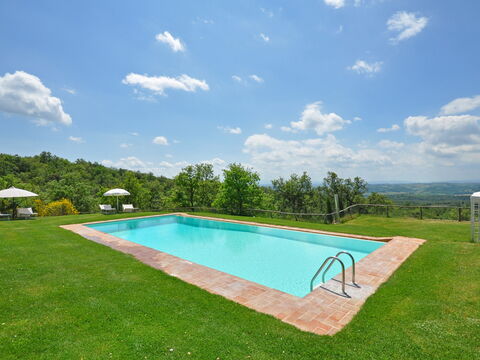
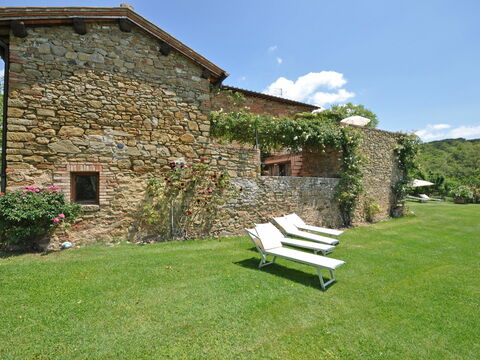
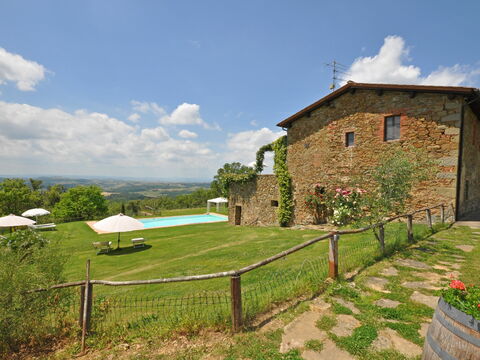
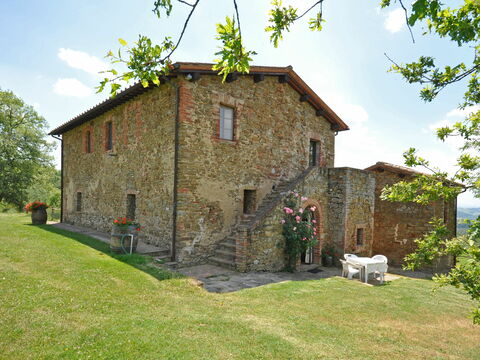
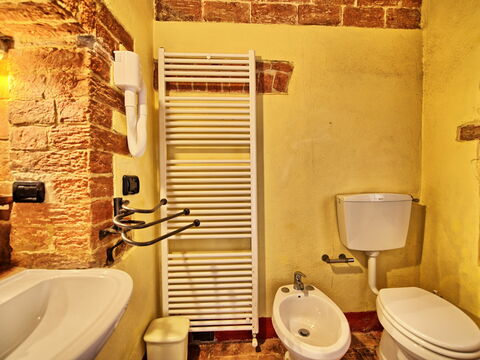
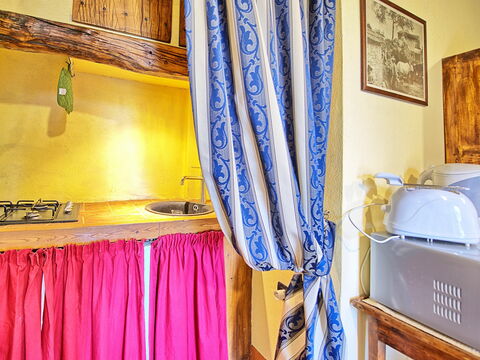
- 18th century villa with large garden
- Small spa (hot tub)
- Restaurant 50 meters from the property
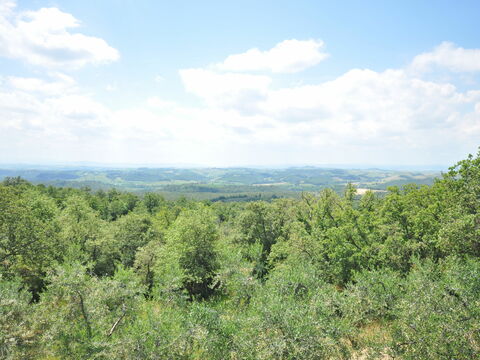
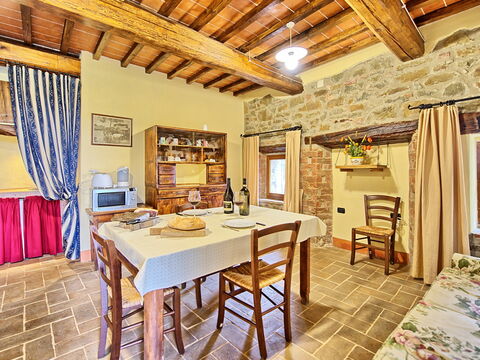
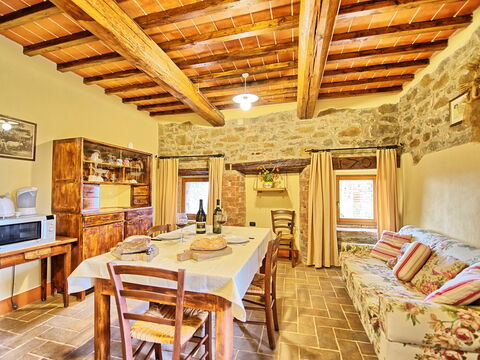
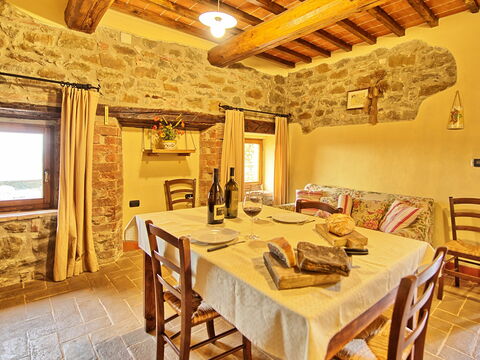
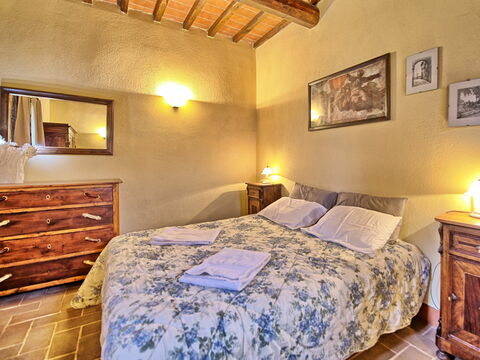
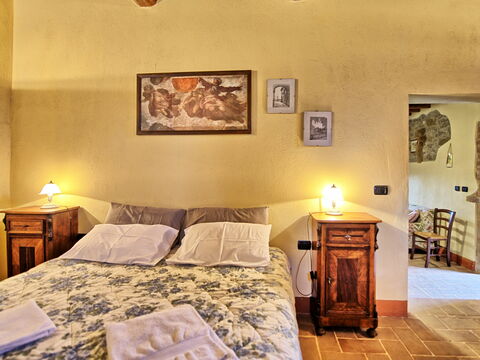
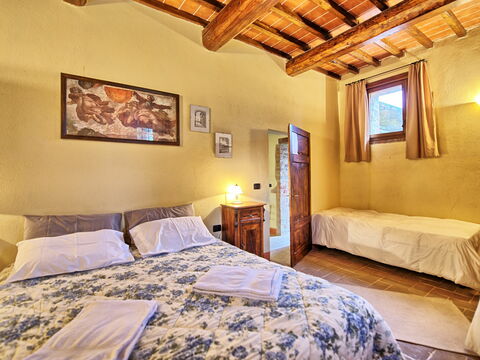
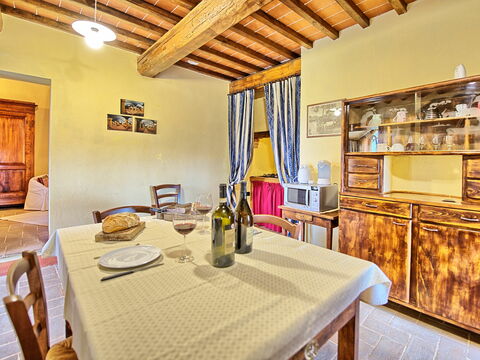
- 4
- 14
- 6
- 5
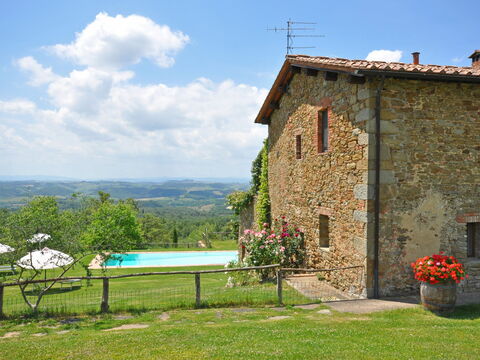
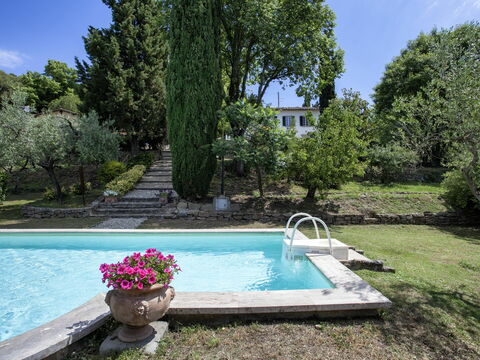
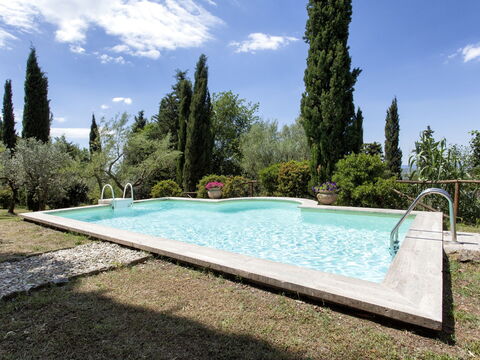
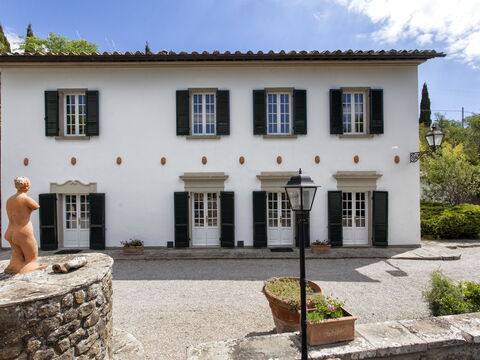
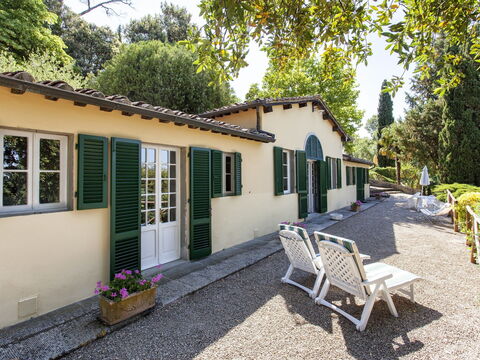
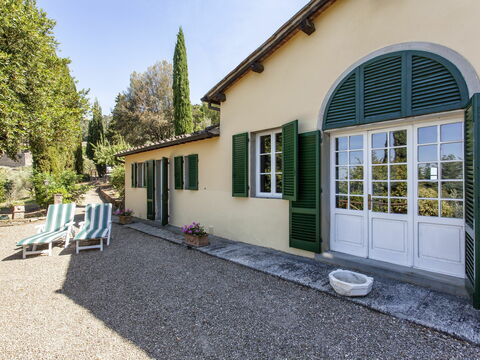
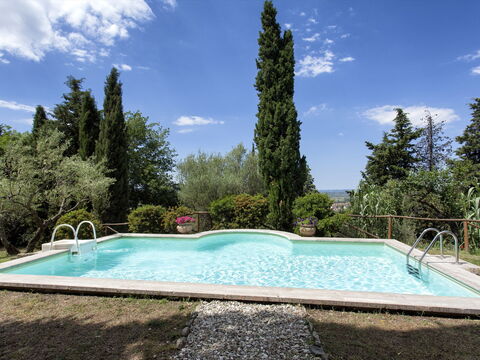
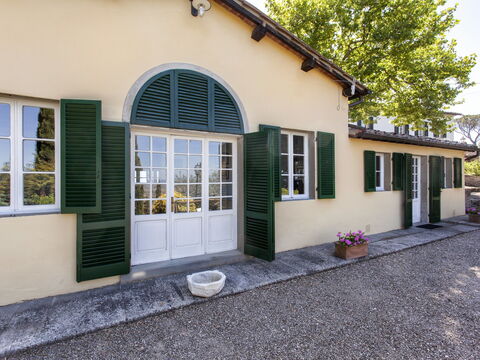
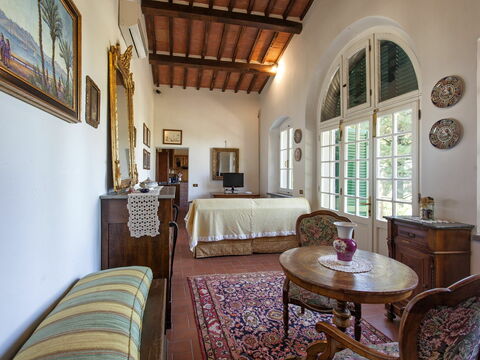
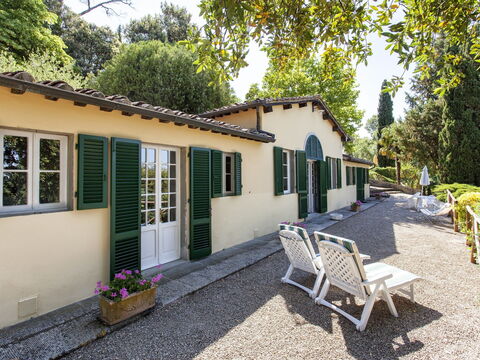
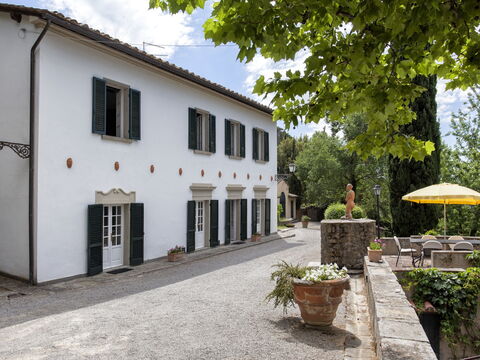
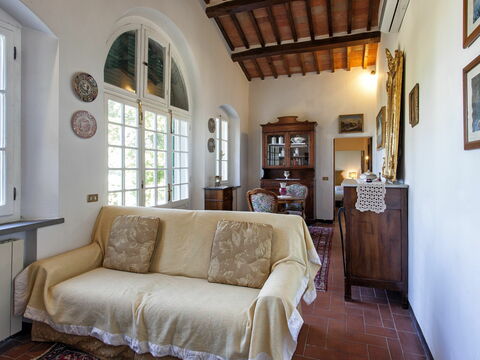
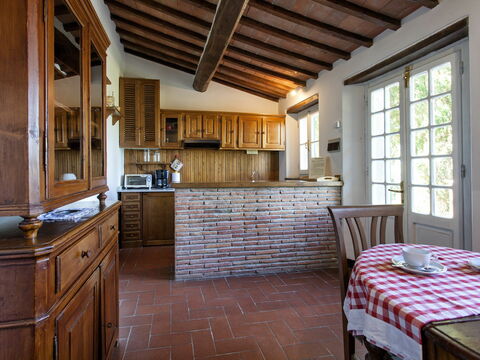
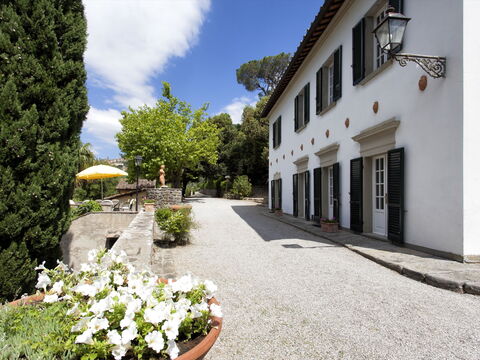
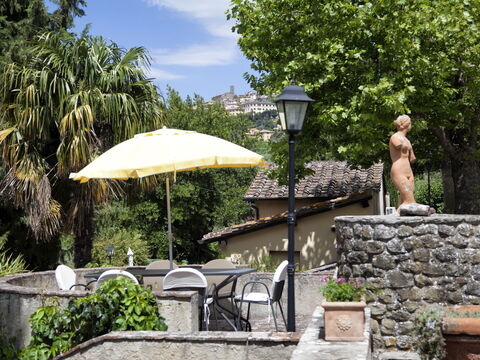
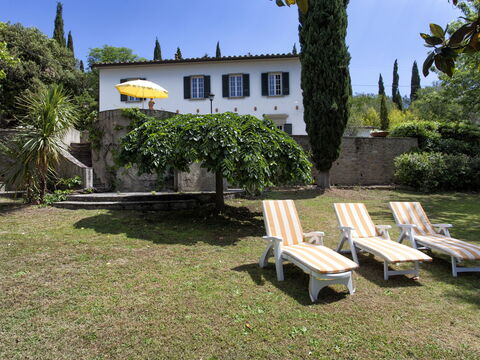
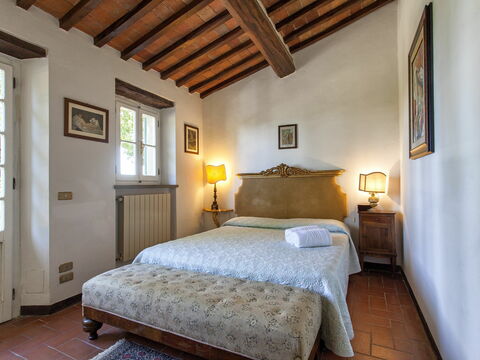
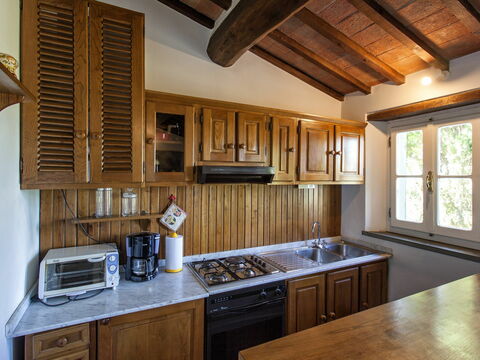
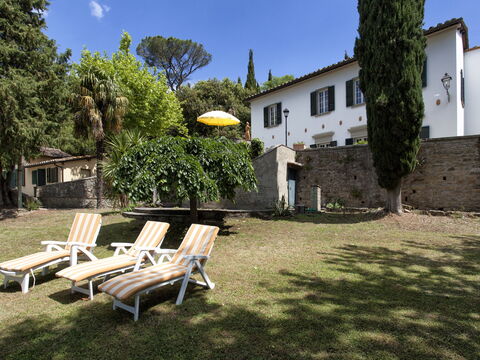
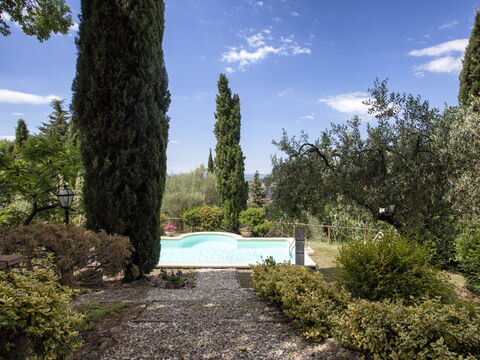
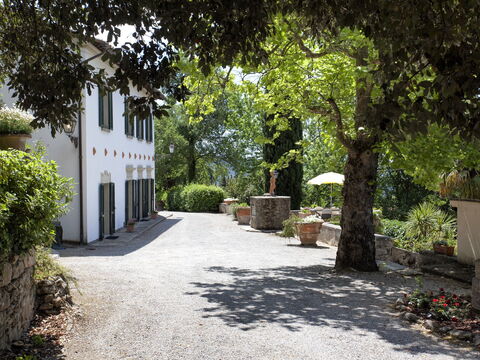
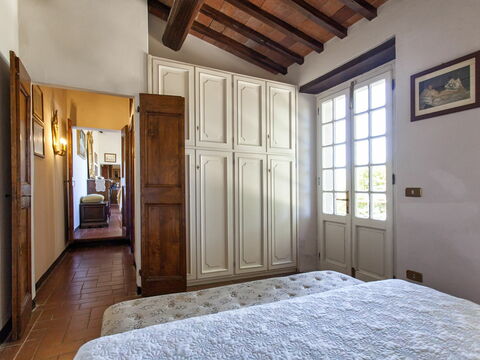
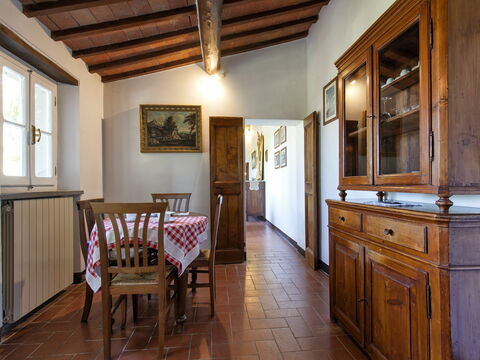
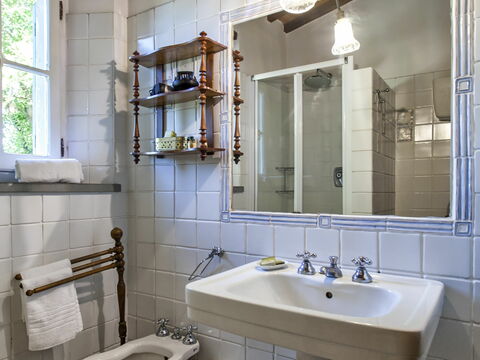
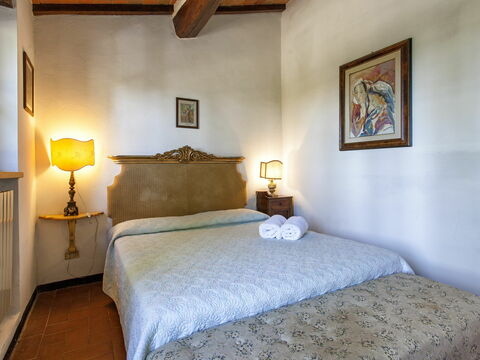
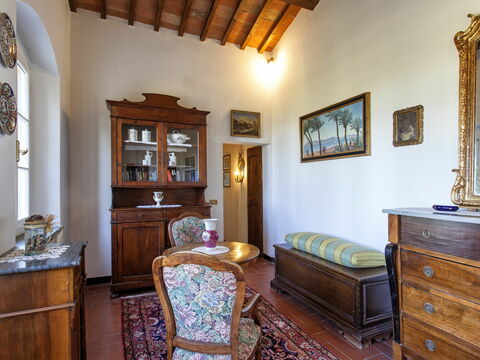
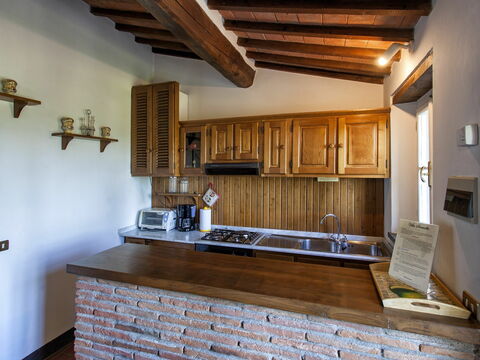
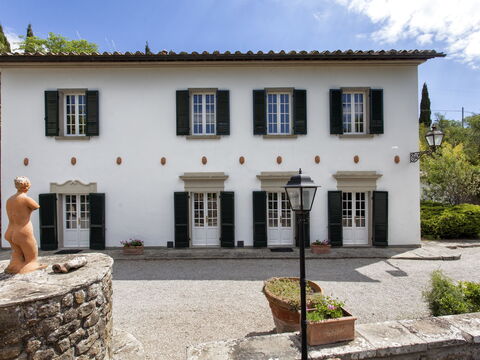
- Beautiful and typical Tuscan farmhouse
- Panoramic and hilly position
- Riding stables only 6 km away
- 3
- 10
- 5
- 4
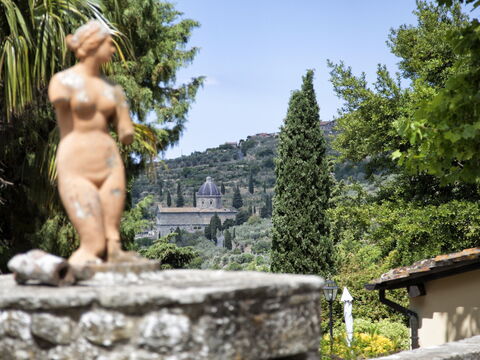
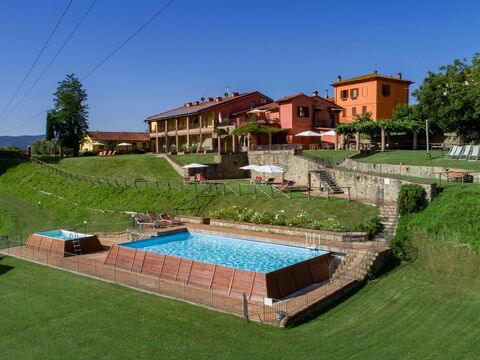
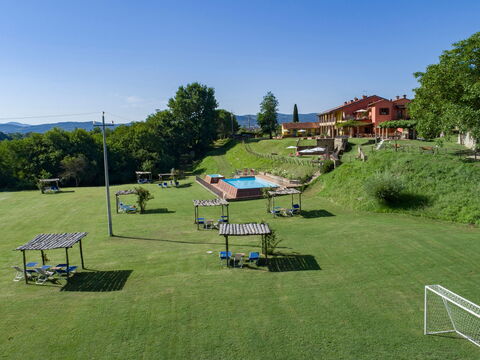
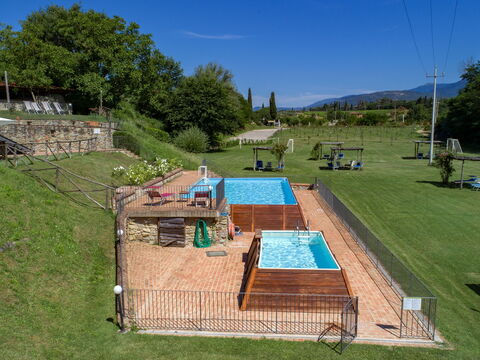
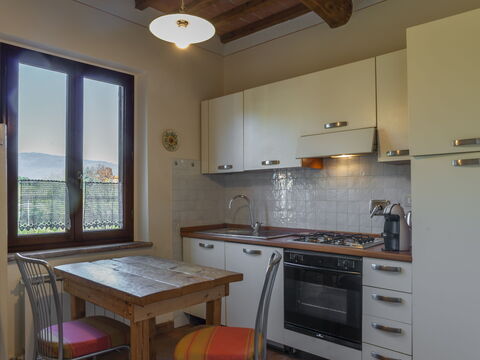
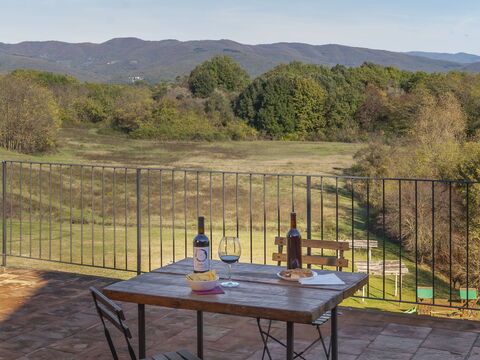
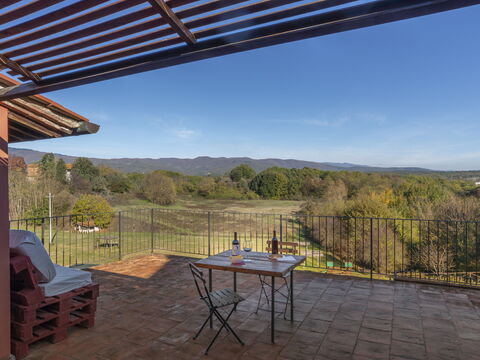
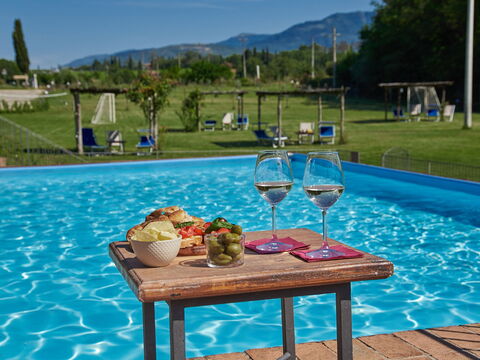
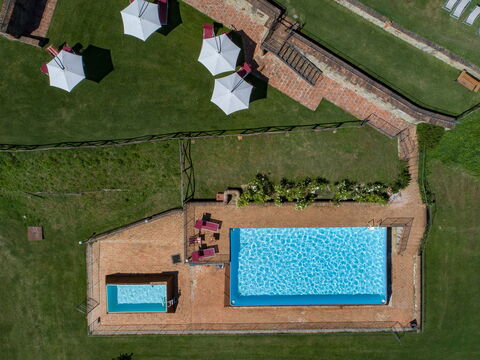
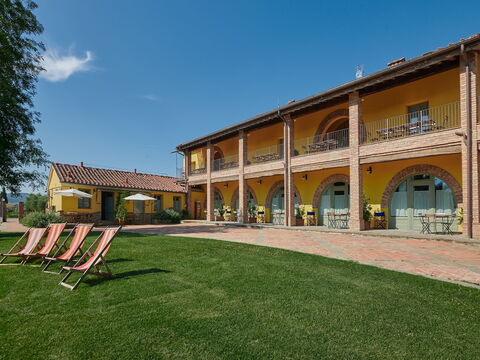
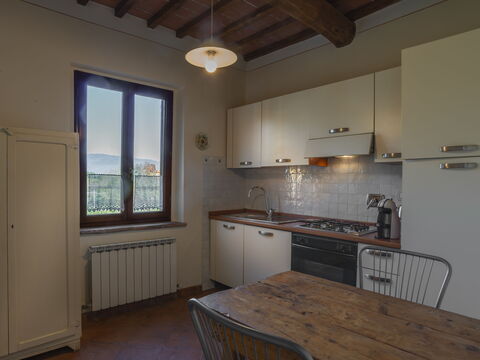
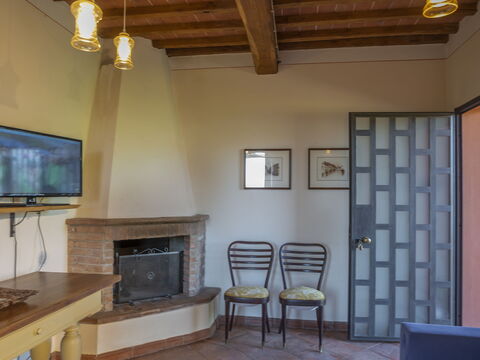
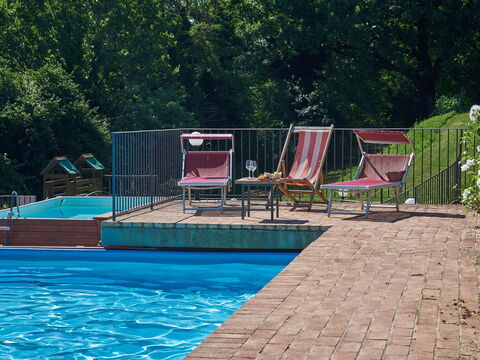
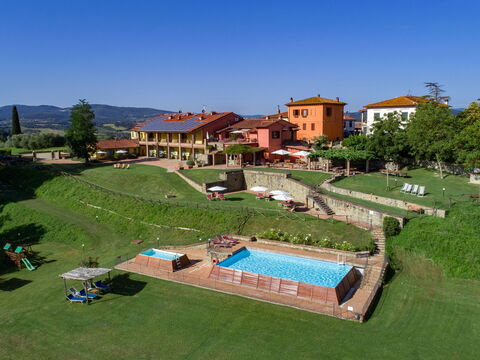
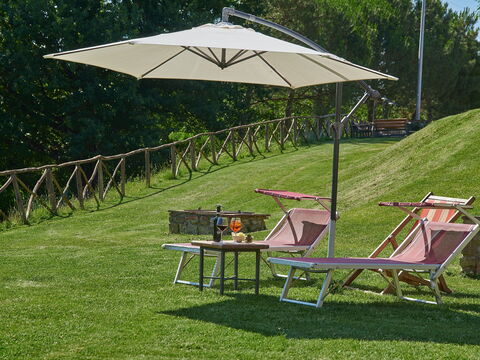
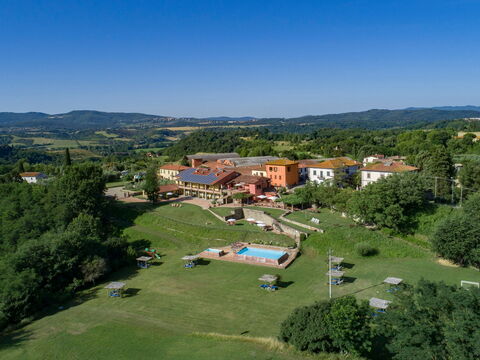
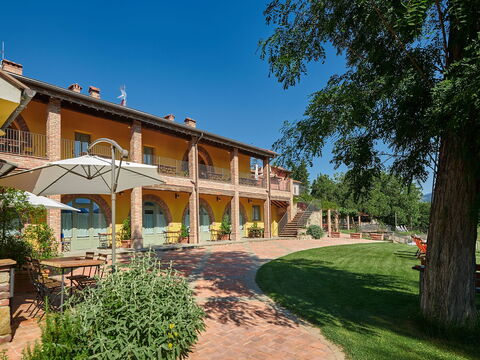
- Large property overlooking Cortona
- Large terraced garden
- Just 15 km from Lake Trasimeno
Casa Vittoria Deluxe
per night
Villa Vittoria
per night
Casa Vittoria 2
per night
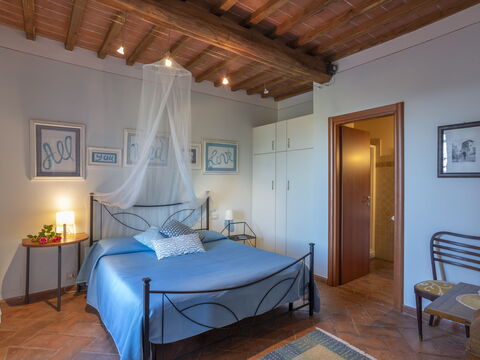
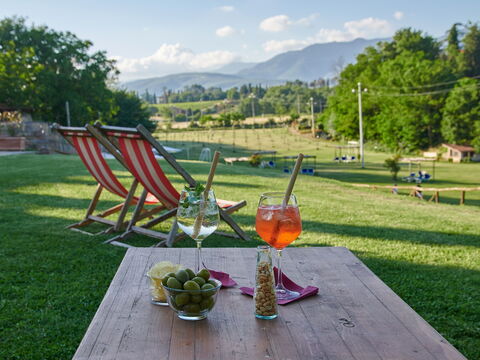
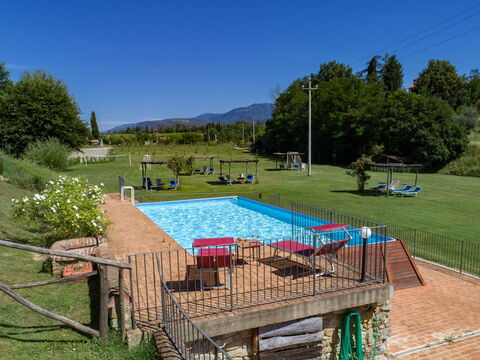
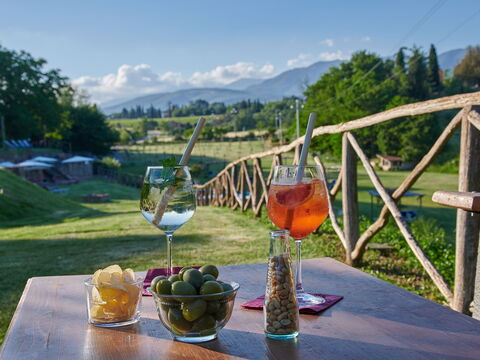
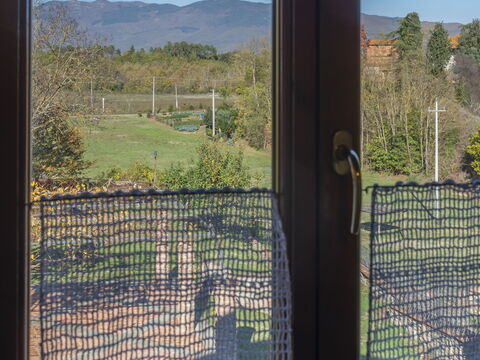
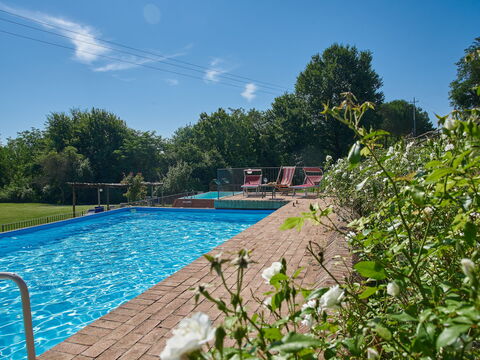
- 15
- 57
- 24
- 21
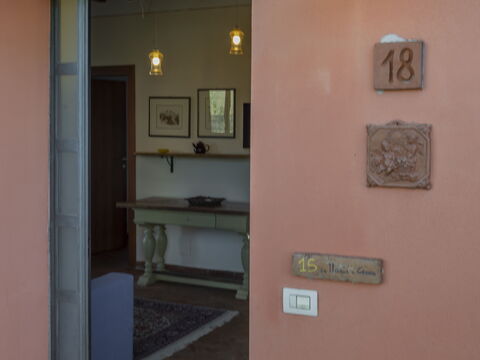
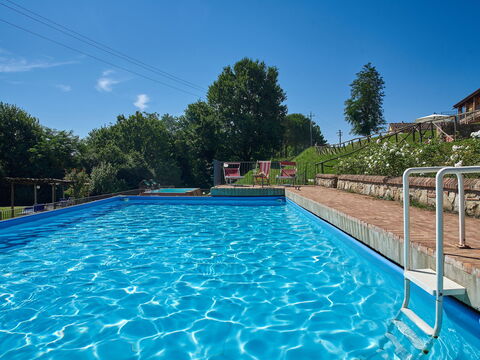
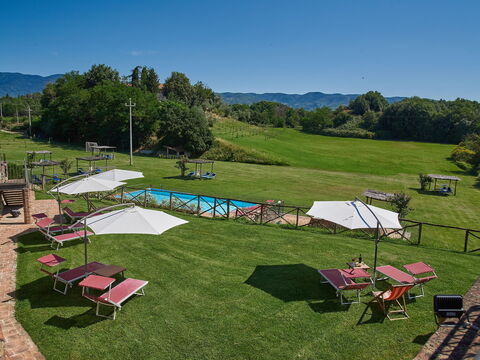
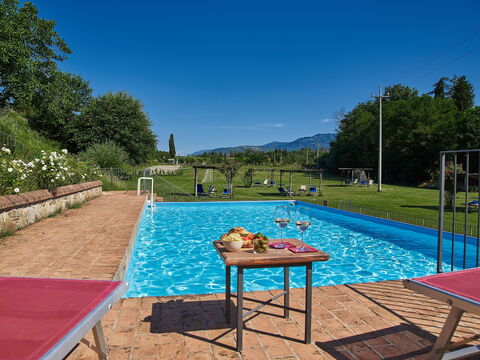
- Complex of 15 cosy apartments in Tuscany
- Spacious outdoor areas with swimming pool
- On-site restaurant
La Maria e Cecco
per night
Lollo
per night
Roggiola
per night
Tito
per night
Varisio
per night
Zi Toni
per night
Giambardino
per night
Mattacchione
per night
Bellino
per night
Cilindro
per night
Catola
per night
Maghino
per night
Dondo
per night
Nanni
per night
Grillo
per night
What Are the Highlights of Tuscany?
Tuscany captivates with its rare blend of dramatic landscapes, artistic heritage, and effortless Mediterranean living. From softly rolling hills and endless vineyards to the sunlit shores of the Tyrrhenian Sea, the region unfolds in a series of unforgettable scenes that have inspired travelers for generations.
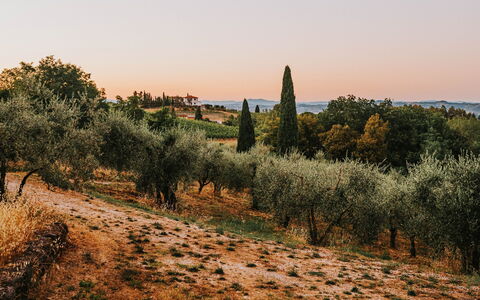
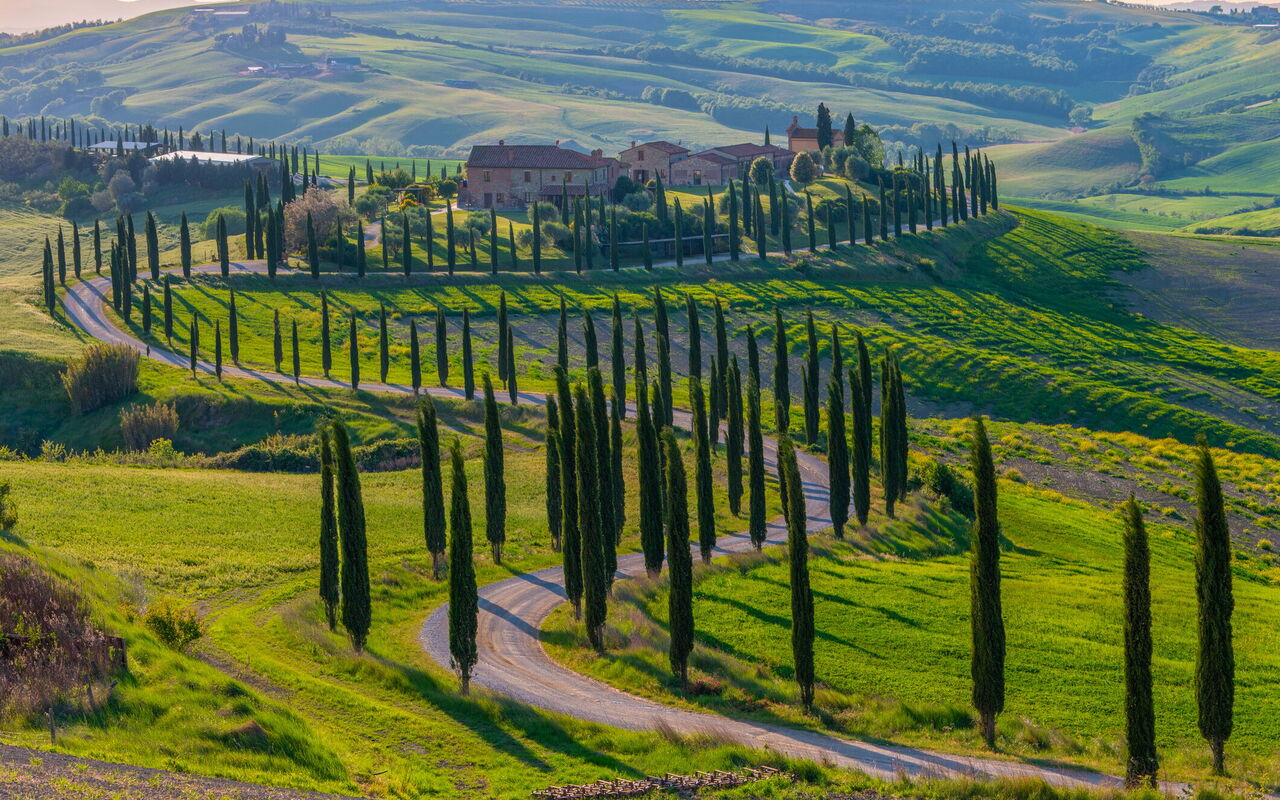
Iconic avenues of cypress trees lead to hilltop villages, where stone facades glow in the afternoon light. Silvery olive groves shimmer across the countryside, and historic towns rise above the valleys like living works of art. This harmonious balance of nature, culture, and timeless beauty defines Tuscany’s unmistakable character.
As one of Europe’s most significant art regions, Tuscany weaves past and present into a seamless whole. Traces of the Etruscan civilization, remarkably preserved medieval town centers, grand Renaissance architecture, and striking sacred buildings speak of a layered history that continues to shape daily life. Yet beyond its cultural legacy, the region also offers wide sandy beaches, restorative thermal springs, and protected natural parks that invite moments of pure relaxation.
Legendary cities rich in artistic masterpieces, celebrated wine regions, and a cuisine admired for its quality and authenticity make Tuscany a true destination for the senses. Whether you are drawn to cultural exploration, leisurely afternoons in the countryside, or sun-filled days along the coast, Tuscany offers a setting where every traveler can find a place to feel at home.
From the Etruscans to the Renaissance: The History of Tuscany
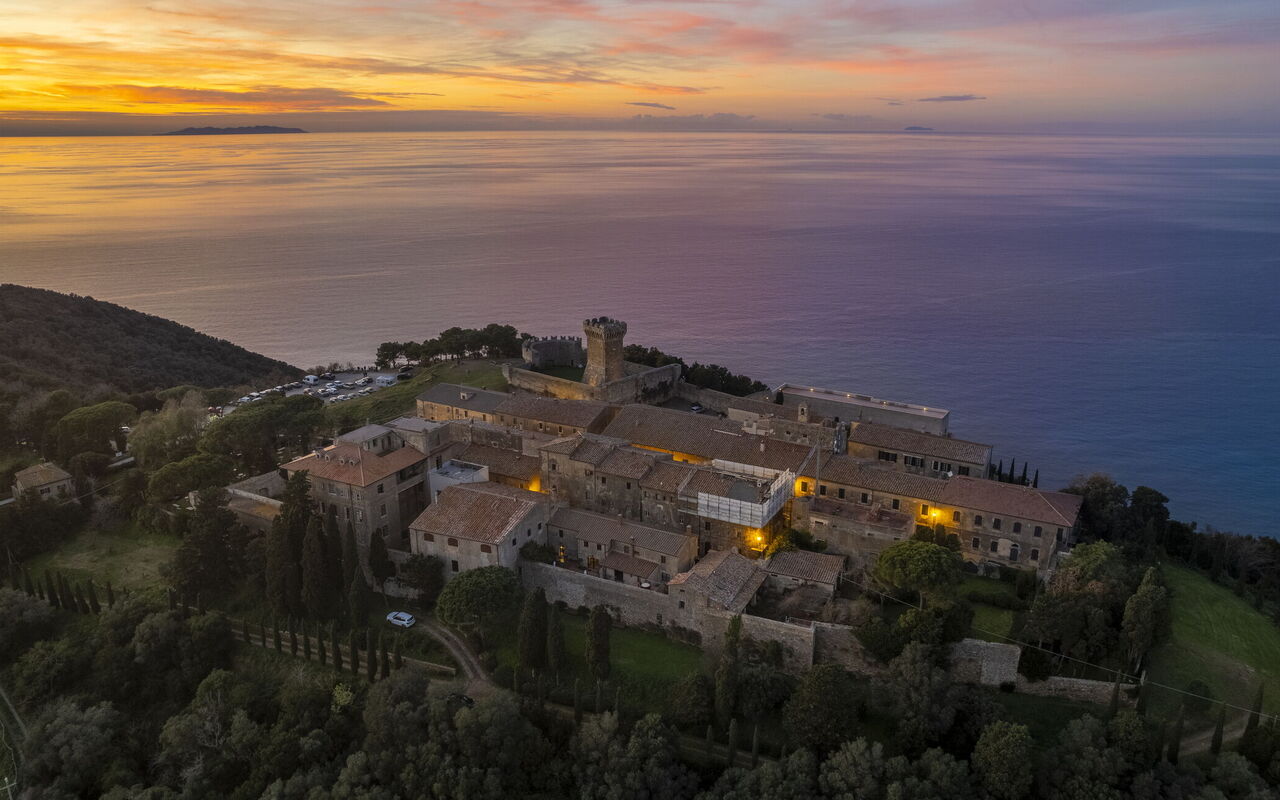
Tuscany’s history unfolds in layers, each era leaving its imprint on the region’s landscapes and cityscapes. As early as the first millennium BC, the Etruscans established flourishing settlements across much of the territory, shaping trade, architecture, and culture long before the rise of Rome. Their legacy remains remarkably present today in archaeological parks and museum collections throughout the region.
One striking example is Roselle near Grosseto, where ancient city walls, paved roads, and the remains of an amphitheater still rise above the countryside. The necropolises of Populonia, overlooking the sea, as well as the important collections in Volterra and Cortona, further document this sophisticated early civilization and its enduring influence on Tuscan identity.
With the expansion of Rome, Tuscany became an integral part of the Roman Empire, ushering in a new phase of urban development and connectivity. An extensive network of roads, public buildings, and thriving settlements strengthened trade routes and administrative structures, linking the region more closely to the wider Mediterranean world.
In Lucca, the original Roman street grid still shapes the historic center, offering a glimpse into its ancient foundations. Above Florence, in Fiesole, a remarkably well-preserved Roman theater overlooks the Arno Valley and continues to host cultural events today. Pisa and Arezzo likewise preserve significant traces of this era, where fragments of temples, baths, and amphitheaters quietly testify to Tuscany’s classical heritage.
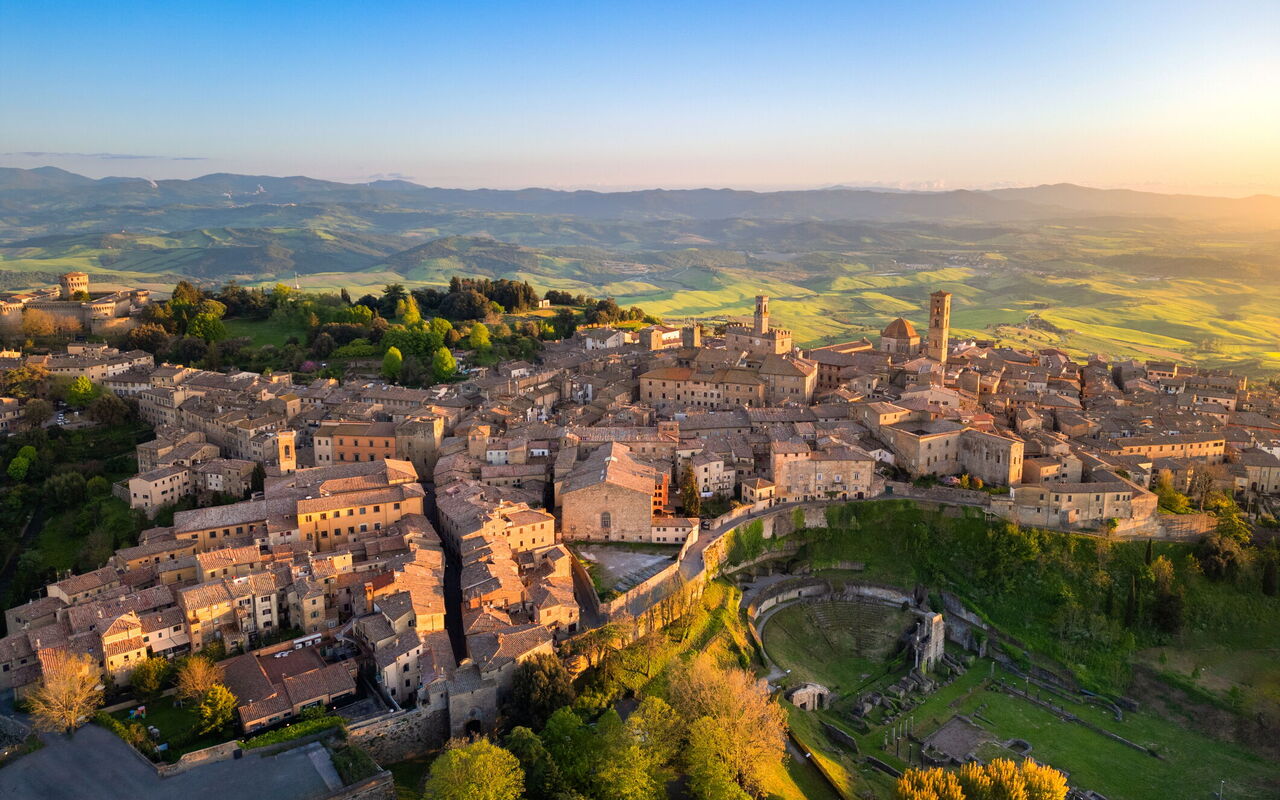
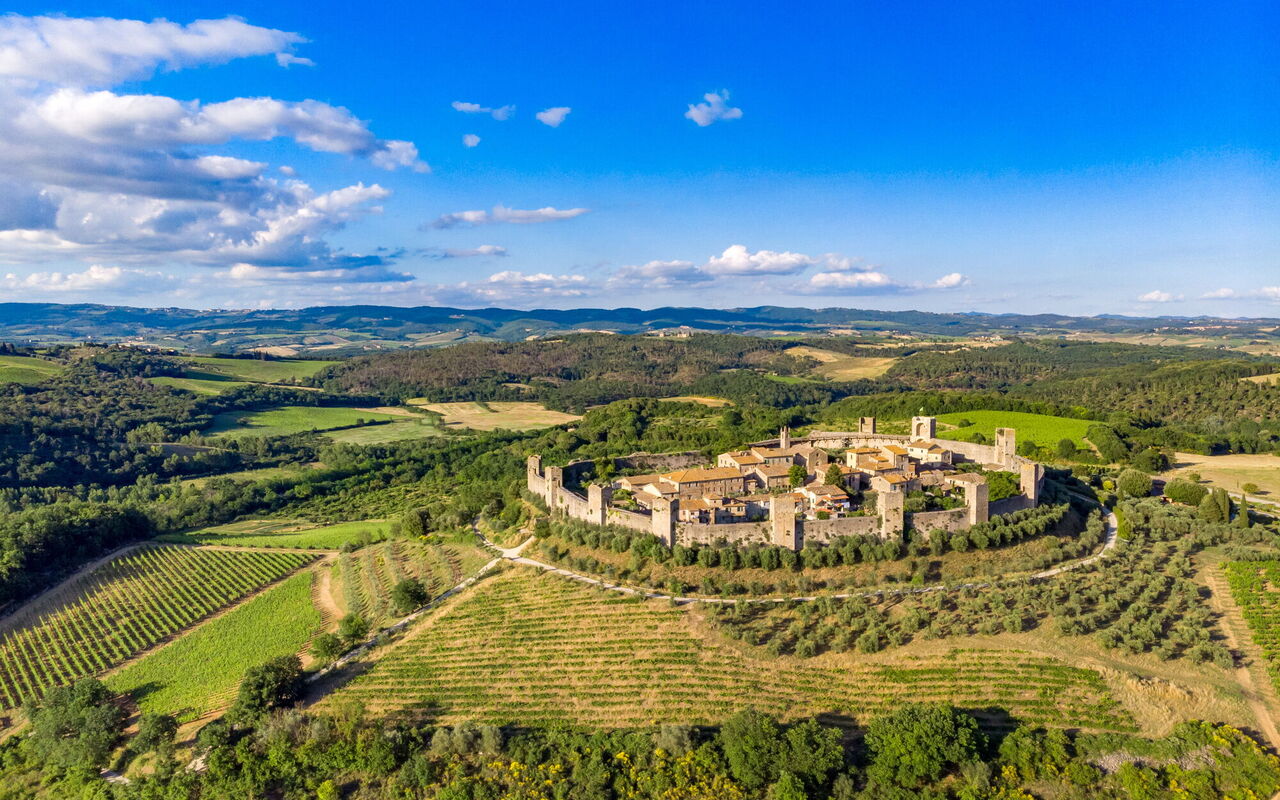
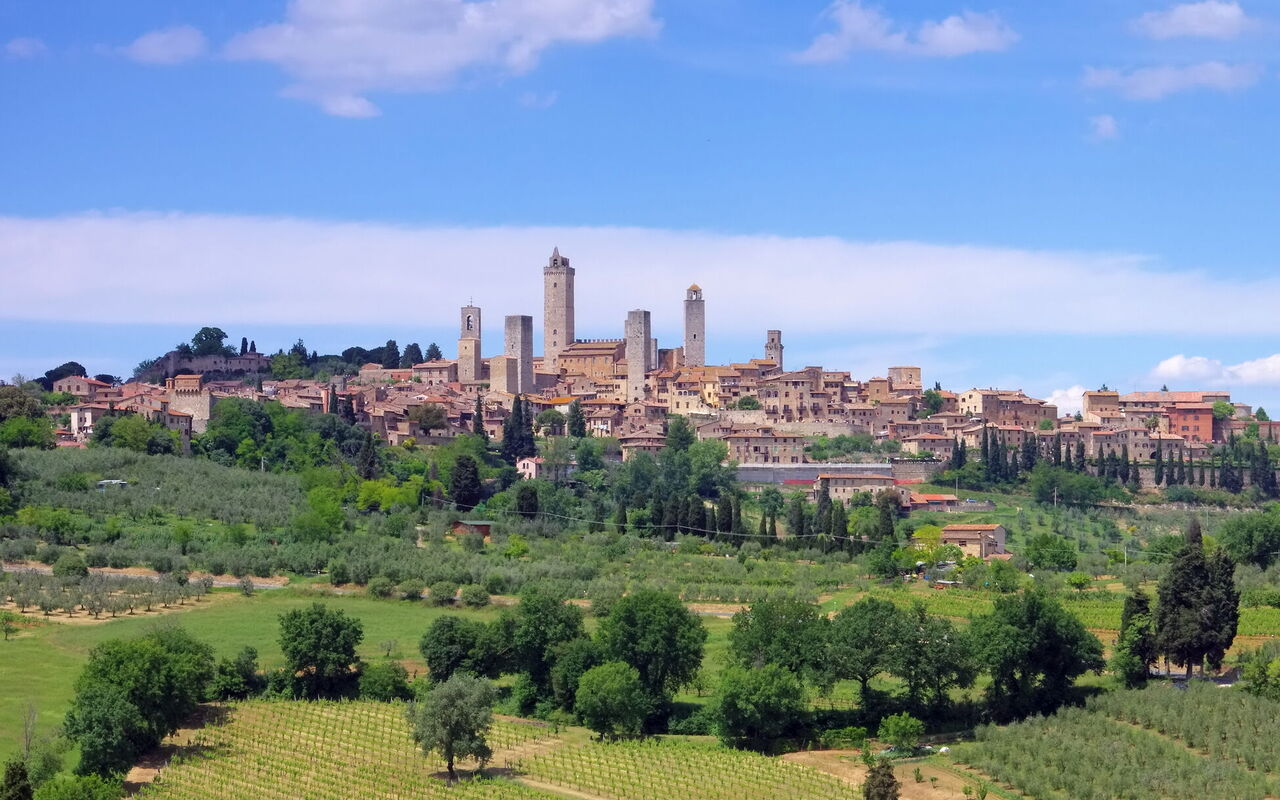
During the Middle Ages, a network of powerful and independent city-states shaped Tuscany’s political landscape and fueled remarkable economic and cultural growth. Rivalries and alliances left their mark not only in chronicles but also in stone. Fortified walls, soaring towers, and monumental cathedrals still reflect the wealth and ambition of these flourishing urban centers. Among the most striking examples is San Gimignano, famous for its medieval skyline of towers that rise above the countryside. Siena captivates with the shell-shaped Piazza del Campo and its magnificent Gothic cathedral, both symbols of civic pride and artistic achievement. The walkable city walls of Lucca and Volterra, preserved in impressive condition, also date back to this era and offer sweeping views across the Tuscan landscape.
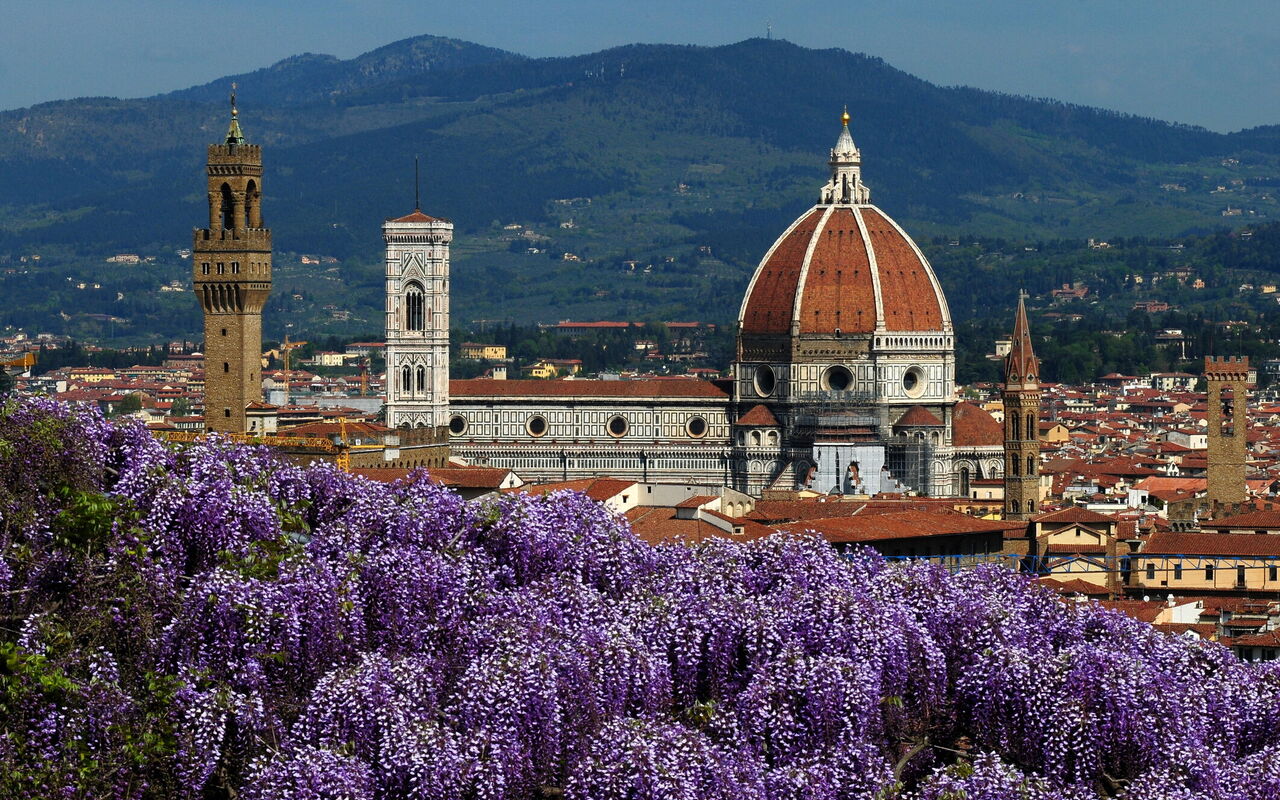
During the Renaissance, Tuscany rose to prominence as a center of art, architecture, and scientific thought. Florence stood at the heart of this cultural awakening, shaping ideas that would influence Europe for centuries. Visionary artists, architects, and scholars transformed the city into a stage for innovation and creative excellence. Landmarks such as the Cathedral of Santa Maria del Fiore with its iconic dome, the Palazzo Vecchio, and the Uffizi Gallery remain defining symbols of this remarkable period. Beyond Florence, Renaissance ideals also left their mark on smaller towns. Pienza, for example, was conceived as an “ideal city,” designed according to humanistic principles that harmonized architecture, proportion, and urban life. Today, these places continue to reflect the clarity, balance, and enduring beauty of Renaissance thought.
Tuscany presents an extraordinary historical legacy that remains vividly present in its architecture, urban design, and archaeological landmarks. From ancient foundations to Renaissance masterpieces, each era has left a visible imprint on the landscape. This layered heritage continues to shape the region’s cultural identity today, giving Tuscany its unmistakable character and timeless appeal.
The Cities of Tuscany
Tuscany’s cities reflect the region’s remarkable scenic and cultural diversity. From coastal towns along the Mediterranean to historic centers nestled among rolling hills and the foothills of the Apennines, each destination reveals a distinct character. Celebrated art capitals, former trading hubs, and charming provincial towns are surrounded by vineyards, olive groves, or dramatic mountain backdrops. Every city offers its own atmosphere and serves as an ideal starting point for exploring Tuscany from a different perspective.
- Florence – Renaissance Splendor in the Heart of Tuscany
Set in the Arno Valley and framed by gentle hills and vineyards, Florence stands as the cradle of the Renaissance. The city brings together world-renowned masterpieces, architectural landmarks, and vibrant contemporary life in a way that feels both grand and intimate. Museums and historic palaces coexist with refined boutiques, traditional trattorias, and lively piazzas filled with local energy. Just beyond the city limits, the landscape opens into the Chianti countryside, where cypress-lined roads and vineyards create one of Tuscany’s most iconic panoramas. Discover more in our article Florence: Europe’s Number One Destination.
- Pisa – A Historic Maritime Power Near the Coast
Just a few miles from the Mediterranean, Pisa stretches across the plains near the mouth of the Arno River. Once a powerful maritime republic, the city played a central role in trade and naval history. Today, Pisa is known for its remarkable monuments and vibrant university atmosphere, where centuries of history meet youthful energy. Its strategic location between the coast and the gentle hills of the Colline Pisane makes Pisa an ideal base for combining cultural exploration with relaxing beach days.
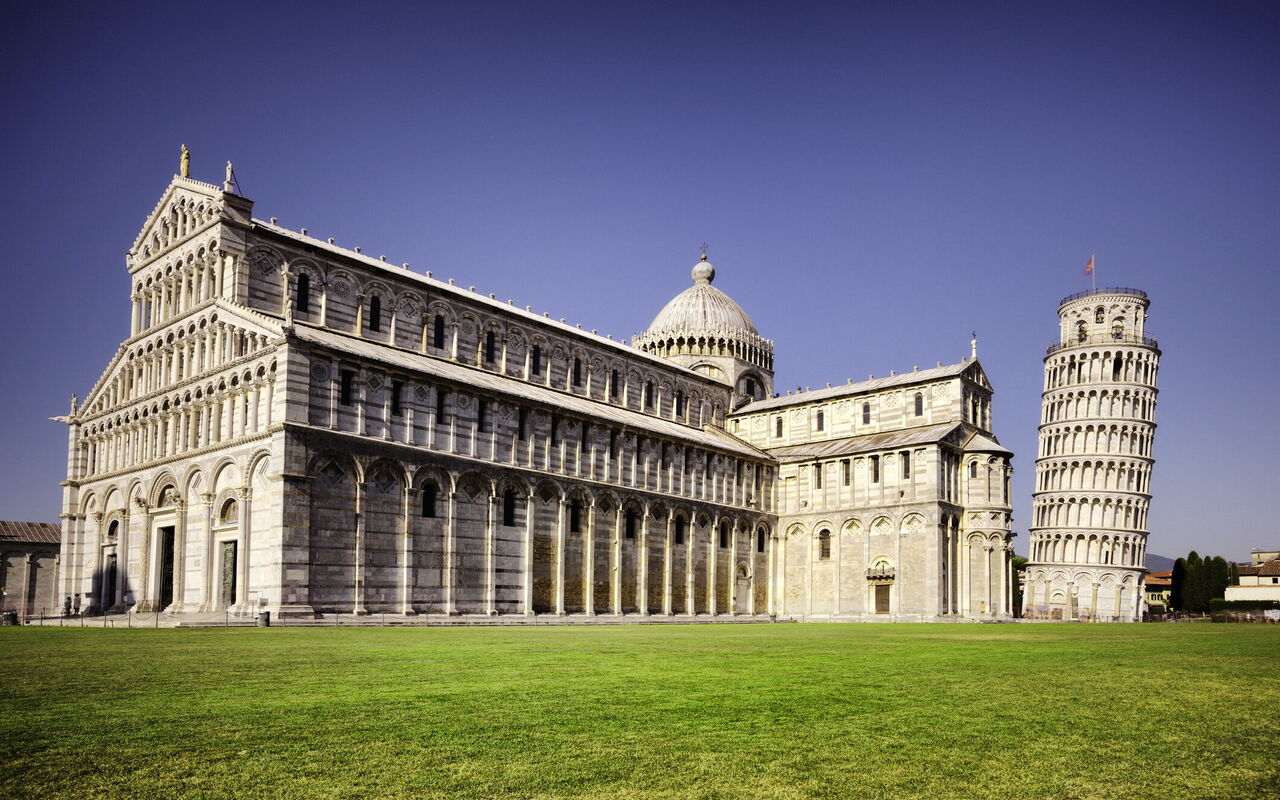
The Leaning Tower of Pisa
- Lucca – Timeless Elegance Within Historic Walls
Set between Pisa and Florence, Lucca is encircled by a fully preserved Renaissance city wall that defines its distinctive character. Inside, the atmosphere is refined and unhurried. Narrow streets lead to Romanesque churches, shaded piazzas, and artisan boutiques that reflect the city’s understated charm. Beyond the walls, the landscape transitions from the sandy beaches of Versilia to the lush green valleys of Garfagnana. Discover more in our article Historical Villas of Lucca.
- Massa & Carrara – Between the Sea and the Marble Mountains
In northwestern Tuscany, where the Versilia coastline meets the dramatic peaks of the Apuan Alps, Massa and Carrara form a striking contrast of sea and stone. Massa offers easy access to sandy beaches and seaside promenades, while Carrara is internationally renowned for its luminous white marble, prized since Roman times. The surrounding landscape is defined by bold mountain silhouettes and scenic roads that reveal sweeping views all the way to the Mediterranean.
- Prato – Textile Heritage and Contemporary Energy
Just west of Florence, Prato blends centuries-old architecture with a dynamic, modern spirit. Long established as a center of textile production, the city continues to shape its identity around craftsmanship and innovation. Historic buildings stand alongside cultural venues and creative spaces, reflecting an evolving urban character. Beyond the city, rolling hills and nearby wine regions offer a peaceful countryside setting, while Florence remains only a short drive away.
- Pistoia – An Authentic City Among the Hills
Situated at the foothills of the Apennines between Florence and Lucca, Pistoia reveals a more understated side of Tuscany. Its historic center is rich in Romanesque churches and medieval architecture, creating an atmosphere that feels intimate and unhurried. From here, visitors can easily reach the renowned thermal spas of Montecatini or explore the forested mountain landscapes of the northern Apennines, where nature and tradition meet.
- Siena – Medieval Harmony Among the Hills
Set on rolling hills in southern Tuscany and surrounded by the landscapes of Chianti and the Crete Senesi, Siena preserves one of Italy’s most cohesive medieval cityscapes. Narrow streets wind between Gothic palaces and open onto the shell-shaped Piazza del Campo, the symbolic heart of the city. The atmosphere is defined by warm brick tones, historic traditions, and sweeping views across vineyards, cypress-lined roads, and stone villages that seem untouched by time.
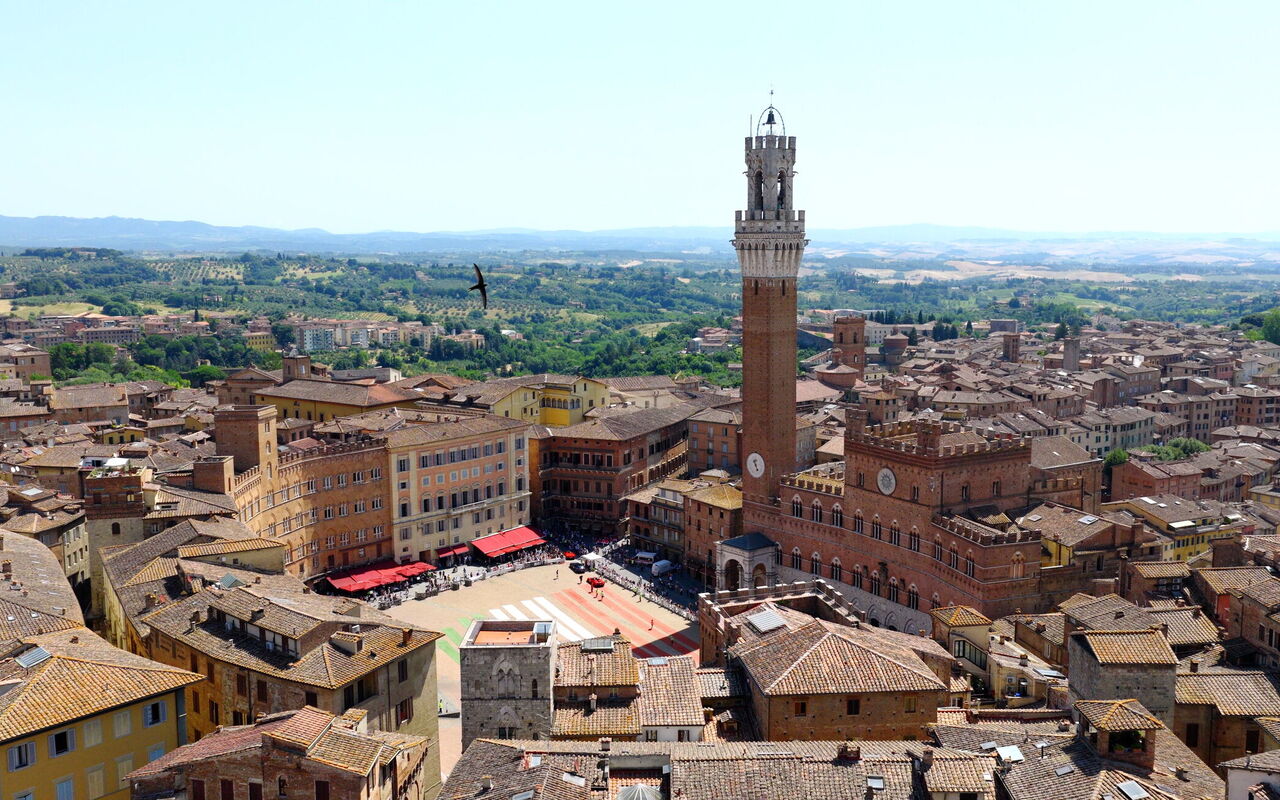
Piazza del Campo in Siena
- Arezzo – An Artistic Legacy at the Edge of the Apennines
Located in eastern Tuscany between the Valdichiana and the Casentino valley, Arezzo blends ancient origins with refined Renaissance artistry. With Etruscan roots and masterpieces that reflect its cultural importance, the city offers a relaxed and authentic ambiance. The surrounding landscape shifts from fertile plains to the wooded expanses of the Foreste Casentinesi National Park, creating a natural backdrop that invites both exploration and tranquility.
- Livorno – A Port City with Maritime Character
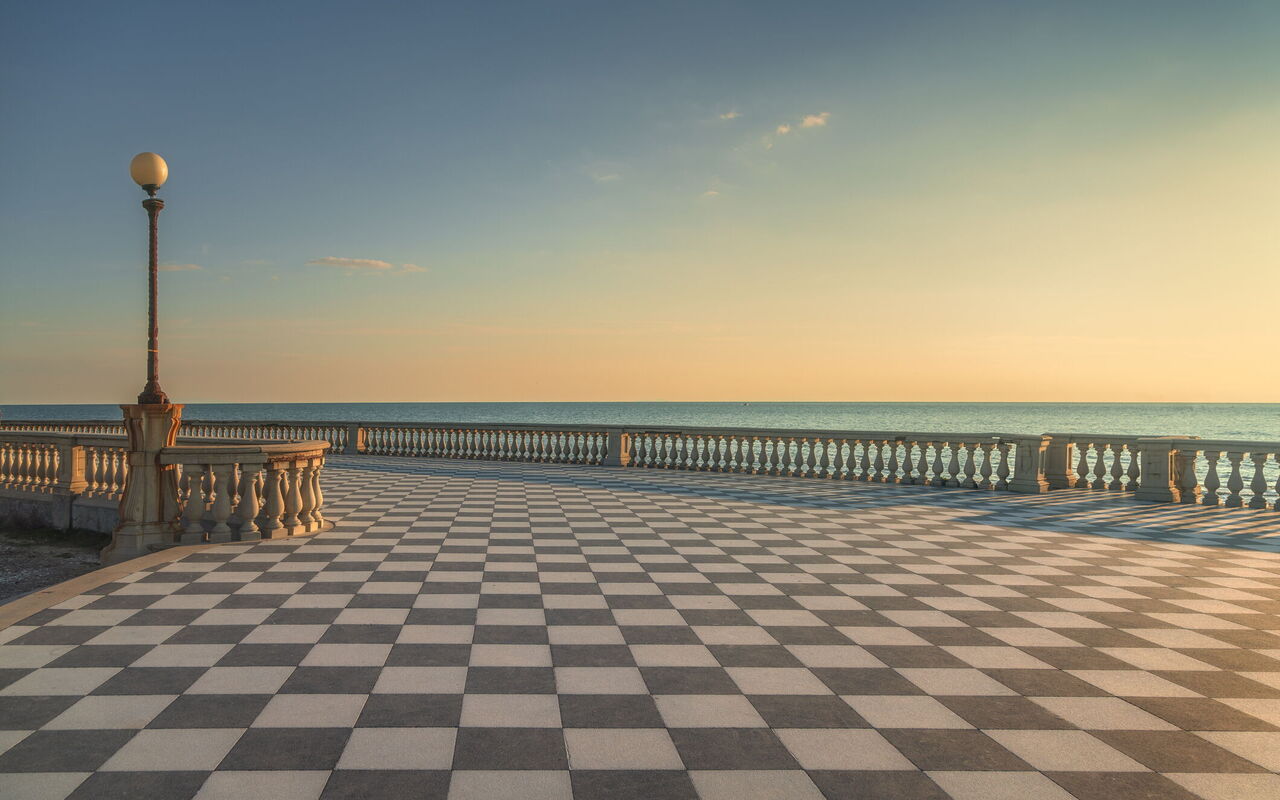
Directly on the Tuscan coast, Livorno has long been shaped by its close connection to the sea. The historic harbor, the canal-lined Venezia Nuova district, and a culinary tradition centered on fresh seafood define its distinctive identity. Along the seafront promenade, views stretch across the Tyrrhenian Sea toward small rocky coves and bathing spots. Thanks to its proximity to Pisa and the Etruscan Coast, Livorno is an ideal base for combining cultural visits with relaxing days by the water.
- Grosseto – Gateway to the Maremma
Located in southern Tuscany near the coast, Grosseto sits at the heart of the Maremma, one of the region’s most unspoiled landscapes. Encircled by impressive, well-preserved Renaissance walls, the city offers a relaxed and approachable atmosphere, where broad avenues and historic squares invite an unhurried pace. Beyond the city gates, the scenery unfolds into protected nature parks, fragrant pine forests, wide sandy beaches, and remarkable archaeological sites. Here, sea and rolling hills meet within a short distance, creating a setting that feels both authentic and refreshingly untouched.
Landscapes and Natural Diversity of Tuscany
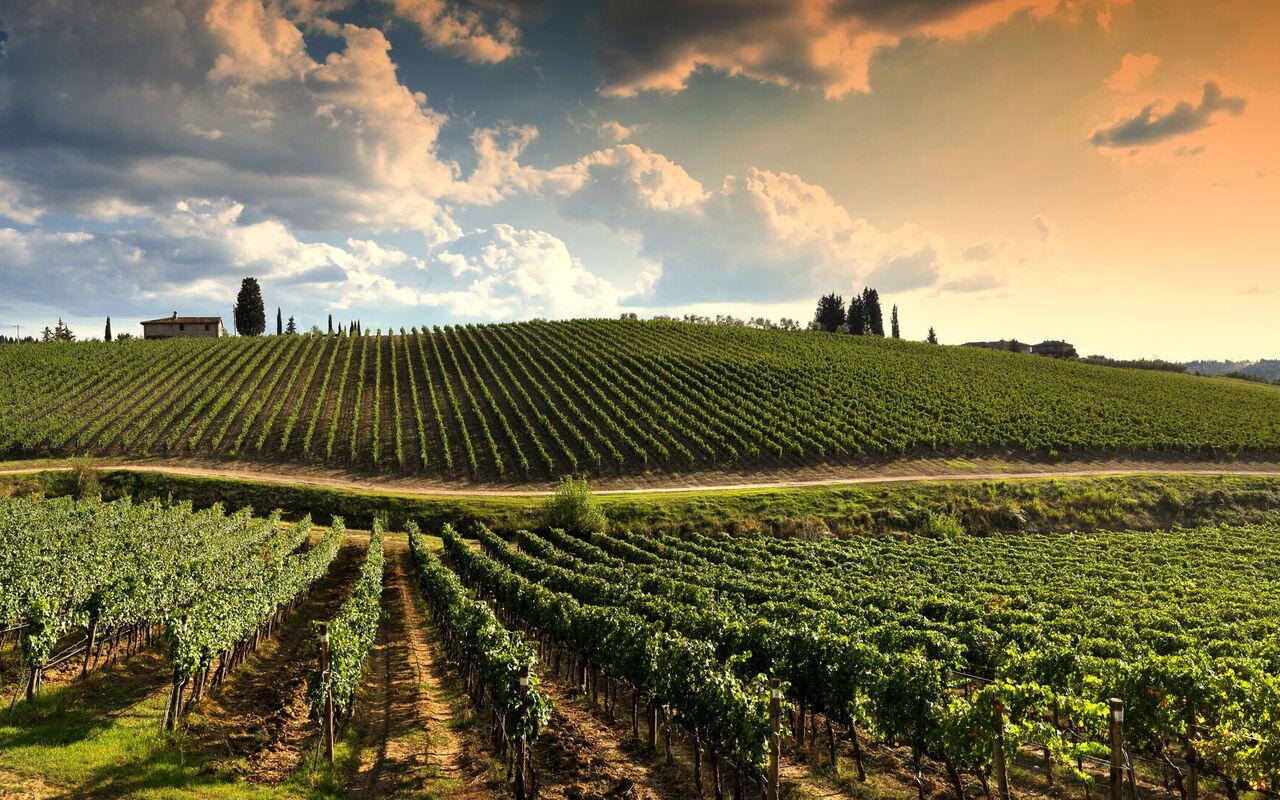
Tuscany’s landscape tells a story shaped by centuries of careful cultivation and respect for the land. Rolling hills, meticulously tended vineyards, and silvery olive groves define much of the region, reflecting a deep-rooted agricultural heritage. This harmonious balance between nature and human influence is especially striking in Chianti, where vine-covered slopes unfold in gentle rhythms, and in the Val d’Orcia, a UNESCO World Heritage Site known for its cypress-lined roads, golden wheat fields, and timeless stone villages.
Around San Gimignano and in the hills near Cortona, vineyards blend seamlessly with olive groves and pockets of woodland, creating a landscape that feels both cultivated and natural. Tuscany’s countryside is never static. With each season, colors shift and light transforms the scenery, offering an ever-changing panorama that remains unmistakably Tuscan.
Tuscany is also home to extensive untouched natural landscapes that reveal a wilder side of the region. Along the coast and in the south, the fragrant Macchia mediterranea flourishes, a dense mosaic of myrtle, rosemary, strawberry trees, and holm oaks. This distinctive ecosystem can be experienced especially well in the Parco della Maremma, where dunes, pine forests, open meadows, and unspoiled stretches of coastline create a strikingly diverse environment. In the north and east, the scenery gradually transitions into forested mountain regions. The Appennino Pistoiese is defined by beech and chestnut forests, clear mountain streams, and expansive hiking trails with panoramic views. Equally impressive are the Apuan Alps above Carrara, where bright marble cliffs rise dramatically from wooded slopes, forming one of Tuscany’s most powerful and recognizable natural landscapes.
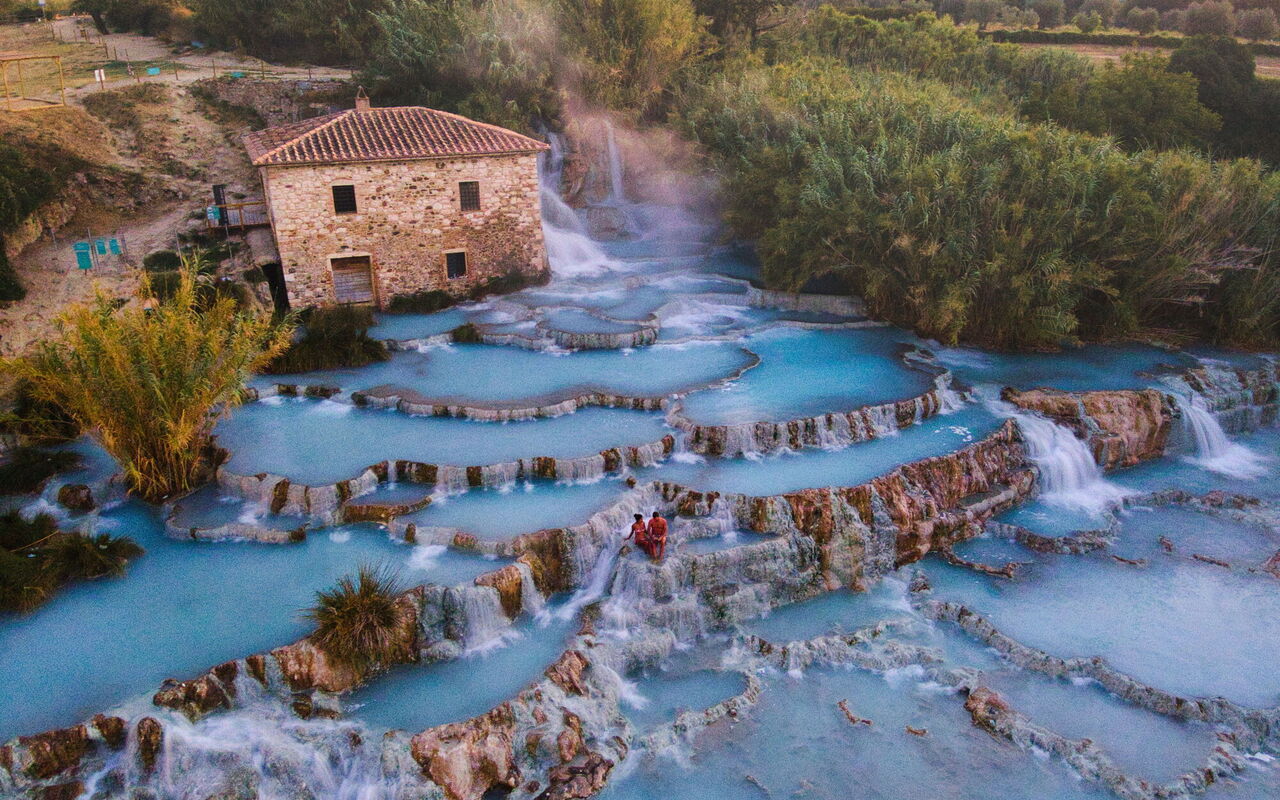
Between the coastline and the mountain ranges, Tuscany reveals an extraordinary range of landscapes. River meadows stretch along the Arno, natural thermal springs such as those in Saturnia rise from the earth in steaming cascades, cypress-lined ridges define the horizon, and fragrant pine groves offer shade along sandy beaches. Each setting feels distinct, yet unmistakably Tuscan.
Tuscany’s scenery is not untouched wilderness, but rather a thoughtfully shaped cultural landscape where centuries of history, careful cultivation, and natural beauty exist in harmony. To learn more about the region’s remarkable hot springs, read our article Free Hotsprings in Tuscany.
The Beaches Along the Tuscan Coast
The Tuscan coastline unfolds in a striking sequence of diverse and scenic landscapes. From the refined seaside atmosphere of Versilia in the north to the untamed beauty of the Maremma in the south, the shoreline alternates between elegant beach resorts, wide sandy stretches, protected dune systems, and intimate rocky coves. The Tyrrhenian Sea offers the ideal setting for every style of coastal escape. Travelers will find well-appointed beach clubs with full amenities, quiet natural beaches framed by pine forests, and open stretches perfect for water sports and outdoor activities. A journey along the coast reveals a changing panorama at every turn, each section defined by its own distinctive character and atmosphere.
- Forte dei Marmi – Versilia’s Refined Seaside Retreat: Forte dei Marmi represents classic beach elegance along the Versilia coast. Its wide, fine sandy shoreline slopes gently into the sea, making it especially appealing for families. Well-appointed beach clubs offer attentive service, restaurants, and comfortable loungers, creating a relaxed yet sophisticated atmosphere. In the background, the dramatic peaks of the Apuan Alps rise above the coastline, adding a distinctive and memorable setting.
- Viareggio – Sandy Beaches and a Vibrant Promenade: Viareggio is known for its expansive sandy beaches and well-developed seaside facilities, with gradual access to the water that suits swimmers of all ages. The historic promenade, lined with boutiques, cafés, and Art Nouveau architecture, brings a lively energy to the waterfront. Alongside organized beach establishments, visitors will also find freely accessible stretches of sand, offering flexibility for a variety of preferences.
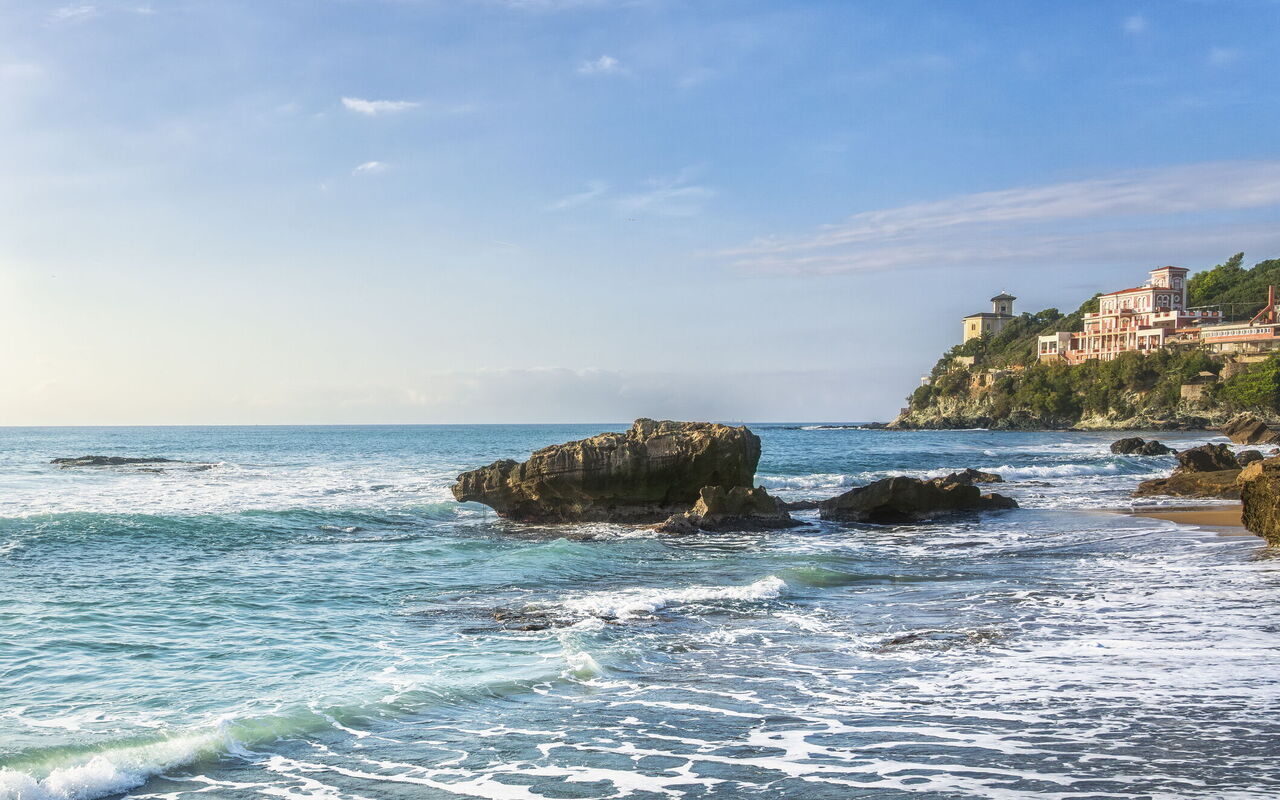
- Castiglioncello – Rocky Coves and Crystal-Clear Water: Castiglioncello is defined by its rugged shoreline and intimate bathing coves. Instead of long sandy stretches, visitors will find natural rock platforms and sheltered entry points into remarkably clear water. Smaller in scale and quieter than major beach resorts, the town is appreciated for its scenic setting, relaxed atmosphere, and unspoiled coastal character.
- Marina di Cecina – Sandy Shores Framed by Pine Forest: Marina di Cecina features a wide, fine sandy beach backed by an expansive pine forest that provides welcome shade during the warmer months. The coastline offers a balanced mix of free public beaches and well-equipped beach clubs, making it a versatile destination for families, couples, and outdoor enthusiasts alike.
- Baratti – A Bay Where Nature Meets History: The Bay of Baratti combines coastal beauty with a remarkable historical backdrop. Its light sandy beach and calm, shallow waters create a family-friendly setting, while nearby Etruscan archaeological sites add cultural depth to the experience. Surrounded by rolling hills and Mediterranean vegetation, Baratti offers a unique blend of relaxation and heritage along the Tuscan coast.
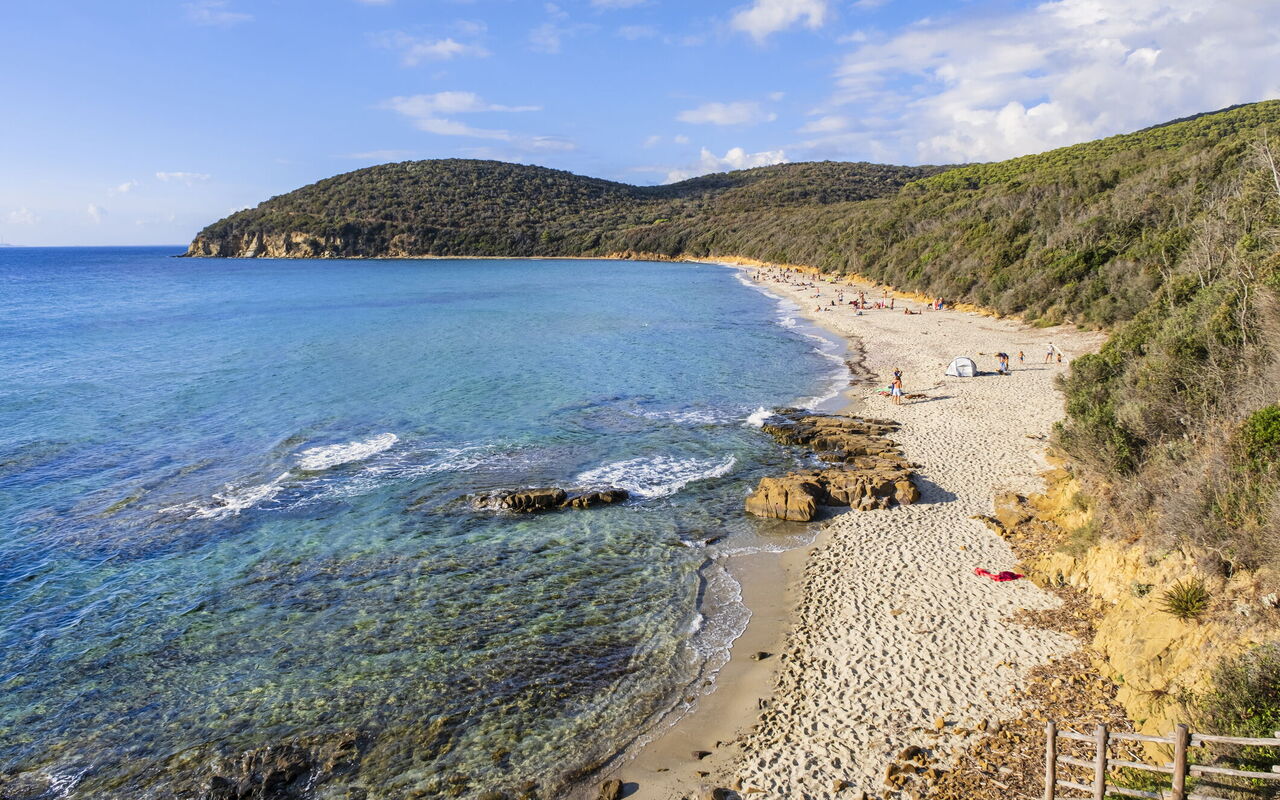
- Cala Violina – A Secluded Natural Bay: Nestled within a protected nature reserve in the Maremma, Cala Violina can only be reached on foot, preserving its tranquil and untouched character. The bay is known for its fine, pale sand and remarkably clear water, creating a setting that feels refreshingly pure. With minimal infrastructure, the focus here is entirely on nature, quiet, and the simple pleasure of the sea.
- Talamone & Monte Argentario – Dramatic Rocky Coastline in the South: Along Tuscany’s southern shoreline, rugged cliffs alternate with small sandy coves, shaping a coastline of striking contrasts. Around Talamone and Monte Argentario, the sea is deep, transparent, and ideal for snorkeling, diving, and sailing. Mediterranean scrub, steep headlands, and wide-open sea views define the scenery. Discover more in our article Monte Argentario in Tuscany: the Best Things to See and Do.
Culinary Traditions of Tuscany
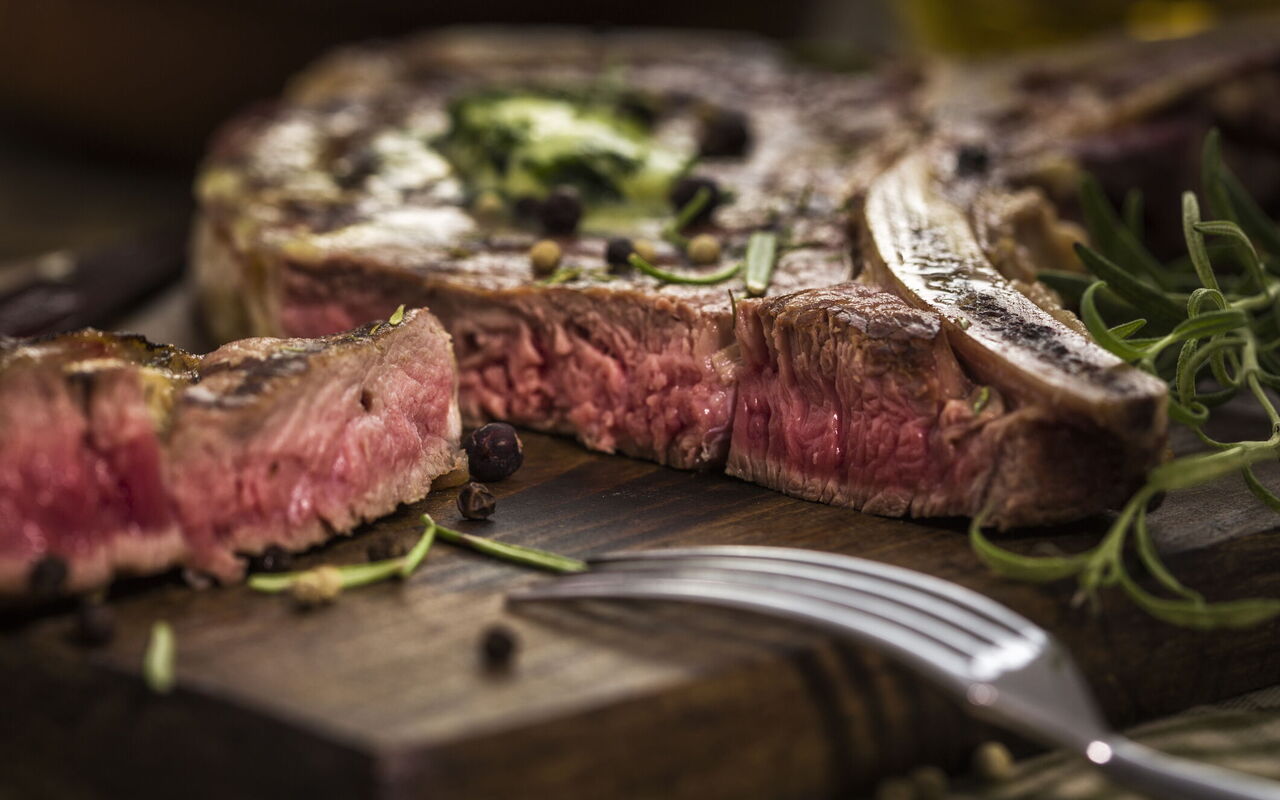
Tuscan cuisine is deeply rooted in the region’s rural heritage. Over generations, a seasonal and honest culinary tradition has evolved, centered on exceptional ingredients rather than elaborate preparation. Unsalted bread, extra virgin olive oil, and fresh herbs remain the foundation of many classic dishes, reflecting a philosophy that values quality and simplicity above all. One distinctive specialty is Pecorino di Pienza, a sheep’s milk cheese from the Val d’Orcia that ranges from delicately mild to richly intense, depending on its aging. Equally iconic is Bistecca alla Fiorentina, a thick-cut T-bone steak from Chianina cattle, traditionally grilled over charcoal and served simply to highlight its flavor.
Dishes such as ribollita, a hearty bread soup with beans and Tuscan kale, and pappa al pomodoro, where ripe tomatoes and bread are transformed into a velvety comfort dish, reflect the resourcefulness of traditional country cooking. Robust specialties like stracotto and trippa alla fiorentina further illustrate this authentic, time-honored cuisine.
Along the coast, seafood takes center stage. A signature dish is cacciucco, the richly seasoned fish stew from Livorno that blends several varieties of fish and seafood with tomatoes and aromatic spices. Grilled fish, mussels, and octopus are also staples of the coastal table, bringing the flavors of the Tyrrhenian Sea directly to the plate.

Traditional desserts provide a refined conclusion to a Tuscan meal. Cantuccini, the region’s classic almond biscotti, are typically served with a glass of Vin Santo for dipping. From Siena come the richly spiced panforte and the delicate almond cookies known as ricciarelli, both rooted in centuries-old confectionery traditions. Another regional specialty is pan co’ santi, an aromatic bread enriched with nuts, dried fruit, and warm spices.
These flavors are often complemented by celebrated regional wines such as Chianti Classico or Brunello di Montalcino. Discover more about Tuscan wine culture in our article on the Grape Harvest in Tuscany. Defined by honest ingredients, balanced flavors, and a deep connection to the land, Tuscan cuisine reflects the character and heritage of the countryside itself.
Sports and Active Leisure in Tuscany
Tuscany offers outstanding opportunities for active vacations set against a remarkably diverse landscape. Along the coast, conditions are ideal for sailing, windsurfing, and stand-up paddleboarding, particularly in destinations such as Viareggio and along the beaches near Castiglione della Pescaia. The rocky coves of Monte Argentario, with their clear, deep waters, are especially popular for snorkeling and diving.
Hiking enthusiasts will discover an extensive network of scenic trails in the Parco della Maremma and throughout the rolling hills of Chianti, where footpaths wind through vineyards and olive groves. For more demanding routes and rewarding elevation gains, the Appennino Pistoiese and the Apuan Alps provide wooded slopes, panoramic ridgelines, and well-developed mountain biking trails.
Cyclists value the quiet country roads of the Val d’Orcia, which cross open hills and offer far-reaching views across one of Tuscany’s most iconic landscapes. Meanwhile, golf courses near Florence, Pisa, and Punta Ala combine sporting challenge with serene surroundings. After an active day outdoors, natural thermal springs such as those in Saturnia provide the perfect setting to unwind. In Tuscany, movement and relaxation exist in effortless balance.
FAQ – Vacation in a Villa in Tuscany
Unlocking the Magic: Optimal Weather Conditions for Year-Round Tuscany Visits
Understanding Tuscany's Climate
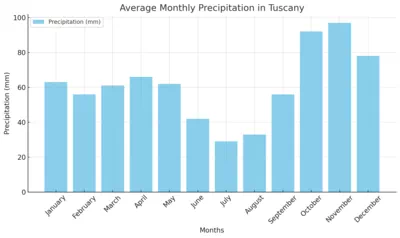
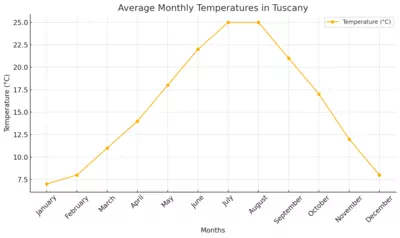
Tuscany enjoys a Mediterranean climate characterized by hot, dry summers and mild, wet winters. However, within this overarching climate , there are distinct variations depending on the region's geography. Coastal areas experience more moderate temperatures thanks to the influence of the Tyrrhenian Sea, while inland areas, including the famous Chianti wine region, tend to be warmer and drier.
Spring: Blossoms, Light, and Pleasant Temperatures
Spring marks the gentle awakening of Tuscany’s landscape, as flowering fields and fresh greenery transform the countryside. Daytime temperatures typically range between 13–23°C (55–74°F), offering comfortably mild conditions ideal for hiking, cycling, and exploring historic villages. Seasonal festivals celebrate local specialties such as artichokes and strawberries, inviting visitors to experience authentic traditions at their most vibrant.
Summer: Sun-Drenched Days and Warm Evenings
From June through August, Tuscany is bathed in brilliant sunshine. Average daytime temperatures range from 24–37°C (75–98°F), with inland areas occasionally climbing higher during peak heat. While afternoons can be warm, evenings remain pleasantly balmy, creating the perfect atmosphere for outdoor dining and relaxed gatherings under open skies. Coastal destinations draw visitors with refreshing sea breezes and inviting beaches, while hilltop towns provide cooler retreats along shaded streets and stone piazzas.
Autumn: Harvest Season and Golden Landscapes
As summer transitions into fall, Tuscany reveals one of its most captivating seasons. Vineyards and forests shift into rich shades of red, amber, and gold, and the air becomes crisp and clear. Temperatures generally range from 13–21°C (55–70°F), making it an ideal time for vineyard visits, grape harvest experiences, and tastings at renowned wineries. Truffle season also begins, offering culinary enthusiasts the opportunity to savor the region’s most prized flavors.
Winter: Quiet Beauty and a Mild Mediterranean Climate
Winter brings a peaceful atmosphere to Tuscany, with fewer visitors and a softer pace of life. Average temperatures range between 3–13°C (38–55°F). Compared to much of northern Europe, the climate remains relatively mild, making Tuscany an appealing destination even in the cooler months. Historic cities such as Florence and Siena glow with festive lights, while seasonal markets offer handcrafted gifts and local delicacies. In the countryside, olive groves and rolling hills create a serene setting for reflective walks and tranquil escapes.

Quality Guaranteed
Founder of Posarelli Villas, hand-picking all the vacation rentals in Italy we offer on our website.
Cancellation Costs Cover
Included in the rental price! Our Commitment to a Worry-Free Experience.
We have introduced a cancellation penalty reimbursement mechanism, designed to provide our guests with an extra layer of security, allowing them to book with confidence.

Special Deals
Looking for a memorable holiday experience without breaking the bank? With our range of advantageous deals and discount codes, you can enjoy incredible savings while creating unforgettable memories.
See All the OffersTravel Experiences
Discover all our Experiences & Services! Guided Tours, In Villa Experiences, Chef at Home, Wine Tastings, Weddings, Transfers, Vespa Tour, Bike, Yoga, Truffle Hunting, Ferrari Tours, etc. Many other experiences and services!
All Our ExperiencesCar Rental
To make your vacation even more comfortable, PosarelliVillas gives you the option to rent the car of your choice for your travels with just a few clicks.