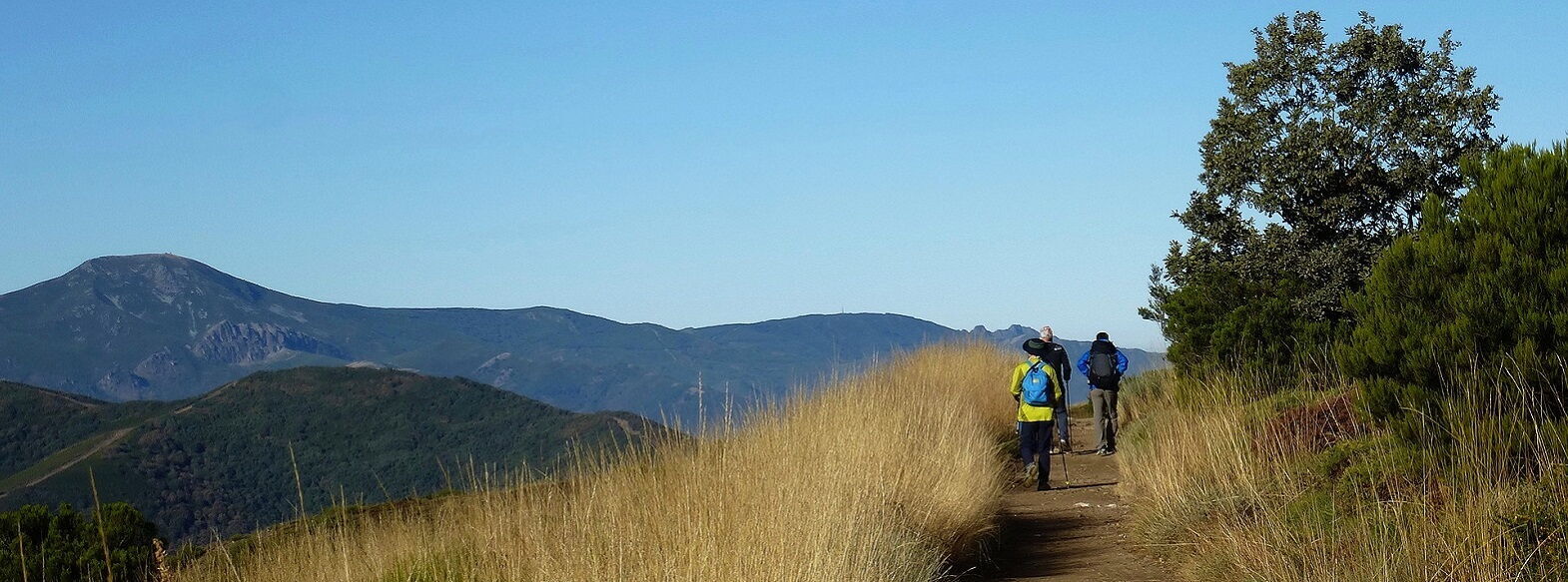
There are some pilgrimage routes that all Christians are lead to travel at least once in their life for devotion, penitence or simply to have an unforgettable experience. The “Via Francigena” is the path connecting Canterbury in England to the tomb of apostle Peter in Rome and it was recently recognized as one of the “peregrinations maiores” alongside Santiago de Compostela and Palestine.
The first historical sources about it date back to 10th century, when bishop Sigeric described its journey from Rome, where he got to be received by the Pope, to the cathedral of Canterbury from where he came. The name “francigena” means “coming from the Frankish land” as it passes through the territory of France for a long stretch. Since 1994, the path has been declared a “Cultural Routes of the Council of Europe” and this international fame leads thousands of pilgrims to travel it every year.
The 1600 km route is divided in 86 stages of 22-23 km that allow to stay in low cost “pilgrim” accommodations. However, you can split the path as you want to stop in one of our villas in Italy along the route!
The pathway starts in Canterbury and Dover to cross the English Channel and reach Calais, in France. It continues through Reims, Besançon, Losanne in Switzerland and the Alps, in correspondence to the Great St Bernard. The Italian itinerary starts in Aosta Valley and it continues in Piedmont, passing from Ivrea or the Susa Valley to reach Vercelli. It passes through Pavia, Piacenza, Parma, Segalara, Fornovo di Taro, Berceto and Pontremoli. You’ll then get to Tuscany and you’ll see Camaiore (where you can stay at Villa Raffaela) Lucca (with Villa Flavia), Porcari, Altopascio (where we suggest you Villa Marginone), Fucecchio, San Miniato (with Il Fienile di Giovanna), Castelfiorentino, San Gimignano, Poggibonsi, Colle di Val d'Elsa, Siena (with Villa Righi), Montefiascone (with I Gigli di Bolsena ), Viterbo and you’ll finally reach Rome.
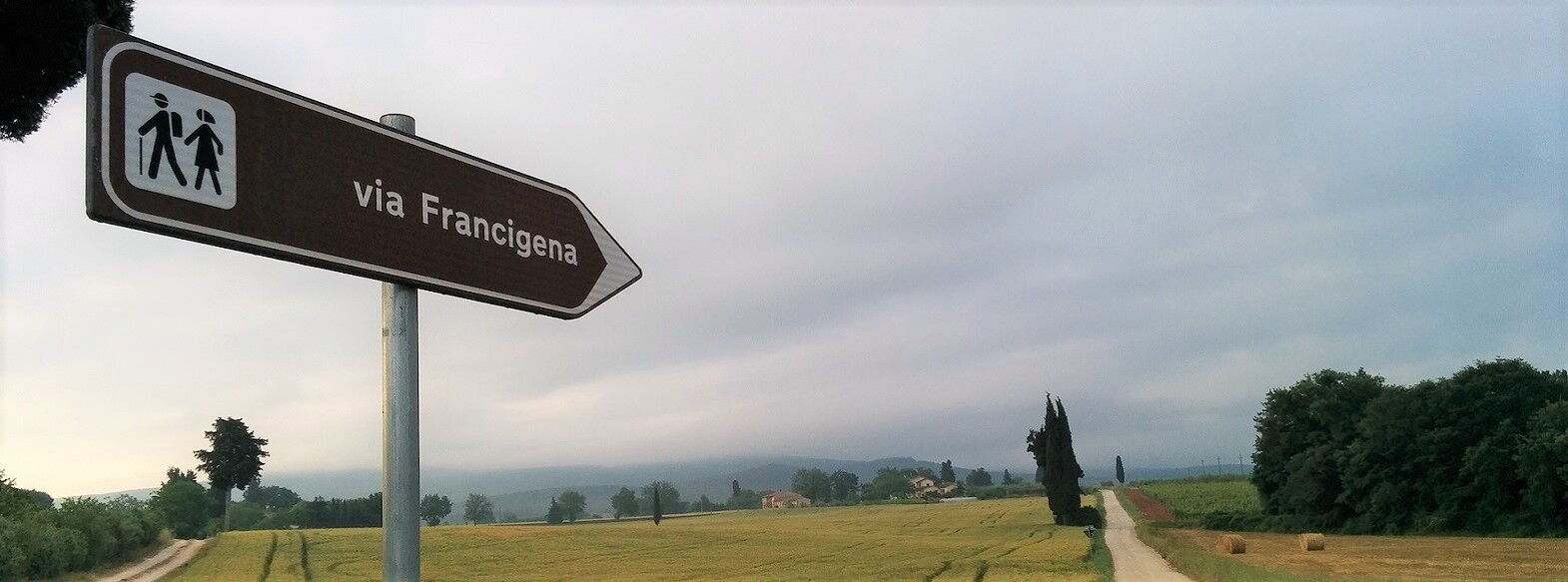
It’s recommended to travel the “Via Francigena” in May, June, September or October when the weather isn’t too hot or cold and the Great St Bernard Pass is open. It seems an impossible and threatening challenge, but the road doesn’t present any technical difficulty: with an adequate equipment, a lot of water and the right sun and rain protections, everyone is able to get to the end of their trip. And believe me, it’s really worth it: it’s a wonderful voyage through European beauties that isn’t easy to forget.