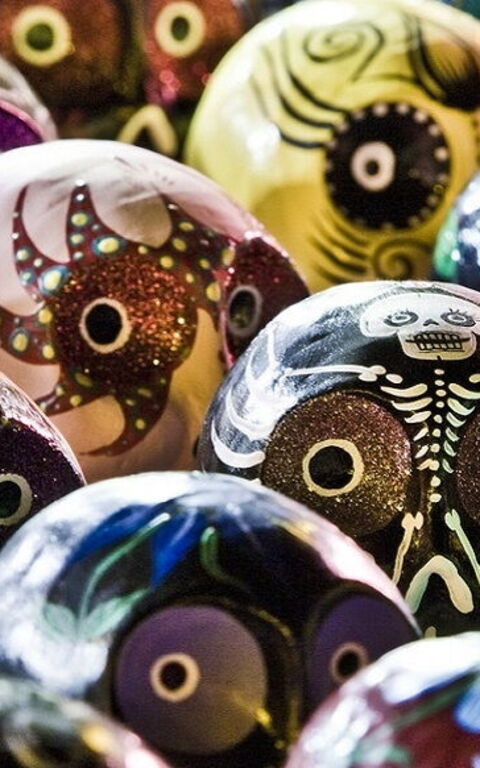

November is approaching, and Halloween celebrations are just behind the corner. The popular Disney movie “Coco” has majestically shown how Mexican people usually commemorate the dead ones and what “Dia de los Muertos” is.
But what about Spain? Is this celebration popular in the Iberian Peninsula or are there other traditions?
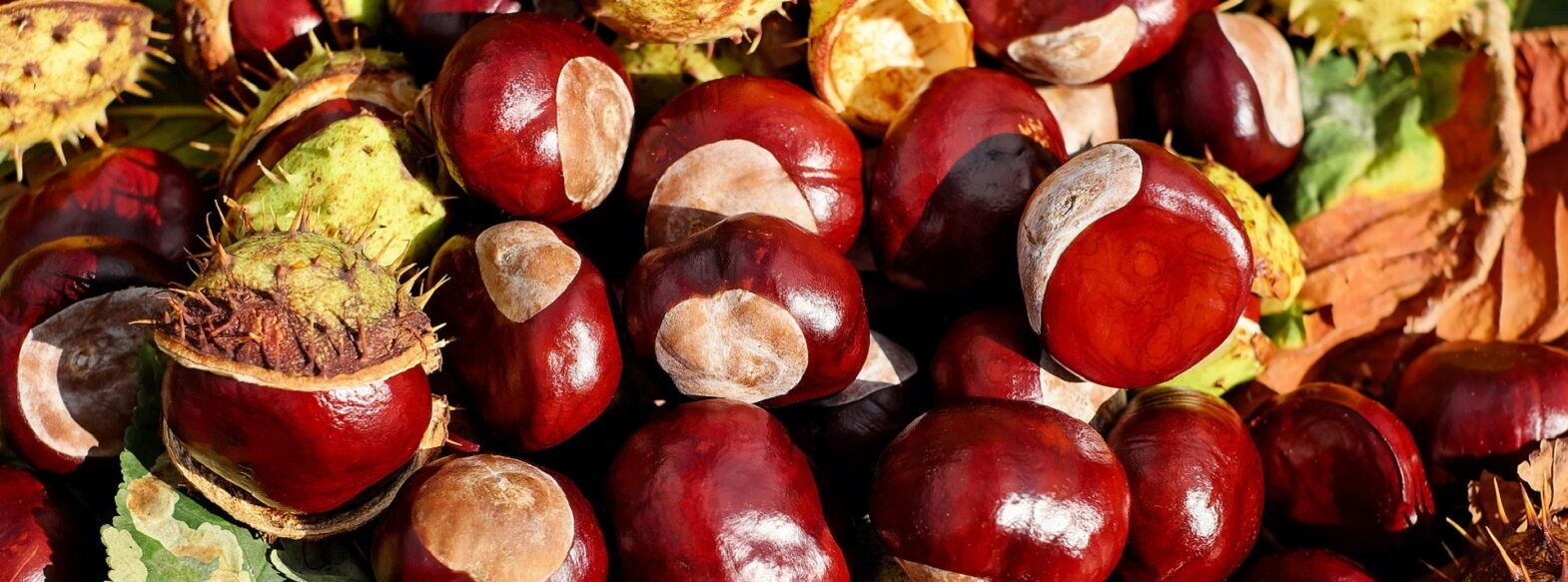
Actually, Spain doesn’t present festivals of this kind, as the Mexican "ofrenda para los muertos" is a tradition with Aztecan origins. Here, November 1st is simply known as "Dia de Todos los santos" (All Saints’ Day), Halloween is more like an imported Anglo-Saxon celebration often called "Dia de las Brujas" (Witches' Day) while November 2nd is called "Dia de los Muertos" (All Souls' Day). The souls of the deceased ones rise to heaven and their families visit their graves to bring gifts and to remember them. Families gather to eat abundant meals together and prepare some typical sweets such as “los huesos de santo” or “castañas asadas”. It is a religious celebration that hasn’t been influenced by Celtic traditions, as Spain has always been a Catholic country that wanted to preserve its culture.
However, some Spanish regions present unique ways to celebrate these two important days.
Let’s discover them together and don’t forget to have a look to our properties in Spain to visit this beautiful country on your next holiday!

- Canary Islands: la Noche de los Finaos
In the Canarian Islands such as Tenerife or Lanzarote, the grandmother or the mother usually tells stories about their ancestors to the other members of the family while they have a snack with fruits and typical drinks. Today, this tradition is also celebrated in the streets accompanied by music and dances.
- Galicia: Samaìn
Galician tradition is called “Samaìn” and it has Celtic origins. On this night, the limit between the world of the dead and the world of the alive disappears and people adorn their houses to keep the evil spirits away. Also, families and friends meet to celebrate “magosto”, when they cook chestnuts and tell each other stories in front of the fireplace.
- Paìs Vasco: Gaztanerre Eguna
This gastronomic celebration is dedicated to cooked chestnuts, accompanied by foods such as “motokil” or “caracoles en salsa”. While it was originally a men’s celebrations, now everybody can take part to it and families also remember the dead ones on this occasion.
- Soria: El Monte de las Animas
There is a popular legend in Soria telling that on the night of October 31st spirits, skeletons and Templars reunite on the “Souls’ Mount” which has also been described by Gustavo Adolfo Becquér in his famous novel. Usually, people tell the frightening story in front of a fireplace prepared on the top of the mountain.
- Madrid: Don Juan Tenorio
The annual representation of the play “Don Juan Teorio” by José Zorrilla is one of Sain’s best-known traditions. Thousands of people gather in the open-air square of Huerta del Palacio Arzobispal and it is broadcasted by all TV channels.
© Alice Pilastri