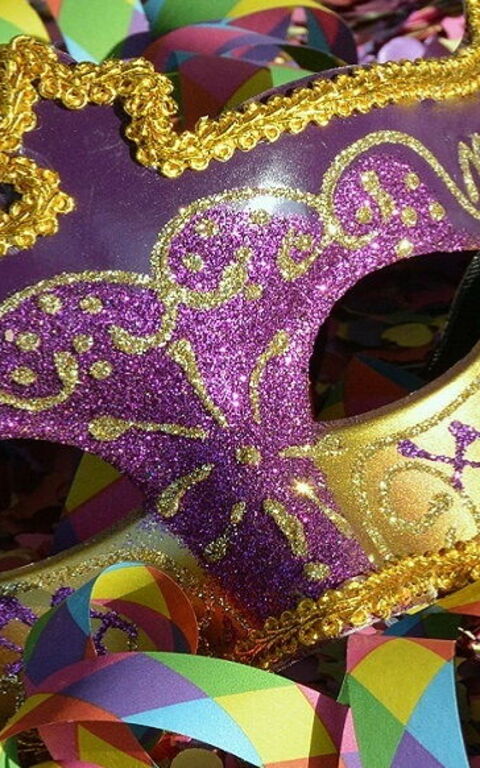
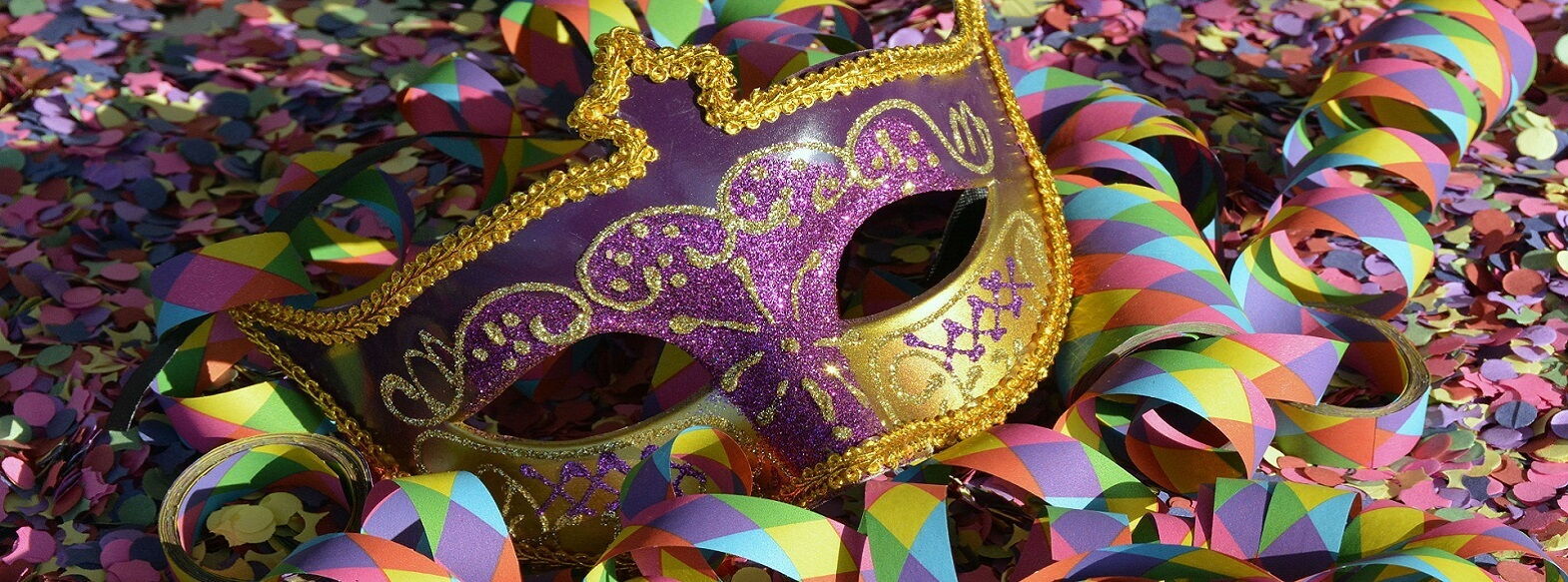
February is the month of Carnival in Greece and it’s time to get ready for celebrations! Greece will surprise you with its huge celebrations taking place in villages and towns, where thousands of dancers and masked participants have fun together in the name of joy and happiness. There is no better period to enjoy the cheerful Greek life: get accompanied by traditional music and by your fellow masquerades and taste the local food specialities in the best city bars and restaurant!
Do you want to know more about Greek Carnival and how it is celebrated? Read more and take part to the next events booking an unforgettable holiday in Greece!

The name of Carnival in Greece is “Apokries”, which means “abstention from eating meat”. The festival starts ten weeks before the Orthodox Easter and ends with the beginning of Lent, so it takes place on the three weeks before the so-called “Clean Monday”.
Actually, Greece was Carnival’s homeland. The tradition began in Ancient Greece, where people celebrated the god of wine Dionysus with pagan rites that were already associated with earthly pleasures and transgressions. Nowadays, Carnival has adopted a deep religious meaning and it is celebrated in almost every country of the world!
In Greece, the first week of Carnival is called “Profoni” and starts with the “opening of the Triodon”, an event referring to the three odes sung in Orthodox churches before Holy Saturday.
The second week, called “Kreatini”, is when Greeks cook roasted meat in every house, filling streets’ air with a delicious, irresistible smell. On Thursday, called “Tsiknopempti”, families and friends gather to have a nice meal together, dancing and drinking wine listening to traditional music.
With the beginning of the third week, called "Tyrinì", people are no longer allowed to eat meat and “Cheese Week” officially starts! These will be the last days of parties and celebrations, as the following Monday marks the beginning of Lent period.
"Kathara Deftera” or “Clean Monday” is a day of purification and sobriety that puts a definite end to the excessive Carnival celebrations. However, Clean Monday is a festive day symbolizing harmony, hope and happiness: traditionally, families spend this day out to have a picnic together, tasting some special foods such as “lagana” bread, “taramosalata” sauce or “halvas” cake. Also, children make their kites fly in the blue sky, as this game is a symbol of the positivity associated with this day.
As in other countries, Carnival is a wonderful occasion in which children and adults can dress up in fanciful ways, wearing masks and costumes. Although Carnival is celebrated everywhere in Greece, usually with the symbolic “Carnival King” figure, there are some towns that organize it in a very special way. Let’s discover where they are!
One of the most singular events is the one taking place in Patras, hosting a one-week fantastic party featuring colorful floats, dancing parades, firework shows and traditional events like the “chocolate battle”. This is the largest of its kind in Greece and one of the biggest of Europe!
Another nice place to visit in this occasion is Rethimno, a small town organizing a humoristic Carnival with a unique Venetian style.
Besides, in Spiros men usually dress up as goats to take part to the singular “Goat dance” in the main streets, while the celebration taking place in Naoussa is beautifully different from all the others, as it’s dedicated to freedom and independence.
Take part to the next Carnival celebrations in Greece! Check out our selection of holiday rentals in Greece to book your favourite one and spend a memorable stay in this beautiful country!
© Alice Pilastri