The word Epiphany literally means "revelation" and refers to the appearance of Christ to men through the Three Kings. So why do Italian children wait for the Befana to bring them chocolate and sweets on January 6th? What does an old lady who rides a broom mean?
Discover more about the history of Befana and all the unmissable events taking place around Italy to celebrate Epiphany!

According to a legend, the Three Wise Men on their way to Jesus's birthplace asked for information to an old woman, because they could not find the right path. To thank her for her help, they insisted to make her join their road, but she declined their invitation. However, the old woman soon repented bitterly of her decision and she quickly prepared a basket of sweets to bring to the newborn child. She went out to look for the three Men, but it was too late and she couldn't find them. So, she started knocking on the door of every house she found in search of Jesus, leaving sweets to every child she met hoping that he was Baby Jesus in person. And after more than two thousand years, that's what she's still doing!
On January 6th of each year, children sing a famous refrain waiting to receive sweets and other delights. The translation is: "The Befana comes at night with her shoes all broken, with the patches on her skirt: viva, viva the Befana!". This is how this old woman is represented by all kids. On the night between 5 and 6 January, she descends from the fireplace to fill the empty hanging socks left by children. The good ones will receive gifts and sweets, while the naughty will find some awful coal!
Each Italian region celebrates the Befana in a special way, organizing markets, traditional festivals and some typical auspicious stakes, as it represents that the past year is "burned" to make room to the new one.
In Tuscany, in the province of Grosseto, there is a group of boys called "befani", who accompany the old woman through the streets of the city singing some songs. In Florence, the so-called "Cavalcade of the Three Kings" is organized every year: this is a procession consisting of about 700 figures leaving from Piazza Pitti, crossing the entire historic center and arriving at the Baptistery, simulating the journey of the Wise Men to Bethlehem. Moving to Lucca and its surroundings, we suggest taking part to the Befana celebration in Barga, where Epiphany is deeply felt: the children disguised as a Befana move from house to house singing songs and finally gather around a bonfire forming a large circle. In the locality of Pegnana, there is also a small Befana house that can be visited at any time of the year.
In Liguria the Befana comes from the sea making every child very joyful, while the most famous Epiphany market in Lazio is located in Rome in Piazza Navona, where a Befana in person comes to greet the children among stalls full of sweets. The streets of Naples, on the other hand, are full of markets where you can buy sweets for stockings, especially in Piazza Mercato.
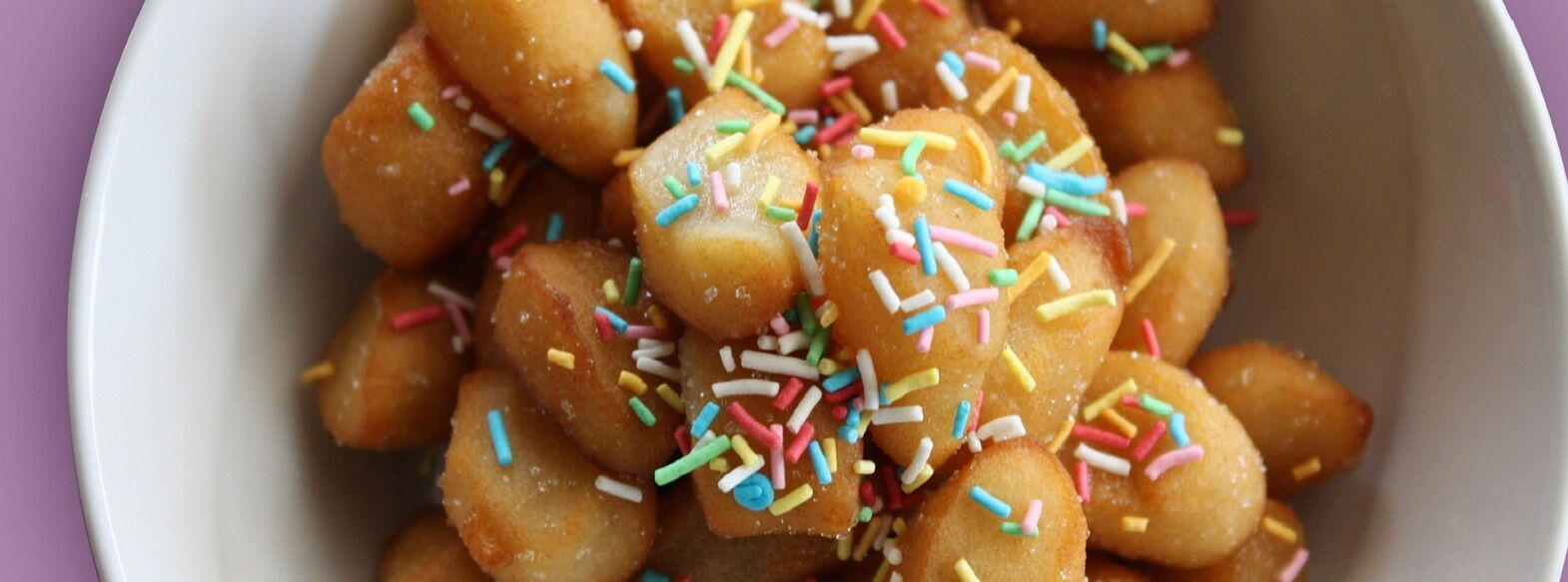
What do you eat on this special occasion? Tuscan tradition includes Cavallucci of Siena, which are soft biscuits made with water, sugar, honey, candied fruit, anise, nuts and yeast, as well as "Befanini", which are cookies coming from the Lucca area made with rhum and citrus fruits.
In Liguria, people prepare the "anicini" biscuits, usually eaten with a glass of sweet wine, and the donut of the Three Wise Men , a dessert covered with raisins, candied fruit and sugar. In the south of Italy, precisely in Campania, people prepare the first pastiera of the year and some delicious struffoli, which are small balls of sweet fried dough, dipped in honey and decorated with candied fruit and sugared almonds.
© Alice Pilastri