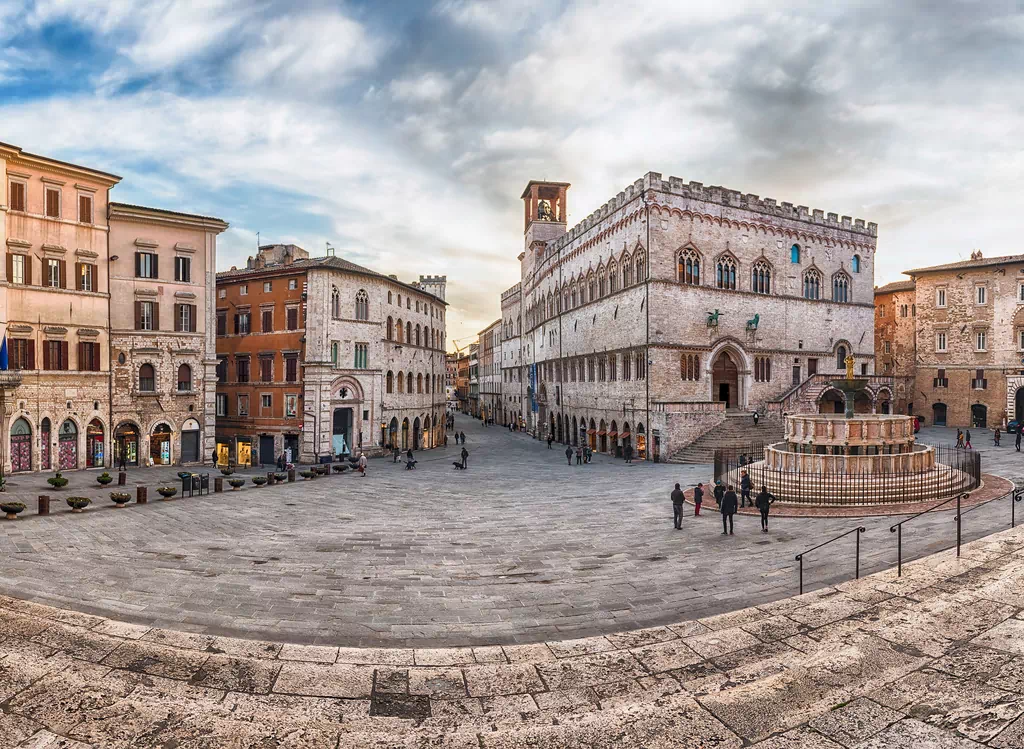
Umbria is a small but precious green heart of Italy. This region has protected its traditions with all its strength, preventing the contaminations of the modern world. When visiting Umbria, you will find an authentic atmosphere: Etruscans, ceramics, monasteries, national parks. Its historical, religious and natural importance is second to none other region, and the same goes for its rich and substantial menu of typical dishes.
WHAT TO EXPECT FROM UMBRIAN CUISINE?
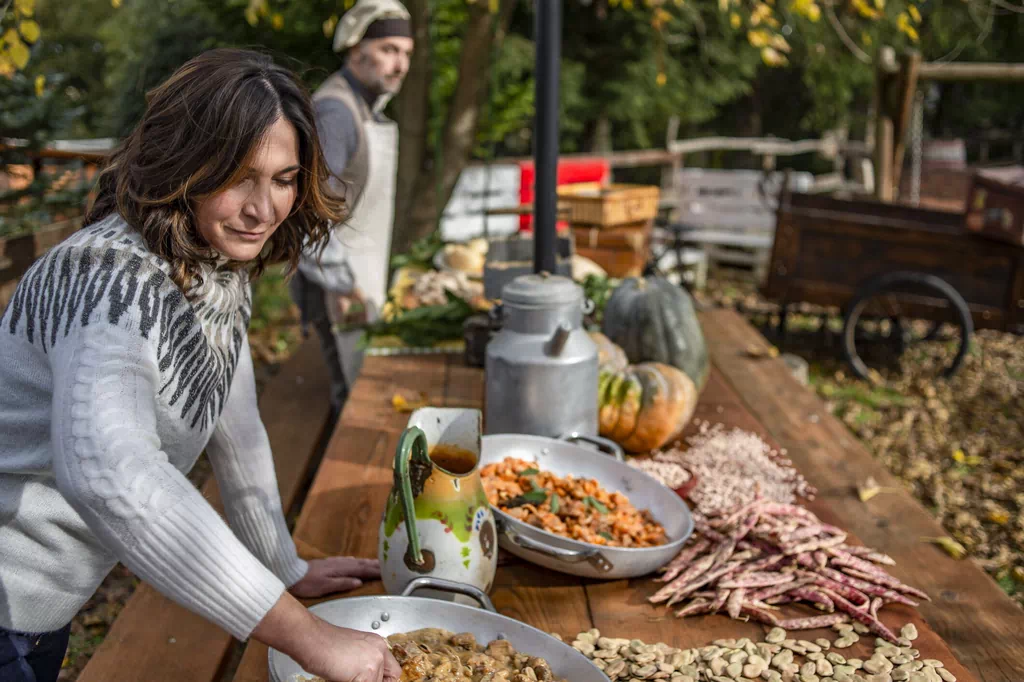
Protein first and foremost, from diametrically opposed sources. On the one hand, the absolute preponderance of meat in main courses and as a dressing for pasta; on the other, a rich biodiversity of pulses including lentils, black chickpeas, roveja, fagiolina, cicerchia and many others. Then fresh pasta without eggs, spelt and other ancient cereals, cheeses and sheep's milk ricotta, and home-made desserts to dunk in wine.
WHICH DISHES SHOULD YOU ABSOLUTELY TRY?
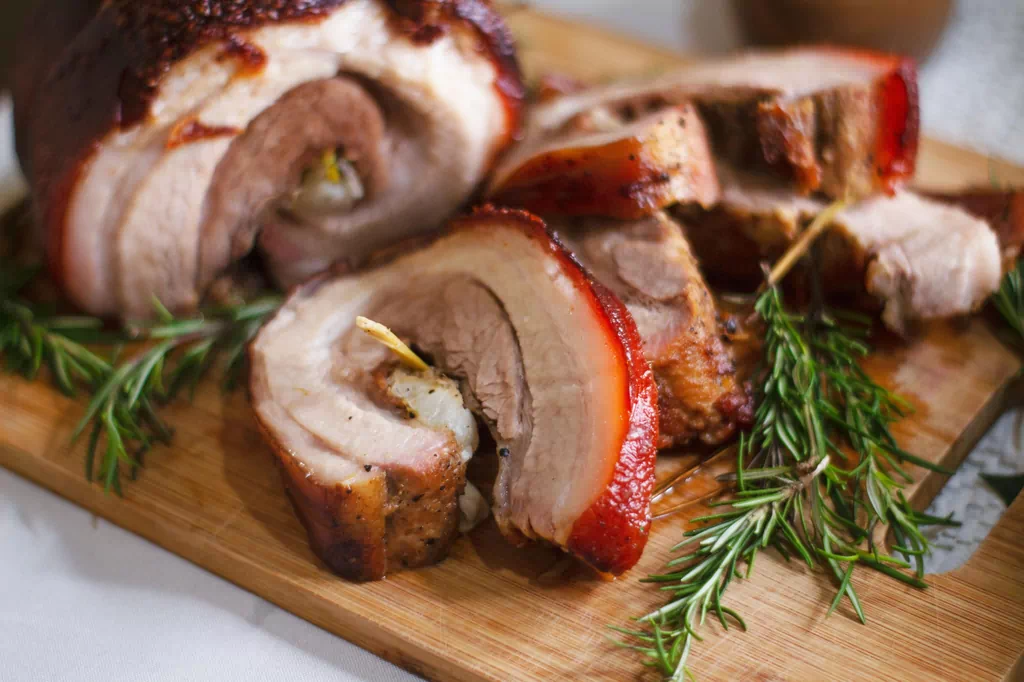
1. Arvortolo: a golden fried pizza that is arvortolata ( flipped) several times during cooking to make it homogenous. They can be eaten on their own or filled with capocollo, porchetta or pecorino cheese.
2. Mazzafegato: a sausage made from pork liver, rind and other secondary butchery parts. All seasoned with fennel seeds, lemon and/or orange peel.
3. Cicotto: a special pork roast prepared with all the parts of the pig (ears, tripe, nose, feet, shin, tongue) washed and cooked in the oven for at least 12 hours.
4. Umbricelli: these are the typical pasta format of Umbria. Prepared only with water and flour, they are only meant to be served with a tomato sauce.
5. Strangozzi: these are very thick fettuccine, which do not have eggs inside their dough. They are usually seasoned with tomato and parsley.
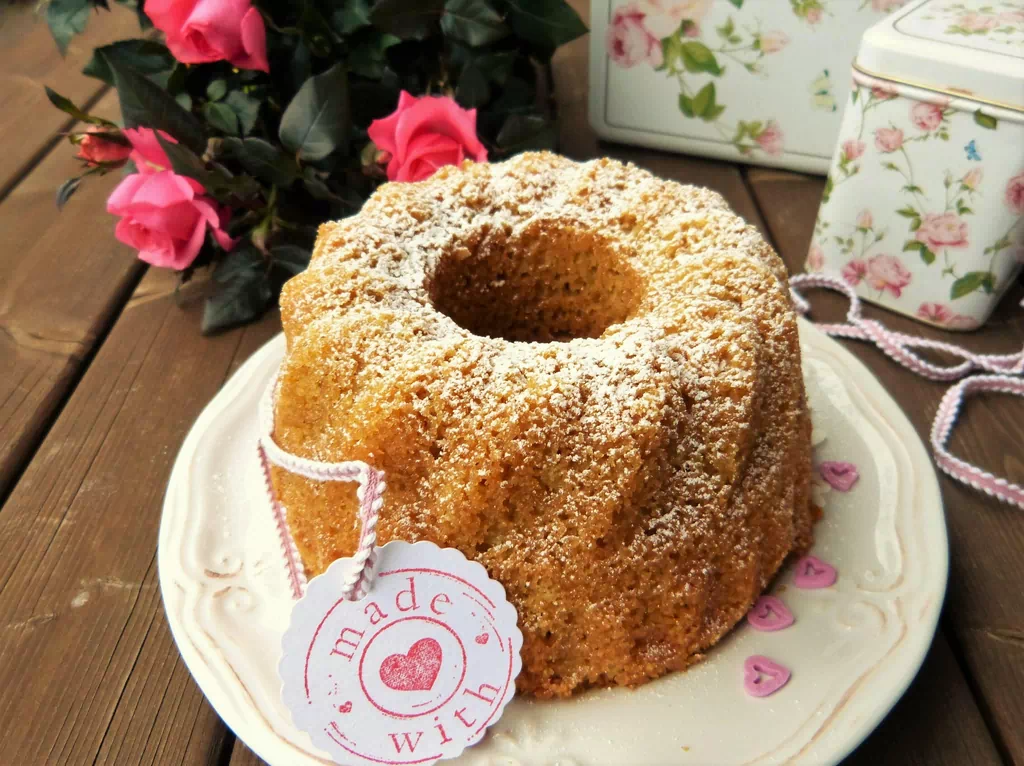
6. Crescionda: a luxurious cocoa and amaretti cake consisting of three layers. The first is made of macaroons and flour, the second creamy made of eggs and milk, and the third with bitter cocoa. Mistrà (aniseed liqueur), rum, lemon peel, vanilla and cinnamon complete the ingredients.
7. Brustengo: this is a kind of sweet corn bread enriched with thin slices of apple and dried fruit at will. The good thing about brustengo is not only the taste, but also the nutritional table. It is traditionally gluten-free and sugar-free.
WITH WHAT TO ACCOMPANY THE DISHES LISTED ABOVE?
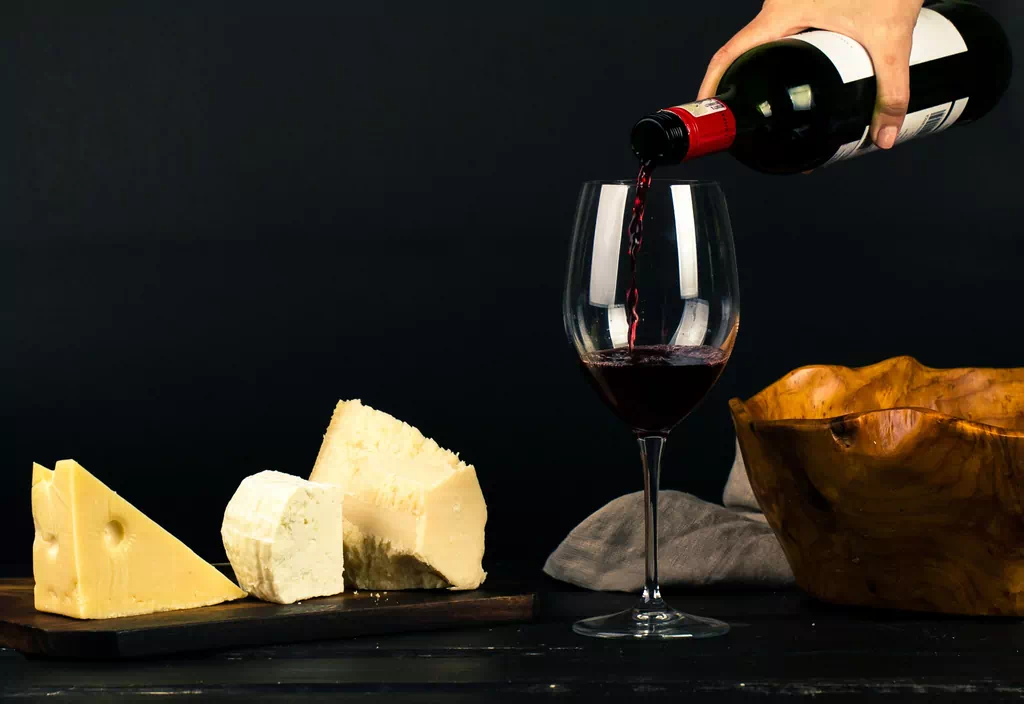
In Umbria, one not only eats well but also drinks deliciously and variously. There are several grape varieties typical of the area, which are increasingly appreciated internationally. Among the most famous are the Torgiano Rosso Riserva DOCG and the Montefalco Sagrantino DOCG, but wines such as Grechetto or Ciliegiolo are becoming increasingly popular.
There are also special productions of wines with very interesting characteristics such as Orvieto abboccato, which is perfect for dessert, rather than Solleone, which is more fortified and has a strong personality.
Umbria, therefore, also in this wine and food itinerary, has turned out to be a region with many hidden sides that have yet to be fully revealed.
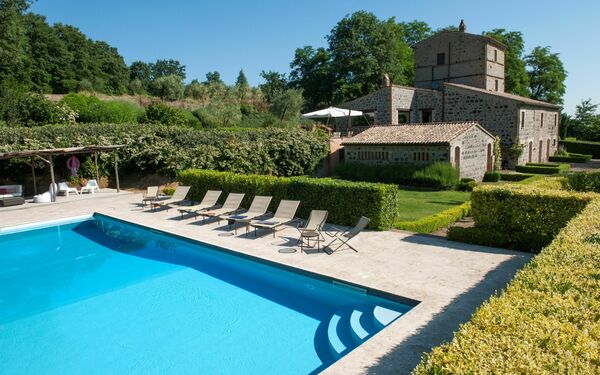
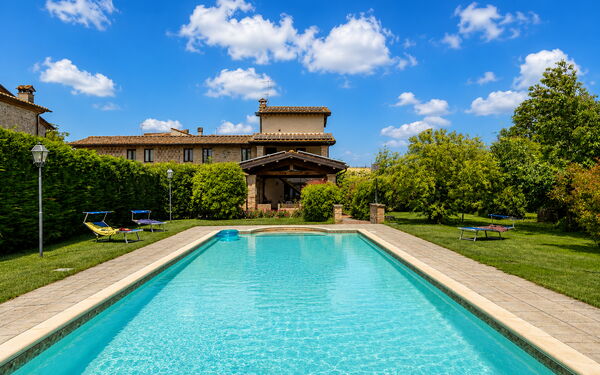
Why not choose Umbria as your next destination? Take a look here, don't let this opportunity pass you by.
© Rebecca Taizzani