Our Blog: Travel Tips
Planning a trip to Italy? Browse and read our useful and informative articles about the endless range of attractions and experiences in this lovely country.
Travel through the beauties of Italy with us. Visit our blog!
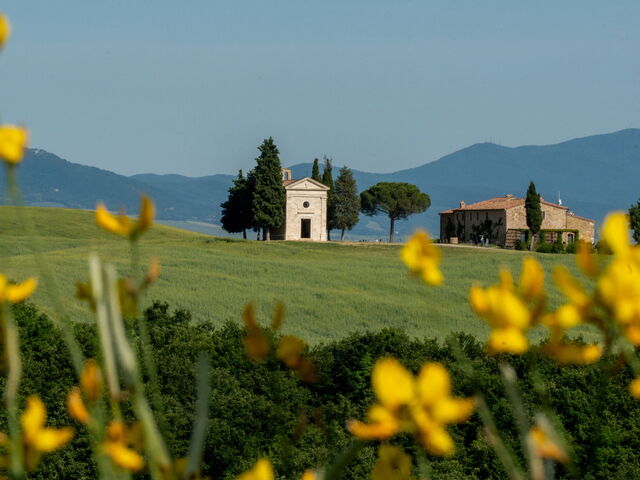
Easter marks the beginning of spring in Tuscany, but without the intensity of summer. It is one of the most pleasant times to discover the region, when villages fill with flowers, Holy Week processions wind through stone streets, and families gather around simple seasonal meals. The hills glow with fresh green, artichokes and young pecorino cheese appear in the markets, and the cities seem to slow down while preserving centuries-old rituals. Between March and April, the weather becomes part of the experience: clear days with mild temperatures around 18–22°C alternate with cool mornings and occasional passing showers. The countryside is at its most beautiful, with vineyards just beginning to sprout and fields glowing with intense green.
Easter traditions in cities of art
In Tuscany’s historic cities, Easter takes on a distinctive character: religious celebrations unfold among remarkable architecture, squares become natural gathering places, and traditions that date back centuries continue to shape everyday life. Visiting cities such as Florence, Siena, or Lucca during the Easter period offers the opportunity to observe a living cultural heritage expressed through gestures, rituals, and local customs.
Florence: The most famous moment is the Scoppio del Carro (Explosion of the cart), a tradition that takes place on Easter morning in Piazza del Duomo. A 17th-century pyrotechnic cart is ignited by a mechanical “colombina” (dove) that travels from the altar of the Cathedral, triggering a fireworks display considered a good omen for the year. The event is deeply rooted in the city’s medieval history.
Siena: Easter has a more intimate atmosphere here. Celebrations in the Cathedral, one of the finest examples of Italian Gothic architecture, are experienced with quiet participation and devotion. The city, less crowded than in the summer months, allows visitors to follow the religious rites and stroll through Piazza del Campo at a relaxed pace.
Lucca: enclosed by Renaissance walls, it offers a harmonious setting for Holy Week. Churches in the historic center host celebrations and concerts of sacred music, while processions move through the ancient streets. The atmosphere remains sober and naturally integrated into the rhythm of the city.
Landscapes and trails during Easter
While the cities celebrate Easter through rituals and architecture, the Tuscan countryside expresses it through light and open space. Between March and April, temperatures are mild, colors grow more vibrant, and the trails are still quiet. It is an ideal moment to spend time outdoors and observe the landscape as it gradually returns to life.
Maremma Natural Park: in the Maremma Natural Park, among Mediterranean scrub and coastal watchtowers, trails lead to the abbey of San Rabano, medieval ruins set among the hills of the Uccellina range. Walks with sea views, gentle paths, and local wildlife create a varied experience far from the busiest tourist routes.
Crete Senesi: south of Siena, the Crete Senesi unfold in rolling hills and white gravel roads that turn green in spring. It is an ideal landscape for scenic walks, cycling routes, and quiet stops near isolated churches and rows of cypress trees, with wide horizons and very few settlements.
Casentino: in the Foreste Casentinesi National Park, visitors can explore vast forests, ancient abbeys, and historic hermitages. Here, Easter can become a journey through nature and spirituality in a quieter and more contemplative setting.
Beaches and coastal villages at Easter
The Tuscan coast reveals a different character at Easter compared with the summer months. The beaches are wide and quiet, beach establishments begin to reopen, and the sea reflects a clear spring light. It is the perfect time to walk along the shore, stop at a restaurant overlooking the sea, and enjoy the landscape of pine forests and cliffs without the summer crowds.
Viareggio: with its Art Nouveau seafront and the Passeggiata Margherita promenade, it offers a pleasant setting for walks and time spent outdoors. The Apuan Alps in the background and the first mild temperatures create a harmonious balance between sea and city.
Castiglioncello: known for its cliffs and small coves, it combines natural beauty with a cultural history linked to 19th-century painting. It is an ideal destination for those seeking open sea views and a more intimate atmosphere than larger seaside resorts.
Punta Ala: located on the Maremma coast, it offers sandy beaches, pine forests, and a well-organized marina. The atmosphere is peaceful, perfect for a relaxing spring break by the sea.
For more information on the beaches of Tuscany, read our article: The 5 most beautiful beaches in Tuscany.
Traditional Easter desserts and specialties
In Tuscany, Easter is also celebrated at the table. It is a celebration of traditional Easter baking, the aromas of anise and citrus, and recipes passed down through generations and still prepared today in historic bakeries and artisan pastry shops. Alongside savory dishes, desserts best express the region’s Easter traditions.
Grosseto: in the Maremma area, the star of the table is the schiacciata di Pasqua, a tall and soft cake flavored with anise and citrus zest, the result of a long rising process. In Grosseto, it can still be found in bakeries in the historic center, often served with vin santo or a local sweet wine.
Arezzo: here the Easter ciambella is common, more compact and fragrant, sometimes decorated with sugar sprinkles. The pastry shops between Piazza Grande and the surrounding medieval streets offer artisanal versions that fit naturally into a day spent exploring the city.
Pisa: in addition to sweet schiacciata, artisanal colombe prepared with local ingredients such as Tuscan honey or candied oranges can also be found. The cafés along the Lungarni offer a pleasant break surrounded by architecture and tradition.
If you want to discover other typical desserts served at Easter in Italy, read our article 6 Typical Desserts to Try at Easter.
Villages celebrating Easter
With the arrival of spring, village squares come back to life. During Easter, many Tuscan villages host seasonal markets, local fairs, and events dedicated to regional products. These are not large festivals but simple occasions to meet local producers, artisans, and families. Walking among the stalls offers a direct glimpse of everyday life in Tuscany.
Colle di Val d'Elsa: in the upper historic center, among medieval alleys and views over the Val d'Elsa, spring markets dedicated to crafts and local specialties appear. Fresh pecorino cheese, honey, and Easter desserts can be found in a welcoming setting far from the crowds.
Greve in Chianti: the triangular square comes alive on weekends with food stalls and tastings. Between Chianti Classico, cured meats, and extra virgin olive oil, a visit takes on the rhythm of an informal outdoor food-and-wine tour.
Vinci: in Leonardo’s birthplace, the markets have a more rural character. Seasonal farm products, homemade desserts, and small handicrafts are set within a hilly landscape that invites visitors to pause and enjoy a slower moment between culture and countryside.
Alternatives to outdoor activities
Spring rain in Tuscany does not interrupt a trip; it simply changes its pace. The stones of historic centers reflect the light, the squares grow quieter, and indoor spaces become more inviting. If the sky is overcast between March and April, it becomes an opportunity to discover another dimension of the region.
The cities of art offer many alternatives: the Siena Cathedral complex, the rooms of Palazzo Pitti in Florence, and the churches and towers of San Gimignano with their frescoes. With fewer visitors than in summer, these places can often be explored in a calmer and more focused atmosphere.
The rain also invites visitors to pause and take a break. In the cellars of Chianti or Montepulciano, guided tastings are organized, accompanied by stories about the land and the traditions of wine production. Historic villas open their doors, while cooking schools offer courses dedicated to fresh pasta or traditional Easter desserts.
Easter in Tuscany can also be a time to slow down: between the end of winter and the beginning of the warmer season, spas offer a place to relax and regain balance. Warm outdoor pools in April create a pleasant contrast with the cool air and the landscape that is gradually turning green again. If you would like to learn more about spas in Tuscany, read our article on Free Natural Spas in Tuscany.
Even under cloudy skies, Tuscany remains captivating. The light changes, the pace changes, but the experience remains the same.
Choosing the right vacation home for Easter in Tuscany
Planning Easter in Tuscany also means choosing the vacation home that best suits your travel style. Whether you prefer a villa in Maremma, a house in Chianti, a stay near a city of art such as Florence or Siena, or a property along the Tuscan coast, the region offers many options for a spring weekend or a longer holiday. Posarelli Villas offers a curated selection of villas for rent in Tuscany, including vacation homes with private pools, historic residences, and charming houses surrounded by vineyards and olive groves.
Staying in a vacation home at Easter allows you to organize your Easter lunch in your own fully equipped kitchen, relax in the garden or by the pool, and return to a private space after excursions, wine tastings, or cultural visits. With a well-located vacation rental, it is easy to take part in Easter events and traditions in the villages, explore the hills of Chianti, enjoy a walk by the sea, or discover local spring markets. Easter in Tuscany becomes an authentic experience to be enjoyed with freedom, comfort, and the natural rhythm of the season.
Read More
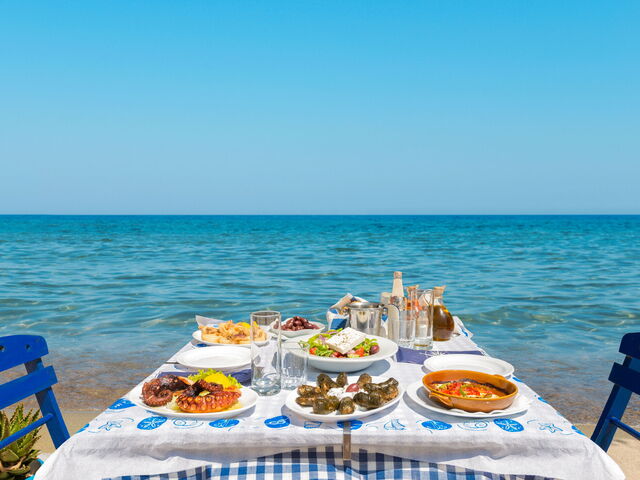
According to TasteAtlas, Greek cuisine ranks second among the best cuisines in the world, surpassed only by Italian cuisine. This recognition captures the true culinary spirit of the country: Greek gastronomy stands out for an apparent simplicity that is in fact based on high-quality ingredients and a strong focus on seasonality. Food culture in Greece goes far beyond simple nourishment. It represents sociability, tradition, and a deep connection to the local region. Fresh products, regional specialties, and time-honored recipes come together in an authentic culinary experience that invites visitors to immerse themselves in the Mediterranean lifestyle and turns every meal into a special moment.
For those planning an unforgettable vacation, there is another noteworthy highlight: the island of Crete has been recognized by TasteAtlas as one of the world’s leading gastronomic travel destinations. This recognition is not driven by passing trends, but by a deeply rooted and authentic food culture that has shaped everyday life on the island for generations. Visitors discover a cuisine full of character and rich flavors. Fresh, local ingredients take center stage in every meal: high-quality olive oil, sun-ripened olives, traditional cheeses, and carefully selected wines form the foundation of many specialties. Each dish becomes a flavorful journey through Crete’s landscapes, history, and way of life.
A Thousand-Year Mosaic: History and Influences of Greek Cuisine
Greek cuisine is one of the oldest in Europe and has developed over the centuries into a rich mosaic of flavors and traditions. Shaped by the mild Mediterranean climate, the unique geography of the islands, historic trade routes across the Mediterranean, a culinary culture emerged that has preserved its authenticity to this day. As early as antiquity, the famous “triad” of grains, olive oil, and wine formed the foundation of the diet, complemented by legumes, freshly caught fish, seasonal vegetables, aromatic wild herbs, and high-quality dairy products. In Greece, however, food has never been merely about sustenance. Meals have always been an expression of community, tradition, and cultural identity. This spirit is still visible today in lively tavernas, long family meals, and the warm hospitality visitors experience throughout the country. Every dish tells a story, blending flavor with living tradition.
Over the centuries, Greek cuisine has absorbed numerous influences while maintaining its distinctive identity. Spices and dried fruits from the Middle East and the Persian world enriched local flavors, while the Roman and Byzantine heritage refined baking and preservation techniques and helped shape a cheese-making tradition that remains important today. During the Ottoman era, specialties such as meze and syrup-based desserts became part of the culinary landscape. Meze refers to a variety of small dishes served as appetizers, ranging from marinated olives to stuffed grape leaves. They represent a shared dining experience where enjoying food together is central. Sweets made with flatbread and aromatic syrup tell stories of cultural exchange over the centuries. Even the well-known Tzatziki – a refreshing blend of yogurt, cucumber, and garlic – reflects these historical connections, as its name derives from the Turkish word “cacık.”
The Greek islands in particular absorbed Venetian and Italian influences over the centuries, developing their own culinary nuances and terminology. Pastitsio, for example, is now a staple of Greek cuisine, yet its roots lie in Mediterranean cooking traditions where layers of pasta, savory minced meat, and creamy béchamel sauce are combined into a harmonious dish.
The result is a cuisine with a clear identity: olive oil plays a leading role, local ingredients take center stage, aromatic herbs add depth to every dish, and sociability lies at the heart of the dining experience. Every bite reflects centuries-old traditions, the meeting of land and sea, and an approach to food that engages all the senses.
Greek Ingredients: The Foundation of a Timeless Cuisine
The true strength of Greek cuisine lies less in elaborate preparation and more in the quality of its ingredients. When olive oil is authentic, tomatoes are ripe and harvested in season, and cheese is produced using traditional methods, even simple dishes offer balanced and distinctive flavors.
Olive oil forms the foundation of this culinary tradition. It is not merely a seasoning, but a central element of daily nutrition, closely linked to agriculture and the landscape. On Crete in particular, it plays a key role in regional cooking. Olives themselves are equally important, especially the well-known Kalamata olives. With their firm texture and intense flavor, they exemplify the quality and authenticity of many Greek products.
When it comes to cheese, Greece also offers a wide and long-standing tradition. Feta is the most famous variety and has been aged in brine for centuries. Today it is a cornerstone of Greek cooking, used not only in the classic Greek salad but also in savory pies, baked dishes, and a variety of fillings. Alongside Feta, other cheeses play an important role, including Kasseri, Kefalotyri, and Manouri. Each of these specialties has its own flavor profile and typical culinary uses, reflecting the regional diversity and artisanal heritage of Greek cheesemaking.
Graviera, one of Greece’s most important hard cheeses, deserves special mention. On Crete, Graviera Kritis is associated with high quality. It is mainly produced from sheep’s milk, sometimes blended with goat’s milk, and is known for its aromatic, slightly nutty flavor that works well both on its own and in cooked dishes. Also well known is Graviera from Naxos, appreciated for its milder, more buttery profile. This variety is made from cow’s milk and differs clearly from the Cretan versions.
Two other ingredients with strong regional identity are also central to modern Greek cuisine. Greek yogurt gains its thick and creamy texture through a special straining process. It is versatile and appears in both savory dishes and desserts, often paired with honey and nuts. Equally well known is the pistachio from Aegina (Fystiki Aeginas), a product closely tied to its place of origin. Its intense aroma and long cultivation tradition make it a valued specialty.
These ingredients highlight how deeply Greek cuisine is rooted in regional products, traditional production methods, and a food culture where enjoyment and togetherness are closely connected.
The Great Classics: Greek Flavors Between Taverns and Everyday Life
Greek cuisine is internationally known for several iconic dishes distinguished by clear flavors and straightforward, time-tested preparation. Gyros and Souvlaki are among the best-known specialties and represent an approachable, everyday food culture enjoyed both at street stands and in traditional taverns. Gyros usually consists of pork or chicken cooked on a vertical rotisserie, sliced thin, and served in soft pita bread. Typical accompaniments include tomatoes, onions, and Tzatziki, a yogurt and cucumber sauce with garlic. Souvlaki, on the other hand, refers to marinated meat skewers that are grilled and often served with bread, vegetables, or salad. Both dishes are integral to daily Greek cuisine and show how enjoyment, sociability, and simple ingredients come together.
Moussaka is one of the most well-known baked dishes in Greek cuisine. It typically features layers of eggplant, seasoned minced meat, and a golden-brown béchamel sauce. In many households, it is traditionally prepared for shared meals and is considered a classic family dish. The combination of ingredients creates a balanced interplay of textures and flavors: the eggplant absorbs the seasoning of the meat and tomato sauce, while the béchamel adds a creamy structure that harmoniously brings the layers together.
The Greek salad, also known as Horiatiki, perfectly represents the core principles of Greek cuisine: few ingredients, clear flavors, and careful selection of high-quality products. Ripe tomatoes, fresh cucumbers, red onions, Kalamata olives, and Feta come together in a balanced combination of freshness, acidity, and savoriness. The quality of each component is essential to the final result. In its simplicity, this salad reflects the importance of seasonal ingredients and regional products and is a staple of everyday food culture in Greece, especially during the warmer months.
Many other traditional dishes also shape Greek cuisine. Spanakopita is a savory pie made with phyllo dough and filled with fresh spinach and Feta. The thin, crisp layers of pastry and the aromatic filling highlight the craftsmanship behind many classic recipes. Gemista, vegetables such as tomatoes or peppers stuffed with rice, herbs, and spices, reflect the close connection to seasonal agriculture. Equally typical are Horta, a variety of wild greens that are boiled and seasoned with olive oil and lemon. These simple preparations show how strongly everyday Greek cooking is influenced by regional plants, fresh ingredients, and straightforward flavors.
What Can You Eat on Crete, One of the Leading Culinary Destinations?
Crete’s cuisine holds a special place within Greece. It is characterized by simple preparations, high-quality local ingredients, and a strong connection to the island’s agricultural traditions. A balanced combination of vegetables, legumes, grains, herbs, cheese, and olive oil is typical, complemented by fish along the coasts and meat dishes inland.
A central element is extra virgin olive oil, used generously and giving many dishes their distinctive depth. Even simple meals based on vegetables or legumes gain a rounded, full flavor from it. Wild greens, grouped under the name Horta, are also typical. They are usually boiled and served with olive oil and lemon, representing the island’s close ties to nature. This cuisine is further enriched by regional cheeses such as Graviera and Myzithra, used both fresh and aged.
The culinary diversity is also reflected geographically: along the coasts, fish dishes dominate, while in the mountainous interior, legumes, stews, and grilled meats are more common. These differences mirror the island’s varied landscapes and make its regional cuisine particularly diverse.
Another key aspect is the strong presence of food culture in daily life. Local markets, small bakeries, artisanal producers, and family-run taverns shape the culinary scene. Fresh, seasonal products are central, and meals are traditionally enjoyed in a shared, relaxed atmosphere. On Crete, food is not just about nourishment, but an integral part of social and cultural life.
Low-Cost Dining on Crete: Enjoy Authentic Cuisine on a Budget
Those who want to experience authentic Cretan cuisine do not need to plan a large budget. With a few simple tips, it is possible to eat well and enjoy local flavors at affordable prices.
Choose small eateries and beach bars: Away from traditional restaurants, simple spots, kiosks, and beach bars often offer sandwiches, salads, and warm snacks at moderate prices. Service is usually quick and informal, especially during the day.
Follow local recommendations: Advice from residents often leads to family-run taverns with fair prices and traditional cooking, away from heavily tourist-oriented areas.
Visit local markets: In cities like Chania and other towns across the island, you can find fresh, seasonal products at reasonable prices. Markets are also a great way to discover typical ingredients and local specialties.
Choose traditional Cretan dishes: Traditional meals are often based on simple regional ingredients and are moderately priced. One example is Dakos, a salad made with tomatoes, olive oil, herbs, and dried bread, considered a light and authentic option.
Ask about daily specials: Many taverns offer daily dishes prepared fresh and offering good value. These meals are often based on seasonal ingredients. < br>
In this context, PosarelliVillas offers a selection of vacation homes on Crete that provide an ideal starting point for exploring the island’s sea, culture, and nature, as well as its diverse cuisine. A comfortable yet authentic accommodation allows you to discover the island independently and explore lesser-known places. Away from the main towns, roads lead to traditional inland villages, secluded beaches, and small taverns where regional dishes are prepared according to long-standing recipes. In this way, a trip to Crete becomes an opportunity to experience local lifestyles and culinary traditions firsthand.
If you would like to discover Greece, and Crete in particular, we invite you to find your ideal vacation home by simply clicking the button below:
VACATION HOMES IN CRETE
Read More
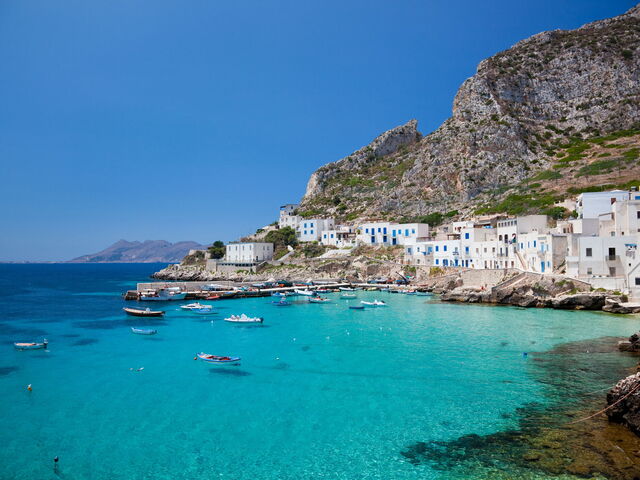
Close your eyes and imagine a place where the air smells of salt and jasmine, where the sun sets behind the silhouette of a smoking volcano, and where the rocks in the sea aren’t just rocks, but the remnants of a giant’s fury.
Welcome to Aci Trezza. This is not just a destination; it is a story that has been told for three thousand years. At Posarelli Villas, we believe that your holiday should be more than a stay—it should be an entry into a timeless legend.
The Rage of the Cyclops: A Myth Under the Stars
Long before there were maps or villas, these shores belonged to the gods and the monsters. Legend has it that the giant Polyphemus, the one-eyed son of Poseidon, lived in the dark caves of Mount Etna, watching the horizon with his single, fiery eye.
One night, the clever hero Odysseus blinded the giant to escape his clutches. As the Greek ship sailed away into the moonlight, the blinded Polyphemus roared in agony, his cries shaking the very foundations of the volcano. In a fit of powerless rage, he ripped massive jagged peaks from the earth and hurled them into the sea, trying to crush the escaping hero.
Experience the Legend: Villa Acqua Marina
Touching the Ionian Blue: A Waterfront Sanctuary on the Cyclopean Coast.BOOK NOW
The giant missed his mark. But those stones—the Faraglioni—remained there forever. Today, when you sit on your villa’s terrace at twilight, you can still see them: dark, silent giants standing guard in the water, glowing orange as the sun dips below the horizon.
The Whispers of the Medlar Tree: A Tale of Resilience
As the centuries passed, the myths of giants gave way to the stories of men. If you walk through the narrow, winding alleys of the village, you will hear another story—one of salt, sweat, and silver fish.
This is the world of "I Malavoglia" (The House by the Medlar Tree), the famous family of fishermen created by the writer Giovanni Verga. Published in 1881, this masterpiece is the ultimate Sicilian epic. It’s a story of a family that, like the sturdy boats in the harbor, tried to navigate the storms of fate.
Authentic Sicilian Charm: Muna Retreat
A Timeless Sanctuary: Watching over the Cyclopean Coast.BOOK NOW
Walking through Aci Trezza today, you can still visit the Casa del Nespolo. It is a place of quiet beauty that showcases the humble tools and lifestyles of the people who inspired one of the greatest works of Italian literature. The fishermen you see mending their nets under the midday sun are the living echoes of that story.
Falling Asleep in the Heart of the Legend
In Aci Trezza, the line between the past and the present is as thin as the sea foam. Staying in this corner of Sicily is like stepping inside these pages. You aren't just a tourist; you are a guest of history.
You will fall asleep to the same sound of the waves that Odysseus heard and wake up to the same golden light that inspired Verga’s prose. As the moon rises over the Cyclopean Isles, casting a silver bridge across the water, you'll realize that Aci Trezza isn't just a place to stay—it’s a place to remember how beautiful the world can be.
Your Gateway to Myth: Villa La Capinera
The Eye of the Legend: Panoramic Luxury above the Faraglioni.BOOK NOW
Are you ready to wake up where myth meets reality? Whether it's the charm of Villa Acqua Marina, the peace of Muna Retreat, or the view from Villa La Capinera, your dream home in Aci Trezza is just a few clicks away. Explore our exclusive collection and book your stay in the land of the Cyclops today. Your front-row seat to history is already reserved.
Discover our Sicily Collection
Find your ideal sanctuary between myth and sea.
BOOK NOW
Read More
Dreaming of your next holiday but overwhelmed by the choice between private pools, Tuscan vineyards, and sun-drenched beaches? Don't worry! We have created this quick quiz to help you understand exactly which type of villa and destination best suits your desires. Answer the questions and discover the PosarelliVillas collection perfect for you!
The Questionnaire: Discover Your Travel Style
Choose the answer that reflects you the most and keep track of the corresponding letter (A, B, or C).
1. How many people will be in your travel group?
A. A couple or a small family (up to 6 people). We are looking for intimacy.
B. Extended family or a group of friends (8-12 people). We want common spaces and privacy.
C. Large group or special event (14+ people). The more space and bedrooms, the better!
2. What is your absolute priority?
A. Culture, history, and food & wine. I want to visit villages and eat well.
B. Relaxation and total disconnection. I want to spend all day by the pool enjoying the peace.
C. Fun, sea, and activities. I'm looking for beaches, water sports, and nightlife.
3. What scenery would you like to wake up to?
A. Tuscan or Umbrian hills, with vineyards, olive groves, and a medieval village.
B. A vast and untouched landscape, perhaps in the countryside of Southern Italy.
C. The blue Mediterranean, white houses, and the beach just a few minutes away.
4. How do you imagine your perfect "home base"?
A. A rustic farmhouse with a fireplace, in a traditional but elegant style.
B. A luxurious villa, infinity pool, private park, and every modern comfort.
C. A modern and bright villa, clean design, and a panoramic terrace on the coast.
Your Results
Majority of A: The "Eno-Cultural" Traveler
History Awaits: Villas Immersed in Tradition and Flavor
You are looking for a holiday that feeds the mind and the palate. You love art and authentic flavors. For you, the perfect holiday is a mix of exploration and traditional comfort.
What awaits you: Proximity to iconic villages, culinary experiences, and the timeless atmosphere of stone farmhouses.
Discover Villas A
Majority of B: The "Luxury & Privacy" Traveler
Luxury is the Destination: Absolute Privacy and Unmatched Comfort
Your holiday is synonymous with retreat and luxury. You want a large villa with a spectacular pool and total privacy, where every detail is five-star.
What awaits you: Infinity pools, private estates, and extra services like a private chef in our Exclusive Estates.
Discover Villas B
Majority of C: The "Mediterranean & Active" Traveler
Sun, Sea, and Outdoor Living: Your Villa Steps from the Coast
Your heart beats for the Mediterranean! You dream of salt air, sun, and the convenience of quick access to the sea and vibrant coastal life.
What awaits you: Bright coastal villas, large panoramic terraces, and the sea breeze every morning.
Discover Villas C
Don't have a clear majority?
If your answers are mixed, it means you are a traveler who loves combining different elements! Contact us and our team will help you create a tailor-made itinerary.
Contact our experts
Read More

November 28, 2025
Tuscany Unfiltered: Exploring Tuscan Craft Beers Across the Region
Tuscany is renowned worldwide for its exquisite wines and rolling hills, yet a thriving craft beer scene is emerging, setting new trends across the region. In recent years, local breweries have captivated beer lovers, bringing a breath of fresh air and innovation to a landscape long dominated by wine. Drawing on abundant local ingredients and inspired by historical recipes, Tuscan beer artisans craft unique varieties that reflect the region’s history and culture. As a result, Tuscany is now recognized not only for its wine but also as a destination for remarkable beers worth discovering.
In this article, you will learn more about the following topics:
A brief history of beer production in Tuscany
Beer and tourism
What is Tuscan craft beer?
What are the main ingredients of a craft beer?
Which are the top 5 Tuscan craft beers??
Tuscan Beer
The history of beer in Tuscany dates back to ancient times, when the Romans enjoyed fermented grain beverages. In the Middle Ages, monasteries played a key role, developing brewing techniques that kept beer alive.
However, for centuries the brewing tradition remained in the shadow of Tuscany's renowned wine. Over the past fifteen years, craft beer in Italy has surged in quality, transforming from a niche pursuit into a major force in the national agri-food sector.
Historically linked with wine, Tuscany has revived its brewing heritage, supported by research from the University of Florence and initiatives like the HOPS-TUSCANY project, which aims to cultivate high-quality hops for local craft beer production. This has broadened Tuscany's agricultural resources and enabled shorter, sustainable supply chains connecting producers and consumers.
Beer and Tourism
With a focus on sustainability and innovation, Tuscan craft beer is poised to write a new chapter in the region's history, blending tradition with modernity to offer a unique, authentic experience.
PosarelliVillas invites you to stay in comfortable surroundings nestled in nature, just a short distance from many small breweries that offer tours and tastings in Tuscany's most beautiful areas:
Cantina Errante, near Barberino Val d’Elsa.
Birrificio Valdarno Superiore, in the area around Arezzo.
Birrificio Agricolo, in Peccioli.
Bausbeer in Vinci.
Vaporidibirra , in Casteluovo Val di Cecina.
What is Tuscan craft beer??
Tuscan craft beer refers to beers produced by small, independent microbreweries in Tuscany that do not use pasteurisation or microfiltration and often produce only up to around 200,000 hectolitres per year. Characteristic features include local ingredients such as barley from Val d'Orcia and Mugello, and traditional methods such as spontaneous fermentation and maturation in wooden barrels. Agribirrifici, where most of the raw materials are produced on the premises, are becoming increasingly popular – an expression of regional identity and quality.
What are the main ingredients of a craft beer??
Due to its local and non-industrial nature, one of the fundamental characteristics of a craft brewery is its close connection to the production area and the products that characterise that area. Beer consists of several key ingredients.
The main ingredients are:
Water, the quality of which is crucial to the success of a first-class beer.
Malt, which provides sugar and flavour. Barley is the most commonly used grain, but other grains, including ancient grains, are also used. The grain is germinated and dried to produce malt. The use of ancient Tuscan grains strengthens the beer's connection to its geographical origin and local biodiversity.
Hops, which provide bitterness, aroma and shelf life. Native Tuscan hops tend to be richer in bitter compounds, aromatics and polyphenols than many commercial foreign varieties and are often better adapted to local conditions.
Yeast, which determines fermentation and contributes to aroma.
Moreover, there are additional ingredients that are indispensable but often “invisible”: besides malt, other grains such as spelt and oats can also be used. A few years ago in Tuscany, an ancient grains revival surfaced, the remains of which were found by bioarchaeologists in Val d'Orcia: charred seeds of the genus Triticum, including T. monococcum (einkorn wheat), as well as oats, barley and other very ancient grains.
Finally, there are the so-called special ingredients, which give the products their uniqueness and drive the continuous search for new flavours. These are ingredients that each brewery adds according to its own recipes: fruit, spices, peel, herbs or wood to achieve distinctive aromas.
What are the five best Tuscan craft beers??
The variety of breweries offering red, blonde, dark, double malt, non-alcoholic, gluten-free beers and special flavours is vast. To highlight excellence, we present the winners of the Beer of the Year 2025 competition, organized by Unionbirrai. Tuscan beers won a total of six awards. Here are the standout performances:
Big One (Calibro22 Brewery, Figline Valdarno, Florence) in the category “Light and amber beers, top-fermented, medium alcohol content, hoppy, American-inspired (American IPA)”.
Rye Stout (La Collina Trattoria & Birrificio Artigianale, Pescaglia, Lucca) in the category “Dark beers, top-fermented, low alcohol content, American-inspired (American Porter, American Stout)”.
La Mancina (Birrificio del Forte, Pietrasanta, Lucca) in the category “Light beers, top-fermented, high alcohol content, Belgian-inspired (Belgian Golden Strong Ale, Tripel)”.
Smoky Trip (Topta Brew Pub, Montecarlo, Lucca), special mention in the category “Light, amber and dark beers, top-fermented or bottom-fermented, with low to high alcohol content, smoked and peated”.
Marron (La Petrognola, Piazza al Serchio, Lucca), special mention in the category “Light, amber and dark beers, top-fermented or bottom-fermented, with low to high alcohol content, using chestnuts”.
Discover below 5 villas in the vicinity of the best microbreweries in Tuscany:
Read More

There is a moment when the first Christmas lights illuminate a Tuscan village and the atmosphere transforms. The medieval squares fill with wooden stalls, the scent of mulled wine lingers in the air, and the rolling hills provide the perfect backdrop. In that instant you realize you’re not simply visiting a Christmas market, but immersing yourself in the heart of festively adorned Tuscany.
Why Choose Tuscany for Christmas Markets? Tuscany offers more than markets: it delivers unique experiences. Illuminated villages, art, traditions, authentic flavors, and a relaxed pace—perfect for a weekend or a Christmas holiday in the style of slow luxury. What makes Tuscan Christmas markets so special: Historically unique backdrops: festively illuminated villages and cities of art Authentic crafts and regional traditions Excellent gastronomy: wines, desserts, and winter street food Easy access to thermal baths, wine cellars, and picturesque locations
Christmas Markets in Tuscany You Shouldn’t Miss Arezzo – The City of Christmas Arezzo is one of the most popular destinations for Christmas trips. In Piazza Grande, you’ll find a Tyrolean village with wooden huts, alpine specialties, handicrafts, and a bright, picturesque atmosphere. Ideal for couples, families, and groups seeking a lively market with attractions such as a Ferris wheel and spectacular light installations. Discover our villas near Arezzo:
Read More

Sicily in autumn reveals its most authentic side: the sun shines gently, beaches return to tranquillity, and villages breathe at a relaxed pace. Ideal for travelers seeking to experience the island at leisure—surrounded by citrus scents, soft light, and views that stretch beyond endless horizons.
Autumn in Sicily: when the island rediscovers itself
Autumn in Sicily reveals its best side: never grey, often around 22°C, with warm seas and golden light that frame coastlines, vineyards, and golden hills. Perfect for a sheltered swim in a bayside cove, a peaceful stroll among Arab-Norman mosaics, or a sunset wine on a terrace overlooking the sea.
Autumn in Sicily reveals its finest details: markets bursting with color, the aroma of new oil filling the air in home kitchens, and wine cellars opening their secret doors. Between the Madonie mountains and the craters of Mount Etna, the island shows a character that is both strong and gentle—perfect for slowing down and savoring every moment.
Experience the island from the comfort of a private villa
The villas you find with PosarelliVillas are more than just places to stay—they are sanctuaries where you rediscover the island each day and return to peace, beauty, and freedom in the evenings.
Villa Infinito — Menfi
Between vineyards and the scent of the sea, a pool reflects the October sky and sunsets that set the hills ablaze. Your perfect base for exploring Selinunte, Sciacca, and Sicily’s off-season beaches—experiencing nature and history in their most intense form.
Discover Villa Infinito
Villa Petra — Castellammare del Golfo
A terrace overlooking the coast, a leisurely breakfast under the pergola, and afternoons spent in complete tranquility. Just minutes away, the Zingaro Nature Reserve and the charming fishing villages along the coast invite you to explore, while nature and culture unfold at a relaxed pace.
Discover Villa Petra
Villa Aversa — Castellammare del Golfo
A Mediterranean garden fragrant with fresh herbs, a private pool where time slows, and the northwest coast offering excursions between Segesta, Scopello, and crystal-clear bays. Perfect for guests seeking a serene base for coastal explorations and quiet, immersive days.
Discover Villa Aversa
Autumn moments in Sicily: small ideas for your holiday
Welcome to the Zingaro Nature Reserve
Cefalù, art and history without the crowds.
Hiking in Sicily
Wine cellars, new oil and village festivals
Book your Autumn Holidays in Sicily
Autumn in Sicily: golden light, quiet beaches, and intense flavors. Choose your villa, let us guide you, and Sicily will take care of the rest. The island’s best-kept secret reveals clear days, mild temperatures, and authentic cuisine that transports you straight to the heart of Sicily.
Discover all our villas in Sicily
.image-gallery { display:block; text-align:center; }
.big-image img { width:100%; max-width:900px; height:auto; margin-bottom:20px; }
.small-images { display:flex; justify-content:center; gap:20px; flex-wrap:wrap; }
.small-image img { width:100%; max-width:420px; height:auto; }
.image-row { display:flex; justify-content:space-between; gap:20px; flex-wrap:wrap; margin:16px 0; }
.image-box { flex:1 1 200px; text-align:center; }
.image-box img { width:100%; height:auto; display:block; }
.zigzag-gallery { display:flex; flex-direction:column; gap:40px; margin:24px 0; }
.zigzag-item { display:flex; align-items:center; gap:24px; flex-wrap:wrap; }
.zigzag-item.reverse { flex-direction:row-reverse; }
.zigzag-image { flex:0 0 340px; max-width:100%; }
.zigzag-image img { width:100%; height:auto; border-radius:8px; display:block; }
.zigzag-content { flex:1; min-width:260px; }
.cta-button {
display:inline-block; padding:12px 20px; border:1px solid currentColor;
text-decoration:none; border-radius:6px; transition:opacity .2s ease;
}
.cta-button:hover { opacity:.8; }
/* Piccole attenzioni responsive */
@media (max-width:768px) {
.big-image img { max-width:100%; }
.small-images { gap:12px; }
.zigzag-item { flex-direction:column; }
.zigzag-item.reverse { flex-direction:column; }
.zigzag-image { flex:1 1 auto; }
}
Read More
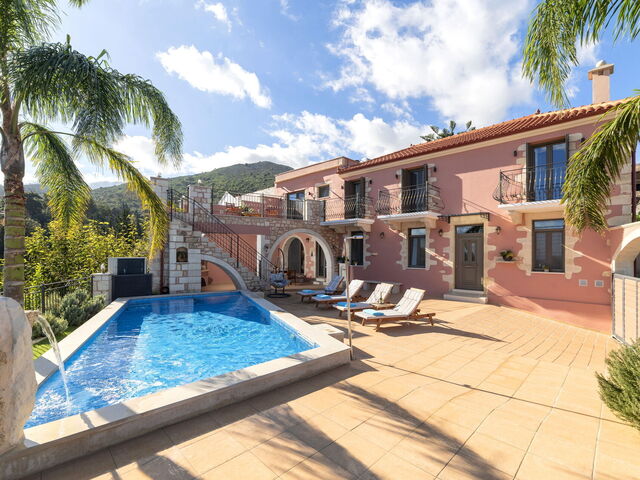
As soon as you cross the threshold of Villa Kois, the world seems to become lighter. The afternoon light caresses the olive trees, the wind carries the scent of thyme and the sea, and the silence of the Cretan landscape envelops you like an embrace. Then you know: you are not entering a house, but a home – a culture, a family.
Villa Kois – Entrance and olive grove
The tranquil heart of Villa Kois
Villa Kois offers a generous 200 m² of timeless elegance bathed in natural light. With four bedrooms and three bathrooms, it comfortably accommodates up to eight guests, creating an airy, tranquil atmosphere where everyday life slows down.
The interiors radiate warmth and care. On the ground floor, a spacious living area with a fully equipped kitchen (oven, dishwasher, hob, freezer, microwave) invites cooking, lingering, and togetherness. A cozy fireplace adds a welcoming touch, while air-conditioned bedrooms guarantee restful nights. Bright, friendly bathrooms amplify the sense of space. On the first floor, balconies and terraces frame the landscape—a quiet invitation to pause, breathe deeply, and savor the view.
Outside, the private pool with a whirlpool anchors the garden’s vitality: a safely enclosed area for little ones, a sun terrace with sea and hill views, and shaded nooks to relax and unwind.
Relaxation by the pool, surrounded by hills
The Posarelli Way: The subtle art of making guests feel welcome immediately
What makes Villa Kois truly unique isn’t captured by photos. It lives in the gestures of Irene and her family, guardians of an ancient art of authentic hospitality. They are discreet and never intrusive, appearing only when needed—and always with a smile. One day they bring you fresh eggs from the henhouse, another day a tray of freshly baked cakes, or yoghurt with local honey that tastes of sunshine. One evening, without you asking, they prepare a Cretan dinner for you.
“Irene’s generosity was amazing… We were very well looked after.”
This is the Posarelli Way: every villa we select is not merely a place to rest, but an open door to a vibrant culture—an encounter with the people who bring this place to life every day. Travel means discovering new flavors, hearing new voices, and soaking in an atmosphere that lingers long after you depart.
Irene and family – Cretan hospitality
Nature, surroundings and gentle adventure
Villa Kois sits in the charming village of Tzitzifés in the Chania region of Apokoronas. This setting blends rural tranquility with easy access to a wealth of attractions: authentic villages and stunning beaches such as Georgioupolis, Almyrida, and Kalives are just a short drive away.
Useful distances: Fres (tavern and bakery) 2 km; shops 6 km; Chania town ~34 km; airport ~38 km. The area offers the perfect balance of relaxation and discovery—walks, markets, and local taverns—while the villa remains secluded enough to escape daily stress.
Chania and surroundings: the blue of the sea just a few minutes away
A refuge that resonates in your heart
Beyond the city walls lie the golden beaches of Episkopi, the Venetian alleys of Chania and Rethymno, the gorges of Samaria and Imbros, and Lake Kournas with its crystal-clear waters. Inside the walls, you feel that rare, precious feeling of being expected.
And when it’s time to leave, what remains most are the memories of the people who made this house their home for a few days.
Book your dream holiday experience now
Discover Villa Kois and experience your holiday The Posarelli Way
VILLA KOIS
Read More
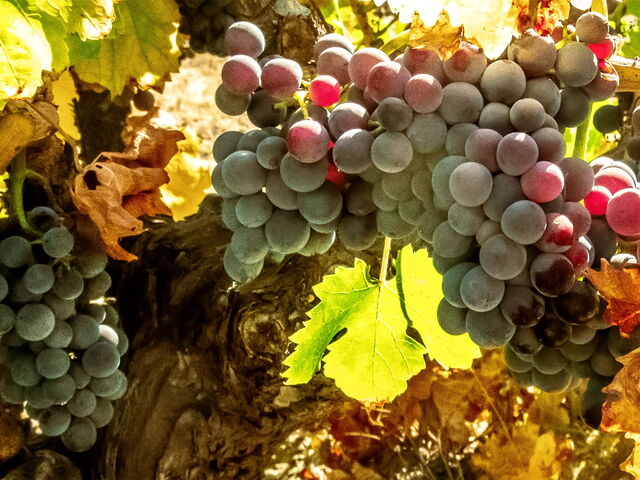
In Tuscany, the grape harvest is not merely gathering grapes but a memorable ritual —a land pulsing with life under the heat of the day and the hush of the evening breeze. In September, when summer gives way to autumn, the vineyards bloom into a communal scene where labor, flavors, and beauty converge in a centuries-old narrative.
In this article, you will find information on these topics:
Yesterday’s Grape Harvest
The Grape Harvest Today
Territory and Taste
The Grape Harvest as a Visitor
Autumn Holidays in Tuscany
From Then to Today: The Grape Harvest and the Enduring Legacy of Ancient Traditions
Traditional grape harvest
Yesterday’s Grape Harvest: A Glimpse into the Ancient Beauty of Tuscany
For farmers, the grape harvest marked the year's most anticipated moment: a juncture to reflect on the season—its labor, weather-related risks, and lingering uncertainty—yet crowned by a satisfying sense of accomplishment. Severe weather, from brutal winters to scorching summers or sudden hail, could imperil the harvest as a whole.
Work in the vineyard unfolded through a sequence of tasks: tending the vines, tidying the spaces between the rows, monitoring diseases, and managing weeds. At harvest, wooden tubs, baskets, and vats rode on ox-drawn carts, and at dawn entire families joined in the effort.
In the vineyard, the bunches were cut with scissors or sharp blades, gathered in baskets, and unloaded into vats, then trodden barefoot in tubs. The grape harvest was a shared labor of love, where lunch itself became a ritual as women and families brought food to sustain the day’s work, reinforcing a tradition of conviviality. This is the grape harvest of yesteryear: deep roots, participatory labor, and a memory that continues to inspire visitors to Tuscany seeking authentic wine tourism.
Modern Grape Harvest
The Grape Harvest Today: A Balanced Blend of Tradition and Technology
Harvesting methods have shifted toward mechanisation, ensuring steady quality, rapid picking, and the option to work at night, thereby lowering costs. Pressing is now predominantly mechanical, and technology is playing a larger role in the winery. With precision and safety at the forefront, these innovations optimise time and resources without compromising quality.
Today, winegrowers know that the balance between tradition and innovation is the key to a wine that authentically expresses the characteristics of the area while remaining efficient and responsible. Crushing and pressing can be mechanised, enabling delicate aroma extraction without compromising the wine’s integrity; filtration preserves clarity and organoleptic purity. Harvesters capable of suctioning grapes or shaking branches allow rapid, uniform picking, especially in large vineyards or where weather challenges persist. Technology does not create barriers between the land and those who visit to experience it; instead it safeguards quality from the very start, reducing time and waste without betraying the soul of the countryside.
Tuscan Vineyards
Territory and Taste: The Vital Role of Terroir in Wine Production
The Tuscan climate defines the wine’s character from its roots: sea breezes sweeping the hills modulate summer temperatures, while mild winters and sunny summers nurture slow and controlled ripening.
The vineyards are strategically positioned on sunlit slopes facing east and south, allowing for gradual maturation and balanced acidity. Moderate altitude provides the ideal balance between color, structure, and freshness, while distance from the sea mitigates winds and helps preserve delicate aromas.
The hilly topography, with its micro-zones, yields climatic variations that are valuable for quality: sunlight, filtered by the canopy, shapes complex aromatic profiles, and day–night temperature swings refine tannins and structure. The variety of Tuscan grapes is the key to understanding each vineyard: Sangiovese, heart of Chianti wines, expresses elegance and longevity, while whites such as Trebbiano and Vernaccia offer minerality and liveliness; Vermentino and other native varieties add freshness and savor.
Each vineyard reflects a unique geography, from Chianti to the hills of the Maremma, with different exposures that create distinctive taste profiles tied to the soil. The composition of the soil, whether clayey or sandy, influences the wine’s structure and, in synergy with climate, exposure and variety, helps produce long-lived, aromatic wines.
In Tuscany, viticulture and landscape coexist to tell a story of beauty and terroir, whose deep knowledge, refined over time, allows winemakers to adapt to climate change and offer visitors a panorama of wines that speak of geography, culture, and conviviality—enduring through the years.
Experience the Grape Harvest as a Visitor
Tuscany offers unique opportunities for those who want to immerse themselves in this season and witness the magic of the grape harvest first-hand. Imagine strolling between vine rows bathed in autumnal reds and golds, taking part in a harvest guided by experts who share techniques and trade secrets, and pausing for a meal in a cozy wine cellar where the story of that wine—from grape to glass—is told.
Your visit can unfold into a full-fledged holiday: stay in a rural farmhouse to live the experience from within, observe cellar work, join sensory-led tastings, and rediscover the harmony between land, people, and table. For more information on how to participate in a grape harvest in Tuscany, visit: www.movimentoturismovino.it.
A Villa in Tuscany
Why Choose a Holiday Home in Tuscany in Autumn
If you’re considering booking a house in Tuscany for this autumn, get ready for an authentic, immersive experience: not just observing, but savouring the grape harvest from a close, visitor’s perspective. Here’s why it’s worth it:
Authentic atmosphere: September and October bathe the landscape in soft light, with the scent of must and ripening vineyards as they approach final maturity.
Connection with tradition: Witness real harvest moments and enjoy convivial, local-food dinners, making the holiday a deeply experiential journey.
Rich wine tourism: Guided winery tours, meetings with producers, vertical tastings, and food-and-wine pairing courses offer deep, hands-on engagement with Tuscan wines.
Comfort and lifestyle: A countryside home lets you experience the Tuscan autumn at a relaxed pace, with scenic views, privacy, and seasonal cuisine.
If you’re looking for a house to rent during the harvest period, explore our selection of villas in wine-growing areas in Tuscany:VILLAS IN WINE REGIONS
Read More
August 20, 2025
Florence, Europe'S Number One Destination: Discover Why It Is the Ultimate Travel Choice
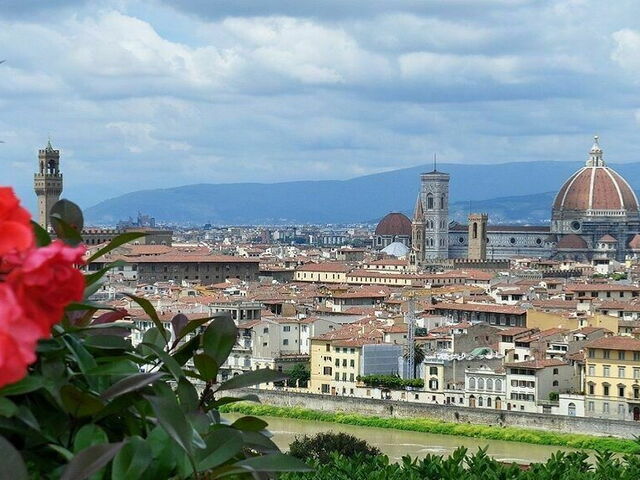
Florence isn’t just a destination; it’s an invitation to pause, listen, and linger. According to Travel + Leisure in an article published on July 8, 2025, Florence stands as Europe’s top travel pick, beloved by readers who seek beauty and experiences beyond a standard itinerary. For Travel + Leisure subscribers and readers alike, Florence tops the list of favourite European cities. ( 15 Favorite cities in Europe).
The city has long captivated travelers, writers, and poets, offering an inexhaustible source of inspiration and beauty. As Henry James wrote, “Florence is the most beautiful city in the world, a place of infinite inspiration.” It was true for Mark Twain, D. H. Lawrence, Charles Dickens, and many others, who lauded its art, history, and unique charm.
What makes Florence a top travel choice in Europe, and what do travelers love about it?
Florence has long drawn travelers—both past and present—because it embodies a distilled essence of beauty and history spanning centuries, as if the Renaissance were a continuous study in culture. It’s not merely a sight to behold but a destination to feel with every step, where every street invites curiosity and discovery. In the Romantic era, the city’s dense collection of masterpieces, its stone-lined streets, and the sites where art and conversation intertwined drew admirers. The cultural atmosphere—alive in cafés, theatres, and literary salons—paired with a palpable sense of rebirth and memory, rendered Florence a living history workshop. To many, Florence remains an inexhaustible muse, capable of turning any visit into a journey into the soul of Western civilization.
Florence’s masterpieces are still everywhere today: visible on streets, squares, and palaces, and echoed in the courtyards, alleys, and the air that feels steeped in thousand-year memories. Walking the historic center is like strolling through an open-air museum, where every corner tells a story and every photo captures a fragment of perfection. But the city is more than art: Tuscan cuisine, bustling markets, world-renowned shops, secret gardens, and a richly varied cultural calendar all contribute to a destination that satisfies diverse tastes and offers both sensory and intellectual delights at every turn. Summing up Florence’s wonders is a challenge; this must-see list by theme aims to guide while recognizing that any snapshot remains partial and that Florence offers endless paths of discovery.
The Uffizi Gallery
Museums: The Uffizi Gallery
Florence’s art treasures are everywhere, and none stand out more than the Uffizi Gallery. Inaugurated in 1581 and designed by Giorgio Vasari for Cosimo I de’ Medici, the Uffizi is among the world’s most important artistic institutions and helped establish Florence as the Renaissance’s capital of painting. The collection spans masterpieces by Botticelli, Leonardo, Michelangelo, Titian, Raphael, Caravaggio, and Rubens, offering a deep dive into history, religion, and human beauty. For the best experience, book your tickets online to skip the queues and choose morning or late afternoon visits. Plan about 1.5–2 hours for a focused tour, or more if you want to explore in depth. The route begins with iconic works like The Birth of Venus and The Primavera, then moves to less crowded pieces that offer a thoughtful interpretation of the Renaissance.
The Duomo, Giotto's Bell Tower and the Baptistery
Monuments: The Duomo, Giotto's Bell Tower and the Baptistery
Florence’s Cathedral complex is a must-see for any visitor, especially in a single-day itinerary. The Cathedral of Santa Maria del Fiore, crowned by Brunelleschi’s iconic dome, rises above the city alongside Giotto’s Bell Tower and the Baptistery of San Giovanni (The Dome of Florence). This ensemble, the symbol of the Renaissance, dominates Florence’s skyline, and climbing the dome offers a breathtaking view of the historic center. Next to it, Giotto’s Bell Tower dazzles with marble decorations and sweeping city vistas, while the Baptistery captivates with brilliant mosaics and the legendary Porta del Paradiso. Together, they form a seamless itinerary that showcases Florence’s extraordinary art, engineering, and timeless beauty.
The Boboli Gardens
Parks: The Boboli Gardens
Florence’s historic streets invite leisurely discovery, while you’re enjoying an ice cream (Gelateria Grom). Along the way you’ll encounter iconic monuments such as the Ponte Vecchio, Palazzo Pitti, the Church of Santa Maria Novella, the Church of Santa Croce, and Palazzo Vecchio. Even admiring them from the outside offers a unique, unforgettable experience. For those who prefer outdoor time, the Boboli Gardens behind the Pitti Palace provide a Renaissance-era park setting with panoramic terraces, statues, fountains, grottoes, and sweeping views of the city. Its avenues, fountains, and hidden corners offer a green, atmospheric retreat ideal for contemplative walks and dramatic city vistas.
The San Lorenzo Market
Cuisine: The San Lorenzo Market
San Lorenzo Market (www.mercatocentrale.it) is one of Florence’s liveliest centers in the heart of the city, located between the SMN railway station and the historic market district. Founded in the 19th century as a food market, today it brings together stalls, shops selling Tuscan specialties, and small workshops where you can feel the air of local tradition. Fruit and vegetable stalls burst with seasonal produce and color, but the true draw is the culinary bounty: cheeses, cured meats, extra-virgin olive oil, truffles, porcini mushrooms, and a wide array of regional specialties such as new olive oil, cantucci biscuits, and local desserts. Nearby shops and taverns offer traditional dishes and authentic tastings, making this area an ideal stop to savor local cuisine in a lively, authentic setting.
Florentine Craftsmanship
Fashion and Shopping: Via de’ Tornabuoni e Oltrarno
Florence fashion is a journey through high-end craftsmanship, textile history, and brands that have shaped the city’s style. Visitors can enjoy luxury boutiques as well as authentic experiences focused on leather, suede, and niche prêt-à-porter. Strolling along Via de' Tornabuoni and the surrounding streets, amid international boutiques and historic ateliers, you’ll feel Florentine elegance and discover the city’s keywords: luxury, craftsmanship, and timeless style. In the Oltrarno district, you’ll find numerous artisan workshops—leather studios, leather goods, jewelry, and bespoke clothing. Visitors can tour ateliers, watch the manufacturing process, and even order unique pieces.
Culture: The Pergola Theatre
Florence’s Teatro della Pergola ( www.teatrodellatoscana.it) is a must-visit cultural landmark in the heart of the city. One of Italy’s oldest and most captivating theatres, it was founded in 1655 at the request of the Medici family. It began as an open-air theatre and over the centuries was transformed and restored, arriving at its current configuration in the 19th century: a grand interior hall, a solid stage, and a stalls area welcoming audiences of all ages. The theatre’s international lineage—hosting artists and companies from across Europe—has helped cement Florence as a cultural hub not only of the Renaissance but also of the contemporary world.
Discover our villas near Florence
Read More