
Our Blog: Travel Tips
Planning a trip to Italy? Browse and read our useful and informative articles about the endless range of attractions and experiences in this lovely country.
Travel through the beauties of Italy with us. Visit our blog!
October 20, 2019
A Tour of Lucca'S Main Towers: Torre Guinigi and Torre delle Ore
Lucca is certainly one of the most beautiful cities to see in Tuscany! Get a bicycle and start exploring this quiet town with labyrinthine alleys, where the charm of each building will leave you speechless. Since Roman times, the historic center of Lucca has expanded around its famous amphitheater enriching itself with infinite beauties to see.
Also, its ancient walls offer breathtaking views of the whole city, where you will surely notice two tall towers rising above all the other palaces. These are Torre Guinigi and Torre delle Ore, the tallest buildings in the city and certainly two of the most symbolic.
Want to know more about these historic monuments? Read on to discover the history and some important information you will need to organize a visit to these magnificent towers!
While some centuries ago the towers of Lucca were more than a hundred, nowadays there are just a few left. In fact, these buildings have reached excessive heights and their instability has caused numerous collapses. The reason behind the decision of keep increasing their height was a medieval belief, according to which those who built the highest tower were worthy of greater respect, honor and prestige. On the other hand, some towers were voluntarily demolished by order of Castruccio Castracani.
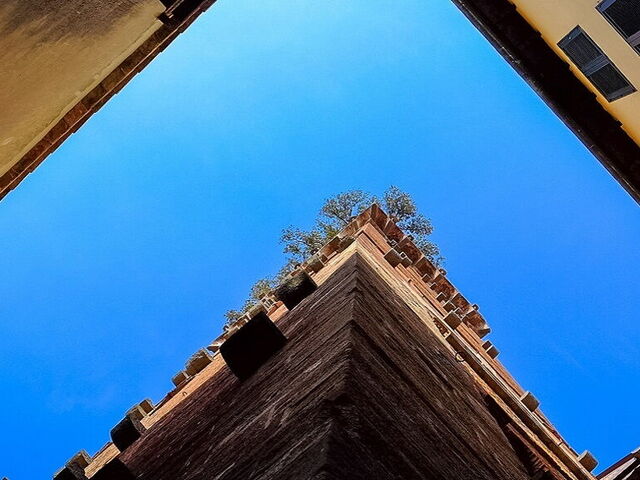
Torre Guinigi is located in Via S. Andrea 45, on the corner with Via delle Chiavi D'Oro. On top of its 45 meters there is a spectacular ambiance: a hanging garden with seven secular oaks! It seems that one of these trees was planted by Paolo
Guinigi in person and a legend tells that one of the
holm oaks predicted its death losing all the leaves when he was captured and imprisoned by Francesco Sforza. The tower was built at the beginning of the fourteenth century by the Guinigi family and it is a beautiful example of Romanesque-Gothic architecture. To admire the view from the top and visit this wonderful garden, however, you have to climb 20 flights of stairs! While the first steps are quite easy, the last ones are steep and smaller ... but don't worry: the view from the top floor will pay off for all the effort!
Instead, Torre delle Ore or "dell'Orologio" dates back to the 13th century and is located in Via Fillungo, on the corner with Via dell'Arancio. It has belonged to several important families of Lucca, but its notoriety is mostly linked to some gloomy legends. According to a popular belief, a noblewoman named Lucida Mansi would have made a pact with the
devil to stop time and stay young forever. Thirty years later, at midnight on August 14, 1623, the devil returned for
demand payment of his debt. The woman climbed running into the tower to stop the bell ringing, but she failed. The devil then took the
his soul and his body fell into the pond of the Botanical Garden, where it seems that her ghost still
appears on full moon nights. The "Tower of the Hours" is 50 meters high and its famous clock has a dial with Roman numerals and a single hand. Although it dates back to 1752, the tower already had a clock in 1390 and it was precisely because of its importance that the building was never demolished. Climbing the 207 wooden steps of this tower you will then be able to observe the magnificent mechanism of this vintage clock, as well as enjoying a breathtaking view over the whole city.
The entrance ticket for each tower costs € 5, but you can also buy a cumulative tickets to visit the Botanical Gardens, the Tower of the Hours and Torre Guinigi. In addition to these attractions, don't forget to see the other city towers, like Torre del Veglio in Piazza San Salvatore and Torre del Travaglio in Via Fillungo!
Are you ready to organize your visit to Lucca? Book one of our properties in the town's centre, like Flavia Apartaments or Villa de Ranieri!
© Alice Pilastri
Read More
Tuscany's beauties are endless! Considering its enchanted villages, dreamy landscapes and cities of art, this region is really the perfect destination for a memorable holiday.
As well as Chianti, Val d'Orcia, Versilia and Maremma regions, there is a beautiful area in northern Tuscany that most tourists do not know, but it presents many natural wonders and splendid architectures. We are talking about Lunigiana, a borderland located between Tuscany, Liguria and Emilia Romagna that has always been a land of connection between north and south. Here, a stretch of the Via Francigena passes and dozens of clashes between Byzantines and Lombards have taken place in the medieval period
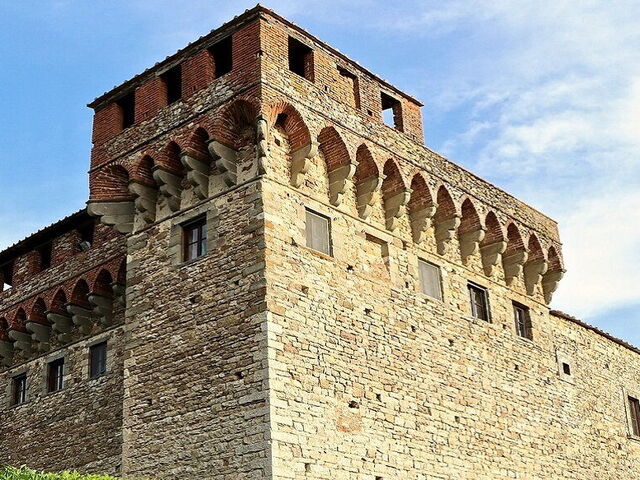
Precisely for this reason, the hills of Lunigiana feature some ancient castles built in the Middle Ages which were used to control the valleys. Many of them have been destroyed over time, but there are still some magnificent buildings that can be visited and admired.
Want to find out where the castles of Lunigiana are? Start planning your tour checking the list of the 7 most beautiful medieval castles you should visit and live an exciting experience in Tuscany!
The first town where you can find a castle is Pontremoli , also called "land of booksellers" as it houses a famous book festival. In the Middle Ages, merchants and pilgrims passing through this region were housed in Piagnaro Castle. Today, this beautiful building contains the Museum of Stele Statues of Lunigiana, which is dedicated to sandstone artifacts dating back to the pre-Roman period. The caslte dates back to the 11th century and it was part of a large defensive system built up to protect the village from enemy attacks. Although it has been recently renovated, the castle still retains a majestic appearance and it dominates the surrounding valleys from above, instilling fear in those who wish to approach.
Even Aulla was a famous stop of the Via Francigena in the Middle Ages! The road to the town passes next to two magnificent castles, namely those of Bagnone and Filattiera, as well as to Fortezza della Brunella, an imposing quadrangular building on a dark rock dating back to the Renaissance. This is a typical fortification designed for firearms and today it houses the interesting Museum of Natural History of Lunigiana.
Continuing towards "Passo del Cerreto", you will arrive in Fivizzano, a town located between the National Park of the Tuscan-Emilian Apennines and the Regional Natural Park of the Apuan Alps. It's an area of great naturalistic interest, where you can make beautiful walks or follow a trekking itineraries to explore every corner of this paradise. Not far from Fivizzano there is a charming castle called Castello della Verrucola , a perfectly preserved XII century building surrounded by high walls. A tour inside the castle is a fantastic journey through time that will take you between the legends and the terrifying ghosts that still inhabit this place!
Another castle you must visit at all costs is located in the village of Licciana Nardi : Malaspina di Monti Castle is one of the best preserved fortifications in all of Italy and it still preserves an authentic charm.
And finally, all you have to do is take a trip to Fosdinovo to admire its magnificent castle! The fort stands imposingly in the center of the village and is still in perfect condition. What makes this castle so special is the possibility to visit it at night, taking part in some suggestive night visits. In summer, small groups of visitors can go in search of ghosts with the guides of the castle, listening to the story of Bianca Maria Aloisa Malaspina. The legend tells that girl was walled alive in the castle and that her ghost still moves between its rooms and corridors...
Are you ready to organize a vacation in Lunigiana? Book Casa al Bosco, a stunning property for rent in this area!
© Alice Pilastri
Read More

Autumn is definitely one of the best seasons to visit Tuscany! The temperature is milder, crowds of tourists have decreased and you can peacefully visit the beautiful cities of art enjoy an absolute tranquility. And, above all, in this period you can admire some wonderful natural country landscapes, as Tuscany lights up of some magnificent colors! Actually, September, October and November are the months that can make you fully enjoy the beauties of this region, also giving you the opportunity to participate in some unmissable events!
Have you organized a tour of Tuscany in fall? Discover all the things you need to do, the must-see places and some unmissable activities that will turn your trip into a daydream!
The first thing that comes to mind when thinking about Autumn is certainly a collection of beautiful colors. One of the most beautiful things to do in Tuscany is to admire the magnificent shades of Casentino National Park, especially if you love nature and its magical atmospheres. In this season, trees are tinged with unique colours and offer some breathtaking views you really don't want to miss. The Park is very extensive and the summit of Mount Penna, its highest spot, reaches 1000 m above the sea level. While visiting the Park, we recommend taking the road to Camaldoli hermitage and exploring the forest surrounding the Sanctuary of La Verna, as these places are surrounded by a mystical, surprising aura. In case you are travelling with children, you can also take the opportunity take part in some interesting workshops or to a wonderful night excursion in search of the deer that inhabits these woods!
When you think of autumn, however, people also immediately think about the harvest! Tuscany's vineyards are one of its best-known symbols and the Chianti region (between the provinces of Siena and Florence) is a real natural paradise where an excellent red wine is produced. There is nothing better than driving a car along the roads winding through vineyards, olive groves, lovely villages and medieval castles to enjoy the beauty of this area! Once you are in Chianti, you can easily reach Val d'Orcia, Val di Chiana or the wonderful vineyards of Maremma, where the famous Morellino di Scansano red wine is produced. In fall, many Tuscan villages also organize events and festivals dedicated to their new oil or wine, where people can taste a large selection of local delicacies: it's something you must include in your tour!
That's not all: another seasonal product is chestnut, a fruit cooked in infinite different ways in the coldest months! In Tuscany, there are two very popular areas of production of chestnuts. The first is Mugello, precisely in a town called Marradi where a famous chestnut festival has been held for more than fifty years. In October, dozens of gastronomic stands and delicacies of all kinds fill the streets of the city center, offering visitors a selection of unique and authentic flavors. The second one is the region around Mount Amiata, a mountain in Maremma. A trip in this part of Tuscany will include stops like Piancastagnaio, Castiglione d'Orcia, Abbadia San Salvatore and Castel del Piano, which are some lovely typical towns where chestnuts and mushrooms are simply delicious.
And finally, autumn means truffle and a visit to the medieval village of San Miniato! Every year, this town in the province of Pisa hosts an internationally renowned market exhibition dedicated to the local white truffle. Don't miss its excellent tastings and menus, which you can also taste inside one of its charming restaurants!
Haven't booked a house for your holiday in Tuscany yet? Check out our selection of villas, apartments and luxury properties in the region to book your favorite one!
© Alice Pilastri
Read More

October 3, 2019
The Ancient Markets of Palermo: 4 Unmissable Places to See
To discover the soul of Palermo, you must go to its world-famous markets! The oriental atmosphere of this place will make you forget you are in Italy: as most of these markets were born in the period of Arab domination, they still maintain some characteristics of the typical North African markets. The desks and the baskets of goods invade the streets, the sellers shout to passers-by to catch their attention, thousands of colors flood the streets and all kinds of perfumes fill the air of one of the most beautiful Sicilian cities. Would you really leave Palermo without having seen such a place?
Discover where to find the most beautiful and well-known markets in the city and immediately organize your trip to Palermo!
It's inside its ancient markets, called Ballarò, Capo, Vucciria and Borgo Vecchio, that Palermo reveals its authentic spirit.
Ballarò is a market located near the central station and the church of Casa Professa, where hundreds of marriages are celebrated every year. Located in the Albergheria district, this is the largest and oldest market in the whole city. In fact, it dates back to the 10th century, a period in which the Arabs had commercial relations with an Indian village called Balhara. As the spices and merchandise coming from these distant lands were sold here, its name became "Ballarò".
Its charm has remained unchanged over time and it continues to attract dozens of buyers, thanks to the cries of the local sellers and to the appealing stalls of fresh fruit and vegetables called "abbanniate". The market is open all
day long and it offers some tasty foods, such as pianelle (chickpea flour fritters), crocchè (potato croquettes) and sandwiches with spleen. Actually, this typical street food is perfect to accompany a walk around the city!
Although the market is open 365 days a year, the best time to visit it is on Sunday morning: Ballarò becomes a huge second-hand shop where you can make a lot of great deals!
Instead, Vucciria is the market that inspired a famous painting made by Guttuso. It takes its
name from the ancient meat market called "la Bucciria" and it is located between Piazza Caracciolo and the surrounding streets.
This is the most peculiar market, as the goods are displayed on special marble slabs called "balate" put on the stalls. There is a triumph of colors and scents: yellow hanging lemons,red dried tomatoes, silver sardines and the pleasant scents of spices will turn your visit into a memorable experience!
Mercato del Capo derives its name from the
neighbourhood "Caput Seracaldi", which is the Latinization of an Arabic name. It is the fish market par excellence and it extends from Porta Carini to the magnificent area of the Cathedral. The numerous stalls crowding it make it difficult to pass between them, but each of them offers all kinds of delicacies! Fruits, vegetables, fish, fine meats ... this market has everything you will need.
Finally, Borgo Vecchio market is located in a popular neighborhood standing in sharp contrast with the bourgeois districts of Politeama and Libertà. The liberty-styled buildings, the splendid port and the colors of the stalls create a unique environment where every visitor loves to get lost.
Looking for a holiday rental in Palermo? Choose a luxury property like Villa Vincenzo and enjoy your vacation in Sicily!
© Alice Pilastri
Read More

September 29, 2019
Umbria with Kids: 9 Fantastic Things to Do on a Family Trip
A holiday in Umbria is always a good idea! Each visitor gets amazed by the beautiful cities of art and medieval villages,as well as by the wonderful landscapes that distinguish the so-called "green heart of Italy". Gentle hills, forests, lakes and waterfalls mix themselves in a beautiful natural context that remains stuck in the memory of people of all ages, both adults and children.
In fact, there is no better way to visit this region than with your children! If you are traveling with kids and you are looking for great places suitable for your family, you have chosen the perfect destination: this region offers dozens of fantastic options to make everyone enjoy their holiday!
Discover the top 9 places to visit with your family and start planning your trip to Umbria!
1- Lake Trasimeno
This lake is so big that it is almost like a sea! Its shores host some precious villages to visit with kids, such as Passignano sul Trasimeno, San Feliciano, Panicale and Piegaro. Don't miss a visit of the beautiful castle of Castiglione del Lago, where the medieval atmosphere will take your children on a fantastic journey back in time! After the tour, you should go to the beautiful playground next to the lake, where children can have some fun, or decide to take the ferry to Polvese and Maggiore Islands, where you can explore the wild nature. If you like to sports, then don't miss the opportunity to ride on the wonderful 60 km cycle path, where you can immerse yourself in the beautiful nature of the Lake's area.
2- Perugia
Perugia means... chocolate! The historical chocolate company called "Perugina" is based in this city and offers the possibility to visit both "the house of chocolate" and the Perugina Museum, which is dedicated to the history of the enterprise. The tour ends with an amazing tasting of countless typesof chocolates and sweets!
If you have have planned your visit to Perugia at the end of October, you will also be able to take part to "Eurochocolate" festival! From October 18th to 27th, Perugia hosts a fantastic chocolate fair that sees the participation of master chocolatiers from all over the world. Children (and adults as well) will surely appreciate it!
3- The Città della Domenica
The "City of Sunday" is located a few kilometers from Perugia and is the oldest amusement park in Italy. A fun "safari" will make you meet many wild animals, which also come from some distant places such as the American prairies. Also, the "Città della Domenica" includes the village of Pinocchio and the castle of Sleeping Beauty that children can visit on foot or by a colourful train!
4- Gubbio
Gubbio is also called "the City of the Fools", and the reason is simple. It is possible to get "the license of crazy" turning around the Bergello fountain for three times in front of an authentic Gubbio's inhabitant. Children will be thrilled to get the fainal parchment from the Congregation of the Mad! Moreover, this lovely city offers many interesting exhibitions for children in every period of the year.
5- The Marmore Falls
La Cascata delle Marmore is an unmissable destination! It has three jumps of water and it reaches a total height of 165 meters. The Marmore park offers four trekking paths passing thorugh the main hidden beauties of the area, as well as the possibility to practice rafting and climbing activities. Children can also take part to the "Fantapasseggiata dello Gnefro", a magic guided tour with the elf who lives in the Caves!
6- Narni
That's right: Narni is the city that inspired the book "The Chronicles of Narnia"! Visiting this town is like taking a dip in the fabulous world of the book, which starts from Palazzo Eroli, where there is a big lion in stone looking like King Aslan. Also, Narni's Castle hosts a medieval theme park with witches, jesters and princes, where children can be named "ladies" or "knights" after passing some courage tests!
7- Papigno
Papigno is located near Terni and it presents an open-air museum called "Il paese dei balocchi", which is totally dedicated to Roberto Benigni's movies "La vita è bella" and "Pinocchio". Visiting this magical village always gives some fabulous emotions!
8- Dunarobba
The fossil forest of Dunarobba is found near Avigliano Umbro and it preserves the trunks of redwood dating back to the Jurassic period. A walk in the world of dinosaurs will surely make children enthusiasts!
9- Church of Santo Stefano di Ferentillo
If you like horror movies and you are seeking some thrill, a stop at the Romanesque crypt of the church of Santo Stefano di Ferentillo is a must. There are twenty authentic mummies, which are perfectly preserved thanks to the dry atmosphere of the undergrounds. It will be a terrifying visit!
Would you like to book a villa in Umbria for your next trip? Choose one of our holiday rentals in the region, like Villa Contessa or Villa Assisi!
© Alice Pilastri
Read More

September 23, 2019
A Weekend in Portofino: All You Need to See on a Memorable Tour
It was once a small fishing village, but today it is an exclusive tourism destination! People of all ages visit it to enjoy the lively nightlife of the seafront clubs, which are chic places with an incredible fame.
Of course, we are talking about Portofino, a delightful town in Liguria located in one of Italy's most beautiful bays!
Would you like to organize a trip to Portofino, althugh you only have a weekend to discover it? Don't worry: here you have a list of all the things you must see and visit, so that you will not miss the Portofino's best attractions during your magical weekend!
The first thing to do in Portofino is definitely a tour in its historic center! Getting lost in the art galleries, exclusive boutiques and small craft shops located along its alleys is a must-do, especially if you love shopping. Believe it or not, you will not resist to buy something in these amazing streets!
In some shops, you will also find the traditional bobbin lace, which is a handmade product that has turned the symbol of Portofino, as well as jars of pesto sauce of excellent quality and delicious Genoese focacce to devour while you walk!
The center of Portofino surrounds its famous "piazzetta", the perfect square to stop and taste some local dishes in a typical restaurant. The magical atmosphere and the view of the harbor will make your lunch a special moment! In fact, Portofino enjoys a 360 ° view of the Ligurian coast, since it is located on the top of a promontory. The lush Mediterranean vegetation creates a splendid contrast with the pastel colors of the houses, all built in the traditional Genoese style.
After a relaxing moment, it's time to find out which are the monuments to visit in Portofino! Inside the center, you will find the Oratory of Santa Maria, which is built in Gothic style, as well as the magnificent churches of San Martino and San Giorgio (to be visited inside at all costs).
After discovering these hidden beauties , all you have to do is take a short walk to the lighthouse of Punta del Capo and reach the beautiful Brown Castle! This ancient military fortress from the 16th century enjoys a magnificent view of the Tigullio Gulf. If you love taking pictures, this is a stop not to be missed: the two pines on the terrace are one of Portofino's most photographed spots and they will make your shots sensational!
The second day in Portofino is perfect for an excursion in the wonderful nature surrounding the city! The Natural Park of Portofino promontory offers 80 km of incredible trails, each offering beautiful views and experiences. Surely, one of the most interesting routes is the one leading to the Abbey of San Fruttuoso, a building with a mystical charm dominating the quiet Capodimonte bay. It is in this natural cove that the Christ of the Abyss lies, which is also known as "the protector of sailors". This bronze statue located 17 meters deep is a treasure you should absolutely reach during an unforgettable scuba dive!
Are you ready to leave for your weekend in Portofino? Book one of our holiday homes in Liguria and start planning a tour in this renowned tourist destination!
© Alice Pilastri
Read More
Cilento is a territory of natural and artistic treasures that can be seriously called wonderland. Since 1998, it has been included in the list of UNESCO world heritage sites to honour its unique beauty and historical importance.
This charming region is located in Campania, precisely in a rocky stretch of coast including countless bays and coves. Situated in front of a chain of high mountains, the area is bordered by the Gulf of Salerno and by that of Policastro, which offer some lovely panoramic views. Also, it is well known for the splendid Cilento National Park, set up to preserve the wild nature, woods, lakes and the rich fauna that inhabits this magic place.
However, nature isn't the only great thing to appreciate in Cilento, as there are lots of things to do and see ! Discover the unmissable sites to visit during a wonderful tour of Cilento and check out all the important archaeological sites, dream villages and architectural masterpieces to spot in this region!
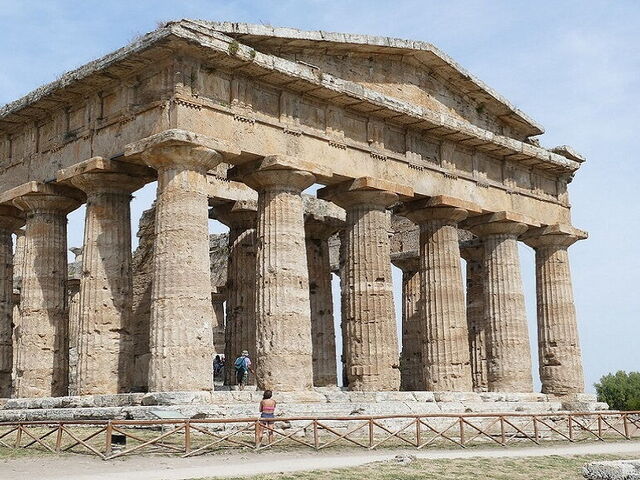
The first of the unmissable archaeological sites is Paestum, one of the most important polis of Magna Graecia. Originally called Poseidonia in honor of the god Poseidon, Paestum preserves three splendid temples of the Doric order in excellent condition, which are dedicated to the gods Neptune, Athena and Hera. Don't miss the National Archaeological Museum, which houses countless splendid artifacts!
Instead, the archaeological site of Velia contains the remains of a city-state founded in the 6th century BC. It still retains a beautiful look, as the harbor, the Hellenistic Baths, the Acropolis, the Agora, the Southern and the Archaic District are almost intact. It was an intellectual and cultural center of great fame, since the Eleatici Philosophical School was born here.
Finally, you must see the charming "Certosa di San Lorenzo di Padula", which is the largest in Italy and the one with the largest cloister of the world (15,000 square meters)! Today, this Charterhouse houses the Provincial Archaeological Museum of Western Lucania, which contains the archaeological finds coming from the necropolis of Sala Consilina and Padula.
After leaving the archaeological sites, don't forget to visit the most picturesque villages of Cilento!
Agropoli contains a magnificent Aragonese castle and some beautiful beaches, such as Baia di Trentova, Punta Licosa is built around a thirteenth-century castle, while Castellabate is known for being the set of the successful Italian film "Benvenuti al Sud"! The tour then continues in the fishermen village of Acciaroli, which inspired Hemingway to write some of his books, passes through Palinuro and its splendid Blue Grotto, and it ends in Camerota, where you can find a rich Byzantine art heritage. Do you love mysterious and legendary places? Then you can't miss a visit to Roscigno, a totally abandoned town where time has stopped two hundred years ago!
The tour is over...but do you really want to leave Campania without tasting a delicious buffalo mozzarella? The streets of Cilento are dotted with dairies, especially in Paestum and in the Sele valley. These authentic mozzarellas have an excellent quality, thanks to the long tradition of buffalo breeding that characterizes these areas. Don't forget to make a stop!
Now, are you ready to book your holiday in Cilento? Book one of our magnificent properties for rent in Campania, like the beautiful Villa Rupe Alta and start planning your memorable trip!
© Alice Pilastri
Read More
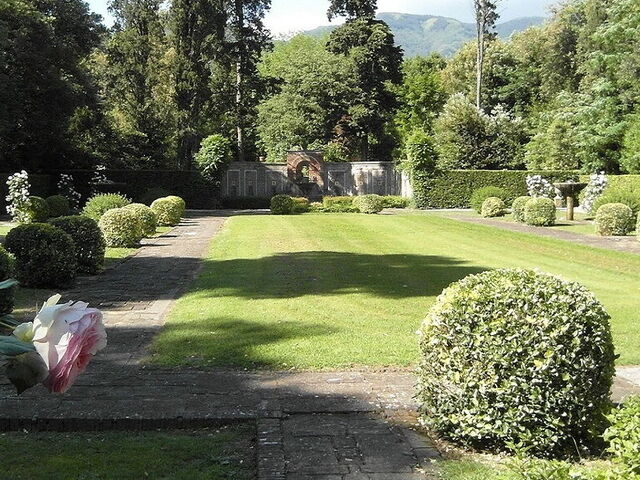
The Historical Villas of Lucca are famous art masterpieces located in the hills surrounding the city of Lucca in Tuscany. They were built between the 15th and 19th centuries and served as summer residences to the city aristocrats, who looked for an alternative to the ordinary city palaces. In fact, the architectural beauty of these villas was a symbol of their social affirmation and they were used to consolidate the family status in the countryside.
Actually, it was not a group of enriched nobles, but a class of politicians who kept contacts with noble European courts and who had commercial, social and cultural relations with important international figures.
The residences of these so-called "ambassadors of culture" are extremely beautiful. The ideal canon of beauty was used to build each building, as well as the marvellous gardens, arcades, inner halls and the spectacular frescoes decorating the rooms.
Would you like visit these splendid villas in Tuscany? Your itinerary must certainly include the six villas located in the countryside that present a unique architectural style, which are Villa Bernardini , Villa Grabau, Villa Mansi, Villa Oliva, Villa Reale and Villa Torrigiani .
Discover more about them now!
The stunning Villa Bernardini is located near Vicopelago and it was built in 1615 by Bernardino Bernardini. He worked as ambassador of the Republic at the court of some princes and at the Holy See and he used the villa to welcome his family and guests. The most beautiful corner of the building is certainly its magnificent garden: among the vast parks and flower beds, a small Secret Garden is hidden to give guests a corner of tranquillity! Even the interior of the villa amazes anyone who enters it for the first time. The large ballroom, the ancient furniture decorating the rooms and the luxury lounges are just splendid.
Villa Grabau is another building where you can admire the same original furniture and paintings that adorned the villa in the 16th century. One of the most beautiful frescoes is undoubtedly that of the ground floor's living room, which presents some beautiful "trompe l'oeil" motifs. Instead, the large 9-hectare park surrounding the building hosts centenary trees, some arboreal rarities and the majestic "Limonaia", an eighteenth-century greenhouse housing dozens of lemon trees. Still outside, you can admire the impressive Verzura Theater, which is a space dedicated to shows immersed in the wonderful greenery.
Villa Mansi in Segromigno in Monte appears against the background of a pretty English garden. If you wish to reach it, you need to enter the park through Piazzale delle Scuderie and cross a small bridge: from there, you can get to the marvellous water architecture and to the small waterfalls adorning the villa's outdoor. The interior has a peculiar structure, as it presents a succession of communicating rooms linked to a mysterious legend. It is said, in fact, that the corridors and rooms are haunted by the ghost of Lucida Mansi, the victim of a pact with the devil. It is a unique place that is definitely worth a visit!
The magnificent Villa Oliva is located in the town of San Pancrazio and dates back to the end of the 16th century. It was created by Matteo Civitali, a master trained in Florence who transferred many of his works here. The beautiful Renaissance paintings show a precise search for harmony, through the study of proportion and perspective. The wonderful external colonnade, the large park and the poetry of the surrounding environment make this villa a truly fabulous place!
Another place you cannot miss is Villa Reale in Marlia, which has been inhabited by Elisa Baciocchi (Napoleon's sister and princess of Lucca) in the 19th century. The property extends over 16 hectares and presents a series of splendid gardens and noble palaces. It's difficult to choose which one is the most beautiful! Moreover, in the park next to Viali delle Camelie, you can find the lovely Water Theater and the Verzura Theater, which is a magical open space where Paganini also performed.
Finally, Villa Torrigiani distinguishes itself for a colorful façade, made with different materials such as gray stone, white marble and yellow plaster. The villa dates back to the sixteenth century, but it was largely restored in the seventeenth century. The Ambassador of the Republic of Lucca at the court of the Sun King, who owned the villa at the time, decided to transform it into a luxurious residence with flower gardens and mirrored pools, getting inspired by the park of Versailles. A tour in his garden will simply leave you breathless!
Looking for a holiday rental near Lucca to visit all these beautiful Villas? Choose the luxury Villa De Ranieri, the comfortable Flavia Apartments or the fantastic Villa Fiamma!
© Alice Pilastri
Read More

August 31, 2019
What to See in Val di Noto: a Tour between 8 Baroque Cities
Sicily is a magical land, where the cultures shared by the various peoples who inhabited it have mixed over the centuries, creating some spectacular places and artistic masterpieces.
In fact, few areas in the world present an architectural richness like Val di Noto! This region of south-eastern Sicily was included in the list of UNESCO World Heritage Sites in 2002, as the three provinces of Catania, Syracuse and Ragusa include some wonderful Baroque cities. The towns of Caltagirone, Noto, Modica, Scicli, Ragusa, Militello in Val di Catania, Palazzolo Acreide and Catania are eight masterpieces of Baroque art, as they include splendid monuments, buildings and churches dating back to the XVII century. In fact, after the terrible earthquake of 1693, these places were completely rebuilt both in their architecture and in urban planning. This made them some important art cities visited by tourists from all over the world, as they are an excellent example of Sicilian Baroque art.
Would you like to discover the hidden beauties in the Val di Noto? Find out the best things to see and the unmissable monuments to visit at all costs during your tour in South-Eastern Sicily!
1- Catania
The big city of Catania is a masterpiece in baroque style with a magnificent historic center. Piazza del Duomo, the palaces of Via dei Crociferi, the Collegiata, Palazzo Biscari, Badia di Sant'Agata and the Benedictine monastery are just some of the monuments that adorn the streets of this lovely coastal city. A tour in the heart of Catania is a must-do during your trip, as a walk between the architectural jewels, the silhouette of Etna mount and the crystal clear sea is somehing magical!
2- Militello in Val di Catania
This charming town is located in the province of Catania and it presents many artistic beauties, despite its small dimensions. First of all, the urban plan of the city is very peculiar, since it still preserves the typical sixteenth-century features. Among its monuments, we recommend you visit the Benedictine Monastery, the museum of S. Nicolò, the Church of S. Maria alla Catena and the Church of Santa Maria della Stella!
3- Caltagirone
Caltagirone is located in the hinterland and is famous for being a production center of pottery, clay and, above all, glazed ceramics, which are also used to decorate the domes, the facades and the narrow streets. However, it is the charm of the Baroque architecture that makes Caltagirone a beautiful tourist destination! In fact, this place in the Noto Valley is full of seventeenth-century monuments and each one preserves its uniqueness. The splendid Villa Comunale, Chiesa del Gesù and many other buildings located in the neighborhoods of San Giorgio and San Giacomo were built after the earthquake and are perfect examples of this particular artistic style.
4- Palazzolo Acreide
Palazzolo Acreide was born in the heart of the Iblei Mountains and its historic center was literally split in two following the earthquake. The old part, of medieval origins, overlooks a magnificent Greek Roman theater in stone, while the "new town", rebuilt at the end of the seventeenth century, contains numerous baroque buildings. Among these, you will find some important churches such as those of San Sebastiano and of Saints Peter and Paul, which have richly decorated facades and a truly majestic appearance.
5- Noto
Noto is also called "the Capital of the Baroque" and it's not difficult to understand the reason after you taking a tour of its center! The city rises on top of a hill immersed in the typical Sicilian countryside and it dominates the valley with its magnificent monuments. In fact, the center includes a set of beautiful seventeenth-century buildings that present a uniform artistic style. All the historic and religious buildings own harmonious shapes and beautiful golden shades, especially during the day when the sunlight shines on their facades. The monuments you can't miss are the noble residence of Palazzo Ducezio and the stupendous Cathedral of San Nicolò, which presents one of the most beautiful facades in the world.
Looking for a villa for rent near Noto? Choose Villa Kika!
6- Scicli
Scicli is a town in the province of Ragusa, in southern Sicily. This marvellous town hidden in the hills boasts ancient origins, but it is in the late Baroque period that it reached the point of maximum splendor. The most beautiful street is Via Francesco Mormina Penna, a charming alley built according to the seventeenth-century urban principles where there are some splendid churches and luxurious palaces. Some of the monuments you cannot miss in the so-called "city of the hundred bell towers" are the Church of the Madonna delle Milizie, the Church of San Bartolomeo, Palazzo Beneventano and the monastic complex of the Carmelites. Their splendid visual impact will surely leave you breathless!
Looking for a villa for rent near Scicli? Choose Isla Verde!
7- Modica
The palaces, churches, alleys and monuments that adorn the center of Modica make it one of the most picturesque cities in Sicily. Divided between Modica Alta and Modica Bassa, this town is famous for the refined production of chocolate and the beauty of the central buildings. In fact, this charming example of Baroque art perched on a Iblei Mountain presents some magnificent 17th century churches, such as the Church of San Giorgio, the Church of Carmine, the Church of St. Mary of Bethlehem, the Church of San Pietro or the Cathedral of San Giovanni.
Looking for a villa for rent near Modica? Choose Villa Terranova!
8- Ragusa
The last stop of a Val di Noto tour is Ragusa, a large city in Southern Sicily. The earthquake of 1693 completely transformed its center, causing its division in the districts of Ragusa Superiore and Ragusa Ibla. The typical characteristics of the Baroque style are perfectly summarized in some of its religious buildings, such as the Church of San Giovanni Battista, the Church of San Giorgio and the Church of Santa Maria dei Miracoli, as well as in the noble palaces of Palazzo della Cancelleria, Palazzo Bertini and Palazzo Cosentini. What makes Ragusa so splendid is the union between the breathtaking charm of the historic center and the countless beautiful landscapes, enclosed within an unspoilt reserve between the Iblei Mountains and the Irminio river. It's a must-see!
Are you looking for a villa for rent near Ragusa? Choose Donna Tommasa!
© Alice Pilastri
Read More

August 25, 2019
All the Information about the Puccini Festival in Torre del Lago
Versilia is not just a famous summer destination because of its beautiful sea and entertainments, but also for the various cultural events that it hosts in summer!
Located close to the centers of Viareggio and Forte dei Marmi, Torre del Lago Puccini is the southernmost city of Versilia. As well as having a beautiful Mediterranean scrub, this town organizes many concerts, events and some world-famous festivals. Almost all of them are dedicated to the works of Giacomo Puccini, a classical music composer who lived in Torre del Lago for more than thirty years.
Want to know more about it? Find below all the information, dates and our useful recommendations to take part to the next edition of the Puccini Festival!
The Festival is one of the main events in Versilia's summer and this year marks its 65th edition. It takes place within the Massaciuccoli Lake, a magical setting located a few steps from the Tuscan coast where the beauty of the place joins the splendid musical symphonies. It is not just an outdoor concert, but a cultural event of great importance that attracts thousands of international fans with its rich program.
The first edition of the Festival took place in 1930, six years after the musician's death. The choice to dedicate an entire event to the artist's works is due to his close connection with the land of Lucca, where Puccini was born and lived for many years . Fascinated by the atmosphere of the place, he composed here many of his works and wished until the last days of his life to see his music represented in this splendid natural setting. It was Puccini himself, in fact, who said: that he would have liked to listen to his own works in the wonderful setting where he usually went hunting or fishing.
In honor of the artist, the town chose to change its name to "Torre del Lago-Puccini" and to inaugurate the "Giacomo Puccini Grand Theater" in 2008, in occasion of the 150th anniversary of the composer's birth. In the historical center of the city, moreover, it is possible to visit Villa Puccini, a liberty residence where the artist lived and composed the works. Today, the building houses his burial and has been transformed into a museum conserving an authentic atmosphere, as it displays the piano, the manuscripts and other objects related to the daily life of the "Maestro".
The Festival program includes the representation of all the major artist's works, like "La fanciulla del west", "Turandot", "Bohème" or "Aida", as well as some minor works such as "Le Villi ". Under the direction of important orchestra conductors, the show sees the participation of world-famous opera singers and the supervision of great directors.
Don't miss the chance to participate in the only festival in the world dedicated to Puccini's works!
The ticket price can be purchased online or at the Festival ticket office, and it varies according to the sector chosen in the audience. The cost of an Opera performance is between € 20 and € 160, while the ticket for the "Lago dei Cigni" ballet ranges from € 15 to € 40. Shuttle services are available from Versilia and Lucca and an elegant dress code is required.
Looking for a holiday rental for your stay in Torre del Lago Puccini? Discover more about Villa Camaiore, Il Gualdo and Villa Oliveta, some of our wonderful properties in Versilia.
© Alice Pilastri
Read More


