Archive for "Food and Wine"
Planning a trip to Italy? Browse and read our useful and informative articles about the endless range of attractions and experiences in this lovely country.
Travel through the beauties of Italy with us. Visit our blog!
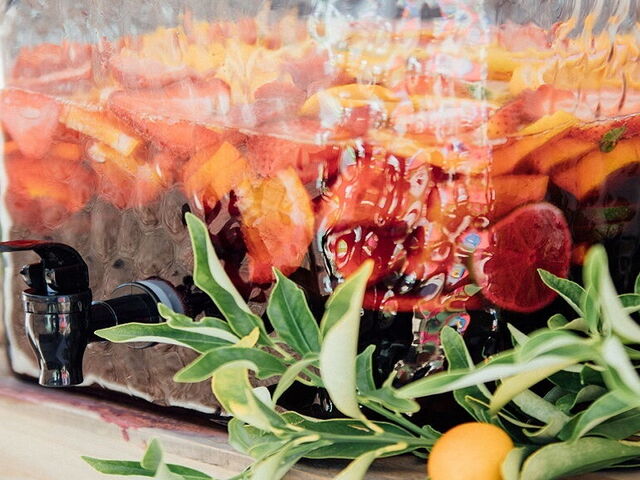
We all know that Spanish cuisine is one of the most delicious and rich. Each region presents plenty of fantastic local dishes and ancient traditions that just wait to be discovered by first-time visitors.
Among hundreds of unique food specialties, it is not easy to orient. Those who do not arrive informed just wait to taste the two top symbols of Spain, which collect the best Iberian flavours and mix them in an amazing way: paella and sangria.
The sangria is a typical Spanish drink made using red wine, fruits and various types of spirits. The name derives from "sangre", a word meaning "blood" that refers to its dark red colour. Each Spaniard make it in a different way, using homegrown products and inventing variants of all kinds. You might even find a "spicy" sangria, a strawberry sangria or a weird white sangria, made with white wine that confers it a transperent colour. But how can you prepare the perfect traditional sangria?
The ingredients you need are a bottle or red table wine, various fruits (like oranges, limes, apples, peaches and strawberries), spirits (Brendy, Sherry and/or Porto), some tablespoons of sugar and spices, especially cinnamon. The procedure is easy: cut the fruit in slices and mix all the ingredients in a large bowl. Dissolve the sugar over a low flame and make a syrup before adding it to the drink. The most important thing is to let the cocktail sit for a few hours, at least two to blend all the flavours in the perfect way. Then... get ready to taste your sangria! The amazing taste will certainly surprise you for its intensity. But drink carefully: Sangria has a 4-12% alcohol content!
The history of sangria is controversial. Some suppose it was invented by Romans thousands of years ago, when they conquered the Iberian Peninsula and planted vineyards on its territory. As water could contain bacteria and was not a safe drink, they started to prepare alcoholic drinks such as the Hippocras, made with sugar, wine and spices. Instead, other believe that its origin dates back to the 19th-20th century, specifically in 1964, when the Spanish pavillion presented the Sangria for the first time at the New York World's Fair and made everybody fall in love with it, especially Americans.
If you are going to visit Spain soon, do not forget to taste this tasty drink! Perfect with tapas, tortillas, paellas and fish, it will accompany your meals in a very special way. In a restaurant, remember to not mistake it with the "tinto de verano", another local drink made with red wine, which can be sometimes offered as a sangria if mixed with fruits and lemon soda when it is served.
Still looking for a holiday rental for your stay? Discover our selection of villas for rent in Menorca and visit this wonderful paradise in the Mediterranean!
© Alice Pilastri
Read More

Who doesn't like pizza? This ancient recipe is one of the symbols of Italy in the world and its red, green and white colors suggest the ones of the national flag. Every tourist visiting Italy cannot handle the temptation and tasting its excellent flavour is a must-do for each of them!
It was in Naples that the first Margherita pizza was taken out of the oven and here is why this city is known as its hometown.
The event took place in 1889, when Don Raffaele Esposito and its wife were invited to King Umberto I and Queen MArgherita to taste the famous "pizza" that everybody was talking about back then. Three different kinds of pizza were prepared, specifically a Vanesicola, a Marinara and a Margherita, which name was given in honor of the Queen. Would you like to discover more about it? Read the articl dedicated to the history of pizza!
For this reason, Italians firmly believe that the "real" Italian pizza is Neapolitan, that its border is high and soft in contrast with its center, presenting a thin layer of pasta. Ingredients must be fresh and high-quality, while the cooking has to take place inside a wood-burning oven that ensures the right consistence.
Although the traditional pizza presents a round shape, there are some variations like the "pizza by the meter", the pizza cooked in a rectangular pan or the famous "pizza al taglio" ("pizza by the slice"), which is also a well-loved street food. Also, in the last few years the "gourmet pizza" has emerged: these chic restaurants select unusual and refined ingredients, such as chestnuts, salmon or honey, to season some unique and innovative pizza dishes.
But which is the best pizza flavour to choose? When you enter a pizzeria and start to read the infinite quantity of dishes on the menu, you might find some diffiulties in choosing your pizza. The best thing is to order one of the traditional and "evergreen" recipes that always please everybody with their simple tastes. Choose a Margherita, the one and only "queen of pizzas", maybe adding some buffalo mozzarella that enriches your dish with an irresistible flavour. Those who don't love cheeses can select a classic Marinara, while if you are looking for something stronger and flavourful you can ask for a Capricciosa, seasoned with mushrooms, tomato sauce, artichoked, olives and ham, a spicy Diavola or an excellent Quattro Formaggi (four cheeses).
And where can you eat the best pizza in italy?
Undoubtedly, Naples presents some great options for your unforgettable meal in Southern Italy. Historical restaurants like Da Michele, Starita or Da Sorbillo are places you just need to enter if you are staying in Naples and a stop you need to do at least once in your life.
Campania is actually the region that appears the most in Tripadvisor top 10 Italian pizzerias, created on the basis of customers' opinions and online reviews.
Let's discover where they are !
TOP 10 ITALIAN PIZZERIAS:
1. N’ata Cosa, Rende, Calabria
2. Pizzeria da Arturo, Modena, Emilia Romagna
3. Pizzeria 'OSarracin, Nocera Inferiore, Campania
4. Pizza e Sfizi, San Vito lo Capo, Sicilia
5. Pizzeria Spillo, Treviso, Veneto
6. Pizzeria La Pecora Viziosa, Golfo Aranci, Sardegna
7. Fratelli Pummaro', Torino, Piemonte
8. Pizzeria Erreclub di Carmine Ragno, Avellino, Campania
9. Pizzeria Dal Cilentano, Giulianova, Abruzzo
10. Pizzeria La Smorfia, Salerno, Campania
TOP 10 CITIES TO EAT PIZZA IN ITALY:
1. Napoli, Campania
2. Salerno, Campania
3. Modena, Emilia Romagna
4. Treviso, Veneto
5. Avellino, Campania
6. Trapani, Sicilia
7. Latina, Lazio
8. Campobasso, Molise
9. Cosenza, Calabria
10. Cremona, Lombardia
Cannot wait to taste your pizza? Book now one of our properties in Campania, near San Vito Lo Capo or near Golfo Aranci to eat a pizza you won't easily forget!
© Alice Pilastri
Read More
December 14, 2018
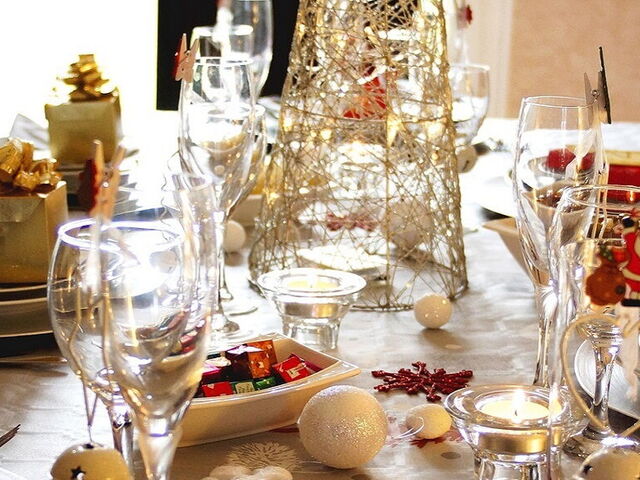
5 Italian Christmas Dishes to Taste on December 25
The coutdown to December 25th is almost over it's time to think about gifts, Christmas celebrations and... what you are going to cook on the lovely Christmas lunch with the whole family!
In Italy, numerous traditional dishes are cooked in the special occasion of Christmas day. Each region presents different recipes, as they refer to their ancient culture and local history. From North to South, from East to West, and even from a city to another, the typical flavors of Italian cuisine mix together to enrich meals with amazing colours and tastes.
However, there are some "classic" recipes that cannot lack on Christmas tables, no matter where you are.
Here's the list of the five best-loved traditional dishes in Italy, along with some travel tips to spend an unforgettable Christmas holiday!
1) Tortellini in broth
Although tortellini are typical of Emilia-Romagna and Bologna in particular, this first course is always a must-have on Christmas day! The lunch cannot miss a delicious capon broth with homemade tortellini filled with meat, mortadella, ham, eggs, parmesan cheese and walnuts. Tasty and rich, this dish pleases everybody. There can also be some variations: as well as using some thin noodles instead of tortellini, people in Umbria, Marche, Tuscany and Latium usually choose the traditional "cappelletti".
2) Lasagna
Whether they are accompanied with a Bolognese, Neapolitan or vegetarian sauce, lasagna still remain one of the best-loved dishes served on December 25th! The history of this recipe is century-old, it begins in Ancient Greece and it later moved to Italy, as the Romans conquered the area adopting the culture and food traditions of its inhabitants. Lasagna are made piling numerous layers of pasta and separating them with a sauce with béchamel, cheese and other ingredients that may vary according to preferences, such as vegetables, meat "ragù", pesto or ricotta.
3) Stuffed Capon
Christmas holidays are the ideal moment to cook a tasty "cappone ripieno" for the entire family! While it was initially stuffed with animal innards, now people prefer to use pork or beef meat with eggs, sausages, ham, cheese and candied fruit. The place of origin of the recipe is Piedmont, but it is also proposed by many other regions and it is now considered a "luxury food". In Lombardy and Tuscany the "cappone" is stuffed, in Umbria and Liguria people boil it, while the animal is cooked roasted in Piedmont and in the Marches.
4) Capitone
The "capitone" is the name of the female eel and it is traditionally prepared in Southern Italy. While in Molise it is stewed with garlic, in Campania and Latium the fish is fried and served very hot, usually in occasion of Christmas Eve's supper. A popular superstition is hidden behind this course: the eel is usually seen as the symbol of evilness because of its resemblance with the snake, so eating this fish on the day of Jesus' birth is associated with the victory of the good over the devil.
5) Panettone/ Pandoro
Panettone or Pandoro? Whichever is your choice, it's certain that there is no Christmas day without a slice of these desserts at the end of the lunch! The Pandoro is typical of Verona and it presents a soft, golden dough covered with sugar. To make it more appetizing, you can also add some chocolate or cream! On the other hand, the Panettone is a cake made in Milan flavored with raisins and candied fruit, which also became the symbol of Christmas celebrations. Do not forget to taste this dessert!
© Alice Pilastri
Read More
You have just arrived at a countryside town and you have seen street posters talking about a well-known “sagra” that is about to start, but you really don't know what it is about. How can you take part to it? Will it be a good place to taste some local specialties? What to expect from an event of this kind?
Don't worry: we can help you! Here's a short guide to give answers to all your questions about the popular town "sagre"!
First of all, what's a sagra?
A sagra is a kind of festival organized by hundreds of Italian towns to celebrate a Saint Patron and, more generally, the seasonal local food products. On this occasion, the inhabitants of the town and the surrounding centres gather to spend some pleasant evenings together, eating good food and watching nice live shows with some music. It definitely isn't an elegant atmosphere, but it really has something magical in it! People of all ages sit side by side and socialize in front of some delicious dishes. Usually, each sagra is dedicated to a regional product or recipe which becomes the night's protagonits. However, there is a large choice of dishes in the menu and nobody ever gets disappointed! The cost of the dinner is relativiley low, so it might be an excellent experience to try some new Italian products for cheap!
Where will we sit?
This kind of food festivals are distinguished by long laid tables accompanied by plastic charis or wooden benches. In summer, you will enjoy a nice supper under a starry sky getting the most out of the good weather, while in colder months the event is often organized inside large tents or comfortable indoor halls.
How do orders work?
Usually, you'll be invited to wait in line to pay at the cashier, where you will have to choose all the dishes you want to try and pay them. You will then receive two numbered tickets, one of which will have to be given to your waiter once you have found a free table. Enjoy your meal and relax!
And what happens after the dinner?
Each sagra is different, but almost all offer a sort of entertainment once everybody has finished eating. You will plunge into a live music concert, a dance competition, a regional dances' show or a disco party with colourful lights and a lot of music to dance all night long! The most traditional events also propose a so-called “pesca di beneficienza”: don't forget to take part to it and discover how it works! Well... you will surely not get bored!
Who organizes these sagras?
The sagra is a special moment that sees the incredible participation of the whole village, which collaborates and works hard to get the best result! The volunteers are persons of all ages and they have different fucntions in the organization. Children and kids work as waiters at the tables, men cook the meat over the barbecue and think about the wine, while women prepare the other dishes in the kitchen. It's a teamwork that gets out the soul of the entire community!
Which are the most famous and beautiful sagras to see?
This is not an easy question. Each region presents unique sagras where you'll be able to taste some excellent food specialties and you'll spend a good time having fun. However, if we have to choose the best-known ones, we cannot forget to mention "Primi d’Italia" festival in Foligno (PG), Perugia's Eurochocolate, both happening in October, or Truffle's Festival in San Miniato (PI), taking place in November.
Start planning your trip to discover all about Italian regional traditions! We suggest booking one of our villas in Tuscany and Umbria, where countless of food events are organized each year!
© Alice Pilastri
Read More
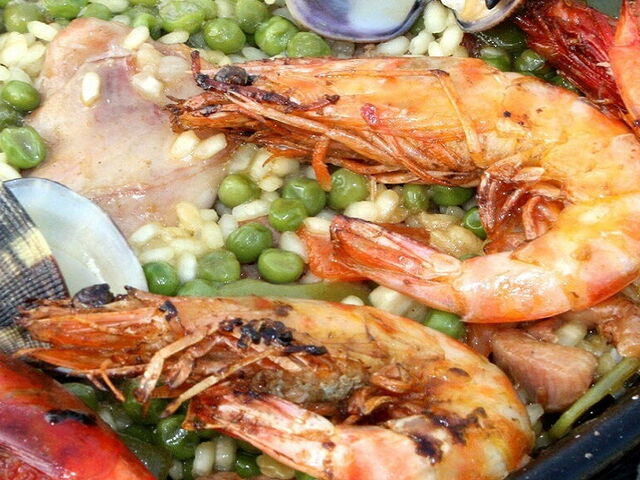
Spanish cuisine is one of the most famous and appreciated in the whole world! Each region presents its own distinguishing flavors: coastal areas offer delicious fish dishes, in the North you will taste some excellent cheeses, while the restaurants found in the internal regions offer some good meat main courses. Thanks to the historical past of this country, which experienced the domination of various populations and cultures, its food tradition presents a rainbow of tastes coming from all parts of the world that perfectly mix together.
Have you planned a holiday in Spain? Don't forget to try its best traditional dishes!
Taste the explosive flavours of the Iberian Peninsula and get the most out of your stay: discover the top 6 Spanish dishes to try before you return home and follow our travel tips!
1) Paella
It is definitely the first dish that comes to mind when we talk about Spanish cuisine. The origins of paella are found in Valencia, where restaurants prepare the delicious "paella valenciana". It is basically a main course made with rice, saffron, vegatables like peas and tomatoes, meat and fish mixed in a large pan put over the fire. There are many varieties of it and they might include rabbit, chicken, prawns or mussels, depending on the area you're visiting. Don't miss it!
2) Tapas
A "Tapas tour" between city bars is something you absolutely need to try when in Spain! These small appetizers can incredibly vary and make the cook's fantasy fly. It's an infinite universe of tastes that includes all kinds of ingredients and no tray of tapas is like the other.
3) Churros
Churros are delightful fried sweets usually served with hot chocolated, where they can be immersed and pleasantly savored. They are often sold in street stands and they are perfect to end your meal in a sugary way or to start your day with a luscious breakfast.
4) Tortilla
A tortilla is not a simple omelette: made with onions, eggs and a lot of potatoes, it is prepared with a different procedure and it is one of the best-known Iberian traditions. It's always a good time for a tortilla in Spain!
5) Gazpacho
Looking for a fresh entrée to taste on a hot day in Spain? Choose a good Gazpacho, a traditional cold soup born in Andalucìa! This dish is made with onion, pepper, tomato, garlic, olive oil, salt, water and wine vinegar, then it is served with some minced cucumber and onion... you don't need anything more to get this special flavor!
6) Jamón Ibérico
Every single restaurant or bar will be glad to serve you some slices of prestigious Spanish ham, which is also called "pata negra" or "carne negra". It is often used to prepare tapas and its flavour is unique!
© Alice Pilastri
Read More
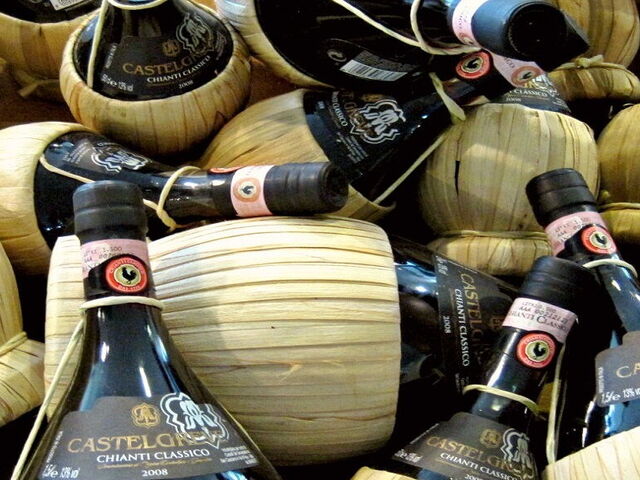
Who hasn't drunk a glass of a good Chianti red wine at least once? It is almost impossible to resist to such a delight in Tuscany! This variety of wine is one of the famous enogastronomic specialities you can find in Central Italy and it is produced in a large territory between Florence and Siena.
Maybe someone who was drinking it also noticed that on the neck of the bottle there is the figure of a black rooster in the middle of a yellow and red circle. And, who knows? Maybe he also visited the magnificent Salone dei Cinquecento inside Palazzo Vecchio on the same day and heard guide pointing out a specific detail on the wonderful ceiling that represented a black rooster inside a shield.
But then...what does this mean and where does this symbol come from?
The abovementioned fresco shows the ”Allegory of Chianti”, which is the name of a beautiful territory guarded jealously by the Florentines. The representation on the shield is the coat of arms belonging to Lega del Chianti , which was an important alliance between the cities of this region dating back to 1384.
In fact, the emblem of the Black Rooster has a mythical nature. In the Middle Ages, the Republics of Florence and Siena incessantly fought against each other and the main clash concerned the definition of the border between the two States and the control of the territory that separated them. After decades of battles, the two parties decided to cease the hostilities leaving the fateful decision to...two roosters.
They established a date and agreed that the first rooster to wake up and start singing would make its knight depart from the city he represented to race towards the rival town. The spot where the two knights would meet would establish the new definitive borderline between the two States.
Chance assigned a black rooster to Florence and a white one to Siena. Seneses began to take care of their "champion" with good manners, feeding it abundantly. On the other hand, Florentines adopted a different strategy and put the animal inside a dark cage, leaving few food to make it hungry and desperate.
As the D-Day dawn began, the black rooster exited the cage rapidly and started to sing loudly. His signal came to the Florentine knight, who began his horse race galloping for kilometers. Instead, the white cock did not want to leave the place where it had received all kinds of attentions and did not wake up before the sun had got up in the sky. When it sang, the Senese knight left his town but he couldn't fill the gap of time between him and his enemy. He ran for a bit more than 12 kilometers and met the other knight in a locality called Fonterutoli: the Florentine had arrived there after running for more than 100 kilometers! Here's the reason why the region of Chianti almost completely passed under Florence's control, a few years before even the city of Siena was conquered by the rival.
Since then, the grapes growing in this region would produce a type of wine called “Chianti”.
In 1716,the Grand Duke of Tuscany set the borders of the region of production instituting one of the first examples of "Denominazione di Origine Controllata"or DOC (registered designations of origin). In 1932, the “Consorzio Gallo Nero” was founded, but it changed its name to “Consorzio Chianti Classico” in 1992 because of the verdict of an American Court, which assigned the exclusive use of the name "Gallo" to identify a wine to the Californian Ernst Gallo Winery society.
So, here's the history hidden behind what is considered the best wine of the world!
Wouldn't you like to taste its unique flavor in one of the most charming locations ever? Then choose one of our Wine Tours in Tuscany or book a memorable holiday in Chianti with us!
© Alice Pilastri
Read More
Sardinia is a stunning place and one of the best summer holidays destinations in Italy. Sunshine all year long, cristalline sea waters, splendid beaches, incredible views and countless things to see make millions of tourists fall in love with it and make it particularly attractive in June, July and August. Also, don't forget the fantastic prehistoric "Nuraghi" that you will have the opportunity to visit during your stay!
Well, this island is a heaven on earth that is just waiting to be discovered. And there is more: Sardinian cuisine is one of the tastiest in Italy, as its dishes are delicious!
Would you like to know more to start planning your holiday? We propose a list of the top 10 dishes you must try in Sardinia along with their main characteristics. We are sure that you will not resist for long and that it will have you drooling as soon as you'll finish reading.
10) Pecorino Sardo
Sardinian cheese is exquisite. This product is made with sheep milk and it is left aging for some months. Depending on the period, it is called "fresco" (fresh) or "stagionato" (aged). The bravest can also try to taste the typical "Casu frazigu", which is a famous traditional cheese colonized by larvas and inhabited by dozens of worms!
9) Culurgiones
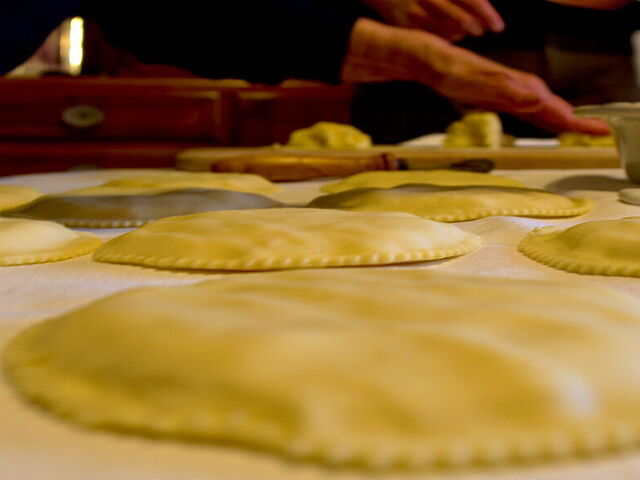
it is a first course called in different ways in each province of Sardinia and it was invented in Ogliastra, a locality near Nuoro. Here, ravioli are stuffed with pecorino sardo and seasoned with olive oil and tomato sauce or with potatoes, mint and cheese. Each area have its own recipe, so somewhere you will find them accompanied with ricotta cheese and spinaches, somewhere else with orange zest, saffron or onions. However, their taste will still be incredibly pleasant.
8) Torrone
This is not the traditional torrone recipe, as in Sardinia you don't use sugar, but some simple natural ingredients that confer it a beautiful amber color. Home, almonds and albume are what you need to prepare this delicious sweet!
7) Malloreddus
The "gnocchetti" are one of the most famous and imitated Sardinian dishes. They are shell-shaped made with a homemade semolina pasta dough which are seasoned with sauces of various kinds. The typical recite comes from a southern region called "Campidanese" and its fantastic sauce is made with sausages, tomatoes and shredded pecorino cheese. Since centuries, this dish is prepared by Sardinian housewives in occasion of small town festivities or special occasions.
6) Bottarga
Bottarga is a food made with fish eggs, usually tuna's or mullet's, which are dried following traditional processes. This preparati in typically Mediterranean and in Sardinia it is mainly used to flavour some good pasta dishes or it is served as an entrée. The best-known Sardinian bottargas come from Cagliari, Tortolì and Stagno di Cabras.
5) Pardulas
Pardulas are succulent tweets made with saffron, sheep ricotta and lemon zest, enclosed in a crunchy semolina phyllo dough. They are usually called "formaggelle" and typically cooked in the Easter period.
4) Fregula
This first course is prepared with a peculiare tipe of pasta, which is wrapped, tosate in the oven and then cut to from many small balls with an irregular diameter. Do not forget to taste the typical seasoning made with clams and bottarga!
3) Pane Carasau
It is the typical Sardinian bread and it is generally called "music bread" because of the sound it makes when it is eaten, as it is very crunchy. Its in gradiente are few and simple, but the preparation is complex as it is necessary to follow it step by step. Eat it to accompany steaks, cheeses, cured meats or vegetables to make your lunch even tastier!
2) Seadas
Seadas are the dessert par excellence, a tidbit that nobody can resist in Sardinia! These cakes are made with puff pastry stufe with cheese, fried and seasoned with a lot of local honey. There are some variants, but even the simplest recipe boasts a special taste that pleasantly explodes in the mouth.
1) Porceddu
You cannot leave Sardinia before you've tasted the typical "maialino"! The piglet represent the local cuisine out of the island and it is cooked on a spot over a large barbecue, where it is flavored with myrtle and rosemary. While it was initially prepared in occasion of special events and festivals, now it is served in hundreds of restaurants that wish to offer the taste of the original Sardinian food to all their guests.
What are you waiting for? Book a vacatio in Sardinia and get ready to taste some of the best Italian dishes. If you are looking for a holiday accommodation to rent in Sardinia, we suggest choosing our Villa Sole tra i Ginepri or Lentischio, Villa Vera or Villa Silenis!
© Alice Pilastri
Read More
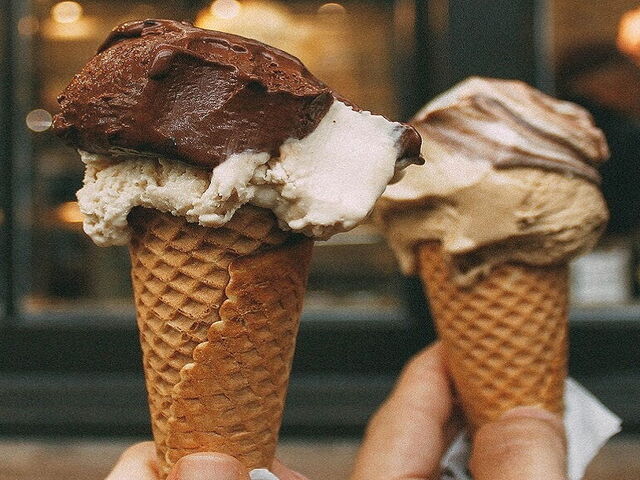
There are ice cream shop galore in the world. However, just a few can be defined real handmade "gelaterie" that pass down the art of ice creams to the new generations, together with one of the main flavors of the authentic Italian tradition.
Ice cream is the best "street-food" chosen by tourists who visit italy in summer: sunny days, hot temperatures and the longing to relax after a long walk in the main city centers make it a must-have during a tour!
But how can you recognize the "real" Italian ice-cream among theinnumerable shops found along the streets? Discover it with us!
Gelato is one of the best-loved sweets in Italy and abroad. It is a preparation made with fresh ingredients brought to a creamy state after a freezing process and it is mixed by the so-called "gelatiere" inside his laboratory. It contains eggs, sugar, milk, cream and other ingredients that define its flavor, such as chocolare, fresh fruit or pistachio nuts. The real ice-cream maker uses its personal laboratory to mix
fresh and high-quality ingredients, avoiding thickeners, emulsifiers or food dyers. This product must be prepared and eaten within 24 hours, because it is too fresh to resist longer. Its color is not too bright and the flavours proposed are often seasonal, as they depend on the available products at the moment. The texture is creamy and the temperature is neither cold nor hot. The taste is obviously amazing: since the first bite, you willrealize that this is a Gelato with capital G!
Do not make mistakes! In Italy, you will find hundreds of "fake" ice-cream shops that will just disappoint you with their products, so follow our tips!
Firstly, don't trust shops whose windows show mountains of ice-cream that reach surreal peaks and whose color is definitely too bright. These industrial preparations are full of food dyers and preservatives and they have nothing to do with Italian Gelato.
Moreover, we suggest cunsulting the top Italian ice-cream shop list by Gambero Rosso and starting organizing your dream holiday in Italy!
In Liguria, where we recommend Casa al Bosco, the guide advises "Cremeria Spinola" in Chiavari (Ge) and "Profumo" in Genova.
In Veneto, where we rent Ca’ Marcello, the guide awards "Golosi di natura" in Gazzo (Pd) and "Zeno Gelato e Cioccolato" in Verona.
In Tuscany, it recommends "Carapina" and "Gelateria della Passera" in Firenze, where we propose our Le Fonti, "La Chiccheria" in Grosseto, "De’ Coltelli" in Pisa, where you find our Villa De Ranieri and "Dondoli" ice-cream shop in San Gimignano (Si), where you can book Villa Orchidea.
In Latium, the guide recommends "Gretel Factory" in Formia (Lt), "Greed Avidi di Gelato" in Frascati (Rm), "Gelateria dei Gracchi", "La Gourmandise" and "Otaleg!" in Rome, which you will certainly visit when you choose to stay in our Villa Antici or I Gigli di Bolsena.
In Sardinia, finally, the guide suggest "Bar Centrale Gelateria Pizzeria" in Marrubiu (Or), while we recommend our wonderful Il Lentischio and Villa Silenis.
© Alice Pilastri
Read More
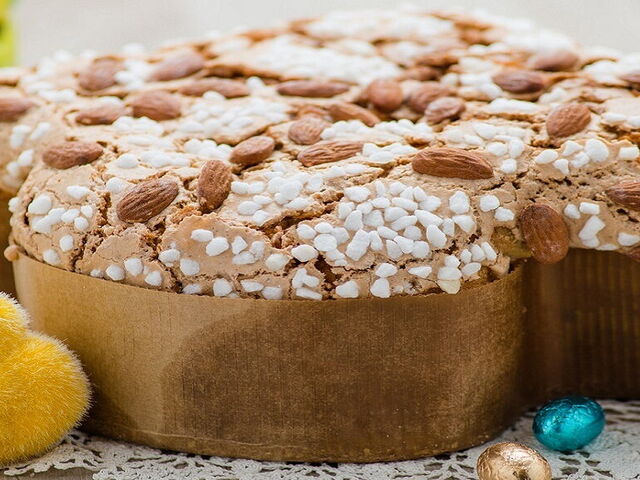
Not only chocolate eggs and Easter Dove cakes: celebrating Easter in Italy will be a fantastic occasion to taste various ancient traditional sweets, which vary depending on the Region you will choose to visit! These recipes are transmitted from generation to generation since centuries and they have entered the spectacular world of Italian culture.
Follow our tips and discover which are the desserts you need to try on Easter Day!
1) Pardulas
Pardulas are a kind of dessert that you will find in Sardinia, while they are called "formaggelle" in the other Regions. In the sweet version, they are made with shortbread, sheep ricotta, saffron and lemon zest. They look like small crunchy baskets and they are so delicious that one leads to another!
If you are looking for a property to rent in Sardinia, choose one of our villas!
2) Schiacciata di Pasqua
Also called "Sportellina", the Tuscan "Schiacciata di Pasqua" was invented in Pisa but it is now diffused in the whole Region. Despite its name, it really doesn't look like a focaccia, as its shape reminds of a Christmas "panettone". The dough is stuffed with anise aroma, Vin Santo and orange zest and it needs to be left to rise for five times. This is why its preparation times are long, but don't worry: it will be worth it!
If you are looking for a property to rent in Tuscany, choose one of our villas!
3) Pastiera Napoletana
This famous Neapolitan dessert is made with breadcrumb stuffed with cream and ricotta, seasoned with orange flowers, spices and candied fruit. Numerous variations exist, because every family reinterprets the recipe depending on how their ancestors cooked it. A good Pastiera needs four days to be prepared, but efforts will be rewarded by a delicious surprise at the end of Easter Sunday's lunch!
If you are looking for a property to rent in Campania, choose one of our villas!
4) Piccillato
You will certainly recognize this Calabrian dish at first sight, as there are some chicken eggs on the top of it! The Piccillato is prepared on the day before Easter and it is made with eggs, orange zest al lemon. Its flavor is incredible and appreciated by people of all ages!
If you are looking for a property to book, we suggest choosing one of our villas in Sicily or in Apulia!
5) Bussolai
These biscuits coming from Burano are cooked in every period of the year, but the tradition wants that they are added to Easter's lunch menu. Their name derives from "buca" ("hole"), the recipe is very simple and its ingredients are egg yolks, lemon, flour and sugar. Try them alone or dip them in some milk to enjoy them to the fullest!
If you are looking for a property to rent in Veneto, choose one of our villas!
6) Cassata Siciliana
The Cassata is the ultimate Sicilian pastry and one of the best-loved Italian ones. It was defined as a "Traditional Sicilian Food" and it appears in every pastry shop window. Its recipe is based on sweet ricotta, Victoria sponge, pasta reale, candied fruit and decorations which will make it even more beautiful! In fact, the Cassata can have a simple or baroque look, but what is certain is that "Tintu è cu nun mancia a cassata a matina ri Pasqua" ("Stupid is who does not eat Cassata on Easter's morning")!
If you are looking for a property to rent in Sicily, choose one of our villas!
© Alice Pilastri
Read More

In Italy, Aperitivo is an authentic tradition. It is not like a simple dinner, a snack, an English appetizer or an American Happy Hour, but something unique which became part of Italian culture and transformed into a real “social event”.
Every day, from 6pm to 9pm, cafés and restaurants fill up with people of all ages who just wish to spend some time with their family and friends after a long working day. A relaxing ambient music accompanies what Italians call "ape", a moment when pubs offer a small buffet to whoever buys a drink. With just €5-€15 you are going to enjoy a delicious cocktail and to taste some French fries, sandwiches, slices of pizza, pasta, snacks, cheeses and other finger foods in a special atmosphere. It is an occasion you do not want to miss!
Do not confuse Aperitivo with Happy Hour: while the first is typically Italian and comes it anticipates dinner, the second was born in America and it consists of a series of discounts on food and drinks, which actually replace the main meal.
Aperitivo's tradition is diffused all over Italy, especially in Southern and Central Italy where drinks are accompanied by some tasty local products.
But which are the 100% Italian cocktails you can taste during your stay?
The oldest drink is the Americano, created at the end of 19th century in honor of Primo Carnera, an italian boxer who lived in the USA. It is made with red vermouth, soda and bitter.
A variation of it is the Negroni, a Florentine cocktail made in 1920s by Luigi Scarselli, where gin replaces soda. After the mistake of a bartender who used champagne in the place of gin, another drink called Negroni Sbagliato was born.
However, it is believed that the drink who led to these two inventions was the Mi-To, a less popular aperitivo made with Campari and Vermouth and created to celebrate the highway linking Milan and Turin.
Later, in 1960s, a barman invented the Martini Dry, a successful cocktail with gin and vermouth which revisited the Martinez drink. These famous beverages have a strong, bitter taste and they are important test beds for Italian bartenders!
Italians also appreciate the Spritz, a Venetian alcoholic drink made with white wine /Prosecco, Aperol, sparkling water and ice, and the Bellini, consisting of sparkling white wine, blended fruit pulp and white peach juice. These are perfect drinks for a classy aperitivo!
Book one of our properties in Italy and taste some delicious local specialities sipping a great cocktail!
Take a look to our holiday rentals in Tuscany, Sicily, Sardinia, Latium, Apulia, Umbria and Liguria and choose the best solution for you!
Read More