Our Blog: Travel Tips
Planning a trip to Italy? Browse and read our useful and informative articles about the endless range of attractions and experiences in this lovely country.
Travel through the beauties of Italy with us. Visit our blog!

Yes, we all know that Italy is famous to be the country of pasta, gelato and pizza. A great part of Italian culture is linked to culinary traditions, which are different in every region and appreciated in every part of the world.
But what’s the real history of pizza? What is it named after and when was it cooked for the first time?
The origin of this dish is primordial: we can talk about “pizza” in the moment when men started to cook narrow slices of unleavened bread on hot stones. The dough was made with water and squashed barley grains, so it took the name of “pizza” as it derived from the Latin “pinsere” which means “to squash”, “to beat”.
Egyptians used yeast for the first time and this new type of preparation started to be used as currency of exchange in international trades.
The following developments took place in Southern Italy in order to make the “pizza” tastier. Initially, cooks prepared a flatbread pizza with garlic, lard and salt, then it was modified using oil, cheese and some aromatic herbs, such as basil. Moreover, another kind of “schiacciata” called “cicinielli” was born in this period, which contained portions of fish.
The tomato sauce was introduced following the importation from America and the distribution by Spanish in Europe. As it is stated by a 1778 document called “Il Cuoco Galante” by Vincenzo Corrado, the sauce was firstly used to accompany macaroni, and not pizza.
The first pizza with tomatoes dates back to 1840-50, when it was added to a pizza with buffalo mozzarella.
The official launch of this dish occurred in 1889, when Don Raffaele Esposito and his wife Donna Rosa Brandi were invited to the court of the King of Italy Umberto I and Queen Margherita, who wanted to taste their famous pizza. They prepared three well-known types of it, which were the pizza “alla Vasenicola” (with lard, cheese and basil), the pizza “alla Marinara” (with tomato sauce, garlic, oil and oregano) and the pizza “Margherita” (with tomato sauce, mozzarella, oil and basil), that was named after the Queen. The colors of the dish were the same of the Italian “tricolore” flag, so pizza became the symbol of this country in the world.
After 1889, the dish became very popular in Italy and abroad, especially in America where emigrated “pizzaioli” imported it at the beginning of the 20th century. Although many varieties of pizza have spread in the last decades, the authentic and traditional recipe is the Neapolitan one, where the dough is soft and narrow with high borders called “cornicione”.
So, if you would like to taste the “real Italian pizza”, we sincerely suggest you visit Naples and Campania! Choose one of our properties in the region, near Naples and Amalfi Coastline, and choose your favorite!
Read More
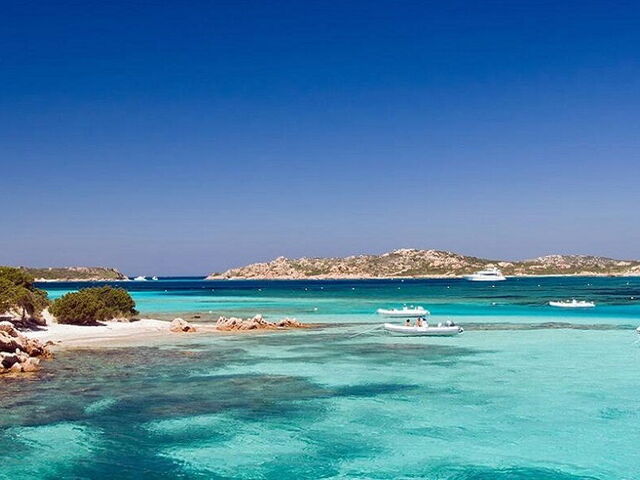
A wonderful destination for your next trip is certainly La Maddalena, the biggest of a 62-islands archipelago in Northern Sardinia formed by the well-known Budelli, Spargi, Santo Stefano, Razzoli and Caprera. La Maddalena is located right in front of Palau and of our charming Villa Sole tra i Ginepri, a luxury vacation rental on our website!
This 50 km² island presents sweet green hills and a jagged coastline with many coves and bays. The sea is transparent and there are innumerable natural beauties, more than 700 vegetal species and a rich marine fauna. The park authority safeguards this environment and it doesn’t allow the access to some splendid beaches to protect them, like the “Spiaggia Rosa” (Pink Beach) on Budelli island. Here, tourists used to take the pink sand home and this magic environment was risking permanent damages. Visitors can still visit beautiful beaches such as Bassa Trinita, Splamatore, Abbatoggia, Punta Tegge, Cala di Testa del Polpo beaches and the “Spiaggia del Relitto”, where a boat bobbed after a fire.
The must-see places are numerous: we suggest spending a day visiting the Compendio Garibaldino and the Memoriale Garibaldi on Caprera island, where Giuseppe Garibaldi arrived in 1857 and decided to spend the last years of his life. You can visit the barn, the private house and the spot where he and his daughters were buried. Furthermore, these islands offer an interesting museum tour between the “Museo Diocesano”, the “Museo del Mare” and “Museo Geomineralogico”, as well as a lot of sea and land summer excursions.
The first settlements on La Maddalena island date back to Neolithic Age but it was abandoned until the 18th century, when it became an important military objective because of its strategic position. This is why many defensive (like the “Forte San Vittorio”) and mimetic buildings were erected, in order to protect the island from sea and the following 20th century air attacks. Dedicate a day of your stay to the visit to granite quarries as well, where a high-quality granite is extracted and used to make famous sculptures, like Suez Canal Monument.
La Maddalena guarantees a holiday of relax, natural beauties and even a lot of fun. La Maddalena city center truly offers many entertainments to its visitors, with dozens of cafés, fish restaurants, clubs and shops.
To get to this island, you’ll need to board a ship in Palau and, once you’ll arrive, the splendid panoramas and maritime landscapes will certainly make your stay unforgettable!
Read More
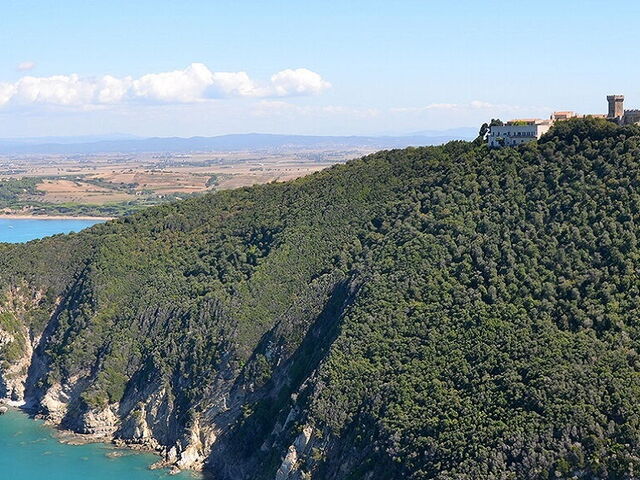
Tuscany is a region of a thousand beauties with some amazing beaches, especially in the area near Livorno and Grosseto. One of these is certainly found in the Gulf of Baratti, near the city of Piombino. This strip of sand separates a crystalline sea and a verdant promontory and it has a peculiar reddish color, due to the presence of iron minerals in the soil. It's the perfect destination for families with kids, couples, groups of friends and even for animals, as their admitted in a small trait of the beach. The water is transparent, the sea bottom is shallow and the surrounding panorama is breathtaking.
Actually, Baratty is not only famous for its beach, but also for its thousand-year old history linked to Etruscan civilization. The close center of Populonia became one of Etruria's most important centers between IX and VI century BC. The proximity to the sea was fundamental to undertake a commercial activity based on metalworking. Later, Populonia allied with Rome and therefore there are many architectural remains attesting its influence, like ruins of mines, industrial sections and necropolises.
Many of these graves are located in the "Parco Archeologico di Baratti e Populonia", an area of 80 hectares reachable through the path of Via delle Cave. Inside it, you will find ancient necropolises like those of San Cerbone, Casone or Poggio alla Porcareccia, dating back to VII-VI century BC. Noble families were buried all together in monumental tombs called “a tumulo” or “a edicola”, looking like small temples and internally decorated. On the other hand, a humblest and simplest type of tomb is “a sarcofago” or “a cassone”, which is individual and not decorated. Outside the park, you will find other ancient necropolises dating back to Villanovan period (IX-VIII century BC), like the one in "Buca delle Fate" or the necropolis of "Le Grotte", dug in sandstone.
So here's another stop of your journey across Tuscany, an ideal place to visit during your summer holiday! If you are looking for a vacation rental near Baratti, check out our luxury properties, like “Castello Leopoldo”!
Read More
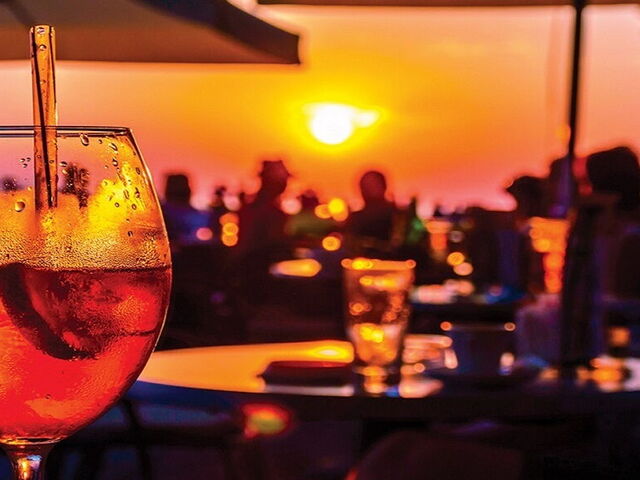
A holiday is definitely the best way to relax and take a pause from work or study. This summer, give yourself a break, book a villa in one of Italy’s finest localities, enjoy your days at the seaside and explore the amazing nightlife of these cities.
We propose a list of the ideal destination for a fun and relaxing holiday in Italy along with some suggestions about the properties you might want to book:
-Versilia
Source: Mountain Leon
The cities of Viareggio, Lido di Camaiore, Forte dei Marmi and Marina di Pietrasanta form the “Versilia”, a part of Tuscan coast renowned for its nightlife and loved by thousands of young people. Further to the several shops and cafés on the seafront promenade, here you’ll find some of Italy’s best disco clubs, like “La Capannina di Franceschi”, “Seven Apples” or “Ostras Beach Club”. In summer, there are events and parties everyday with an average price of 10-25€. Moreover, there are many equipped lidos, in some of which you can taste a cocktail on the beach during happy hour.
If you are looking for a vacation rental, choose Villa Oliveta!
-Salento and Gallipoli
Apulia blends the beauty of its crystalline sea with one of Europe’s best nightlives thanks to the amazing “Praja” or “Parco Gondar” in Gallipoli and to their international DJ. Daytime is animated by the famous “Samsara” beach parties under the sun, an ideal entertainment for people between 18 and 30 years old.
If you are looking for a vacation rental, choose Villa Cotriero!
-Riviera Romagnola
The Riviera is never-ending succession of parties and clubs, especially in Milano Marittima and Riccione. These cities offer a thousand opportunities to have a twenty-four-hour fun, on the beach or on the nearest hills where the best-known clubs are located. “Papeete”, “Villa delle Rose” and “Cocoricò” are some historical and glamour locations hosting house, electronic and techno music DJs from all over the world. Here, it’s always time for parties: that’s why many people choose this place for their hen or bachelor celebrations, short stays or weekends.
-Tropea
Tropea (Calabria) is a popular touristic destination thanks to its beautiful white beaches, but it also assures a fantastic nightlife in its seafront disco clubs. Try “Coiba”, “Suite” and “Casablanca” clubs and enjoy a dream holiday!
-San Benedetto del Tronto
This locality in The Marches unites the relax on the beach with nighttime parties in its numerous clubs. It’s the most important center of the “Riviera delle Palme”, it has seafront of more than 6 km and it hides some historical and architectural beauties you absolutely need to visit!
-Alghero
Even Sardinia ensures a great nightlife experience. Alghero, a western-coast city belonging to the “Riviera del Corallo”, is the holiday destination of many young Italians, came here to enjoy its sea and to dance in a wonderful disco club until dawn! Here, you’ll find clubs such as “La Siesta” or “Il Ruscello”. The best period to visit this incredible city is surely July.
If you are looking for a vacation rental, choose one of our luxury properties in Sardinia!
-Ischia
The charm of Ischia’s sea, old town center and landscapes make it an illustrious touristic destination in Italy. Moreover, there are many ways you’ll be able to have fun in clubs like “Riva Destra” or “Valentino”, overlooking breathtaking panoramas and stunning sunsets behind the sea!
If you are looking for a vacation rental, choose one of our luxury properties in Campania!
-Taormina
Taormina (Sicily) is a historical center with splendid beaches and a well-known touristic destination for many young Sicilian and Italian people. The night animates with events and music, so get the most out of it going to “La Giara”, Caparena” or “Morgana” clubs. These beautiful locations organize exclusive events you really don’t want to miss.
If you are looking for a vacation rental, choose Taormina Suite!
-Isola d’Elba
This Tuscan island offers natural beauties, a splendid sea and even some perfect clubs where young people can have fun! Cavoli beach often organizes beach parties, while the best-known disco clubs are “Club64”, “Giannino” and “Tinello”. However, they are not close to each other, so we suggest you to rent motorbikes or cars to visit the island with comfort and ease.
© Alice Pilastri
Read More
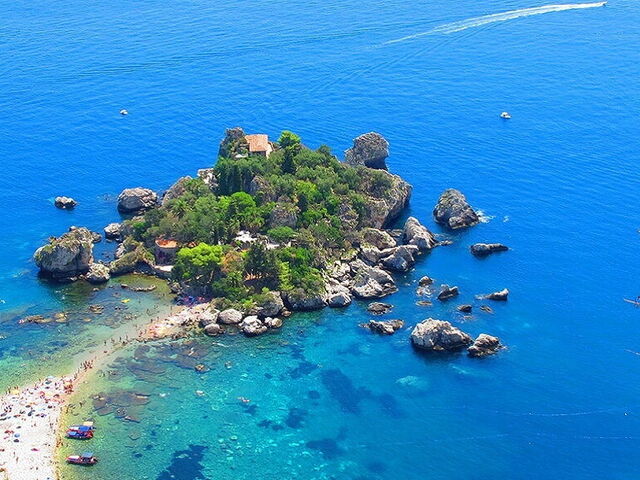
Sicily is an emerged paradise from the Mediterranean Sea which shines with its numerous beauties. Palermo, Siracusa (which is the topic of one of our blog articles) or Agrigento are just some of the marvels you need to visit during your stay on the island. A part that you cannot miss to see is the region with Taormina and Giardini Naxos, in the province of Messina.
Taormina is a small but characteristic city on the coast in front of the Ionian Sea. It was founded in the archaic age and it was inhabited by various nations like Greeks, Romans, Arabs, Siculans and Normans. The fusion between different arts and cultures created a magic place, full of ancient buildings which are visited and appreciated by thousands of tourists. The best-known one is the Greek Theater, built in the III century BC by Greeks and renewed by Romans. This enormous and magnificent open space was used for dramas and plays during its Greek period, while Romans transformed it into an arena for gladiators’ fights or naval battles. It is the second biggest Greek theater in Sicily after the one in Siracusa and today it hosts suggestive music shows or important international events such as G7.
Taormina’s old town center is formed by hundreds of narrow streets with panoramic sea views. You can even enjoy the panorama on “Isola Bella”, a wonderful island linked to the city with a sand strip which disappears with high-tide. The rich vegetation, the transparent sea and the stunning “Grotta Blu” make this island a mandatory step of your visit! On the other hand, in the city center you will find other important ancient buildings like the “Neumachia” (a century-old Roman architecture), the 13th century Church-Dome, Casa Cuseni and the “Villa Comunale”, known for its beautiful garden. You also have to visit the amazing beaches, like Mazzarò, Spisone, Villagonia or those on the “Isola Bella”.
Even Giardini Naxos is a fascinating locality in Sicily located few kilometers away from Taormina. It’s the perfect destination for those who want a holiday of relax, culture and fun, as here you will find dozens of restaurants, pubs, nightclubs and cafés. Visit Alcantara waterfalls, the Medieval Schisò castle, the Archaeological Park and Museum, which contains many ancient findings. If you look for a beautiful beach to go to, we suggest Recanati, Schisò, San Giovanni or Porticciolo Saia.
The local specialties which will accompany you are numerous: taste the typical chocolate “granita”, the “brioche con cappello”, the delicious ice-creams, the “pasta alla norma” or a fish dish!
In order to enjoy your holiday to the fullest, we recommend participating to an important event like “Taormina Arte” or “Taormina Film Festival” and to book one of our luxury properties. Choose between “Taormina Suite”, “Villa la Boheme” and “Torre Isola Bella”!
Read More
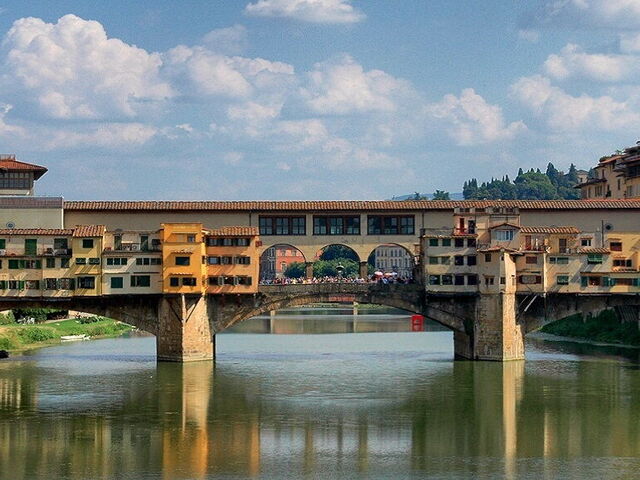
Florence narrates a century-long story to all its visitors through statues, buildings, museums and other incredible beauties. This city founded in ancient times and homeland of world-famous poets and artists was flagellated by a violent civil war for years.
Its own citizens sided with one of the two factions called “Guelfi” and “Ghibellini” and the clash soon radicalized producing effects which echoed until today. Think about the rivalry between the cities of Pisa and Florence: it’s simply due do the fact that one was Guelph, while the other Ghibelline!
The origin of factions’ name is German, as it reminds how the supporters of Welfen and Hohenstaufen dynasties were called. These families competed to win the vacant throne of the Sacred Roman Empire, which was assigned in 1152 to Frederik I of Hohenstaufen, who reduced the social tension as he was also related to the Welfens. However, his anti-ecclesiastic, anti-roman and anti-municipalities politics provoked a strong reaction of Italian cities in defense of their new communal reality. At the same time, Pope Alexander III linked the personal war against Frederik I to the local battles to safeguard cities’ autonomy.
This caused a sharp social division between the new Italian Guelfi and Ghibellini: the first stood for the Pope against the Imperial supremacy and legitimated his temporal power because he had received his authority from God, while the second supported the Emperor and didn’t accept Church’s intromission in politics. In Florence, there was also a further split between Black Guelphs(guided by Donati family and radically siding with the Pope) and White Guelphs (more moderated and gathered around Cerchi family).
A fundamental historical moment was the clash for the succession to Henry VI in 1198, when Ghibellines supported Philip Duke of Swabia and Guelphs wanted Otto of Brunswick. Many famous battles were fought, like the ones of Montaperti in 1260, Camaldino in 1289, Montecatini in 1301 or Altopascio in 1325, to some of which even Dante Alighieri took part. Being a White Guelph, even the poet suffered the sort of many other Whites and Ghibellines when Blacks took the power in Florence and condemned to death or exile their enemies.
The rivalries between Guelfs and Ghibellines continued until the birth of Signorie, when the war between factions was replaced by the wars for territorial expansion. However, we cannot forget a happening in which thousands of people died, which divided an entire society and which determined the future of Florence.
You can still spot some symbolic places of these events in the old town center and we really suggest you look for them during your stay in Florence! You can search the Torre degli Amidei, where the political homicide of Buondelmonte dei Buondelmonti generated the division between factions, Palazzo Donati, where the Florentine family lived, or Palazzo Vecchio, which presents Guelph coat of arms near Ghibelline ones on its façade.
If you’re looking for a property for your holiday in Florence, check our luxury vacation rentals in the old town center or on the beautiful surrounding hills!
Read More
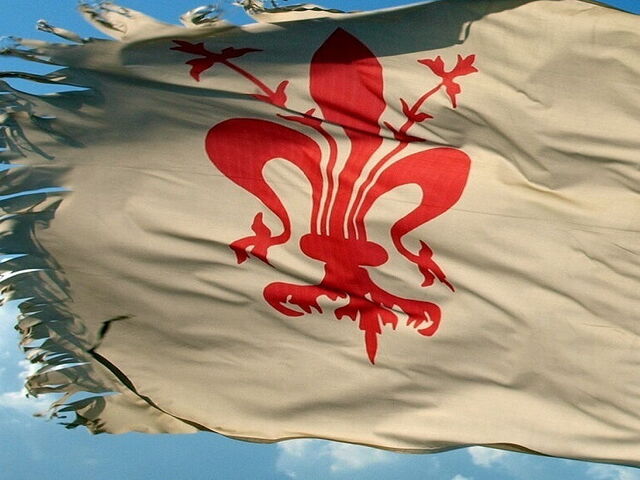
Walking along the streets of Florence, you will certainly notice that a stylized lily with five petals is portrayed on many coat of arms, statues, paintings and buildings. It is the “Giglio”, the famous emblem of Florence whose name means “the city of flowers”.
But what does it represent and what is its origin?
To be precise, the flower is not a lily, but an iris or a so-called “fior di giaggiolo”. There are various hypothesis about its origin and we still don’t know the exact reason why the city chose this right symbol. Some historians affirm that it’s due to the iris fields which grew spontaneously around Florence, while others think it’s related to its meaning of pureness and to the important cult of the Holy Virgin in the city. The first theory is the most probable, as in many Annunciation paintings the Archangel Gabriel hold a lily in his hand, not an iris like the emblem one.
You can try to imagine how the landscape around the city looked like in the past visiting the amazing “Giardino dell’Iris”, a garden inaugurated in 1957 that contains hundreds of diverse kinds of irises. They blossom in the period between the end of April and the end of May, so if you are near Piazzale Michelangelo you cannot skip this visit! Here, you can look for the “Iris Florentina”, the white flower that inspired the coat of arms. In fact, the symbol was originally white on a red background, but Guelfs decided to switch its colors in 1252 to celebrate their victory. In 1412, the famous “Santa Maria del Fiore” cathedral was dedicated to the lily and it later appeared on the golden florin and on city’s standards.
It's important to distinguish the Florentine lily from the French one: the first symbolizes the freedom of the glorious Republic of Florence, it’s red on a white background and it presents two stamens full of buds under three main petals, while the second is golden on a blue background and doesn’t have any stamens.
Nowadays, the “Giglio fiorentino” has a significant importance and it’s often used for honorific medals and awards, like the one given to some heroic Florence citizens after 1966’s flood. Moreover, even the delicious “Schiacciata Fiorentina” has the form of a lily made with sugar on it!
Plan your trip to Florence now and book one of our properties in the old town center to look for the flower in each corner of the city!
Read More
Sometimes, it’s necessary to quit the daily routine and all the stress to make a gift to ourselves dedicating to the pure relax. There is nothing better than a couple of days at thermal baths, where the satisfaction is guaranteed thanks to various hydro massages, body treatments and heated pools.
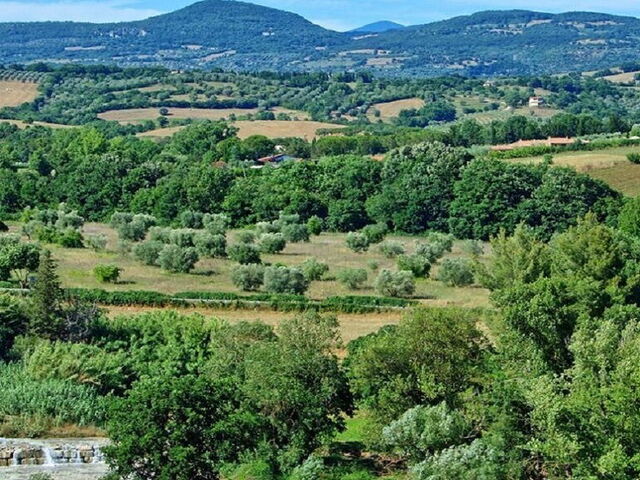
The “Terme di Saturnia” are the ideal destination for a relaxing holiday in Tuscany. Located near Grosseto, in the middle of the splendid Maremma countryside, they are formed by a thermal center, a resort, a SPA and some delicious restaurants.
Etruscans and ancient Romans already knew the “miraculous” virtues of its thermal source with sulfurous waters. Due to the acute smell and to the heat that they emanated, some legends about the witches, demons and wizards who were thought to inhabit the place started to spread during Middle Ages. Since 1865, the thermal baths have been enhanced and gradually transformed into a well-organized, beautiful and luxury structure. The waters of its pools have healthy effects on the skin, on the muscular, skeletal and respiratory systems and are always open all day long. They spurt from a volcanic crater, they flow along a natural river called “il Gorello”, they form some small waterfalls jumping from the drops and they fill natural poos at different ground levels. Enjoy a magic night bath under the light of the moon and the stars! The pleasant temperature of 37°C all year long is perfect for a visit during summer, autumn, spring and even winter, despite the cold external temperature!
Read More
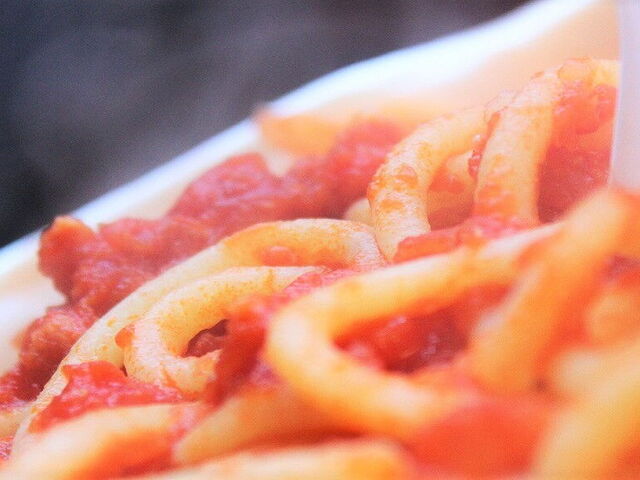
“Pici all’Aglione” is the name of a typical Tuscan first course: it’s impossible to find an osteria or a restaurant in Siena’s province that do not proposes it in its menu.
The “pici” are large rustic spaghettis which are usually homemade through a processing technique called “appiciare”. Anyway, it’s possible to buy them in an ordinary Tuscan delicatessen or in “special and typical pasta” departments in supermarkets.
The seasoning is composed by tomato and a specific variety of garlic called “aglione”, which is typical of Valdichiana area. The difference is visible: one head of “aglione” can weigh more than half a kilo and its flavor is more delicate than ordinary garlic’s.
This ancient recipe is quite easy: the only difficulty is avoiding to exceed in garlic’s browning, as its unpleasant aftertaste would ruin the whole dish.
Even one of my colleagues chose to taste this dish in the “Antico Posto di Ristoro”, a restaurant where we stopped eating some days ago, while we were coming back from a tour to Arezzo. We’re on a secondary road connecting Arezzo to Val Tiberina where the mouthwatering smell of the barbecue steaks spreads in the air. In fact, the restaurant’s specialty is meat: the menu proposes numerous dishes based on wind game, lamb, duck and rabbit, as well as the popular “bistecca alla fiorentina”. The Piomboni family owns this restaurant as well as some wonderful villas in Anghiari which are managed by Posarelli Villas: "Villa Lorenzo"”.
Here’s the recipe of this delicious dish:
INGREDIENTS FOR 4 PERSONS:
◾8 Aglione slices
◾4 tablespoons extra virgin olive oil
◾4 tablespoons of white wine
◾700g tomato pulp cubes
◾Salt
◾Sugar
◾330 g pici pasta
1. First, peel garlic slices, cut them in halves and remove the internal green sprout. You’re free to choose how much garlic you want to use, but don’t exaggerate: if the flavor is too strong, the dish would taste unpleasantly. Slice them thinly or crush them with a garlic press.
2. Heat olive oil in a large 12 to 14-inch pan that will contain the pasta and its seasoning after. Once it’s warm, add chopped garlic and let it soften. If necessary, crush it again with a wooden spoon during cooking. Let it get a golden color (but don’t make it become dark) and, once it’s soft, add white wine and cook for some minutes. After 4-5 minutes, the wine should be completely vanished and the garlic should be almost melted.
3. Add tomato puree, salt and a pinch of sugar (to reduce tomato sourness and give a bittersweet taste to the dish). Cook the seasoning for 10-15 minutes over a low fire, stir it now and then with a wooden spoon to avoid it reduces too much.
4. Meanwhile, boil pici in salted water: their cooking time varies between 15 and 20 minutes. A little before draining them, light the fire under the seasoning pan.
5. Once they’re cooked, drain the pici and put them directly into the seasoning pan. Stir frequently to combine their flavors for a few minutes over a high fire.
6. Serve immediately. Buon appetito!
Read More
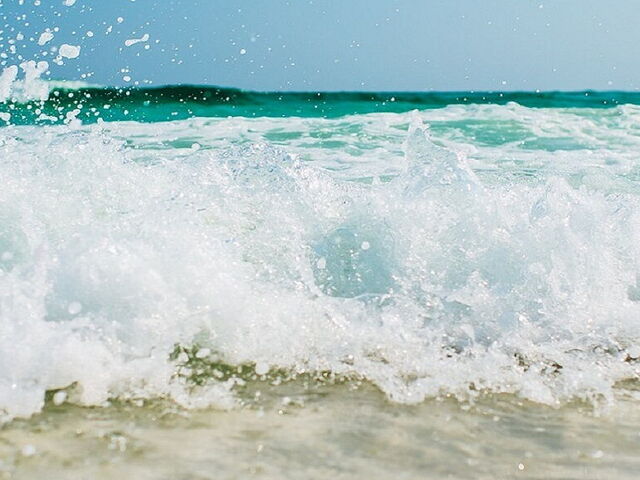
Elba Island is a small emerged paradise in the Mar Tirreno, belonging to the Arcipelago Toscano National Park a few kilometers far from Piombino channel. It’s the destination of millions of tourists, who depart from every corner of the globe to fall in love with its colors and sea. In its 147 kilometers of coastline, the island conceals beaches with rocks, pebbles, cliffs, fine or grainy sand. It invites elders, teenagers, couples and families to relax under its sun, to have fun in the nightclubs and to enjoy powerful emotions trying one of its numerous water sports. Elba island is a place to explore, to hike reaching the top of its mountains and to discover under water, swimming next to its fishes. Centuries of history are enclosed in this Italian atoll, which conserves traces of the Prehistoric Age, beautiful sanctuaries like the “Eremo di Santa Caterina” or elegant villas where napoleon lived during his exile. Further to its perfumes, its colors, its local flavors and its breathtaking panoramas, even its beaches give unique emotions to their visitors.
Therefore, I thought about creating my personal ranking list of the best beaches in Elba, to give some advices to the tourists who don’t know it well and only have one week to discover it. So here’s a top 7 of its beaches: one for each day!
1) FETOVAIA
Fetovaia is considered one of Italy’s finest beaches. It’s protected by a promontory covered by Mediterranean scrub and its crystalline waters are inhabited by a rich marine fauna. Thanks to the presence of cliffs, golden sand and waters with diverse depths, this place is suitable for all kinds of swimmers. It’s got all kinds of comfort and it ensures the maximum relax.
2) CAVOLI
The well-known Cavoli beach is made of white, grainy sand of a transparent sea looking like the Seychelles one. It’s 30 meters long, it’s found in a natural “Costa del Sole” bay and it’s easy to reach, thanks to the numerous road signs. There are also some equipped lidos and it’s indicated for families and young people who love the “movida”: actually, in summer people dance until sundown in the beach parties organized on the beach!
3) LACONELLA
You can reach this beach between Lacona and Capoliveri through a short uneven path. It’s suitable for families with children due to its shallow waters and it’s perfect for activities like snorkeling to observe its fishes. It’s made of golden sand and rocks of different dimensions, there isn’t any equipped lidos so it’s an entirely free beach.
4) BIODOLA
Biodola beach is embedded in a wonderful gulf and it presents 600 m of shiny sand: it’s considered the nicest beach of the island! The cliffs are the ideal place for sub or snorkeling, while the water waning make it suitable for children and families. This beach near Procchio has all kinds of comforts.
5) CAPO BIANCO
The stunning beach is made of white smooth stones and white, thin sand. The intense blue sea welcomes a beautiful wildlife which is perfect for snorkeling and it’s very easy to reach it. The beach is 290 m-long and it’s protected by high crags that protect it from the sirocco wind, guaranteeing calm and tranquility.
6) SANSONE
Portoferraio’s nicest beach is made of small pebbles and a wonderful sea with crystalline waters and a white sea bottom. On its right, a cliff allows to dive into this natural swimming pool, while on tis left there is a sea stack to practice kayak or canoe. The paradisiac beach is inhabited by hundreds of colored fishes, it offers a restaurant and many equipped lidos.
7) PADULELLA
This white beach on the northern coast is made of small smooth pebbles and it’s encircled by high white crags that protect it from northern winds. Being part of a protected natural area, its azure waters are full of marine fauna and they’re perfect for snorkeling. It’s easy to reach it from the principal routes and it ensures tranquility and quiet to its guests.
Read More